Художник-живописец
Wang Meng
1308 - 1385
ПРОСМОТРЫ RU.WIKIPEDIA (PV)
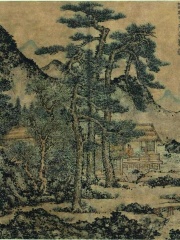
 Wang Meng
Его биография доступна на 17 различных языках в Википедии (рост с 16 в 2024 году). Wang Meng занимает 1194-е место среди самых популярных художник-живописец (снижение с 1121-е места в 2024 году), занимает 733-е место среди самых популярных биографий из Китайа (снижение с 710-е места в 2019 году) и занимает 27-е место среди художник-живописец Китай.
Метрики памятности
12k
Просмотры страниц
За последние 12 месяцев
60.03
HPI
Индекс исторической популярности
Просмотры страницы Wang Meng по языкам
Среди представителей профессии «Художник-живописец»
Среди представителей профессии «Художник-живописец» Wang Meng занимает 1,194-е место из 2,023. Перед ним идут Robert Peake the Elder, Paja Jovanović, Jean-Jules-Antoine Lecomte du Nouÿ, Eugen Dücker, Alberto Burri, и Mario Minniti. После него идут Vilmos Aba-Novák, Orest Kiprensky, Marie-Denise Villers, Albert Eckhout, Cornelis Schut, и Sofiya Nalepinska-Boychuk.
Самые популярные в Википедии: Художник-живописец
Все рейтинги

Robert Peake the Elder
1551 - 1619
HPI: 60.08
Место: 1,188
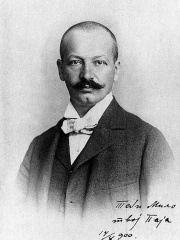
Paja Jovanović
1859 - 1957
HPI: 60.08
Место: 1,189
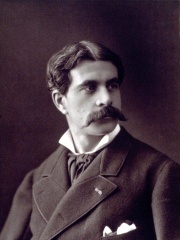
Jean-Jules-Antoine Lecomte du Nouÿ
1842 - 1923
HPI: 60.07
Место: 1,190
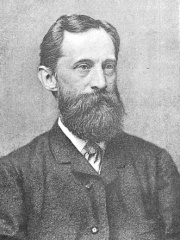
Eugen Dücker
1841 - 1916
HPI: 60.07
Место: 1,191
Alberto Burri
1915 - 1995
HPI: 60.05
Место: 1,192
Mario Minniti
1577 - 1640
HPI: 60.04
Место: 1,193
Wang Meng
1308 - 1385
HPI: 60.03
Место: 1,194

Vilmos Aba-Novák
1894 - 1941
HPI: 60.02
Место: 1,195
Orest Kiprensky
1782 - 1836
HPI: 60.02
Место: 1,196

Marie-Denise Villers
1774 - 1821
HPI: 60.01
Место: 1,197

Albert Eckhout
1610 - 1666
HPI: 60.01
Место: 1,198
Cornelis Schut
1597 - 1655
HPI: 60.01
Место: 1,199
Sofiya Nalepinska-Boychuk
1884 - 1937
HPI: 60.00
Место: 1,200

Современники
Среди людей, родившихся в 1308 году, Wang Meng занимает 7-е место. Перед ним идут Stefan Dušan, Joan III, Countess of Burgundy, Henry II, Margrave of Brandenburg-Stendal, Prince Moriyoshi, Mastino II della Scala, и Leo IV, King of Armenia. После него идут Longchenpa, и Michele Morosini. Среди людей, умерших в 1385 году, Wang Meng занимает 6-е место. Перед ним идут Andronikos IV Palaiologos, Bernabò Visconti, Xu Da, Joan of Kent, и Balša II.
Другие люди, родившиеся в 1308 году
Все рейтинги
Stefan Dušan
POLITICIAN
1308 - 1355
HPI: 76.79
Место: 1
Joan III, Countess of Burgundy
POLITICIAN
1308 - 1347
HPI: 64.53
Место: 2
Henry II, Margrave of Brandenburg-Stendal
POLITICIAN
1308 - 1320
HPI: 62.73
Место: 3
Prince Moriyoshi
MILITARY PERSONNEL
1308 - 1335
HPI: 61.90
Место: 4
Mastino II della Scala
POLITICIAN
1308 - 1351
HPI: 60.81
Место: 5

Leo IV, King of Armenia
POLITICIAN
1308 - 1341
HPI: 60.70
Место: 6
Wang Meng
PAINTER
1308 - 1385
HPI: 60.03
Место: 7
Longchenpa
WRITER
1308 - 1364
HPI: 59.68
Место: 8
Michele Morosini
POLITICIAN
1308 - 1382
HPI: 57.65
Место: 9
Другие люди, умершие в 1385 году
Все рейтинги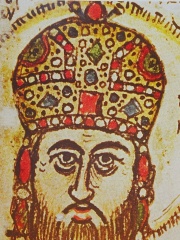
Andronikos IV Palaiologos
POLITICIAN
1348 - 1385
HPI: 70.76
Место: 1
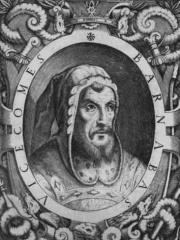
Bernabò Visconti
POLITICIAN
1323 - 1385
HPI: 67.03
Место: 2
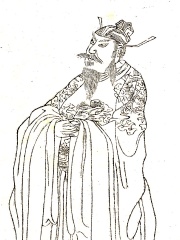
Xu Da
MILITARY PERSONNEL
1332 - 1385
HPI: 65.94
Место: 3
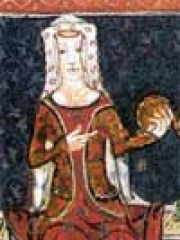
Joan of Kent
POLITICIAN
1328 - 1385
HPI: 63.63
Место: 4
Balša II
NOBLEMAN
1400 - 1385
HPI: 62.08
Место: 5
Wang Meng
PAINTER
1308 - 1385
HPI: 60.03
Место: 6
В стране Китай
Среди людей, родившихся в стране Китай, Wang Meng занимает 733-е место из NaN. Перед ним идут Jimmy Wang Yu (1943), Tan Sitong (1865), Consort Ban (-48), Wang Can (177), Can Xue (1953), и Ma Huateng (1971). После него идут King Hu (1932), Ng Man-tat (1952), Lin Huiyin (1904), Li Lisan (1899), Xie Lingyun (385), и Li Siyuan (867).
Другие люди, родившиеся в стране Китай
Все рейтинги
Jimmy Wang Yu
ACTOR
1943 - 2022
HPI: 60.20
Место: 727
Tan Sitong
PHILOSOPHER
1865 - 1898
HPI: 60.19
Место: 728

Consort Ban
WRITER
48 BC - 6 BC
HPI: 60.17
Место: 729

Wang Can
POLITICIAN
177 - наст. время
HPI: 60.15
Место: 730

Can Xue
WRITER
1953 - наст. время
HPI: 60.12
Место: 731

Ma Huateng
BUSINESSPERSON
1971 - наст. время
HPI: 60.08
Место: 732
Wang Meng
PAINTER
1308 - 1385
HPI: 60.03
Место: 733

King Hu
FILM DIRECTOR
1932 - 1997
HPI: 60.03
Место: 734

Ng Man-tat
ACTOR
1952 - 2021
HPI: 60.02
Место: 735
Lin Huiyin
ARCHITECT
1904 - 1955
HPI: 60.01
Место: 736
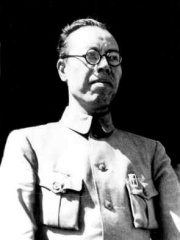
Li Lisan
POLITICIAN
1899 - 1967
HPI: 60.00
Место: 737
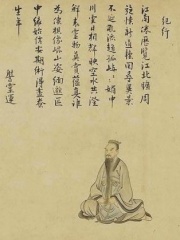
Xie Lingyun
MILITARY PERSONNEL
385 - 433
HPI: 59.98
Место: 738
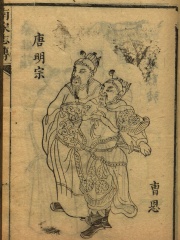
Li Siyuan
POLITICIAN
867 - 933
HPI: 59.97
Место: 739
Среди представителей профессии «Художник-живописец» в стране Китай
Среди представителей профессии «Художник-живописец», родившихся в стране Китай, Wang Meng занимает 27-е место. Перед ним идут Xu Wei (1521), Li Cheng (919), Li Tang (1050), Muqi (1210), Huang Gongwang (1269), и Zao Wou-Ki (1920). После него идут Wu Zhen (1280), Dong Yuan (932), Dai Jin (1388), Chen Hongshou (1598), Zhang Daqian (1899), и Qian Xuan (1235).
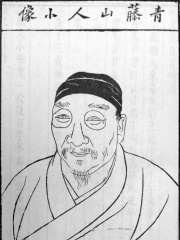
Xu Wei
1521 - 1593
HPI: 61.07
Место: 21
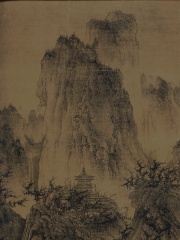
Li Cheng
919 - 967
HPI: 60.85
Место: 22
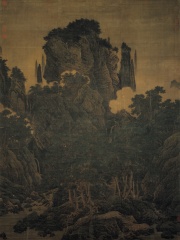
Li Tang
1050 - 1130
HPI: 60.63
Место: 23
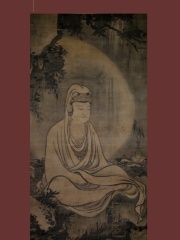
Muqi
1210 - 1270
HPI: 60.47
Место: 24
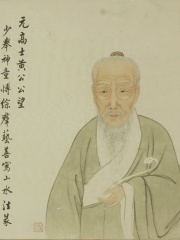
Huang Gongwang
1269 - 1354
HPI: 60.45
Место: 25
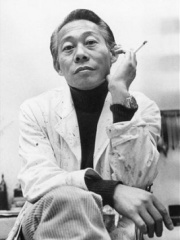
Zao Wou-Ki
1920 - 2013
HPI: 60.44
Место: 26
Wang Meng
1308 - 1385
HPI: 60.03
Место: 27
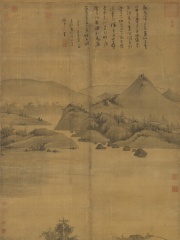
Wu Zhen
1280 - 1354
HPI: 59.67
Место: 28
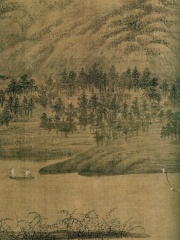
Dong Yuan
932 - 962
HPI: 59.65
Место: 29
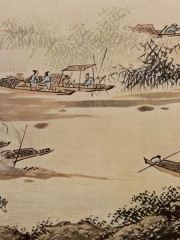
Dai Jin
1388 - 1462
HPI: 59.24
Место: 30
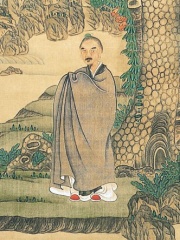
Chen Hongshou
1598 - 1652
HPI: 58.68
Место: 31
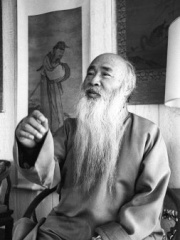
Zhang Daqian
1899 - 1983
HPI: 58.35
Место: 32
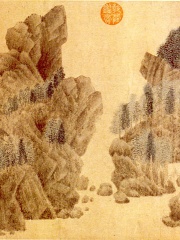
Qian Xuan
1235 - 1305
HPI: 58.17
Место: 33




