画家
Li Tang
1050 - 1130
ZH.WIKIPEDIA 页面浏览量 (PV)
 Li Tang
知名度指标
11k
页面浏览量
过去12个月
60.63
HPI
历史知名度指数
数据洞察
19
Li Tang的传记涵盖 19 个维基百科语言版本,历史知名度指数为 60.63。
Li Tang的各语言页面浏览量
在画家中
在画家中,Li Tang排名第1,108位(共2,055人)。 排在他之前的有:Vicente Juan Masip, Lorenzo Lippi, Vladimir Borovikovsky, Aelbrecht Bouts, Jeff Wall, 和Giovanni Fattori. 排在他之后的有:Dora Carrington, Othon Friesz, Francisco Bayeu y Subías, Adolf Wölfli, Jan Sanders van Hemessen, 和Antonio Tempesta.
维基百科上最受欢迎的画家
查看全部排名

Vicente Juan Masip
1505 - 1579
HPI: 60.68
排名: 1,102

Lorenzo Lippi
1606 - 1665
HPI: 60.67
排名: 1,103
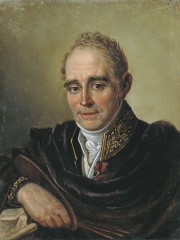
Vladimir Borovikovsky
1757 - 1825
HPI: 60.66
排名: 1,104
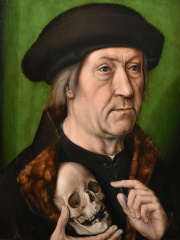
Aelbrecht Bouts
1450 - 1549
HPI: 60.66
排名: 1,105

Jeff Wall
1946 - 至今
HPI: 60.65
排名: 1,106

Giovanni Fattori
1825 - 1908
HPI: 60.64
排名: 1,107

Li Tang
1050 - 1130
HPI: 60.63
排名: 1,108
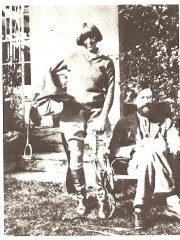
Dora Carrington
1893 - 1932
HPI: 60.62
排名: 1,109

Othon Friesz
1879 - 1949
HPI: 60.61
排名: 1,110
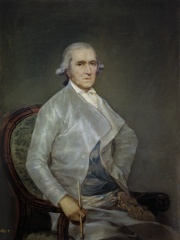
Francisco Bayeu y Subías
1734 - 1795
HPI: 60.61
排名: 1,111
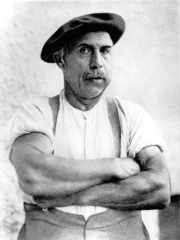
Adolf Wölfli
1864 - 1930
HPI: 60.59
排名: 1,112

Jan Sanders van Hemessen
1500 - 1566
HPI: 60.59
排名: 1,113
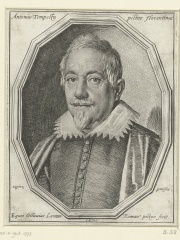
Antonio Tempesta
1555 - 1630
HPI: 60.59
排名: 1,114

同时代人物
在1050年出生的人中,Li Tang排名第20位。 排在他之前的有:Irnerius, Leopold II, Margrave of Austria, Muhammad I of Khwarazm, Aq Sunqur al-Hajib, Ahmad al-Muqtadir, 和Berthold II, Duke of Swabia. 排在他之后的有:Ingvar the Far-Travelled, Bahya ibn Paquda, Domenico Michiel, Sophia of Hungary, Anselm of Laon, 和Welf, Duke of Carinthia. 在1130年去世的人中,Li Tang排名第14位。 排在他之前的有:Aénor de Châtellerault, Al-Amir bi-Ahkam Allah, Bernard of Chartres, Margaret Fredkulla, Herman II, Margrave of Baden, 和Gaston IV, Viscount of Béarn. 排在他之后的有:Judith of Bavaria, Duchess of Swabia, Domenico Michiel, Maud, Countess of Huntingdon, 和Symeon of Durham.
其他1050年出生的人
查看全部排名
Irnerius
LAWYER
1050 - 1140
HPI: 65.79
排名: 14
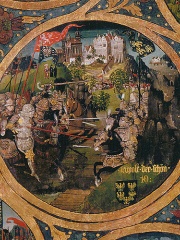
Leopold II, Margrave of Austria
POLITICIAN
1050 - 1095
HPI: 65.12
排名: 15

Muhammad I of Khwarazm
POLITICIAN
1050 - 1127
HPI: 64.64
排名: 16
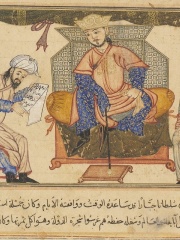
Aq Sunqur al-Hajib
POLITICIAN
1050 - 1094
HPI: 63.19
排名: 17

Ahmad al-Muqtadir
POLITICIAN
1050 - 1082
HPI: 61.65
排名: 18
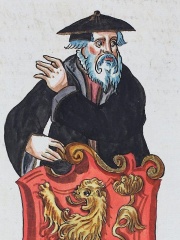
Berthold II, Duke of Swabia
POLITICIAN
1050 - 1111
HPI: 61.34
排名: 19
Li Tang
PAINTER
1050 - 1130
HPI: 60.63
排名: 20
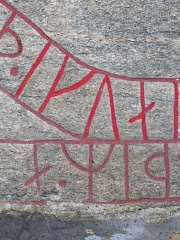
Ingvar the Far-Travelled
EXPLORER
1050 - 1041
HPI: 59.91
排名: 21

Bahya ibn Paquda
PHILOSOPHER
1050 - 1120
HPI: 59.86
排名: 22
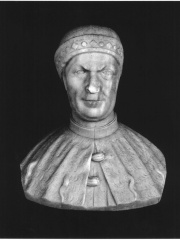
Domenico Michiel
POLITICIAN
1050 - 1130
HPI: 59.67
排名: 23

Sophia of Hungary
POLITICIAN
1050 - 1095
HPI: 58.74
排名: 24

Anselm of Laon
PHILOSOPHER
1050 - 1117
HPI: 58.32
排名: 25
Welf, Duke of Carinthia
NOBLEMAN
1050 - 1055
HPI: 57.57
排名: 26
其他1130年去世的人
查看全部排名
Aénor de Châtellerault
NOBLEMAN
1103 - 1130
HPI: 65.31
排名: 8
Al-Amir bi-Ahkam Allah
POLITICIAN
1096 - 1130
HPI: 64.08
排名: 9

Bernard of Chartres
PHILOSOPHER
1070 - 1130
HPI: 63.54
排名: 10
Margaret Fredkulla
NOBLEMAN
1080 - 1130
HPI: 62.60
排名: 11

Herman II, Margrave of Baden
NOBLEMAN
1060 - 1130
HPI: 61.55
排名: 12
Gaston IV, Viscount of Béarn
COMPANION
1074 - 1130
HPI: 61.29
排名: 13
Li Tang
PAINTER
1050 - 1130
HPI: 60.63
排名: 14

Judith of Bavaria, Duchess of Swabia
NOBLEMAN
1103 - 1130
HPI: 60.35
排名: 15
Domenico Michiel
POLITICIAN
1050 - 1130
HPI: 59.67
排名: 16

Maud, Countess of Huntingdon
COMPANION
1074 - 1130
HPI: 53.40
排名: 17

Symeon of Durham
RELIGIOUS FIGURE
1060 - 1130
HPI: 52.34
排名: 18
在中国
在出生于中国的人中,Li Tang排名第698位(共2,131人)。 排在他之前的有:Guo Zongxun (953), Lang Lang (1982), François Cheng (1929), Fritz-Julius Lemp (1913), Jiong of Xia (null), 和Zhang Ziyi (1979). 排在他之后的有:Xin Qiji (1140), Qu Qiubai (1899), Thonmi Sambhota (618), Yang Liwei (1965), Li Yuanchao (1950), 和Zhao Leji (1957).

Guo Zongxun
POLITICIAN
953 - 973
HPI: 60.73
排名: 692

Lang Lang
MUSICIAN
1982 - 至今
HPI: 60.72
排名: 693

François Cheng
WRITER
1929 - 至今
HPI: 60.71
排名: 694
Fritz-Julius Lemp
MILITARY PERSONNEL
1913 - 1941
HPI: 60.67
排名: 695

Jiong of Xia
POLITICIAN
HPI: 60.66
排名: 696

Zhang Ziyi
ACTOR
1979 - 至今
HPI: 60.64
排名: 697
Li Tang
PAINTER
1050 - 1130
HPI: 60.63
排名: 698
Xin Qiji
POLITICIAN
1140 - 1207
HPI: 60.62
排名: 699

Qu Qiubai
POLITICIAN
1899 - 1935
HPI: 60.60
排名: 700

Thonmi Sambhota
INVENTOR
618 - 658
HPI: 60.59
排名: 701

Yang Liwei
ASTRONAUT
1965 - 至今
HPI: 60.55
排名: 702
Li Yuanchao
POLITICIAN
1950 - 至今
HPI: 60.55
排名: 703

Zhao Leji
POLITICIAN
1957 - 至今
HPI: 60.53
排名: 704
在中国的画家中
在出生于中国的画家中,Li Tang排名第23位。 排在他之前的有:Xia Gui (1195), Pan Yuliang (1895), Zhang Zeduan (1085), Xu Beihong (1895), Xu Wei (1521), 和Li Cheng (919). 排在他之后的有:Muqi (1210), Huang Gongwang (1269), Zao Wou-Ki (1920), Wang Meng (1308), Wu Zhen (1280), 和Dong Yuan (932).
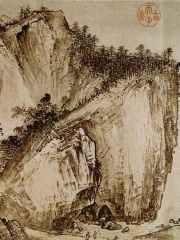
Xia Gui
1195 - 1224
HPI: 61.74
排名: 17

Pan Yuliang
1895 - 1977
HPI: 61.68
排名: 18

Zhang Zeduan
1085 - 1145
HPI: 61.59
排名: 19
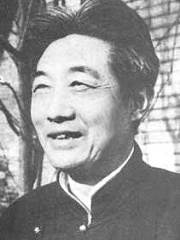
Xu Beihong
1895 - 1953
HPI: 61.17
排名: 20
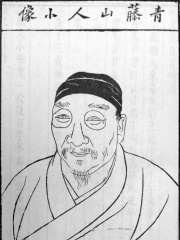
Xu Wei
1521 - 1593
HPI: 61.07
排名: 21

Li Cheng
919 - 967
HPI: 60.85
排名: 22
Li Tang
1050 - 1130
HPI: 60.63
排名: 23

Muqi
1210 - 1270
HPI: 60.47
排名: 24
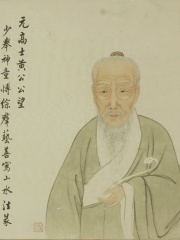
Huang Gongwang
1269 - 1354
HPI: 60.45
排名: 25

Zao Wou-Ki
1920 - 2013
HPI: 60.44
排名: 26

Wang Meng
1308 - 1385
HPI: 60.03
排名: 27

Wu Zhen
1280 - 1354
HPI: 59.67
排名: 28
Dong Yuan
932 - 962
HPI: 59.65
排名: 29




