رسام
Guo Xi
1020 - 1090

 Guo Xi
سيرته الذاتية متاحة بـ26 لغة مختلفة على ويكيبيديا. يحتل Guo Xi المرتبة 493 بين أكثر رسام شعبيةً (تقدمًا من 496 في 2024)، والمرتبة 353 بين أكثر السير الذاتية شعبيةً في الصين (تقدمًا من 376 في 2019)، كما يحتل المرتبة 4 بين أكثر رسام من الصين شعبيةً.
مقاييس الشهرة
21k
مشاهدات الصفحة
آخر 12 شهرًا
66.28
HPI
مؤشر الشعبية التاريخية
رؤى من البيانات
#15,979
بعد أكثر من 9 قرون على الوفاة، لا يزال Guo Xi في المرتبة 15,979 بين جميع الشخصيات في بانثيون.
1 يناير
Guo Xi يشارك Mary, mother of Jesus وSaint Peter وLaozi يوم الميلاد نفسه (1 يناير).
مشاهدات صفحة Guo Xi حسب اللغة
من بين رسام
من بين رسام، يحتل Guo Xi المرتبة 493 من أصل 2,023. قبله يأتي Maerten de Vos, Cennino Cennini, Théodore Chassériau, Maria Prymachenko, Matthäus Merian, وGrant Wood. بعده يأتي Giovanni Antonio Boltraffio, Eugène Atget, Arman, Francisco Pacheco, Parrhasius, وLeonor Fini.
أشهر رسام على ويكيبيديا
عرض جميع التصنيفات
Maerten de Vos
1532 - 1603
HPI: 66.38
المرتبة: 487
Cennino Cennini
1360 - 1440
HPI: 66.37
المرتبة: 488
Théodore Chassériau
1819 - 1856
HPI: 66.33
المرتبة: 489
Maria Prymachenko
1908 - 1997
HPI: 66.31
المرتبة: 490
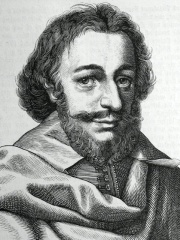
Matthäus Merian
1593 - 1650
HPI: 66.31
المرتبة: 491
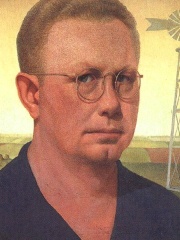
Grant Wood
1891 - 1942
HPI: 66.29
المرتبة: 492
Guo Xi
1020 - 1090
HPI: 66.28
المرتبة: 493
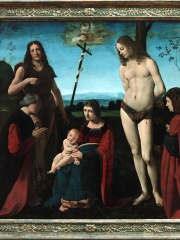
Giovanni Antonio Boltraffio
1467 - 1516
HPI: 66.28
المرتبة: 494
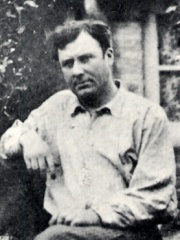
Eugène Atget
1857 - 1927
HPI: 66.25
المرتبة: 495
Arman
1928 - 2005
HPI: 66.22
المرتبة: 496
Francisco Pacheco
1564 - 1644
HPI: 66.20
المرتبة: 497

Parrhasius
500 BC - 460 BC
HPI: 66.20
المرتبة: 498

Leonor Fini
1907 - 1996
HPI: 66.19
المرتبة: 499

معاصرون
من بين المولودين في عام 1020، يحتل Guo Xi المرتبة 6. قبله يأتي Pope Gregory VII, Pope Stephen IX, Yūsuf Balasaguni, Sweyn II of Denmark, وSu Song. بعده يأتي Constantine the African, William I, Count of Burgundy, Gunhilda of Denmark, Vladimir of Novgorod, Zhang Zai, وHenry II, Count of Louvain. من بين المتوفين في عام 1090، يحتل Guo Xi المرتبة 3. قبله يأتي Michael VII Doukas, وGarcía II of Galicia. بعده يأتي Sikelgaita, Al-Sarakhsi, Snorri Thorfinnsson, Adelaide of Rheinfelden, Egbert II, Margrave of Meissen, Robert, Count of Mortain, Amatus of Montecassino, William of Poitiers, وAdelaide of Normandy.
آخرون وُلدوا في عام 1020
عرض جميع التصنيفات
Pope Gregory VII
RELIGIOUS FIGURE
1020 - 1085
HPI: 81.93
المرتبة: 1
Pope Stephen IX
RELIGIOUS FIGURE
1020 - 1058
HPI: 75.71
المرتبة: 2
Yūsuf Balasaguni
MILITARY PERSONNEL
1020 - 1075
HPI: 71.87
المرتبة: 3
Sweyn II of Denmark
POLITICIAN
1020 - 1076
HPI: 71.74
المرتبة: 4
Su Song
ENGINEER
1020 - 1101
HPI: 66.74
المرتبة: 5
Guo Xi
PAINTER
1020 - 1090
HPI: 66.28
المرتبة: 6

Constantine the African
PHYSICIAN
1020 - 1087
HPI: 64.85
المرتبة: 7

William I, Count of Burgundy
POLITICIAN
1020 - 1087
HPI: 64.68
المرتبة: 8

Gunhilda of Denmark
COMPANION
1020 - 1038
HPI: 63.00
المرتبة: 9
Vladimir of Novgorod
POLITICIAN
1020 - 1052
HPI: 62.47
المرتبة: 10
Zhang Zai
PHILOSOPHER
1020 - 1077
HPI: 62.28
المرتبة: 11

Henry II, Count of Louvain
NOBLEMAN
1020 - 1078
HPI: 62.05
المرتبة: 12
آخرون توفوا في عام 1090
عرض جميع التصنيفات
Michael VII Doukas
POLITICIAN
1050 - 1090
HPI: 74.25
المرتبة: 1
García II of Galicia
POLITICIAN
1042 - 1090
HPI: 66.54
المرتبة: 2
Guo Xi
PAINTER
1020 - 1090
HPI: 66.28
المرتبة: 3

Sikelgaita
NOBLEMAN
1040 - 1090
HPI: 62.11
المرتبة: 4

Al-Sarakhsi
LAWYER
1009 - 1090
HPI: 61.84
المرتبة: 5

Snorri Thorfinnsson
EXPLORER
1004 - 1090
HPI: 59.29
المرتبة: 6

Adelaide of Rheinfelden
COMPANION
1065 - 1090
HPI: 59.19
المرتبة: 7

Egbert II, Margrave of Meissen
POLITICIAN
1060 - 1090
HPI: 58.58
المرتبة: 8
Robert, Count of Mortain
POLITICIAN
1031 - 1090
HPI: 57.93
المرتبة: 9

Amatus of Montecassino
RELIGIOUS FIGURE
1010 - 1090
HPI: 57.90
المرتبة: 10

William of Poitiers
WRITER
1020 - 1090
HPI: 56.12
المرتبة: 11

Adelaide of Normandy
NOBLEMAN
1026 - 1090
HPI: 56.11
المرتبة: 12
في الصين
من بين المولودين في الصين، يحتل Guo Xi المرتبة 353 من أصل 1,610. قبله يأتي Emperor Guangzong of Song (1147), Meng Huo (101), Dian Wei (150), Duke Huan of Qi (-800), Xu Guangqi (1562), وJoseph Zen (1932). بعده يأتي Huo Qubing (-140), Lu Yu (733), Lady Zhen (183), Peng Liyuan (1962), Qi Jiguang (1527), وLiu Zhang (200).
آخرون وُلدوا في الصين
عرض جميع التصنيفات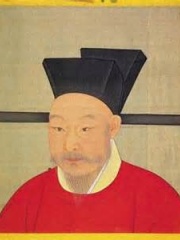
Emperor Guangzong of Song
POLITICIAN
1147 - 1200
HPI: 66.33
المرتبة: 347
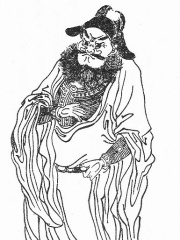
Meng Huo
SOCIAL ACTIVIST
101 - 300
HPI: 66.32
المرتبة: 348
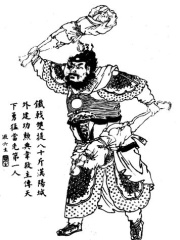
Dian Wei
POLITICIAN
150 - 197
HPI: 66.32
المرتبة: 349
Duke Huan of Qi
POLITICIAN
800 BC - 643 BC
HPI: 66.31
المرتبة: 350
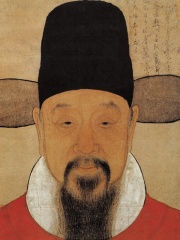
Xu Guangqi
MATHEMATICIAN
1562 - 1633
HPI: 66.30
المرتبة: 351
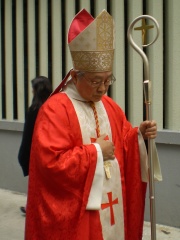
Joseph Zen
RELIGIOUS FIGURE
1932 - حتى الآن
HPI: 66.29
المرتبة: 352
Guo Xi
PAINTER
1020 - 1090
HPI: 66.28
المرتبة: 353
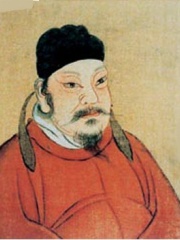
Huo Qubing
POLITICIAN
140 BC - 117 BC
HPI: 66.24
المرتبة: 354
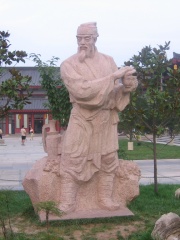
Lu Yu
WRITER
733 - 804
HPI: 66.22
المرتبة: 355
Lady Zhen
COMPANION
183 - 221
HPI: 66.13
المرتبة: 356

Peng Liyuan
SINGER
1962 - حتى الآن
HPI: 66.10
المرتبة: 357

Qi Jiguang
MILITARY PERSONNEL
1527 - 1588
HPI: 66.10
المرتبة: 358
Liu Zhang
POLITICIAN
200 - 219
HPI: 66.09
المرتبة: 359
من بين رسام في الصين
من بين رسام المولودين في الصين، يحتل Guo Xi المرتبة 4. قبله يأتي Shitao (1642), Gu Kaizhi (345), وMi Fu (1051). بعده يأتي Qi Baishi (1864), Han Gan (706), Dong Qichang (1555), Tang Yin (1470), Liang Kai (1200), Bada Shanren (1626), Wen Zhengming (1470), وShen Zhou (1427).
Shitao
1642 - 1707
HPI: 69.32
المرتبة: 1
Gu Kaizhi
345 - 406
HPI: 66.60
المرتبة: 2

Mi Fu
1051 - 1107
HPI: 66.57
المرتبة: 3
Guo Xi
1020 - 1090
HPI: 66.28
المرتبة: 4
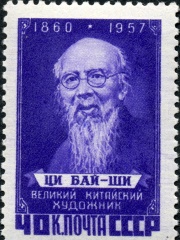
Qi Baishi
1864 - 1957
HPI: 65.83
المرتبة: 5

Han Gan
706 - 783
HPI: 63.87
المرتبة: 6
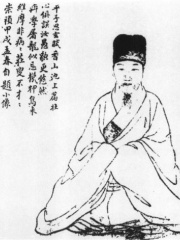
Dong Qichang
1555 - 1636
HPI: 63.84
المرتبة: 7

Tang Yin
1470 - 1524
HPI: 63.33
المرتبة: 8
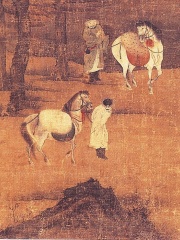
Liang Kai
1200 - 1300
HPI: 63.31
المرتبة: 9
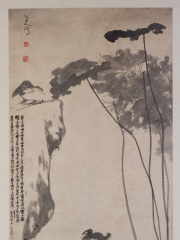
Bada Shanren
1626 - 1705
HPI: 63.17
المرتبة: 10
Wen Zhengming
1470 - 1559
HPI: 63.11
المرتبة: 11
Shen Zhou
1427 - 1509
HPI: 63.08
المرتبة: 12




