Politico
Fajsz
900 - 955
VISUALIZZAZIONI SU IT.WIKIPEDIA (PV)
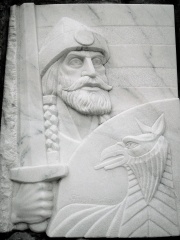
 Fajsz
Fajsz
La sua biografia è disponibile in 22 lingue su Wikipedia (in aumento rispetto a 21 nel 2024). Fajsz è il 8011° politico più popolare (in calo dal 6988° nel 2024), la 241ª biografia più popolare dell'Ungheria (in calo dal 205ª nel 2019) e il 77° politico più popolare dell'Ungheria.
Metriche di memorabilità
21k
Visualizzazioni
Ultimi 12 mesi
63.17
HPI
Indice di popolarità storica
Dati in evidenza
#24,851
A oltre 10 secoli dalla morte, Fajsz occupa ancora la posizione n. 24,851 tra tutte le personalità di Pantheon.
Visualizzazioni della pagina di Fajsz per lingua
Tra Politico
Tra Politico, Fajsz occupa la posizione 8,008 su 19,576. Prima di lui ci sono Adam Kazimierz Czartoryski, Marie Anne Mancini, Venceslau Brás, Muhyiddin Yassin, Sunjong of Goryeo, e Konrad von Feuchtwangen. Dopo di lui ci sono Adolfo de la Huerta, Oboi, Charles II August, Duke of Zweibrücken, Mus'ab ibn al-Zubayr, Nominoe, e Joseph Jenkins Roberts.
Politico più popolari su Wikipedia
Vai a tutte le classifiche
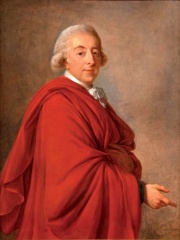
Adam Kazimierz Czartoryski
1734 - 1823
HPI: 63.17
Posizione: 8,005
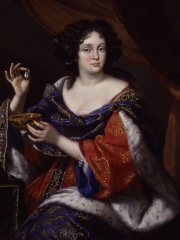
Marie Anne Mancini
1649 - 1714
HPI: 63.17
Posizione: 8,006
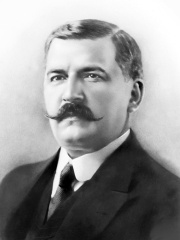
Venceslau Brás
1868 - 1966
HPI: 63.17
Posizione: 8,007
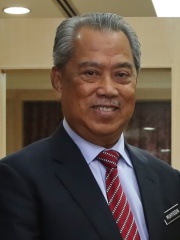
Muhyiddin Yassin
1947 - presente
HPI: 63.17
Posizione: 8,008

Sunjong of Goryeo
1047 - 1083
HPI: 63.17
Posizione: 8,009
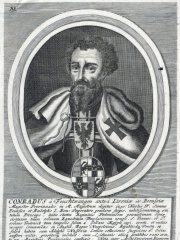
Konrad von Feuchtwangen
1230 - 1296
HPI: 63.17
Posizione: 8,010
Fajsz
900 - 955
HPI: 63.17
Posizione: 8,011
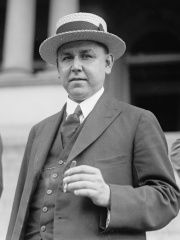
Adolfo de la Huerta
1881 - 1955
HPI: 63.17
Posizione: 8,012
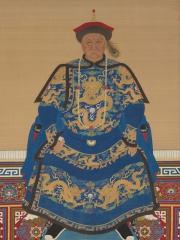
Oboi
1610 - 1669
HPI: 63.17
Posizione: 8,013
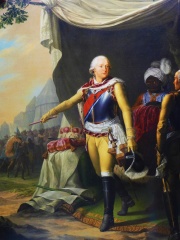
Charles II August, Duke of Zweibrücken
1746 - 1795
HPI: 63.17
Posizione: 8,014

Mus'ab ibn al-Zubayr
650 - 691
HPI: 63.17
Posizione: 8,015
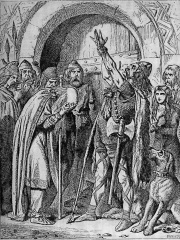
Nominoe
800 - 851
HPI: 63.17
Posizione: 8,016
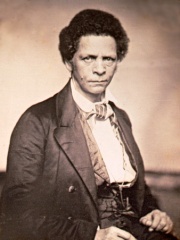
Joseph Jenkins Roberts
1809 - 1876
HPI: 63.17
Posizione: 8,017

Contemporanei
Tra le persone nate nel 900, Fajsz occupa la posizione 32. Prima di lui ci sono Alberic I of Spoleto, Symeon the Metaphrast, Hermann Billung, Olaf Guthfrithson, Gero, e Indravarman I. Dopo di lui ci sono Braslav, Duke of Lower Pannonia, Mojmir II of Moravia, Giric, Rorik of Dorestad, Leo of Tripoli, e Gilbert, Duke of Burgundy. Tra le persone decedute nel 955, Fajsz occupa la posizione 5. Prima di lui ci sono Pope Agapetus II, Eadred, Henry I, Duke of Bavaria, e Conrad, Duke of Lorraine.
Altre persone nate nel 900
Vai a tutte le classifiche
Alberic I of Spoleto
POLITICIAN
900 - 924
HPI: 64.75
Posizione: 26
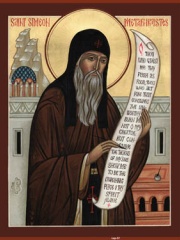
Symeon the Metaphrast
WRITER
900 - 987
HPI: 64.39
Posizione: 27
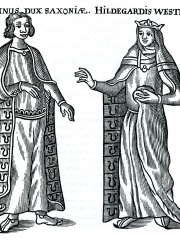
Hermann Billung
POLITICIAN
900 - 973
HPI: 64.31
Posizione: 28
Olaf Guthfrithson
POLITICIAN
900 - 941
HPI: 64.20
Posizione: 29
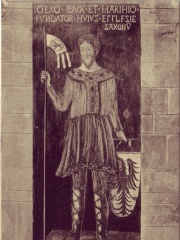
Gero
POLITICIAN
900 - 965
HPI: 63.77
Posizione: 30

Indravarman I
POLITICIAN
900 - 890
HPI: 63.65
Posizione: 31
Fajsz
POLITICIAN
900 - 955
HPI: 63.17
Posizione: 32

Braslav, Duke of Lower Pannonia
POLITICIAN
900 - 897
HPI: 63.05
Posizione: 33
Mojmir II of Moravia
POLITICIAN
900 - 906
HPI: 63.00
Posizione: 34
Giric
POLITICIAN
900 - 889
HPI: 62.55
Posizione: 35
Rorik of Dorestad
NOBLEMAN
900 - 882
HPI: 62.39
Posizione: 36
Leo of Tripoli
MILITARY PERSONNEL
900 - 1000
HPI: 62.30
Posizione: 37

Gilbert, Duke of Burgundy
NOBLEMAN
900 - 956
HPI: 62.30
Posizione: 38
Altre persone decedute nel 955
Vai a tutte le classifiche
Pope Agapetus II
RELIGIOUS FIGURE
900 - 955
HPI: 74.45
Posizione: 1
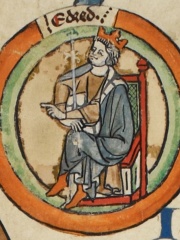
Eadred
POLITICIAN
923 - 955
HPI: 69.51
Posizione: 2
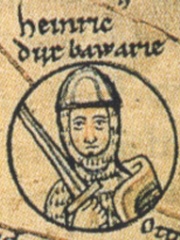
Henry I, Duke of Bavaria
POLITICIAN
920 - 955
HPI: 68.09
Posizione: 3
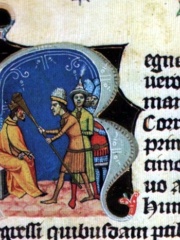
Conrad, Duke of Lorraine
POLITICIAN
922 - 955
HPI: 66.99
Posizione: 4
Fajsz
POLITICIAN
900 - 955
HPI: 63.17
Posizione: 5
In Ungheria
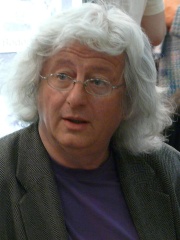
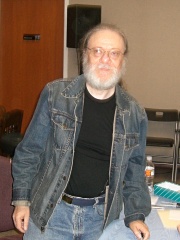
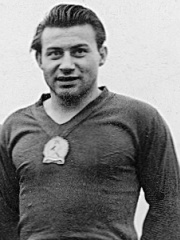
Tra le persone nate in Ungheria, Fajsz occupa la posizione 241 su 1,077. Prima di lui ci sono Andrew Grove (1936), William Fox (1879), Jenő Buzánszky (1925), Eugene Ormandy (1899), Ödön Lechner (1845), e Péter Esterházy (1950). Dopo di lui ci sono Tommy Ramone (1949), Marta Eggerth (1912), Tivadar Soros (1894), László Budai (1928), Joseph Szigeti (1892), e Alfréd Schaffer (1893).
Altre persone nate in Ungheria
Vai a tutte le classifiche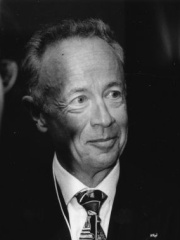
Andrew Grove
BUSINESSPERSON
1936 - 2016
HPI: 63.27
Posizione: 235
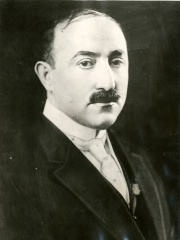
William Fox
PRODUCER
1879 - 1952
HPI: 63.27
Posizione: 236
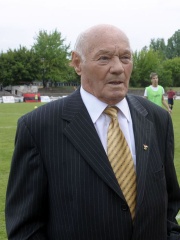
Jenő Buzánszky
SOCCER PLAYER
1925 - 2015
HPI: 63.27
Posizione: 237
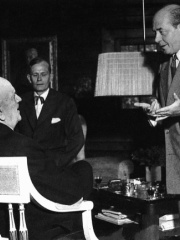
Eugene Ormandy
MUSICIAN
1899 - 1985
HPI: 63.24
Posizione: 238
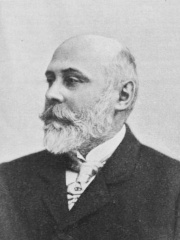
Ödön Lechner
ARCHITECT
1845 - 1914
HPI: 63.24
Posizione: 239
Péter Esterházy
WRITER
1950 - 2016
HPI: 63.22
Posizione: 240
Fajsz
POLITICIAN
900 - 955
HPI: 63.17
Posizione: 241
Tommy Ramone
MUSICIAN
1949 - 2014
HPI: 63.14
Posizione: 242

Marta Eggerth
ACTOR
1912 - 2013
HPI: 63.13
Posizione: 243
Tivadar Soros
LAWYER
1894 - 1968
HPI: 63.09
Posizione: 244
László Budai
SOCCER PLAYER
1928 - 1983
HPI: 63.06
Posizione: 245
Joseph Szigeti
COMPOSER
1892 - 1973
HPI: 63.05
Posizione: 246

Alfréd Schaffer
SOCCER PLAYER
1893 - 1945
HPI: 63.01
Posizione: 247
Tra Politico in Ungheria
Tra Politico nati in Ungheria, Fajsz occupa la posizione 77. Prima di lui ci sono Ferenc Gyulay (1799), Stephan Burián von Rajecz (1851), Teddy Kollek (1911), Ingenuus (200), László Bárdossy (1890), e Chaka of Bulgaria (1210). Dopo di lui ci sono András Hegedüs (1922), Miklós Kállay (1887), László Kövér (1959), Margaret of Hungary (1175), Mátyás Szűrös (1933), e József Antall (1932).
Ferenc Gyulay
1799 - 1868
HPI: 63.66
Posizione: 71
Stephan Burián von Rajecz
1851 - 1922
HPI: 63.63
Posizione: 72
Teddy Kollek
1911 - 2007
HPI: 63.56
Posizione: 73
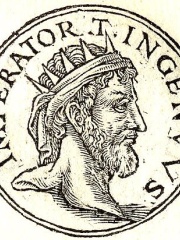
Ingenuus
200 - 260
HPI: 63.50
Posizione: 74
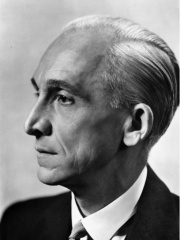
László Bárdossy
1890 - 1946
HPI: 63.40
Posizione: 75
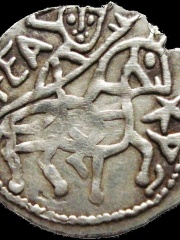
Chaka of Bulgaria
1210 - 1300
HPI: 63.40
Posizione: 76
Fajsz
900 - 955
HPI: 63.17
Posizione: 77
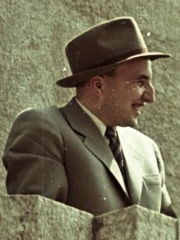
András Hegedüs
1922 - 1999
HPI: 62.98
Posizione: 78
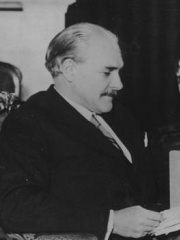
Miklós Kállay
1887 - 1967
HPI: 62.79
Posizione: 79
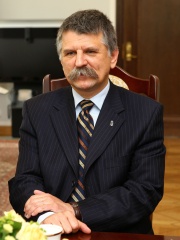
László Kövér
1959 - presente
HPI: 62.61
Posizione: 80

Margaret of Hungary
1175 - 1223
HPI: 62.55
Posizione: 81
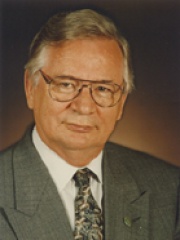
Mátyás Szűrös
1933 - presente
HPI: 62.53
Posizione: 82

József Antall
1932 - 1993
HPI: 62.47
Posizione: 83




