Politicus
Hulagu Khan
1217 - 1265
NL.WIKIPEDIA-PAGINAWEERGAVEN (PV)
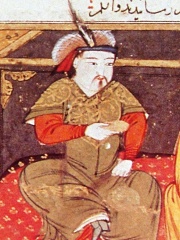
 Hulagu Khan
Zijn biografie is beschikbaar in 76 verschillende talen op Wikipedia (toegenomen van 74 in 2024). Hulagu Khan staat op plaats 144 onder de meest populaire politicus (gestegen van plaats 152 in 2024), plaats 2 onder de meest populaire biografieën uit Mongolië en op de eerste plaats onder de populairste politicus uit Mongolië.
Bekendheidsstatistieken
600k
Paginaweergaven
Afgelopen 12 maanden
84.69
HPI
Historische populariteitsindex
Paginaweergaven van Hulagu Khan per taal
Onder Politicus
Onder Politicus staat Hulagu Khan op plaats 144 van 19,576. Vóór hem staan Tiberius, Harald Hardrada, George W. Bush, Philip II of Spain, Hurrem Sultan, en Hassanal Bolkiah. Na hem komen Murad II, Louis XVIII of France, Sulla, Claudius, Hadrian, en Pontius Pilate.
Populairste Politicus op Wikipedia
Naar alle ranglijsten
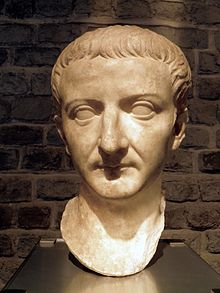
Tiberius
42 BC - 37
HPI: 84.83
Plaats: 138
Harald Hardrada
1015 - 1066
HPI: 84.83
Plaats: 139
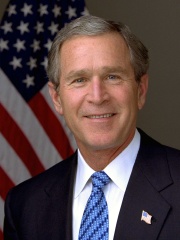
George W. Bush
1946 - heden
HPI: 84.81
Plaats: 140
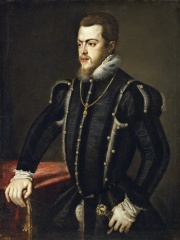
Philip II of Spain
1527 - 1598
HPI: 84.79
Plaats: 141
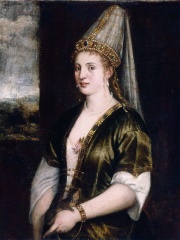
Hurrem Sultan
1502 - 1558
HPI: 84.73
Plaats: 142
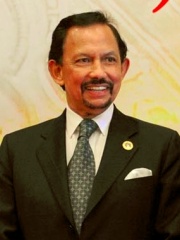
Hassanal Bolkiah
1946 - heden
HPI: 84.69
Plaats: 143
Hulagu Khan
1217 - 1265
HPI: 84.69
Plaats: 144
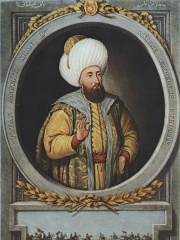
Murad II
1404 - 1451
HPI: 84.67
Plaats: 145
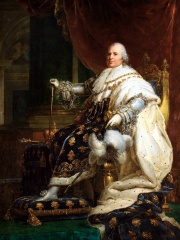
Louis XVIII of France
1755 - 1824
HPI: 84.65
Plaats: 146
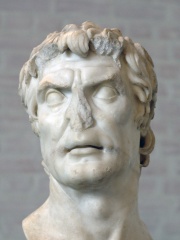
Sulla
138 BC - 78 BC
HPI: 84.65
Plaats: 147
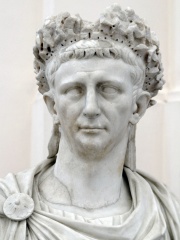
Claudius
10 BC - 54
HPI: 84.64
Plaats: 148
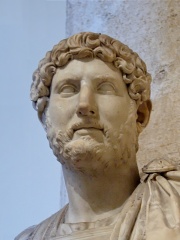
Hadrian
76 - 138
HPI: 84.58
Plaats: 149
Pontius Pilate
12 BC - 38
HPI: 84.56
Plaats: 150

Tijdgenoten
Onder de mensen geboren in 1217 staat Hulagu Khan op plaats 1. Na hem komen Baldwin II, Latin Emperor, Henry V, Count of Luxembourg, George Akropolites, Henry I of Cyprus, John I, Duke of Brittany, Henry of Ghent, en Bolesław II the Horned. Onder de mensen overleden in 1265 staat Hulagu Khan op plaats 1. Na hem komen Simon de Montfort, 6th Earl of Leicester, Fariduddin Ganjshakar, Doquz Khatun, Simon Stock, Mubarak Shah, Jean de Chelles, Ulrich I, Count of Württemberg, Anne of Bohemia, Duchess of Silesia, Kilij Arslan IV, en Arsenios Autoreianos.
Anderen geboren in 1217
Naar alle ranglijstenHulagu Khan
POLITICIAN
1217 - 1265
HPI: 84.69
Plaats: 1
Baldwin II, Latin Emperor
POLITICIAN
1217 - 1273
HPI: 74.80
Plaats: 2
Henry V, Count of Luxembourg
POLITICIAN
1217 - 1281
HPI: 70.65
Plaats: 3

George Akropolites
POLITICIAN
1217 - 1282
HPI: 66.39
Plaats: 4
Henry I of Cyprus
POLITICIAN
1217 - 1253
HPI: 64.57
Plaats: 5
John I, Duke of Brittany
POLITICIAN
1217 - 1286
HPI: 62.32
Plaats: 6

Henry of Ghent
PHILOSOPHER
1217 - 1293
HPI: 61.97
Plaats: 7
Bolesław II the Horned
POLITICIAN
1217 - 1278
HPI: 60.06
Plaats: 8
Anderen overleden in 1265
Naar alle ranglijstenHulagu Khan
POLITICIAN
1217 - 1265
HPI: 84.69
Plaats: 1
Simon de Montfort, 6th Earl of Leicester
SOCIAL ACTIVIST
1208 - 1265
HPI: 68.13
Plaats: 2
Fariduddin Ganjshakar
RELIGIOUS FIGURE
1178 - 1265
HPI: 68.11
Plaats: 3
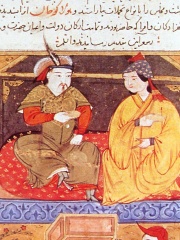
Doquz Khatun
POLITICIAN
1200 - 1265
HPI: 66.23
Plaats: 4
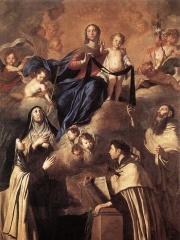
Simon Stock
RELIGIOUS FIGURE
1164 - 1265
HPI: 63.85
Plaats: 5

Mubarak Shah
POLITICIAN
1250 - 1265
HPI: 63.29
Plaats: 6
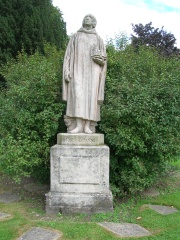
Jean de Chelles
SCULPTOR
1200 - 1265
HPI: 63.29
Plaats: 7
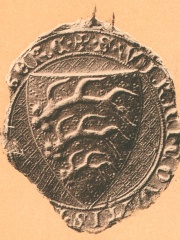
Ulrich I, Count of Württemberg
NOBLEMAN
1226 - 1265
HPI: 61.14
Plaats: 8
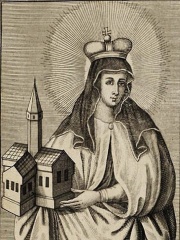
Anne of Bohemia, Duchess of Silesia
RELIGIOUS FIGURE
1204 - 1265
HPI: 60.89
Plaats: 9
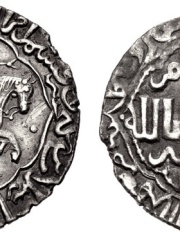
Kilij Arslan IV
POLITICIAN
HPI: 60.47
Plaats: 10

Arsenios Autoreianos
RELIGIOUS FIGURE
1200 - 1265
HPI: 60.19
Plaats: 11
In Mongolië
Onder de mensen geboren in Mongolië staat Hulagu Khan op plaats 2 van NaN. Vóór hem staat Genghis Khan (1162). Na hem komen Jochi (1181), Batu Khan (1207), Chagatai Khan (1183), Tolui (1191), Subutai (1175), Modu Chanyu (-234), Berke (1209), Börte (1161), Ariq Böke (1219), en Abaqa Khan (1234).
Anderen geboren in Mongolië
Naar alle ranglijsten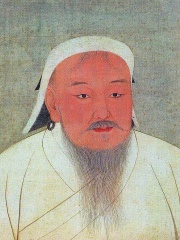
Genghis Khan
MILITARY PERSONNEL
1162 - 1227
HPI: 98.43
Plaats: 1
Hulagu Khan
POLITICIAN
1217 - 1265
HPI: 84.69
Plaats: 2
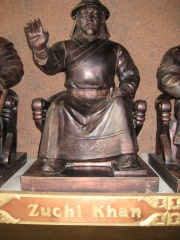
Jochi
MILITARY PERSONNEL
1181 - 1227
HPI: 81.23
Plaats: 3
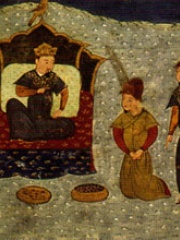
Batu Khan
POLITICIAN
1207 - 1255
HPI: 81.22
Plaats: 4
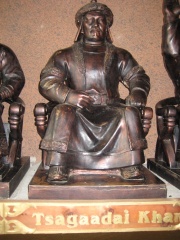
Chagatai Khan
POLITICIAN
1183 - 1242
HPI: 79.21
Plaats: 5
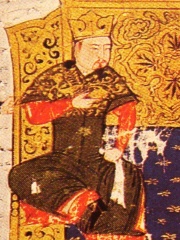
Tolui
POLITICIAN
1191 - 1232
HPI: 79.05
Plaats: 6
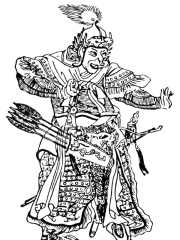
Subutai
MILITARY PERSONNEL
1175 - 1248
HPI: 75.70
Plaats: 7
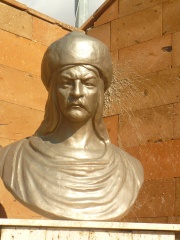
Modu Chanyu
POLITICIAN
234 BC - 174 BC
HPI: 75.23
Plaats: 8
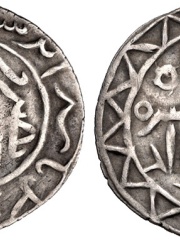
Berke
POLITICIAN
1209 - 1266
HPI: 75.07
Plaats: 9
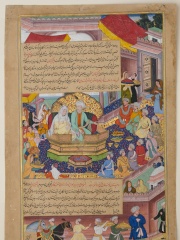
Börte
POLITICIAN
1161 - 1230
HPI: 74.50
Plaats: 10
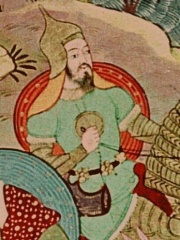
Ariq Böke
POLITICIAN
1219 - 1266
HPI: 73.98
Plaats: 11
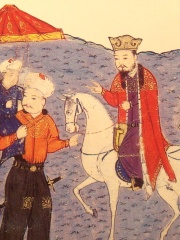
Abaqa Khan
POLITICIAN
1234 - 1282
HPI: 73.66
Plaats: 12
Onder Politicus in Mongolië
Onder Politicus geboren in Mongolië staat Hulagu Khan op plaats 1. Na hem komen Batu Khan (1207), Chagatai Khan (1183), Tolui (1191), Modu Chanyu (-234), Berke (1209), Börte (1161), Ariq Böke (1219), Abaqa Khan (1234), Toghrul (1130), Jebe (1137), en Damdin Sükhbaatar (1893).
Hulagu Khan
1217 - 1265
HPI: 84.69
Plaats: 1
Batu Khan
1207 - 1255
HPI: 81.22
Plaats: 2
Chagatai Khan
1183 - 1242
HPI: 79.21
Plaats: 3
Tolui
1191 - 1232
HPI: 79.05
Plaats: 4
Modu Chanyu
234 BC - 174 BC
HPI: 75.23
Plaats: 5
Berke
1209 - 1266
HPI: 75.07
Plaats: 6
Börte
1161 - 1230
HPI: 74.50
Plaats: 7
Ariq Böke
1219 - 1266
HPI: 73.98
Plaats: 8
Abaqa Khan
1234 - 1282
HPI: 73.66
Plaats: 9
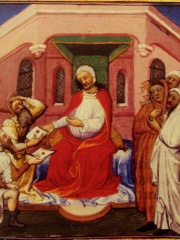
Toghrul
1130 - 1203
HPI: 72.19
Plaats: 10

Jebe
1137 - 1225
HPI: 71.90
Plaats: 11
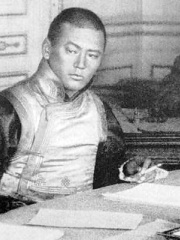
Damdin Sükhbaatar
1893 - 1923
HPI: 70.61
Plaats: 12




