Politicus
Berke
1209 - 1266
NL.WIKIPEDIA-PAGINAWEERGAVEN (PV)
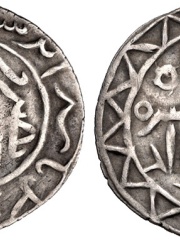
 Berke
Berke
Zijn biografie is beschikbaar in 44 verschillende talen op Wikipedia (toegenomen van 41 in 2024). Berke staat op plaats 1.183 onder de meest populaire politicus (gedaald van plaats 826 in 2024), plaats 9 onder de meest populaire biografieën uit Mongolië (gedaald van plaats 8 in 2019) en op plaats 6 onder de populairste politicus uit Mongolië.
Bekendheidsstatistieken
250k
Paginaweergaven
Afgelopen 12 maanden
75.07
HPI
Historische populariteitsindex
Data-inzichten
#1,183 / 20k
Berke staat op plaats 1,183 van 20,022 Politicus wereldwijd, bij de beste 6% van het vak.
Paginaweergaven van Berke per taal
Onder Politicus
Onder Politicus staat Berke op plaats 1,183 van 20,022. Vóór hem staan Marie Louise d’Orléans, Dagobert I, Balbinus, Abel, King of Denmark, János Kádár, en Charles I of Hungary. Na hem komen William Howard Taft, Prince Richard, Duke of Gloucester, Marcian, Chandragupta I, Sigismund I the Old, en Cao Pi.
Populairste Politicus op Wikipedia
Naar alle ranglijsten
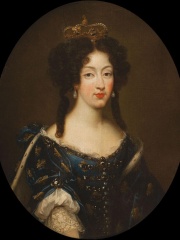
Marie Louise d’Orléans
1662 - 1689
HPI: 75.10
Plaats: 1,177
Dagobert I
611 - 639
HPI: 75.10
Plaats: 1,178

Balbinus
178 - 238
HPI: 75.09
Plaats: 1,179
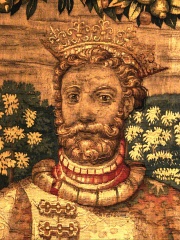
Abel, King of Denmark
1218 - 1252
HPI: 75.08
Plaats: 1,180
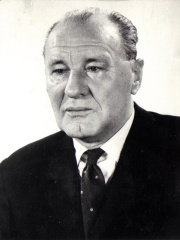
János Kádár
1912 - 1989
HPI: 75.08
Plaats: 1,181
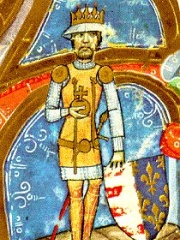
Charles I of Hungary
1288 - 1342
HPI: 75.08
Plaats: 1,182
Berke
1209 - 1266
HPI: 75.07
Plaats: 1,183
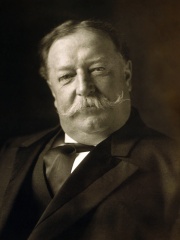
William Howard Taft
1857 - 1930
HPI: 75.07
Plaats: 1,184
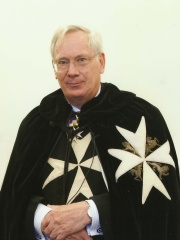
Prince Richard, Duke of Gloucester
1944 - heden
HPI: 75.07
Plaats: 1,185
Marcian
396 - 457
HPI: 75.07
Plaats: 1,186
Chandragupta I
250 - 335
HPI: 75.07
Plaats: 1,187
Sigismund I the Old
1467 - 1548
HPI: 75.06
Plaats: 1,188
Cao Pi
187 - 226
HPI: 75.06
Plaats: 1,189

Tijdgenoten
Onder de mensen geboren in 1209 staat Berke op plaats 2. Vóór hem staat Möngke Khan. Na hem komen Richard of Cornwall, Sancho II of Portugal, Haji Bektash Veli, en Valdemar the Young. Onder de mensen overleden in 1266 staat Berke op plaats 1. Na hem komen Ariq Böke, Manfred, King of Sicily, Birger Jarl, Shiban, Andronikos II of Trebizond, Alghu, John I, Margrave of Brandenburg, Henry III the White, Hugh, Count of Burgundy, Abu Hafs Umar al-Murtada, en Odo, Count of Nevers.
Anderen geboren in 1209
Naar alle ranglijsten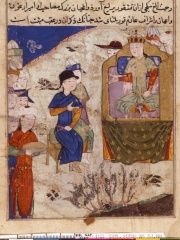
Möngke Khan
POLITICIAN
1209 - 1259
HPI: 82.42
Plaats: 1
Berke
POLITICIAN
1209 - 1266
HPI: 75.07
Plaats: 2
Richard of Cornwall
POLITICIAN
1209 - 1272
HPI: 74.31
Plaats: 3
Sancho II of Portugal
POLITICIAN
1209 - 1248
HPI: 69.70
Plaats: 4
Haji Bektash Veli
PHILOSOPHER
1209 - 1271
HPI: 68.44
Plaats: 5
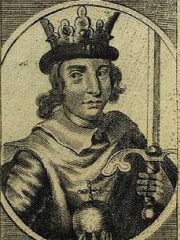
Valdemar the Young
POLITICIAN
1209 - 1231
HPI: 61.59
Plaats: 6
Anderen overleden in 1266
Naar alle ranglijstenBerke
POLITICIAN
1209 - 1266
HPI: 75.07
Plaats: 1
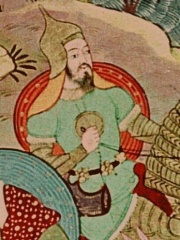
Ariq Böke
POLITICIAN
1219 - 1266
HPI: 73.98
Plaats: 2
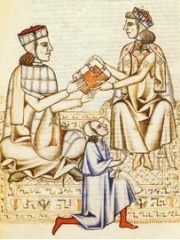
Manfred, King of Sicily
POLITICIAN
1232 - 1266
HPI: 72.17
Plaats: 3
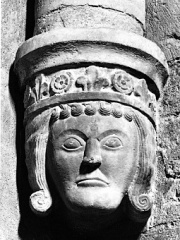
Birger Jarl
POLITICIAN
1210 - 1266
HPI: 71.37
Plaats: 4
Shiban
POLITICIAN
1200 - 1266
HPI: 66.19
Plaats: 5
Andronikos II of Trebizond
POLITICIAN
1240 - 1266
HPI: 63.09
Plaats: 6
Alghu
POLITICIAN
1250 - 1266
HPI: 62.75
Plaats: 7
John I, Margrave of Brandenburg
POLITICIAN
1213 - 1266
HPI: 61.61
Plaats: 8
Henry III the White
POLITICIAN
1222 - 1266
HPI: 60.24
Plaats: 9
Hugh, Count of Burgundy
NOBLEMAN
1220 - 1266
HPI: 58.08
Plaats: 10
Abu Hafs Umar al-Murtada
POLITICIAN
HPI: 56.33
Plaats: 11
Odo, Count of Nevers
NOBLEMAN
1230 - 1266
HPI: 56.05
Plaats: 12
In Mongolië
Onder de mensen geboren in Mongolië staat Berke op plaats 9 van 108. Vóór hem staan Jochi (1181), Batu Khan (1207), Chagatai Khan (1183), Tolui (1191), Subutai (1175), en Modu Chanyu (-234). Na hem komen Börte (1161), Ariq Böke (1219), Abaqa Khan (1234), Toghrul (1130), Jebe (1137), en Sorghaghtani Beki (1190).
Anderen geboren in Mongolië
Naar alle ranglijsten
Jochi
MILITARY PERSONNEL
1181 - 1227
HPI: 81.23
Plaats: 3
Batu Khan
POLITICIAN
1207 - 1255
HPI: 81.22
Plaats: 4
Chagatai Khan
POLITICIAN
1183 - 1242
HPI: 79.21
Plaats: 5
Tolui
POLITICIAN
1191 - 1232
HPI: 79.05
Plaats: 6
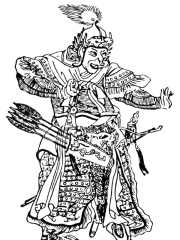
Subutai
MILITARY PERSONNEL
1175 - 1248
HPI: 75.70
Plaats: 7
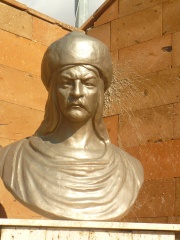
Modu Chanyu
POLITICIAN
234 BC - 174 BC
HPI: 75.23
Plaats: 8
Berke
POLITICIAN
1209 - 1266
HPI: 75.07
Plaats: 9
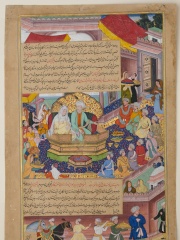
Börte
POLITICIAN
1161 - 1230
HPI: 74.50
Plaats: 10
Ariq Böke
POLITICIAN
1219 - 1266
HPI: 73.98
Plaats: 11
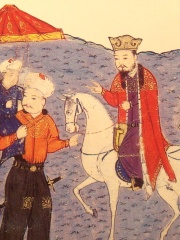
Abaqa Khan
POLITICIAN
1234 - 1282
HPI: 73.66
Plaats: 12
Toghrul
POLITICIAN
1130 - 1203
HPI: 72.19
Plaats: 13

Jebe
POLITICIAN
1137 - 1225
HPI: 71.90
Plaats: 14
Sorghaghtani Beki
NOBLEMAN
1190 - 1252
HPI: 71.23
Plaats: 15
Onder Politicus in Mongolië
Onder Politicus geboren in Mongolië staat Berke op plaats 6. Vóór hem staan Hulagu Khan (1217), Batu Khan (1207), Chagatai Khan (1183), Tolui (1191), en Modu Chanyu (-234). Na hem komen Börte (1161), Ariq Böke (1219), Abaqa Khan (1234), Toghrul (1130), Jebe (1137), en Damdin Sükhbaatar (1893).
Hulagu Khan
1217 - 1265
HPI: 84.69
Plaats: 1
Batu Khan
1207 - 1255
HPI: 81.22
Plaats: 2
Chagatai Khan
1183 - 1242
HPI: 79.21
Plaats: 3
Tolui
1191 - 1232
HPI: 79.05
Plaats: 4
Modu Chanyu
234 BC - 174 BC
HPI: 75.23
Plaats: 5
Berke
1209 - 1266
HPI: 75.07
Plaats: 6
Börte
1161 - 1230
HPI: 74.50
Plaats: 7
Ariq Böke
1219 - 1266
HPI: 73.98
Plaats: 8
Abaqa Khan
1234 - 1282
HPI: 73.66
Plaats: 9
Toghrul
1130 - 1203
HPI: 72.19
Plaats: 10
Jebe
1137 - 1225
HPI: 71.90
Plaats: 11
Damdin Sükhbaatar
1893 - 1923
HPI: 70.61
Plaats: 12




