فيلسوف
Elena Cornaro Piscopia
1646 - 1684
AR.WIKIPEDIA PAGE VIEWS (PV)
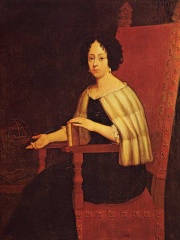
 Elena Cornaro Piscopia
سيرتها الذاتية متاحة بـ46 لغة مختلفة على ويكيبيديا (زيادة من 45 في 2024). يحتل Elena Cornaro Piscopia المرتبة 312 بين أكثر فيلسوف شعبيةً (تقدمًا من 335 في 2024)، والمرتبة 886 بين أكثر السير الذاتية شعبيةً في إيطاليا (تقدمًا من 919 في 2019)، كما يحتل المرتبة 24 بين أكثر فيلسوف من إيطاليا شعبيةً.
Memorability Metrics
52k
Page Views
Past 12 months
70.48
HPI
Historical Popularity Index
Page views of Elena Cornaro Piscopia by language
Among فيلسوف
Among فيلسوف, Elena Cornaro Piscopia ranks 312 out of 1,267. Before her are Anacharsis, Chilon of Sparta, Synesius, Roscellinus, Georges Sorel, and Henri Lefebvre. After her are Félix Guattari, Lucien Lévy-Bruhl, Alfred Schütz, Abu Yusuf, Mazdak, and Pietro Pomponazzi.
Most Popular فيلسوف in Wikipedia
Go to all Rankings
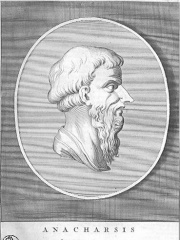
Anacharsis
700 BC - 600 BC
HPI: 70.65
Rank: 306
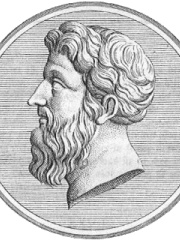
Chilon of Sparta
600 BC - 520 BC
HPI: 70.60
Rank: 307
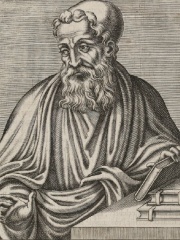
Synesius
370 - 413
HPI: 70.59
Rank: 308

Roscellinus
1050 - 1121
HPI: 70.57
Rank: 309
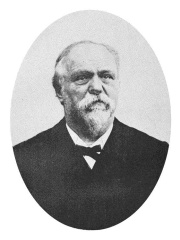
Georges Sorel
1847 - 1922
HPI: 70.56
Rank: 310
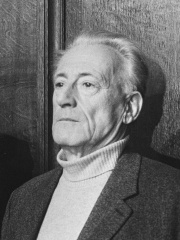
Henri Lefebvre
1901 - 1991
HPI: 70.49
Rank: 311
Elena Cornaro Piscopia
1646 - 1684
HPI: 70.48
Rank: 312
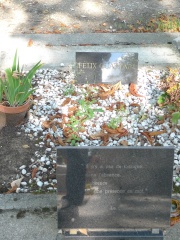
Félix Guattari
1930 - 1992
HPI: 70.44
Rank: 313
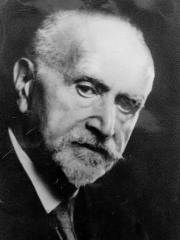
Lucien Lévy-Bruhl
1857 - 1939
HPI: 70.40
Rank: 314
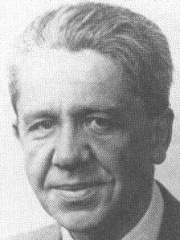
Alfred Schütz
1899 - 1959
HPI: 70.35
Rank: 315

Abu Yusuf
731 - 798
HPI: 70.34
Rank: 316
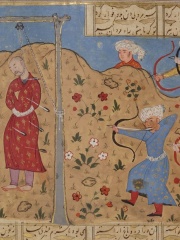
Mazdak
450 - 529
HPI: 70.30
Rank: 317
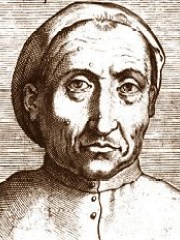
Pietro Pomponazzi
1462 - 1525
HPI: 70.27
Rank: 318

Contemporaries
Among people born in 1646, Elena Cornaro Piscopia ranks 5. Before her are Gottfried Wilhelm Leibniz, Christian V of Denmark, Ismail Ibn Sharif, and John Flamsteed. After her are Antoine Galland, Jules Hardouin-Mansart, Tokugawa Tsunayoshi, Godfrey Kneller, Maria Francisca of Savoy, Hortense Mancini, and Charles Plumier. Among people deceased in 1684, Elena Cornaro Piscopia ranks 5. Before her are Pierre Corneille, Roger Williams, Pieter de Hooch, and Edme Mariotte. After her are Nicola Amati, Jan Davidsz. de Heem, Anne Gonzaga, Josefa de Óbidos, Karl Eusebius, Prince of Liechtenstein, Antoine Gombaud, and Duchess Marie Elisabeth of Saxony.
Others Born in 1646
Go to all Rankings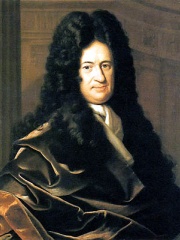
Gottfried Wilhelm Leibniz
MATHEMATICIAN
1646 - 1716
HPI: 92.00
Rank: 1
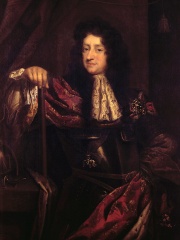
Christian V of Denmark
POLITICIAN
1646 - 1699
HPI: 74.25
Rank: 2
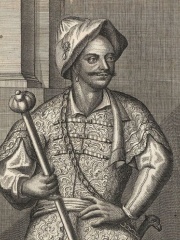
Ismail Ibn Sharif
POLITICIAN
1646 - 1727
HPI: 72.19
Rank: 3
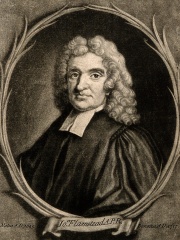
John Flamsteed
ASTRONOMER
1646 - 1719
HPI: 70.98
Rank: 4
Elena Cornaro Piscopia
PHILOSOPHER
1646 - 1684
HPI: 70.48
Rank: 5
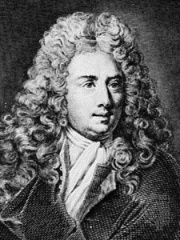
Antoine Galland
WRITER
1646 - 1715
HPI: 70.17
Rank: 6
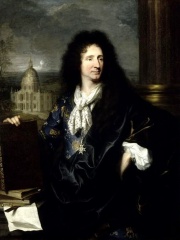
Jules Hardouin-Mansart
ARCHITECT
1646 - 1708
HPI: 69.72
Rank: 7
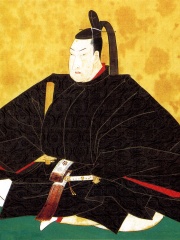
Tokugawa Tsunayoshi
POLITICIAN
1646 - 1709
HPI: 67.91
Rank: 8
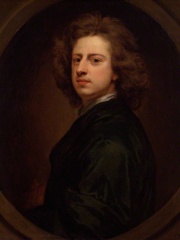
Godfrey Kneller
PAINTER
1646 - 1723
HPI: 67.09
Rank: 9
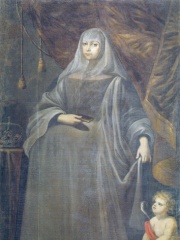
Maria Francisca of Savoy
COMPANION
1646 - 1683
HPI: 65.96
Rank: 10
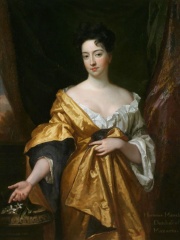
Hortense Mancini
POLITICIAN
1646 - 1699
HPI: 63.91
Rank: 11
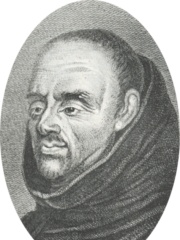
Charles Plumier
BIOLOGIST
1646 - 1704
HPI: 62.55
Rank: 12
Others Deceased in 1684
Go to all Rankings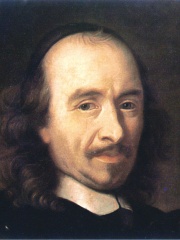
Pierre Corneille
WRITER
1606 - 1684
HPI: 76.18
Rank: 1
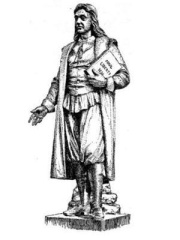
Roger Williams
POLITICIAN
1603 - 1684
HPI: 73.12
Rank: 2
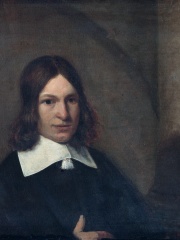
Pieter de Hooch
PAINTER
1629 - 1684
HPI: 72.19
Rank: 3
Edme Mariotte
PHYSICIST
1620 - 1684
HPI: 70.69
Rank: 4
Elena Cornaro Piscopia
PHILOSOPHER
1646 - 1684
HPI: 70.48
Rank: 5
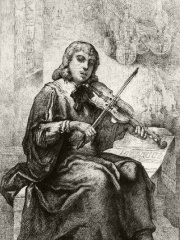
Nicola Amati
POLITICIAN
1596 - 1684
HPI: 67.68
Rank: 6
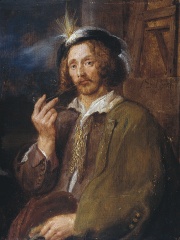
Jan Davidsz. de Heem
PAINTER
1606 - 1684
HPI: 65.39
Rank: 7
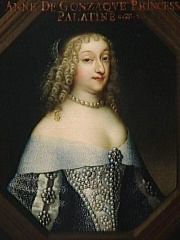
Anne Gonzaga
POLITICIAN
1616 - 1684
HPI: 65.30
Rank: 8

Josefa de Óbidos
PAINTER
1630 - 1684
HPI: 64.57
Rank: 9
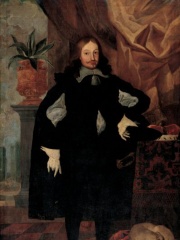
Karl Eusebius, Prince of Liechtenstein
POLITICIAN
1611 - 1684
HPI: 64.14
Rank: 10

Antoine Gombaud
MATHEMATICIAN
1607 - 1684
HPI: 62.94
Rank: 11
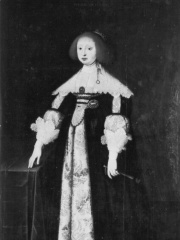
Duchess Marie Elisabeth of Saxony
POLITICIAN
1610 - 1684
HPI: 60.86
Rank: 12
In إيطاليا
Among people born in إيطاليا, Elena Cornaro Piscopia ranks 886 out of NaN. Before her are Epicharmus of Kos (-524), Ulisse Aldrovandi (1522), Sebastiano del Piombo (1485), Filippo Maria Visconti (1392), Joseph of Cupertino (1603), and Paolo Borsellino (1940). After her are Rosalba Carriera (1673), Berengar II of Italy (900), Galeazzo Maria Sforza (1444), Alfonso II d'Este, Duke of Ferrara (1533), Constance of Sicily, Queen of Aragon (1249), and Beatrice d'Este (1475).
Others born in إيطاليا
Go to all Rankings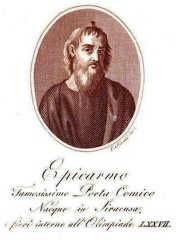
Epicharmus of Kos
WRITER
524 BC - 435 BC
HPI: 70.55
Rank: 880
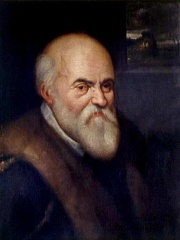
Ulisse Aldrovandi
BIOLOGIST
1522 - 1605
HPI: 70.54
Rank: 881
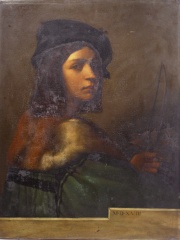
Sebastiano del Piombo
PAINTER
1485 - 1547
HPI: 70.53
Rank: 882
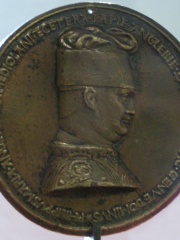
Filippo Maria Visconti
POLITICIAN
1392 - 1447
HPI: 70.53
Rank: 883

Joseph of Cupertino
RELIGIOUS FIGURE
1603 - 1663
HPI: 70.52
Rank: 884
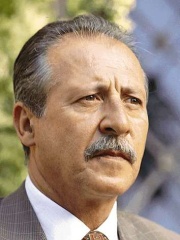
Paolo Borsellino
JUDGE
1940 - 1992
HPI: 70.49
Rank: 885
Elena Cornaro Piscopia
PHILOSOPHER
1646 - 1684
HPI: 70.48
Rank: 886
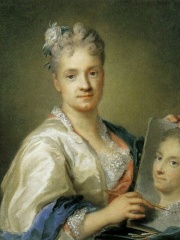
Rosalba Carriera
PAINTER
1673 - 1757
HPI: 70.47
Rank: 887
Berengar II of Italy
POLITICIAN
900 - 966
HPI: 70.44
Rank: 888
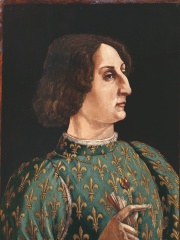
Galeazzo Maria Sforza
NOBLEMAN
1444 - 1476
HPI: 70.43
Rank: 889
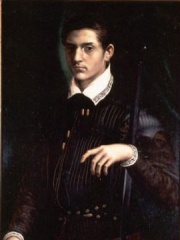
Alfonso II d'Este, Duke of Ferrara
NOBLEMAN
1533 - 1597
HPI: 70.43
Rank: 890
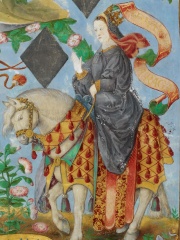
Constance of Sicily, Queen of Aragon
COMPANION
1249 - 1302
HPI: 70.43
Rank: 891
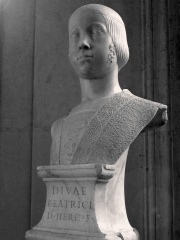
Beatrice d'Este
NOBLEMAN
1475 - 1497
HPI: 70.41
Rank: 892
Among فيلسوف In إيطاليا
Among فيلسوف born in إيطاليا, Elena Cornaro Piscopia ranks 24. Before her are Hippasus (-600), Theano (-600), Julius Evola (1898), Benedetto Croce (1866), Giorgio Agamben (1942), and Marsilius of Padua (1275). After her are Pietro Pomponazzi (1462), Giovanni Gentile (1875), Antonio Negri (1933), Aristoxenus (-360), Julius Caesar Scaliger (1484), and Bartolus de Saxoferrato (1313).
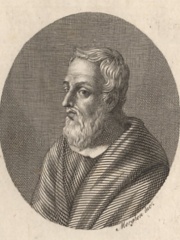
Hippasus
600 BC - 500 BC
HPI: 73.44
Rank: 18

Theano
600 BC - 600 BC
HPI: 73.38
Rank: 19
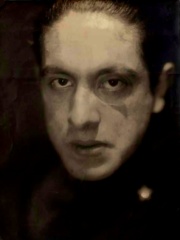
Julius Evola
1898 - 1974
HPI: 73.16
Rank: 20
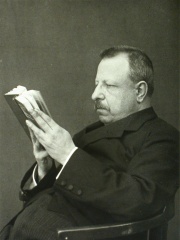
Benedetto Croce
1866 - 1952
HPI: 72.94
Rank: 21
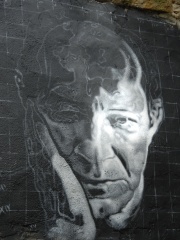
Giorgio Agamben
1942 - Present
HPI: 72.65
Rank: 22

Marsilius of Padua
1275 - 1342
HPI: 71.76
Rank: 23
Elena Cornaro Piscopia
1646 - 1684
HPI: 70.48
Rank: 24
Pietro Pomponazzi
1462 - 1525
HPI: 70.27
Rank: 25
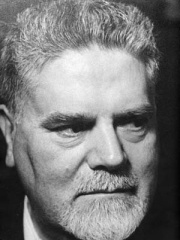
Giovanni Gentile
1875 - 1944
HPI: 69.95
Rank: 26
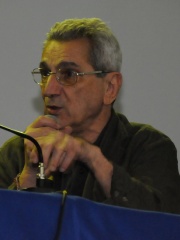
Antonio Negri
1933 - 2023
HPI: 69.41
Rank: 27
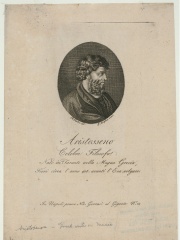
Aristoxenus
360 BC - 300 BC
HPI: 69.34
Rank: 28
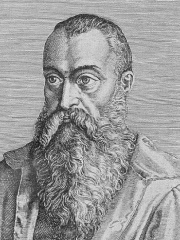
Julius Caesar Scaliger
1484 - 1558
HPI: 69.19
Rank: 29
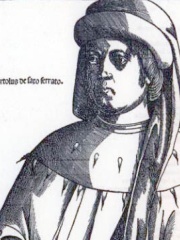
Bartolus de Saxoferrato
1313 - 1357
HPI: 68.37
Rank: 30




