Filozófus
Pietro Pomponazzi
1462 - 1525
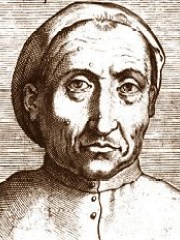
 Pietro Pomponazzi
Életrajza 34 különböző nyelven érhető el a Wikipédián. Pietro Pomponazzi a 318th legnépszerűbb filozófus (növekedés a 351st-ről 2024-ben), a 909th legnépszerűbb életrajz Olaszország országából (növekedés a 978th-ről 2019-ben) és a 25th legnépszerűbb Olaszországból filozófus.
Ismertségi mutatók
20k
Oldalmegtekintések
Elmúlt 12 hónap
70.27
HPI
Történelmi népszerűségi index
Adatérdekességek
#2 / 44
Pietro Pomponazzi a(z) 2. helyen áll a(z) Mantua (Olaszország) városában született 44 nevezetes személy között, a HPI szerinti legjobb 5%-ban.
Pietro Pomponazzi oldalmegtekintései nyelvenként
A(z) Filozófus között
A(z) Filozófus között Pietro Pomponazzi a(z) 318. helyen áll 1,285 közül. Előtte állnak: Elena Cornaro Piscopia, Félix Guattari, Lucien Lévy-Bruhl, Alfred Schütz, Abu Yusuf, és Mazdak. Utána következnek: Moritz Schlick, Vyasa, Ari Thorgilsson, Hipparchia of Maroneia, Aenesidemus, és Gennadius Scholarius.
A legnépszerűbb Filozófus a Wikipédián
Összes rangsor megtekintése
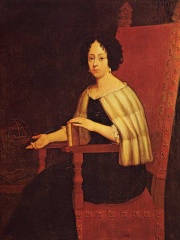
Elena Cornaro Piscopia
1646 - 1684
HPI: 70.48
Helyezés: 312
Félix Guattari
1930 - 1992
HPI: 70.44
Helyezés: 313
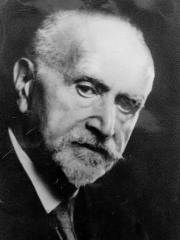
Lucien Lévy-Bruhl
1857 - 1939
HPI: 70.40
Helyezés: 314
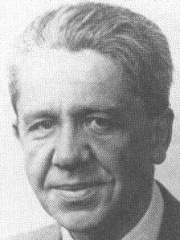
Alfred Schütz
1899 - 1959
HPI: 70.35
Helyezés: 315

Abu Yusuf
731 - 798
HPI: 70.34
Helyezés: 316
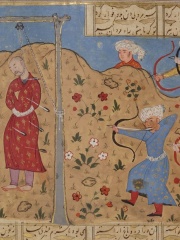
Mazdak
450 - 529
HPI: 70.30
Helyezés: 317
Pietro Pomponazzi
1462 - 1525
HPI: 70.27
Helyezés: 318
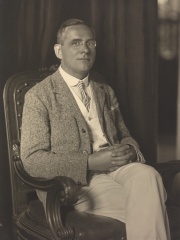
Moritz Schlick
1882 - 1936
HPI: 70.25
Helyezés: 319
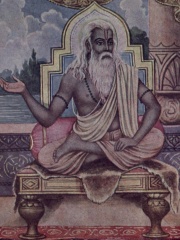
Vyasa
390 BC - 310 BC
HPI: 70.22
Helyezés: 320

Ari Thorgilsson
1067 - 1148
HPI: 70.13
Helyezés: 321

Hipparchia of Maroneia
350 BC - 300 BC
HPI: 70.13
Helyezés: 322

Aenesidemus
80 BC - 10 BC
HPI: 70.04
Helyezés: 323
Gennadius Scholarius
1400 - 1473
HPI: 70.01
Helyezés: 324

Kortársak
A(z) 1462. évben születettek között Pietro Pomponazzi a(z) 3. helyen áll. Előtte állnak: Louis XII of France, és Piero di Cosimo. Utána következnek: Joanna la Beltraneja, Johannes Trithemius, Mihnea cel Rău, John de la Pole, 1st Earl of Lincoln, Alexander, Count Palatine of Zweibrücken, Pietro Lando, és Edzard I, Count of East Frisia. A(z) 1525. évben elhunytak között Pietro Pomponazzi a(z) 6. helyen áll. Előtte állnak: Thomas Müntzer, Cuauhtémoc, Frederick III, Elector of Saxony, Jakob Fugger, és Huayna Capac. Utána következnek: Florian Geyer, Andrea della Robbia, Eleanor of Viseu, Michael Sittow, Charles IV, Duke of Alençon, és Fernando d'Ávalos.
További személyek, akik a(z) 1462. évben születtek
Összes rangsor megtekintése
Louis XII of France
POLITICIAN
1462 - 1515
HPI: 81.70
Helyezés: 1
Piero di Cosimo
PAINTER
1462 - 1522
HPI: 71.37
Helyezés: 2
Pietro Pomponazzi
PHILOSOPHER
1462 - 1525
HPI: 70.27
Helyezés: 3
Joanna la Beltraneja
COMPANION
1462 - 1530
HPI: 69.53
Helyezés: 4
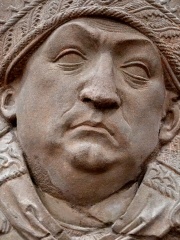
Johannes Trithemius
MATHEMATICIAN
1462 - 1516
HPI: 68.46
Helyezés: 5
Mihnea cel Rău
POLITICIAN
1462 - 1510
HPI: 66.84
Helyezés: 6

John de la Pole, 1st Earl of Lincoln
POLITICIAN
1462 - 1487
HPI: 65.38
Helyezés: 7

Alexander, Count Palatine of Zweibrücken
POLITICIAN
1462 - 1514
HPI: 60.99
Helyezés: 8
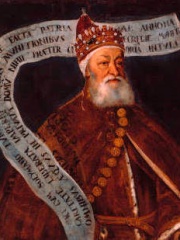
Pietro Lando
POLITICIAN
1462 - 1545
HPI: 60.64
Helyezés: 9
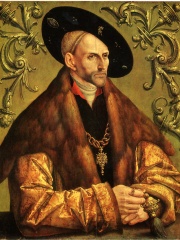
Edzard I, Count of East Frisia
POLITICIAN
1462 - 1528
HPI: 59.25
Helyezés: 10
További személyek, akik a(z) 1525. évben hunytak el
Összes rangsor megtekintése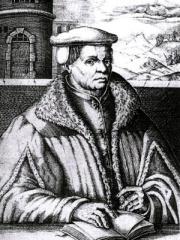
Thomas Müntzer
SOCIAL ACTIVIST
1489 - 1525
HPI: 74.02
Helyezés: 1
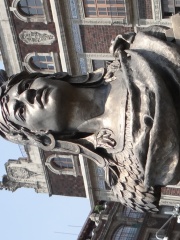
Cuauhtémoc
POLITICIAN
1495 - 1525
HPI: 73.31
Helyezés: 2
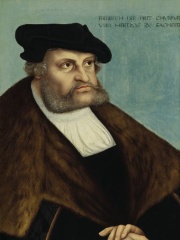
Frederick III, Elector of Saxony
POLITICIAN
1463 - 1525
HPI: 72.44
Helyezés: 3
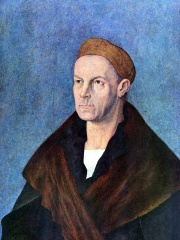
Jakob Fugger
BUSINESSPERSON
1459 - 1525
HPI: 71.69
Helyezés: 4
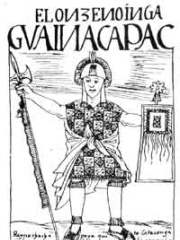
Huayna Capac
POLITICIAN
1476 - 1525
HPI: 70.82
Helyezés: 5
Pietro Pomponazzi
PHILOSOPHER
1462 - 1525
HPI: 70.27
Helyezés: 6
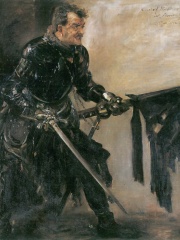
Florian Geyer
POLITICIAN
1490 - 1525
HPI: 68.05
Helyezés: 7
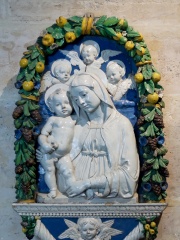
Andrea della Robbia
SCULPTOR
1435 - 1525
HPI: 66.69
Helyezés: 8
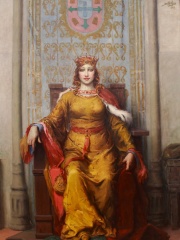
Eleanor of Viseu
POLITICIAN
1458 - 1525
HPI: 65.81
Helyezés: 9
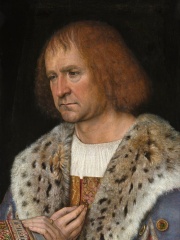
Michael Sittow
PAINTER
1459 - 1525
HPI: 64.43
Helyezés: 10
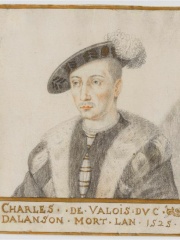
Charles IV, Duke of Alençon
POLITICIAN
1489 - 1525
HPI: 62.64
Helyezés: 11
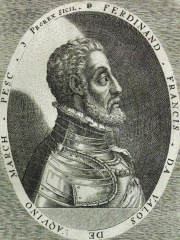
Fernando d'Ávalos
NOBLEMAN
1489 - 1525
HPI: 61.49
Helyezés: 12
A(z) Olaszország rangsorában
A(z) Olaszország területén születettek között Pietro Pomponazzi a(z) 909. helyen áll 5,905 közül. Előtte állnak: Vincenzo Galilei (1520), Claudia Mori (1944), Julia Minor (-101), Mario Beccaria (1920), Orazio Gentileschi (1563), és Raimondo Montecuccoli (1609). Utána következnek: Roberto Cavalli (1940), François Gérard (1770), Emilio Salgari (1862), Angelo Scola (1941), Rosalia Lombardo (1918), és Ferruccio Busoni (1866).
További személyek, akik Olaszország területén születtek
Összes rangsor megtekintése
Vincenzo Galilei
COMPOSER
1520 - 1591
HPI: 70.34
Helyezés: 903

Claudia Mori
ACTOR
1944 - napjainkig
HPI: 70.34
Helyezés: 904
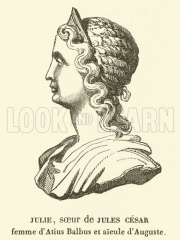
Julia Minor
POLITICIAN
101 BC - 51 BC
HPI: 70.33
Helyezés: 905
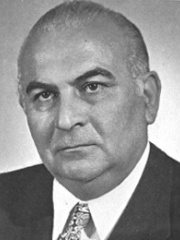
Mario Beccaria
POLITICIAN
1920 - 2003
HPI: 70.30
Helyezés: 906

Orazio Gentileschi
PAINTER
1563 - 1639
HPI: 70.27
Helyezés: 907
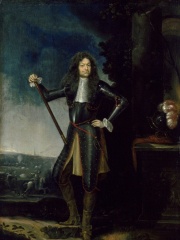
Raimondo Montecuccoli
MILITARY PERSONNEL
1609 - 1680
HPI: 70.27
Helyezés: 908
Pietro Pomponazzi
PHILOSOPHER
1462 - 1525
HPI: 70.27
Helyezés: 909

Roberto Cavalli
FASHION DESIGNER
1940 - 2024
HPI: 70.27
Helyezés: 910
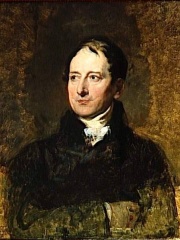
François Gérard
PAINTER
1770 - 1837
HPI: 70.27
Helyezés: 911
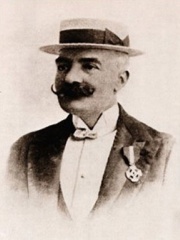
Emilio Salgari
WRITER
1862 - 1911
HPI: 70.25
Helyezés: 912
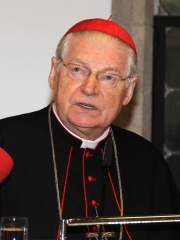
Angelo Scola
RELIGIOUS FIGURE
1941 - napjainkig
HPI: 70.24
Helyezés: 913
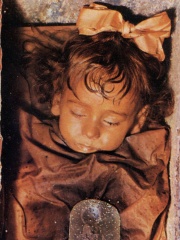
Rosalia Lombardo
CELEBRITY
1918 - 1920
HPI: 70.24
Helyezés: 914
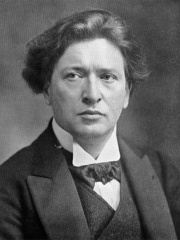
Ferruccio Busoni
COMPOSER
1866 - 1924
HPI: 70.22
Helyezés: 915
A(z) Filozófus között – Olaszország
A(z) Olaszország területén született Filozófus között Pietro Pomponazzi a(z) 25. helyen áll. Előtte állnak: Theano (-600), Julius Evola (1898), Benedetto Croce (1866), Giorgio Agamben (1942), Marsilius of Padua (1275), és Elena Cornaro Piscopia (1646). Utána következnek: Giovanni Gentile (1875), Antonio Negri (1933), Aristoxenus (-360), Julius Caesar Scaliger (1484), Bartolus de Saxoferrato (1313), és Thomas Cajetan (1469).

Theano
600 BC - 600 BC
HPI: 73.38
Helyezés: 19
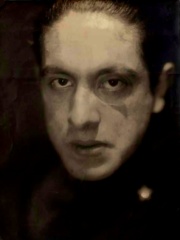
Julius Evola
1898 - 1974
HPI: 73.16
Helyezés: 20
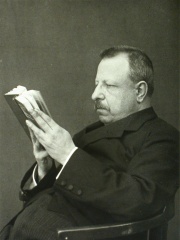
Benedetto Croce
1866 - 1952
HPI: 72.94
Helyezés: 21
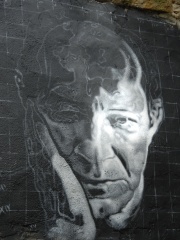
Giorgio Agamben
1942 - napjainkig
HPI: 72.65
Helyezés: 22

Marsilius of Padua
1275 - 1342
HPI: 71.76
Helyezés: 23
Elena Cornaro Piscopia
1646 - 1684
HPI: 70.48
Helyezés: 24
Pietro Pomponazzi
1462 - 1525
HPI: 70.27
Helyezés: 25
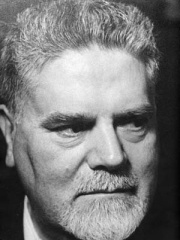
Giovanni Gentile
1875 - 1944
HPI: 69.95
Helyezés: 26
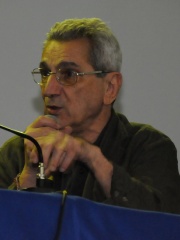
Antonio Negri
1933 - 2023
HPI: 69.41
Helyezés: 27
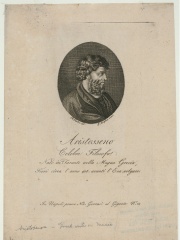
Aristoxenus
360 BC - 300 BC
HPI: 69.34
Helyezés: 28
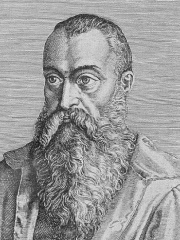
Julius Caesar Scaliger
1484 - 1558
HPI: 69.19
Helyezés: 29
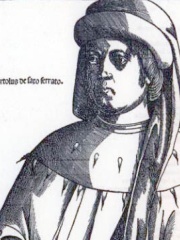
Bartolus de Saxoferrato
1313 - 1357
HPI: 68.37
Helyezés: 30
Thomas Cajetan
1469 - 1534
HPI: 67.47
Helyezés: 31




