Historiador
Diodoro Sículo
90 BC - 30 BC
PT.WIKIPEDIA PAGE VIEWS (PV)
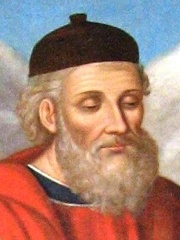
 Diodoro Sículo
Sua biografia está disponível em 72 idiomas na Wikipédia (aumento em relação a 70 em 2024). Diodoro Sículo é o 9º historiador mais popular (subiu do 12º em 2024), a 247ª biografia mais popular da Itália (subiu do 250ª em 2019) e o 2º historiador mais popular da Itália.
Memorability Metrics
210k
Page Views
Past 12 months
79.20
HPI
Historical Popularity Index
Page views of Diodoro Sículo by language
Among Historiadors
Among historiadors, Diodoro Sículo ranks 9 out of 561. Before him are Thucydides, Sima Qian, Tacitus, Xenophon, Livy, and Josephus. After him are Alexis de Tocqueville, Polybius, Suetonius, Thomas Kuhn, Hecataeus of Miletus, and Procopius.
Most Popular Historiadors in Wikipedia
Go to all Rankings
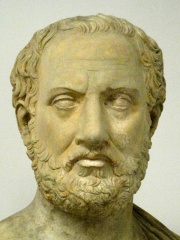
Thucydides
460 BC - 397 BC
HPI: 83.71
Rank: 3
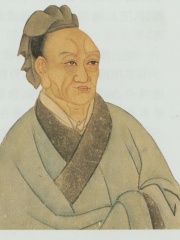
Sima Qian
145 BC - 86 BC
HPI: 83.52
Rank: 4
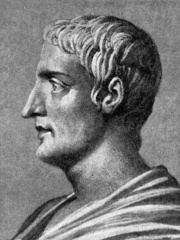
Tacitus
54 - 120
HPI: 82.21
Rank: 5
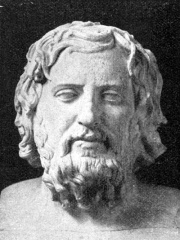
Xenophon
430 BC - 354 BC
HPI: 82.05
Rank: 6
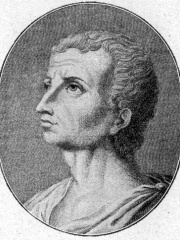
Livy
59 BC - 17
HPI: 81.96
Rank: 7
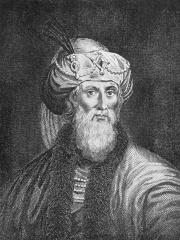
Josephus
37 - 100
HPI: 80.94
Rank: 8
Diodorus Siculus
90 BC - 30 BC
HPI: 79.20
Rank: 9
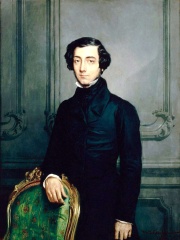
Alexis de Tocqueville
1805 - 1859
HPI: 78.33
Rank: 10
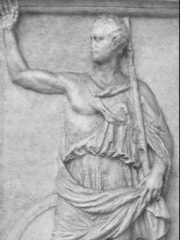
Polybius
208 BC - 126 BC
HPI: 77.83
Rank: 11
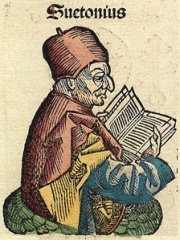
Suetonius
70 - 126
HPI: 77.79
Rank: 12
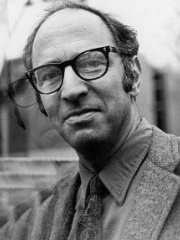
Thomas Kuhn
1922 - 1996
HPI: 76.91
Rank: 13
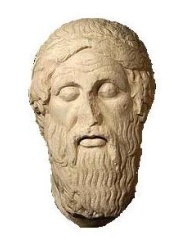
Hecataeus of Miletus
550 BC - 476 BC
HPI: 76.89
Rank: 14

Procopius
500 - 560
HPI: 76.58
Rank: 15

Contemporaries
Among people born in 90 BC, Diodoro Sículo ranks 2. Before him is Zechariah. After him are Anna the Prophetess, Publius Clodius Pulcher, Gnaeus Pompeius Trogus, Pompeia, Phraates IV, Trebonius, Gaius Scribonius Curio, Aulus Hirtius, Marcus Livius Drusus Claudianus, and Gaius Antonius Hybrida. Among people deceased in 30 BC, Diodoro Sículo ranks 3. Before him are Cleopatra, and Mark Antony. After him are Caesarion, Hyrcanus II, Marcus Antonius Antyllus, Gnaeus Domitius Ahenobarbus, Huhanye, and Publius Canidius Crassus.
Others Born in 90 BC
Go to all Rankings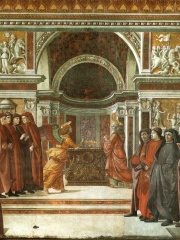
Zechariah
RELIGIOUS FIGURE
90 BC - 100
HPI: 83.06
Rank: 1
Diodorus Siculus
HISTORIAN
90 BC - 30 BC
HPI: 79.20
Rank: 2
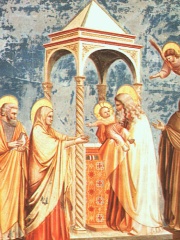
Anna the Prophetess
RELIGIOUS FIGURE
90 BC - 100
HPI: 78.40
Rank: 3
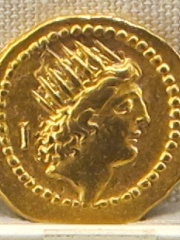
Publius Clodius Pulcher
POLITICIAN
90 BC - 52 BC
HPI: 73.41
Rank: 4
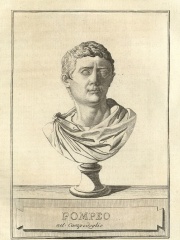
Gnaeus Pompeius Trogus
POLITICIAN
90 BC - 100 BC
HPI: 71.85
Rank: 5
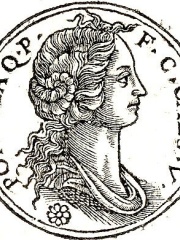
Pompeia
POLITICIAN
90 BC - Present
HPI: 71.23
Rank: 6
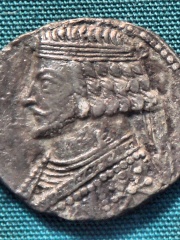
Phraates IV
POLITICIAN
90 BC - 2 BC
HPI: 68.06
Rank: 7

Trebonius
POLITICIAN
90 BC - 43 BC
HPI: 67.19
Rank: 8

Gaius Scribonius Curio
POLITICIAN
90 BC - 49 BC
HPI: 66.33
Rank: 9
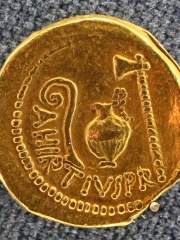
Aulus Hirtius
POLITICIAN
90 BC - 43 BC
HPI: 63.93
Rank: 10

Marcus Livius Drusus Claudianus
POLITICIAN
90 BC - 42 BC
HPI: 62.83
Rank: 11

Gaius Antonius Hybrida
POLITICIAN
90 BC - 42 BC
HPI: 61.79
Rank: 12
Others Deceased in 30 BC
Go to all Rankings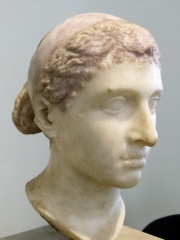
Cleopatra
POLITICIAN
69 BC - 30 BC
HPI: 98.34
Rank: 1
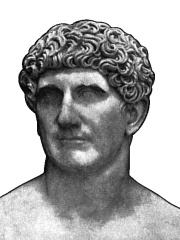
Mark Antony
POLITICIAN
83 BC - 30 BC
HPI: 83.97
Rank: 2
Diodorus Siculus
HISTORIAN
90 BC - 30 BC
HPI: 79.20
Rank: 3
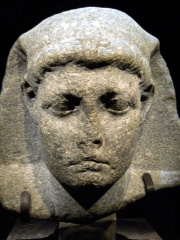
Caesarion
POLITICIAN
47 BC - 30 BC
HPI: 79.18
Rank: 4
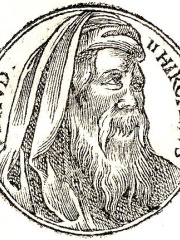
Hyrcanus II
POLITICIAN
110 BC - 30 BC
HPI: 68.70
Rank: 5
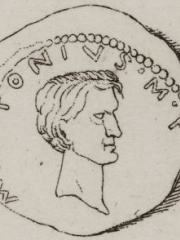
Marcus Antonius Antyllus
POLITICIAN
46 BC - 30 BC
HPI: 63.62
Rank: 6
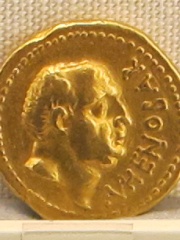
Gnaeus Domitius Ahenobarbus
POLITICIAN
80 BC - 30 BC
HPI: 62.33
Rank: 7
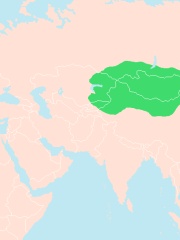
Huhanye
POLITICIAN
HPI: 60.09
Rank: 8

Publius Canidius Crassus
MILITARY PERSONNEL
50 BC - 30 BC
HPI: 58.43
Rank: 9
In Itália
Among people born in Itália, Diodoro Sículo ranks 247 out of NaN. Before him are Pope Marcellus I (255), Guillaume Apollinaire (1880), Pope Innocent II (1100), Anselm of Canterbury (1033), Agnes of Rome (291), and Pope Celestine V (1215). After him are Pope Innocent I (378), Pope Celestine I (400), Otho (32), Piero della Francesca (1415), Pope John X (860), and Pope Sixtus I (42).
Others born in Itália
Go to all Rankings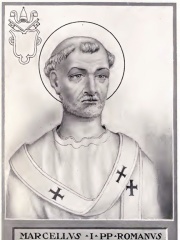
Pope Marcellus I
RELIGIOUS FIGURE
255 - 309
HPI: 79.26
Rank: 241
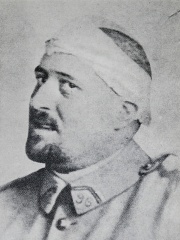
Guillaume Apollinaire
WRITER
1880 - 1918
HPI: 79.26
Rank: 242
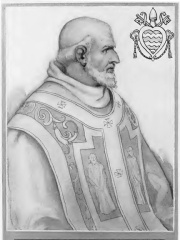
Pope Innocent II
RELIGIOUS FIGURE
1100 - 1143
HPI: 79.26
Rank: 243

Anselm of Canterbury
RELIGIOUS FIGURE
1033 - 1109
HPI: 79.23
Rank: 244
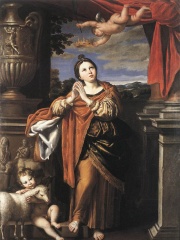
Agnes of Rome
RELIGIOUS FIGURE
291 - 305
HPI: 79.22
Rank: 245
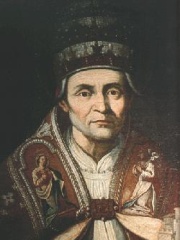
Pope Celestine V
RELIGIOUS FIGURE
1215 - 1296
HPI: 79.22
Rank: 246
Diodorus Siculus
HISTORIAN
90 BC - 30 BC
HPI: 79.20
Rank: 247
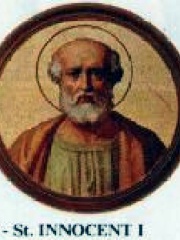
Pope Innocent I
RELIGIOUS FIGURE
378 - 417
HPI: 79.15
Rank: 248
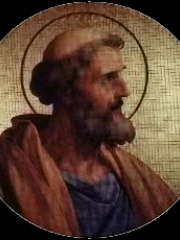
Pope Celestine I
RELIGIOUS FIGURE
400 - 432
HPI: 79.13
Rank: 249
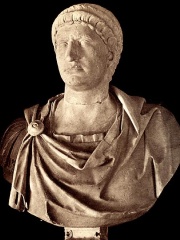
Otho
POLITICIAN
32 - 69
HPI: 79.11
Rank: 250
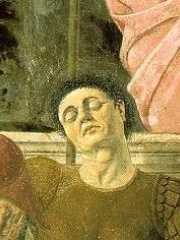
Piero della Francesca
PAINTER
1415 - 1492
HPI: 79.11
Rank: 251
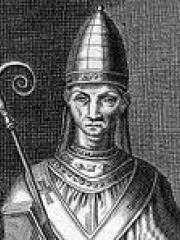
Pope John X
RELIGIOUS FIGURE
860 - 929
HPI: 79.04
Rank: 252
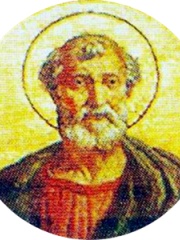
Pope Sixtus I
RELIGIOUS FIGURE
42 - 124
HPI: 79.01
Rank: 253
Among Historiadors In Itália
Among historiadors born in Itália, Diodoro Sículo ranks 2. Before him are Livy (-59). After him are Suetonius (70), Leonardo Bruni (1370), Marcus Velleius Paterculus (-19), Poggio Bracciolini (1380), Francesco Guicciardini (1483), Euhemerus (-330), Carlo Ginzburg (1939), Timaeus (-350), Flavio Biondo (1388), and Tyrannius Rufinus (345).
Livy
59 BC - 17
HPI: 81.96
Rank: 1
Diodorus Siculus
90 BC - 30 BC
HPI: 79.20
Rank: 2
Suetonius
70 - 126
HPI: 77.79
Rank: 3
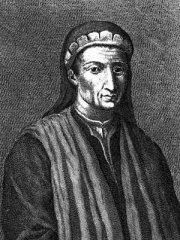
Leonardo Bruni
1370 - 1444
HPI: 72.96
Rank: 4
Marcus Velleius Paterculus
19 BC - 31
HPI: 72.46
Rank: 5
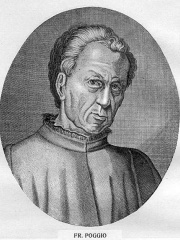
Poggio Bracciolini
1380 - 1459
HPI: 71.22
Rank: 6
Francesco Guicciardini
1483 - 1540
HPI: 70.74
Rank: 7

Euhemerus
330 BC - 250 BC
HPI: 70.70
Rank: 8
Carlo Ginzburg
1939 - 2026
HPI: 67.98
Rank: 9
Timaeus
350 BC - 260 BC
HPI: 67.68
Rank: 10
Flavio Biondo
1388 - 1463
HPI: 66.35
Rank: 11
Tyrannius Rufinus
345 - 411
HPI: 66.16
Rank: 12




