مؤرخ
Leonardo Bruni
1370 - 1444
مشاهدات AR.WIKIPEDIA (PV)
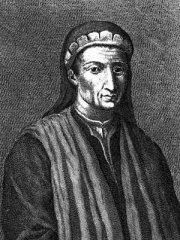
 Leonardo Bruni
سيرته الذاتية متاحة بـ44 لغة مختلفة على ويكيبيديا (زيادة من 43 في 2024). يحتل Leonardo Bruni المرتبة 39 بين أكثر مؤرخ شعبيةً (تقدمًا من 46 في 2024)، والمرتبة 658 بين أكثر السير الذاتية شعبيةً في إيطاليا (تقدمًا من 703 في 2019)، كما يحتل المرتبة 4 بين أكثر مؤرخ من إيطاليا شعبيةً.
مقاييس الشهرة
320k
مشاهدات الصفحة
آخر 12 شهرًا
72.96
HPI
مؤشر الشعبية التاريخية
رؤى من البيانات
مشاهدات صفحة Leonardo Bruni حسب اللغة
من بين مؤرخ
من بين مؤرخ، يحتل Leonardo Bruni المرتبة 39 من أصل 579. قبله يأتي Eric Hobsbawm, Marc Bloch, Ibn Ishaq, Friedrich Carl von Savigny, Hippolyte Taine, وQuintus Curtius Rufus. بعده يأتي Jacques Le Goff, Adam of Bremen, Ali ibn al-Athir, Marcus Velleius Paterculus, Erwin Panofsky, وAl-Baladhuri.
أشهر مؤرخ على ويكيبيديا
عرض جميع التصنيفات

Eric Hobsbawm
1917 - 2012
HPI: 73.44
المرتبة: 33
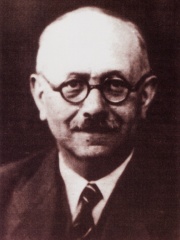
Marc Bloch
1886 - 1944
HPI: 73.38
المرتبة: 34

Ibn Ishaq
704 - 767
HPI: 73.22
المرتبة: 35
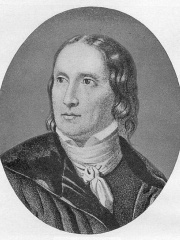
Friedrich Carl von Savigny
1779 - 1861
HPI: 73.18
المرتبة: 36
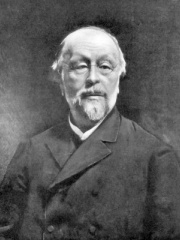
Hippolyte Taine
1828 - 1893
HPI: 73.03
المرتبة: 37
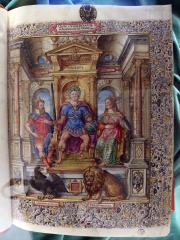
Quintus Curtius Rufus
41 - 53
HPI: 72.96
المرتبة: 38
Leonardo Bruni
1370 - 1444
HPI: 72.96
المرتبة: 39
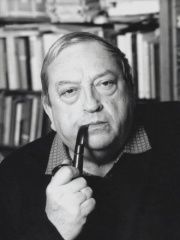
Jacques Le Goff
1924 - 2014
HPI: 72.92
المرتبة: 40

Adam of Bremen
1100 - 1080
HPI: 72.91
المرتبة: 41

Ali ibn al-Athir
1160 - 1233
HPI: 72.68
المرتبة: 42
Marcus Velleius Paterculus
19 BC - 31
HPI: 72.46
المرتبة: 43
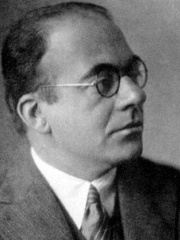
Erwin Panofsky
1892 - 1968
HPI: 72.29
المرتبة: 44

Al-Baladhuri
806 - 892
HPI: 72.19
المرتبة: 45

معاصرون
من بين المولودين في عام 1370، يحتل Leonardo Bruni المرتبة 4. قبله يأتي Pope Gregory XI, Antipope John XXIII, وIsabeau of Bavaria. بعده يأتي Olaf II of Denmark, John VII Palaiologos, Gentile da Fabriano, Erasmo of Narni, Frederick I, Elector of Saxony, Lorenzo Monaco, William, Duke of Austria, وŠvitrigaila. من بين المتوفين في عام 1444، يحتل Leonardo Bruni المرتبة 3. قبله يأتي Władysław III of Poland, وRobert Campin. بعده يأتي Bernardino of Siena, Olivera Despina, Julian Cesarini, Mark of Ephesus, John Beaufort, 1st Duke of Somerset, Joseph Albo, وGianfrancesco I Gonzaga, Marquess of Mantua.
آخرون وُلدوا في عام 1370
عرض جميع التصنيفات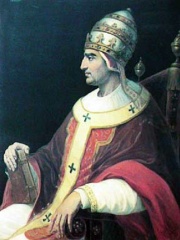
Pope Gregory XI
RELIGIOUS FIGURE
1370 - 1378
HPI: 80.63
المرتبة: 1
Antipope John XXIII
RELIGIOUS FIGURE
1370 - 1419
HPI: 75.74
المرتبة: 2
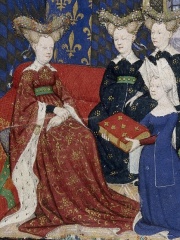
Isabeau of Bavaria
COMPANION
1370 - 1435
HPI: 75.11
المرتبة: 3
Leonardo Bruni
HISTORIAN
1370 - 1444
HPI: 72.96
المرتبة: 4
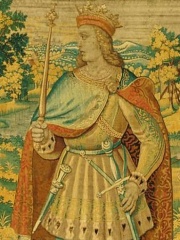
Olaf II of Denmark
POLITICIAN
1370 - 1387
HPI: 72.41
المرتبة: 5
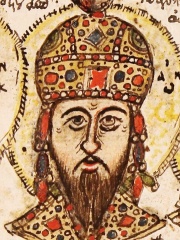
John VII Palaiologos
POLITICIAN
1370 - 1408
HPI: 70.77
المرتبة: 6
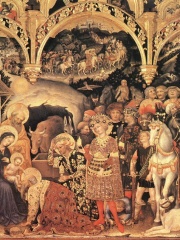
Gentile da Fabriano
PAINTER
1370 - 1427
HPI: 70.35
المرتبة: 7
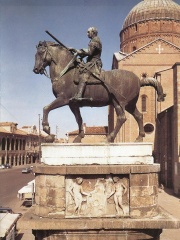
Erasmo of Narni
MILITARY PERSONNEL
1370 - 1443
HPI: 67.91
المرتبة: 8
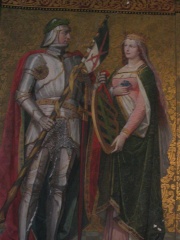
Frederick I, Elector of Saxony
POLITICIAN
1370 - 1428
HPI: 67.74
المرتبة: 9
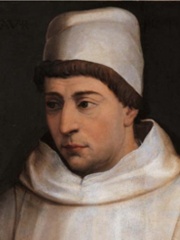
Lorenzo Monaco
PAINTER
1370 - 1425
HPI: 67.44
المرتبة: 10
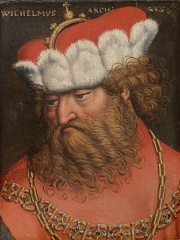
William, Duke of Austria
NOBLEMAN
1370 - 1406
HPI: 67.28
المرتبة: 11
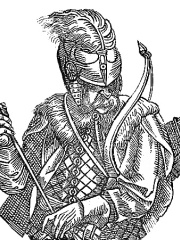
Švitrigaila
POLITICIAN
1370 - 1452
HPI: 67.20
المرتبة: 12
آخرون توفوا في عام 1444
عرض جميع التصنيفات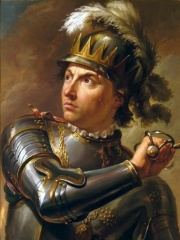
Władysław III of Poland
POLITICIAN
1424 - 1444
HPI: 74.96
المرتبة: 1
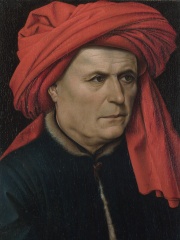
Robert Campin
PAINTER
1375 - 1444
HPI: 73.67
المرتبة: 2
Leonardo Bruni
HISTORIAN
1370 - 1444
HPI: 72.96
المرتبة: 3
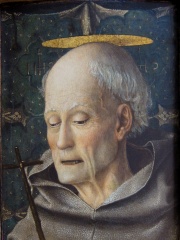
Bernardino of Siena
PHYSICIAN
1380 - 1444
HPI: 71.96
المرتبة: 4
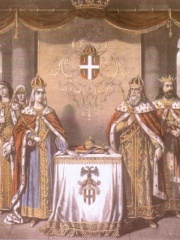
Olivera Despina
COMPANION
1372 - 1444
HPI: 67.68
المرتبة: 5
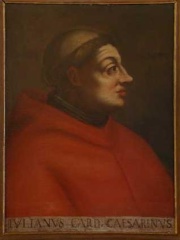
Julian Cesarini
RELIGIOUS FIGURE
1398 - 1444
HPI: 65.56
المرتبة: 6
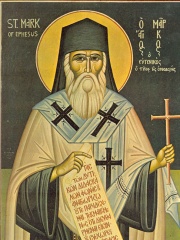
Mark of Ephesus
RELIGIOUS FIGURE
1392 - 1444
HPI: 64.37
المرتبة: 7
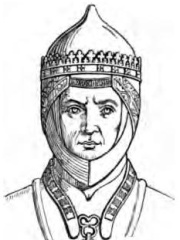
John Beaufort, 1st Duke of Somerset
POLITICIAN
1404 - 1444
HPI: 64.16
المرتبة: 8

Joseph Albo
PHILOSOPHER
1380 - 1444
HPI: 61.77
المرتبة: 9
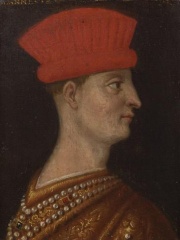
Gianfrancesco I Gonzaga, Marquess of Mantua
POLITICIAN
1395 - 1444
HPI: 60.34
المرتبة: 10
في إيطاليا
من بين المولودين في إيطاليا، يحتل Leonardo Bruni المرتبة 658 من أصل 5,905. قبله يأتي Giovanni Gabrieli (1557), Alcide De Gasperi (1881), Filippo Inzaghi (1973), Hiero II of Syracuse (-308), Giorgia Meloni (1977), وCatherine Cornaro (1454). بعده يأتي Maria Luisa of Parma (1751), Benedetto Croce (1866), Raffaella Carrà (1943), Benozzo Gozzoli (1420), Berengar I of Italy (850), وArchduke Rudolf of Austria (1788).
آخرون وُلدوا في إيطاليا
عرض جميع التصنيفات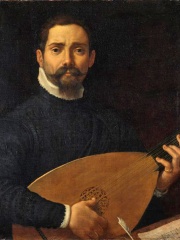
Giovanni Gabrieli
COMPOSER
1557 - 1612
HPI: 73.03
المرتبة: 652
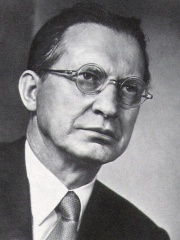
Alcide De Gasperi
POLITICIAN
1881 - 1954
HPI: 73.02
المرتبة: 653
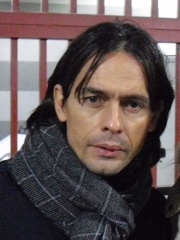
Filippo Inzaghi
SOCCER PLAYER
1973 - حتى الآن
HPI: 73.00
المرتبة: 654
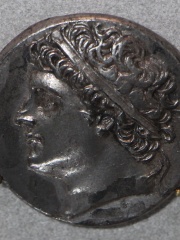
Hiero II of Syracuse
POLITICIAN
308 BC - 215 BC
HPI: 73.00
المرتبة: 655
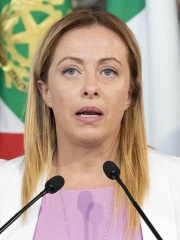
Giorgia Meloni
POLITICIAN
1977 - حتى الآن
HPI: 72.99
المرتبة: 656
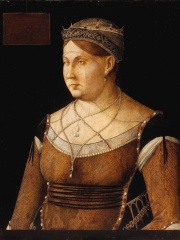
Catherine Cornaro
POLITICIAN
1454 - 1510
HPI: 72.97
المرتبة: 657
Leonardo Bruni
HISTORIAN
1370 - 1444
HPI: 72.96
المرتبة: 658
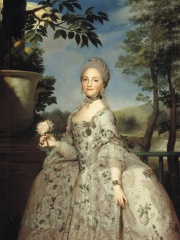
Maria Luisa of Parma
COMPANION
1751 - 1819
HPI: 72.95
المرتبة: 659
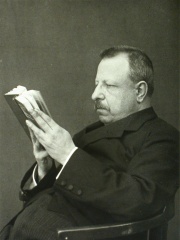
Benedetto Croce
PHILOSOPHER
1866 - 1952
HPI: 72.94
المرتبة: 660

Raffaella Carrà
ACTOR
1943 - 2021
HPI: 72.90
المرتبة: 661
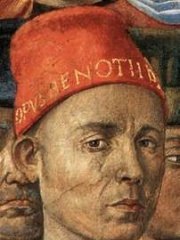
Benozzo Gozzoli
PAINTER
1420 - 1497
HPI: 72.88
المرتبة: 662
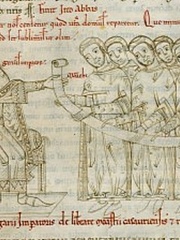
Berengar I of Italy
POLITICIAN
850 - 924
HPI: 72.87
المرتبة: 663
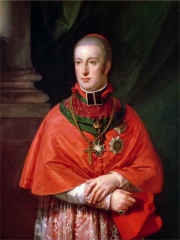
Archduke Rudolf of Austria
RELIGIOUS FIGURE
1788 - 1831
HPI: 72.87
المرتبة: 664
من بين مؤرخ في إيطاليا
من بين مؤرخ المولودين في إيطاليا، يحتل Leonardo Bruni المرتبة 4. قبله يأتي Livy (-59), Diodorus Siculus (-90), وSuetonius (70). بعده يأتي Marcus Velleius Paterculus (-19), Poggio Bracciolini (1380), Francesco Guicciardini (1483), Euhemerus (-330), Carlo Ginzburg (1939), Timaeus (-350), Flavio Biondo (1388), وTyrannius Rufinus (345).
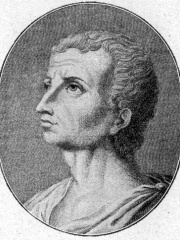
Livy
59 BC - 17
HPI: 81.96
المرتبة: 1
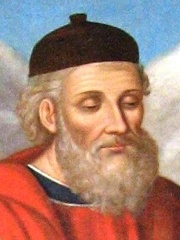
Diodorus Siculus
90 BC - 30 BC
HPI: 79.20
المرتبة: 2
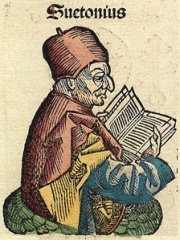
Suetonius
70 - 126
HPI: 77.79
المرتبة: 3
Leonardo Bruni
1370 - 1444
HPI: 72.96
المرتبة: 4
Marcus Velleius Paterculus
19 BC - 31
HPI: 72.46
المرتبة: 5
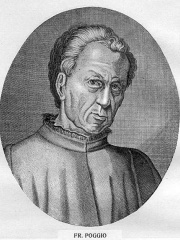
Poggio Bracciolini
1380 - 1459
HPI: 71.22
المرتبة: 6
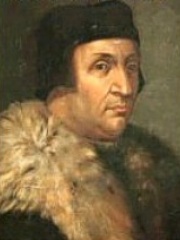
Francesco Guicciardini
1483 - 1540
HPI: 70.74
المرتبة: 7

Euhemerus
330 BC - 250 BC
HPI: 70.70
المرتبة: 8
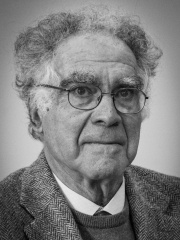
Carlo Ginzburg
1939 - 2026
HPI: 67.98
المرتبة: 9
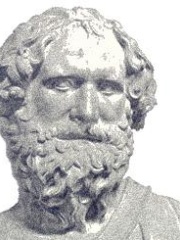
Timaeus
350 BC - 260 BC
HPI: 67.68
المرتبة: 10
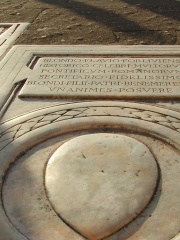
Flavio Biondo
1388 - 1463
HPI: 66.35
المرتبة: 11
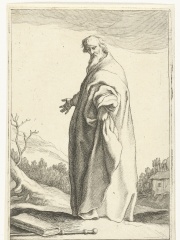
Tyrannius Rufinus
345 - 411
HPI: 66.16
المرتبة: 12




