歴史家
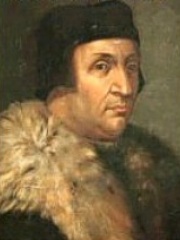
Poggio Bracciolini
1380 - 1459
JA.WIKIPEDIA ページビュー (PV)
 Poggio Bracciolini
知名度指標
44k
ページビュー
過去12か月
71.22
HPI
歴史的人気指数
データインサイト
#52 / 579
Poggio Braccioliniは世界579人の歴史家の中で第52位、職業全体の上位9%に入ります。
Poggio Braccioliniの言語別ページビュー
歴史家の中で
歴史家の中で、Poggio Braccioliniは579人中52位です。 彼より上位:Socrates of Constantinople, Lucien Febvre, François Guizot, Yuval Noah Harari, Samuel von Pufendorf, 、Niketas Choniates. 彼より下位:Aby Warburg, Joseph Justus Scaliger, Ibn Hajar al-‘Asqalani, Justin, Francesco Guicciardini, 、Euhemerus.
ウィキペディアで最も人気のある歴史家
すべてのランキングを見る

Socrates of Constantinople
380 - 440
HPI: 72.04
順位: 46
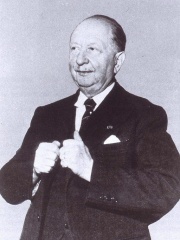
Lucien Febvre
1878 - 1956
HPI: 71.88
順位: 47
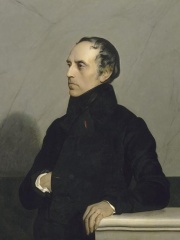
François Guizot
1787 - 1874
HPI: 71.51
順位: 48

Yuval Noah Harari
1976 - 現在
HPI: 71.50
順位: 49
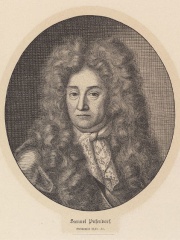
Samuel von Pufendorf
1632 - 1694
HPI: 71.49
順位: 50
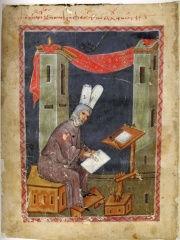
Niketas Choniates
1155 - 1217
HPI: 71.45
順位: 51
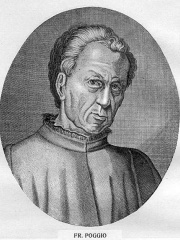
Poggio Bracciolini
1380 - 1459
HPI: 71.22
順位: 52
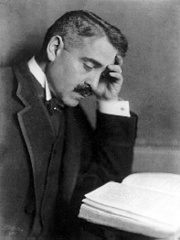
Aby Warburg
1866 - 1929
HPI: 71.01
順位: 53
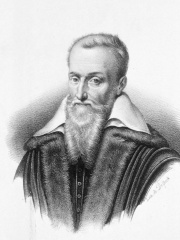
Joseph Justus Scaliger
1540 - 1609
HPI: 70.98
順位: 54

Ibn Hajar al-‘Asqalani
1372 - 1449
HPI: 70.98
順位: 55
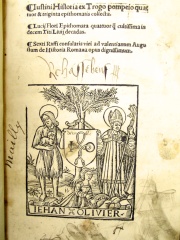
Justin
110 - 200
HPI: 70.78
順位: 56
Francesco Guicciardini
1483 - 1540
HPI: 70.74
順位: 57

Euhemerus
330 BC - 250 BC
HPI: 70.70
順位: 58

同時代の人物
1380年生まれの人の中で、Poggio Braccioliniは5位です。 彼より上位:Thomas à Kempis, Pachacuti, Bernardino of Siena, 、Ferdinand I of Aragon. 彼より下位:Jamshīd al-Kāshī, Prokop the Great, Lidwina, İsa Çelebi, Itzcoatl, Anna of Cilli, 、Yawar Waqaq. 1459年に亡くなった人の中で、Poggio Braccioliniは2位です。 彼より上位:Eric of Pomerania. 彼より下位:Fra Mauro, Gregory III of Constantinople, Ausiàs March, Antoninus of Florence, Adolph VIII, Count of Holstein, Stephen, Count Palatine of Simmern-Zweibrücken, James of Portugal, 、John Fastolf.
1380年生まれのその他の人物
すべてのランキングを見る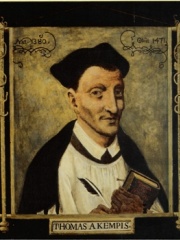
Thomas à Kempis
RELIGIOUS FIGURE
1380 - 1471
HPI: 73.86
順位: 1
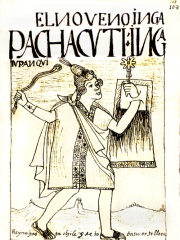
Pachacuti
POLITICIAN
1380 - 1460
HPI: 73.45
順位: 2
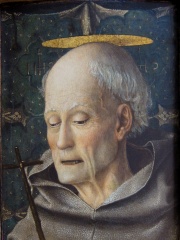
Bernardino of Siena
PHYSICIAN
1380 - 1444
HPI: 71.96
順位: 3
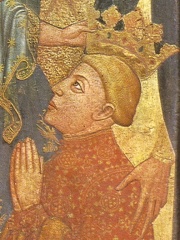
Ferdinand I of Aragon
POLITICIAN
1380 - 1416
HPI: 71.91
順位: 4
Poggio Bracciolini
HISTORIAN
1380 - 1459
HPI: 71.22
順位: 5
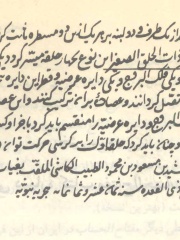
Jamshīd al-Kāshī
ASTRONOMER
1380 - 1429
HPI: 71.12
順位: 6

Prokop the Great
MILITARY PERSONNEL
1380 - 1434
HPI: 68.55
順位: 7
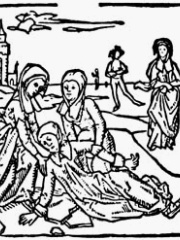
Lidwina
RELIGIOUS FIGURE
1380 - 1433
HPI: 66.60
順位: 8
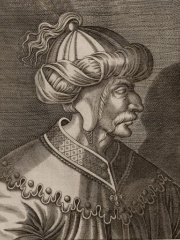
İsa Çelebi
POLITICIAN
1380 - 1407
HPI: 64.87
順位: 9
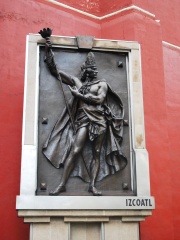
Itzcoatl
POLITICIAN
1380 - 1440
HPI: 64.54
順位: 10
Anna of Cilli
COMPANION
1380 - 1416
HPI: 64.21
順位: 11
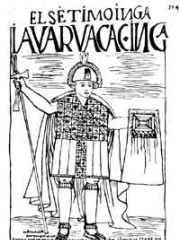
Yawar Waqaq
POLITICIAN
1380 - 1410
HPI: 64.11
順位: 12
1459年に亡くなったその他の人物
すべてのランキングを見る
Eric of Pomerania
PIRATE
1381 - 1459
HPI: 78.58
順位: 1
Poggio Bracciolini
HISTORIAN
1380 - 1459
HPI: 71.22
順位: 2
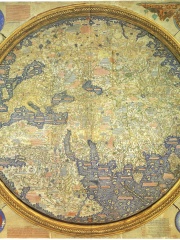
Fra Mauro
GEOGRAPHER
1385 - 1459
HPI: 67.31
順位: 3

Gregory III of Constantinople
RELIGIOUS FIGURE
1450 - 1459
HPI: 65.33
順位: 4
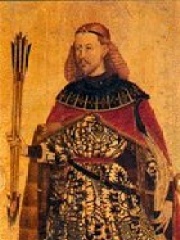
Ausiàs March
WRITER
1400 - 1459
HPI: 65.12
順位: 5
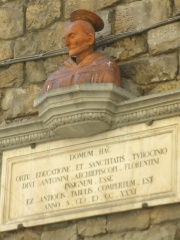
Antoninus of Florence
RELIGIOUS FIGURE
1389 - 1459
HPI: 62.95
順位: 6
Adolph VIII, Count of Holstein
POLITICIAN
1401 - 1459
HPI: 61.69
順位: 7
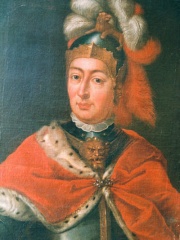
Stephen, Count Palatine of Simmern-Zweibrücken
POLITICIAN
1385 - 1459
HPI: 60.84
順位: 8

James of Portugal
RELIGIOUS FIGURE
1433 - 1459
HPI: 60.45
順位: 9
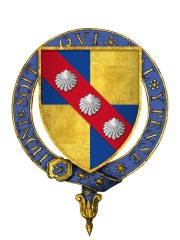
John Fastolf
MILITARY PERSONNEL
1380 - 1459
HPI: 60.18
順位: 10
イタリアの中で
イタリア生まれの人の中で、Poggio Braccioliniは5,905人中808位です。 彼より上位:Claudia Octavia (40), Athalaric (516), Gabriele Amorth (1925), Saint Eustace (10), Pompeia (-90), 、Lino Ventura (1919). 彼より下位:Louise of Orléans (1812), Palmiro Togliatti (1893), Scholastica (480), Vittorio Gassman (1922), Aldo Rossi (1931), 、Giambattista Basile (1566).
イタリア生まれのその他の人物
すべてのランキングを見る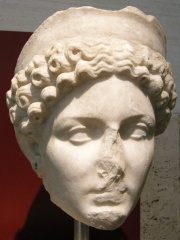
Claudia Octavia
POLITICIAN
40 - 62
HPI: 71.26
順位: 802
Athalaric
POLITICIAN
516 - 534
HPI: 71.25
順位: 803

Gabriele Amorth
WRITER
1925 - 2016
HPI: 71.25
順位: 804
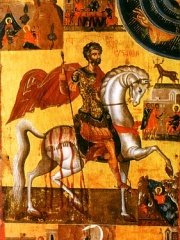
Saint Eustace
RELIGIOUS FIGURE
10 - 118
HPI: 71.24
順位: 805
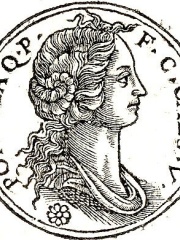
Pompeia
POLITICIAN
90 BC - 現在
HPI: 71.23
順位: 806
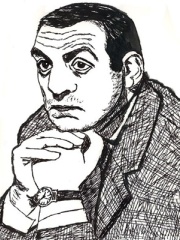
Lino Ventura
ACTOR
1919 - 1987
HPI: 71.22
順位: 807
Poggio Bracciolini
HISTORIAN
1380 - 1459
HPI: 71.22
順位: 808
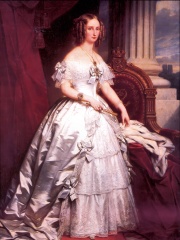
Louise of Orléans
POLITICIAN
1812 - 1850
HPI: 71.19
順位: 809
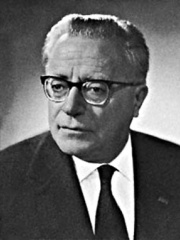
Palmiro Togliatti
POLITICIAN
1893 - 1964
HPI: 71.19
順位: 810
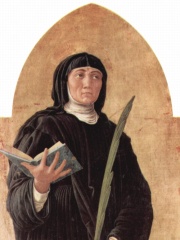
Scholastica
RELIGIOUS FIGURE
480 - 547
HPI: 71.18
順位: 811
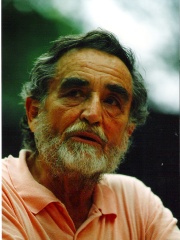
Vittorio Gassman
ACTOR
1922 - 2000
HPI: 71.17
順位: 812
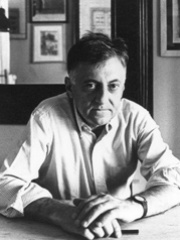
Aldo Rossi
ARCHITECT
1931 - 1997
HPI: 71.17
順位: 813
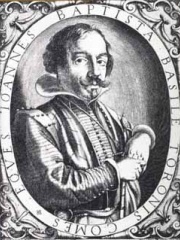
Giambattista Basile
WRITER
1566 - 1632
HPI: 71.14
順位: 814
イタリアの歴史家の中で
イタリア生まれの歴史家の中で、Poggio Braccioliniは6位です。 彼より上位:Livy (-59), Diodorus Siculus (-90), Suetonius (70), Leonardo Bruni (1370), 、Marcus Velleius Paterculus (-19). 彼より下位:Francesco Guicciardini (1483), Euhemerus (-330), Carlo Ginzburg (1939), Timaeus (-350), Flavio Biondo (1388), 、Tyrannius Rufinus (345).
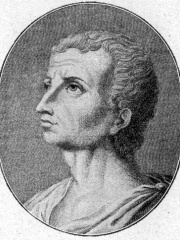
Livy
59 BC - 17
HPI: 81.96
順位: 1

Diodorus Siculus
90 BC - 30 BC
HPI: 79.20
順位: 2
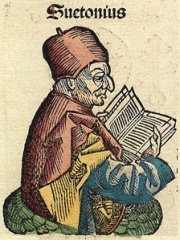
Suetonius
70 - 126
HPI: 77.79
順位: 3
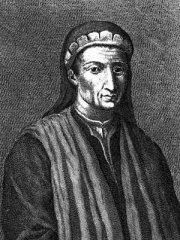
Leonardo Bruni
1370 - 1444
HPI: 72.96
順位: 4
Marcus Velleius Paterculus
19 BC - 31
HPI: 72.46
順位: 5
Poggio Bracciolini
1380 - 1459
HPI: 71.22
順位: 6
Francesco Guicciardini
1483 - 1540
HPI: 70.74
順位: 7
Euhemerus
330 BC - 250 BC
HPI: 70.70
順位: 8
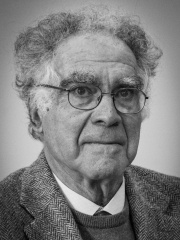
Carlo Ginzburg
1939 - 2026
HPI: 67.98
順位: 9
Timaeus
350 BC - 260 BC
HPI: 67.68
順位: 10
Flavio Biondo
1388 - 1463
HPI: 66.35
順位: 11
Tyrannius Rufinus
345 - 411
HPI: 66.16
順位: 12




