مؤرخ
سويتونيوس
70 - 126
مشاهدات AR.WIKIPEDIA (PV)
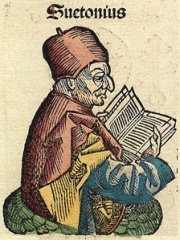
 سويتونيوس
سيرته الذاتية متاحة بـ70 لغة مختلفة على ويكيبيديا (زيادة من 67 في 2024). يحتل سويتونيوس المرتبة 12 بين أكثر مؤرخ شعبيةً (تراجعًا من 10 في 2024)، والمرتبة 299 بين أكثر السير الذاتية شعبيةً في إيطاليا (تراجعًا من 219 في 2019)، كما يحتل المرتبة 3 بين أكثر مؤرخ من إيطاليا شعبيةً.
مقاييس الشهرة
310k
مشاهدات الصفحة
آخر 12 شهرًا
77.79
HPI
مؤشر الشعبية التاريخية
رؤى من البيانات
#2,217
بعد أكثر من 19 قرون على الوفاة، لا يزال سويتونيوس في المرتبة 2,217 بين جميع الشخصيات في بانثيون.
70
تظهر سيرة سويتونيوس في 70 نسخة لغوية من ويكيبيديا — أكثر من 97٪ من جميع مؤرخ.
مشاهدات صفحة سويتونيوس حسب اللغة
من بين مؤرخ
من بين مؤرخ، يحتل سويتونيوس المرتبة 12 من أصل 561. قبله يأتي Xenophon, Livy, Josephus, Diodorus Siculus, Alexis de Tocqueville, وPolybius. بعده يأتي Thomas Kuhn, Hecataeus of Miletus, Procopius, Thomas Babington Macaulay, Mircea Eliade, وCassius Dio.
أشهر مؤرخ على ويكيبيديا
عرض جميع التصنيفات
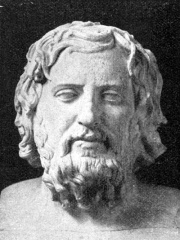
Xenophon
430 BC - 354 BC
HPI: 82.05
المرتبة: 6
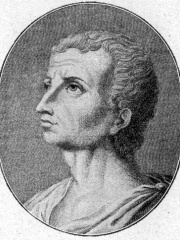
Livy
59 BC - 17
HPI: 81.96
المرتبة: 7
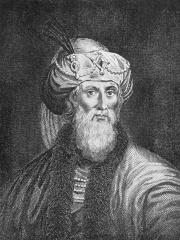
Josephus
37 - 100
HPI: 80.94
المرتبة: 8
Diodorus Siculus
90 BC - 30 BC
HPI: 79.20
المرتبة: 9
Alexis de Tocqueville
1805 - 1859
HPI: 78.33
المرتبة: 10
Polybius
208 BC - 126 BC
HPI: 77.83
المرتبة: 11
Suetonius
70 - 126
HPI: 77.79
المرتبة: 12
Thomas Kuhn
1922 - 1996
HPI: 76.91
المرتبة: 13
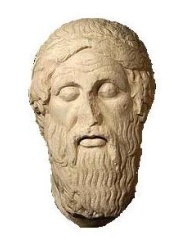
Hecataeus of Miletus
550 BC - 476 BC
HPI: 76.89
المرتبة: 14

Procopius
500 - 560
HPI: 76.58
المرتبة: 15
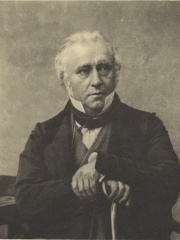
Thomas Babington Macaulay
1800 - 1859
HPI: 76.29
المرتبة: 16
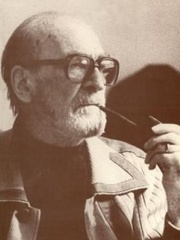
Mircea Eliade
1907 - 1986
HPI: 76.17
المرتبة: 17
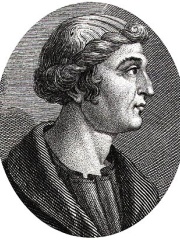
Cassius Dio
155 - 235
HPI: 76.14
المرتبة: 18

معاصرون
من بين المولودين في عام 70، يحتل سويتونيوس المرتبة 1. بعده يأتي Pope Anicetus, Papias of Hierapolis, Menelaus of Alexandria, Theon of Smyrna, وGaius Julius Quadratus Bassus. من بين المتوفين في عام 126، يحتل سويتونيوس المرتبة 1. بعده يأتي Domitia Longina, Saint Sabina, وPhilopappos.
آخرون وُلدوا في عام 70
عرض جميع التصنيفاتSuetonius
HISTORIAN
70 - 126
HPI: 77.79
المرتبة: 1
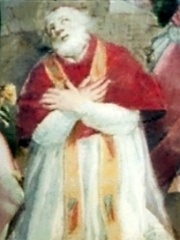
Pope Anicetus
RELIGIOUS FIGURE
70 - 168
HPI: 77.69
المرتبة: 2
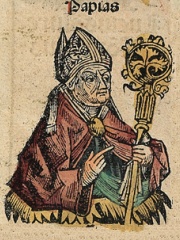
Papias of Hierapolis
RELIGIOUS FIGURE
70 - 100
HPI: 69.08
المرتبة: 3

Menelaus of Alexandria
MATHEMATICIAN
70 - 140
HPI: 68.57
المرتبة: 4

Theon of Smyrna
MATHEMATICIAN
70 - 135
HPI: 62.34
المرتبة: 5
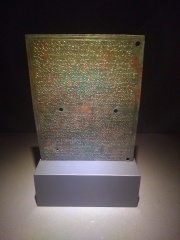
Gaius Julius Quadratus Bassus
POLITICIAN
70 - 117
HPI: 56.11
المرتبة: 6
آخرون توفوا في عام 126
عرض جميع التصنيفاتSuetonius
HISTORIAN
70 - 126
HPI: 77.79
المرتبة: 1
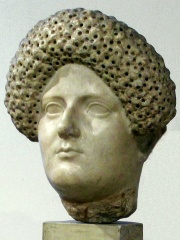
Domitia Longina
COMPANION
100 - 126
HPI: 67.82
المرتبة: 2
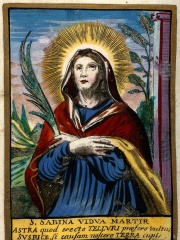
Saint Sabina
RELIGIOUS FIGURE
100 - 126
HPI: 64.70
المرتبة: 3
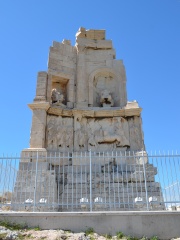
Philopappos
POLITICIAN
100 - 126
HPI: 59.22
المرتبة: 4
في إيطاليا
من بين المولودين في إيطاليا، يحتل سويتونيوس المرتبة 299 من أصل 5,161. قبله يأتي Pope Honorius I (585), Pope Sixtus III (390), Pope Adeodatus I (570), Carlo Goldoni (1707), Pope Sergius III (860), وPope Lucius I (200). بعده يأتي Pope Pontian (200), Canaletto (1697), Germanicus (-15), Lucius Tarquinius Priscus (-700), Pope Gregory II (669), وPope Agatho (574).
آخرون وُلدوا في إيطاليا
عرض جميع التصنيفات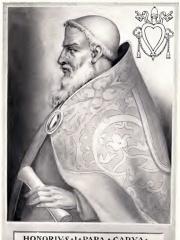
Pope Honorius I
RELIGIOUS FIGURE
585 - 638
HPI: 77.98
المرتبة: 293
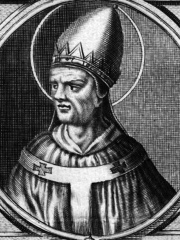
Pope Sixtus III
RELIGIOUS FIGURE
390 - 440
HPI: 77.96
المرتبة: 294
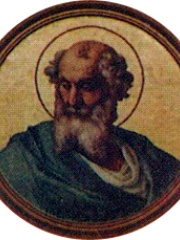
Pope Adeodatus I
RELIGIOUS FIGURE
570 - 618
HPI: 77.96
المرتبة: 295
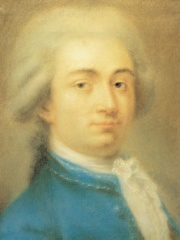
Carlo Goldoni
WRITER
1707 - 1793
HPI: 77.89
المرتبة: 296
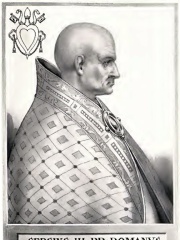
Pope Sergius III
RELIGIOUS FIGURE
860 - 911
HPI: 77.89
المرتبة: 297
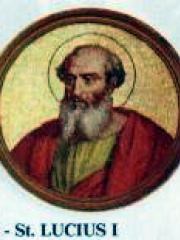
Pope Lucius I
RELIGIOUS FIGURE
200 - 254
HPI: 77.83
المرتبة: 298
Suetonius
HISTORIAN
70 - 126
HPI: 77.79
المرتبة: 299
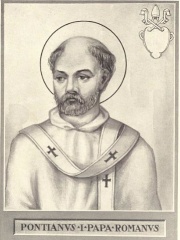
Pope Pontian
RELIGIOUS FIGURE
200 - 235
HPI: 77.78
المرتبة: 300
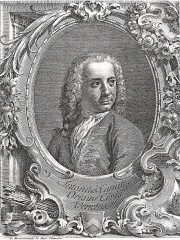
Canaletto
PAINTER
1697 - 1768
HPI: 77.76
المرتبة: 301
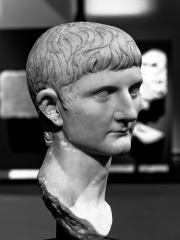
Germanicus
MILITARY PERSONNEL
15 BC - 19
HPI: 77.73
المرتبة: 302
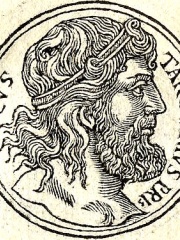
Lucius Tarquinius Priscus
POLITICIAN
700 BC - 579 BC
HPI: 77.72
المرتبة: 303
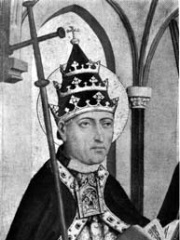
Pope Gregory II
RELIGIOUS FIGURE
669 - 731
HPI: 77.72
المرتبة: 304
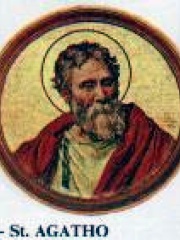
Pope Agatho
RELIGIOUS FIGURE
574 - 681
HPI: 77.72
المرتبة: 305
من بين مؤرخ في إيطاليا
من بين مؤرخ المولودين في إيطاليا، يحتل سويتونيوس المرتبة 3. قبله يأتي Livy (-59), وDiodorus Siculus (-90). بعده يأتي Leonardo Bruni (1370), Marcus Velleius Paterculus (-19), Poggio Bracciolini (1380), Francesco Guicciardini (1483), Euhemerus (-330), Carlo Ginzburg (1939), Timaeus (-350), Flavio Biondo (1388), وTyrannius Rufinus (345).
Livy
59 BC - 17
HPI: 81.96
المرتبة: 1
Diodorus Siculus
90 BC - 30 BC
HPI: 79.20
المرتبة: 2
Suetonius
70 - 126
HPI: 77.79
المرتبة: 3
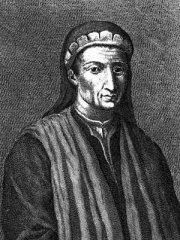
Leonardo Bruni
1370 - 1444
HPI: 72.96
المرتبة: 4
Marcus Velleius Paterculus
19 BC - 31
HPI: 72.46
المرتبة: 5
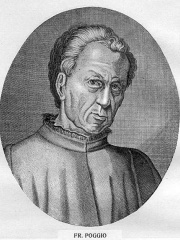
Poggio Bracciolini
1380 - 1459
HPI: 71.22
المرتبة: 6
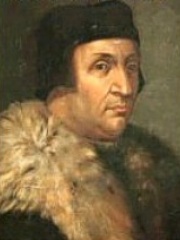
Francesco Guicciardini
1483 - 1540
HPI: 70.74
المرتبة: 7

Euhemerus
330 BC - 250 BC
HPI: 70.70
المرتبة: 8
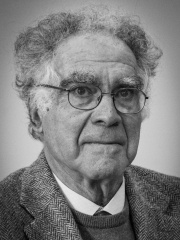
Carlo Ginzburg
1939 - 2026
HPI: 67.98
المرتبة: 9
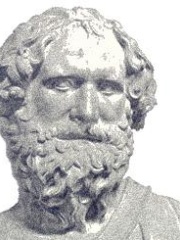
Timaeus
350 BC - 260 BC
HPI: 67.68
المرتبة: 10
Flavio Biondo
1388 - 1463
HPI: 66.35
المرتبة: 11
Tyrannius Rufinus
345 - 411
HPI: 66.16
المرتبة: 12




