Filozof
Zenon z Elei
490 BC - 425 BC
PL.WIKIPEDIA PAGE VIEWS (PV)
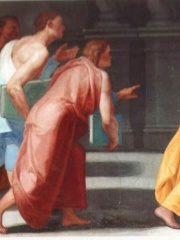
 Zenon z Elei
Jego biografia jest dostępna w 78 różnych językach w Wikipedii. Zenon z Elei jest 60. najpopularniejszym filozof (spadek z 57. w 2024 roku), 144. najpopularniejszą biografią Włochy (spadek z 75. w 2019 roku) oraz 7. najpopularniejszym filozof Włochy.
Memorability Metrics
270k
Page Views
Past 12 months
81.64
HPI
Historical Popularity Index
Page views of Zenon z Elei by language
Among Filozofs
Among filozofs, Zenon z Elei ranks 60 out of 1,267. Before him are Hannah Arendt, Mikhail Bakunin, Henri Bergson, Plotinus, Karl Popper, and Ramakrishna. After him are Zhuang Zhou, Epictetus, Thomas More, Johann Gottlieb Fichte, Zhu Xi, and Antonio Gramsci.
Most Popular Filozofs in Wikipedia
Go to all Rankings
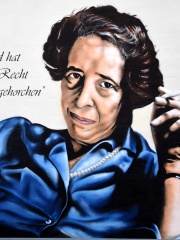
Hannah Arendt
1906 - 1975
HPI: 82.29
Rank: 54
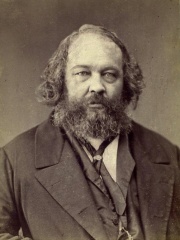
Mikhail Bakunin
1814 - 1876
HPI: 82.22
Rank: 55
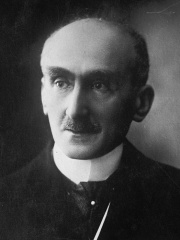
Henri Bergson
1859 - 1941
HPI: 82.22
Rank: 56
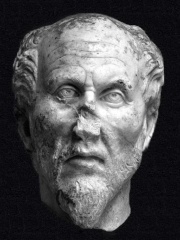
Plotinus
203 - 270
HPI: 82.09
Rank: 57
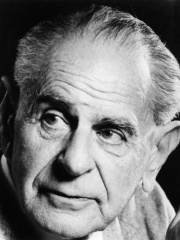
Karl Popper
1902 - 1994
HPI: 81.86
Rank: 58
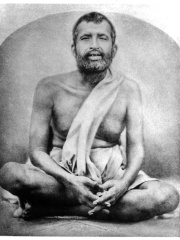
Ramakrishna
1836 - 1886
HPI: 81.84
Rank: 59
Zeno of Elea
490 BC - 425 BC
HPI: 81.64
Rank: 60
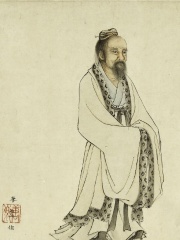
Zhuang Zhou
369 BC - 286 BC
HPI: 81.63
Rank: 61
Epictetus
50 - 135
HPI: 81.53
Rank: 62
Thomas More
1478 - 1535
HPI: 81.52
Rank: 63
Johann Gottlieb Fichte
1762 - 1814
HPI: 81.40
Rank: 64
Zhu Xi
1130 - 1200
HPI: 81.27
Rank: 65
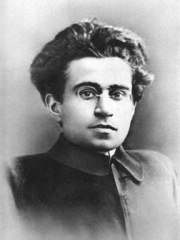
Antonio Gramsci
1891 - 1937
HPI: 80.94
Rank: 66

Contemporaries
Among people born in 490 BC, Zenon z Elei ranks 3. Before him are Empedocles, and Phidias. After him are Nehemiah, Archelaus I of Macedon, Hellanicus of Lesbos, Bacchylides, Agis II, Crateuas of Macedon, Ion of Chios, Nepherites I, and Oenopides. Among people deceased in 425 BC, Zenon z Elei ranks 2. Before him is Herodotus. After him is Achilles Painter.
Others Born in 490 BC
Go to all Rankings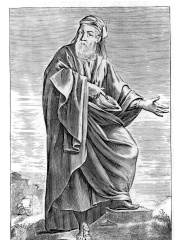
Empedocles
PHILOSOPHER
490 BC - 430 BC
HPI: 83.60
Rank: 1
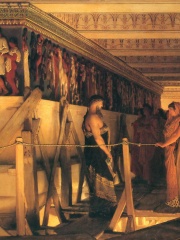
Phidias
SCULPTOR
490 BC - 430 BC
HPI: 82.85
Rank: 2
Zeno of Elea
PHILOSOPHER
490 BC - 425 BC
HPI: 81.64
Rank: 3
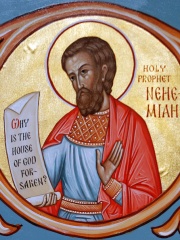
Nehemiah
RELIGIOUS FIGURE
490 BC - 403 BC
HPI: 75.88
Rank: 4
Archelaus I of Macedon
POLITICIAN
490 BC - 399 BC
HPI: 74.01
Rank: 5

Hellanicus of Lesbos
WRITER
490 BC - 405 BC
HPI: 71.15
Rank: 6
Bacchylides
WRITER
490 BC - 451 BC
HPI: 69.29
Rank: 7

Agis II
POLITICIAN
490 BC - 401 BC
HPI: 66.33
Rank: 8

Crateuas of Macedon
POLITICIAN
490 BC - 400 BC
HPI: 65.29
Rank: 9

Ion of Chios
WRITER
490 BC - 422 BC
HPI: 63.12
Rank: 10
Nepherites I
POLITICIAN
490 BC - 393 BC
HPI: 61.80
Rank: 11

Oenopides
ASTRONOMER
490 BC - 420 BC
HPI: 59.84
Rank: 12
Others Deceased in 425 BC
Go to all Rankings
Herodotus
HISTORIAN
484 BC - 425 BC
HPI: 90.06
Rank: 1
Zeno of Elea
PHILOSOPHER
490 BC - 425 BC
HPI: 81.64
Rank: 2
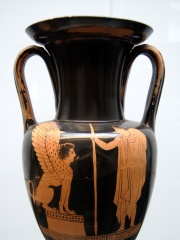
Achilles Painter
PAINTER
470 BC - 425 BC
HPI: 61.86
Rank: 3
In Włochy
Among people born in Włochy, Zenon z Elei ranks 144 out of NaN. Before him are Pope Marcellus II (1501), Pope Formosus (816), Pope Paul IV (1476), Lucius Verus (130), Ennio Morricone (1928), and Amedeo Avogadro (1776). After him are Pope Gregory XIV (1535), Antoninus Pius (86), Pope Nicholas V (1397), Paolo Veronese (1528), Pope Clement X (1590), and Pope Clement IX (1600).
Others born in Włochy
Go to all Rankings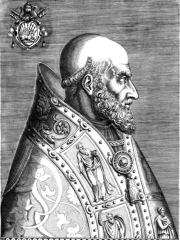
Pope Marcellus II
RELIGIOUS FIGURE
1501 - 1555
HPI: 81.90
Rank: 138
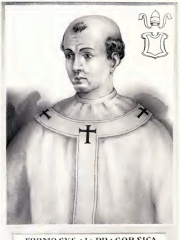
Pope Formosus
RELIGIOUS FIGURE
816 - 896
HPI: 81.79
Rank: 139
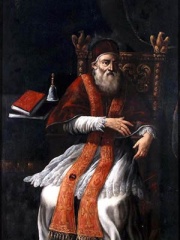
Pope Paul IV
RELIGIOUS FIGURE
1476 - 1559
HPI: 81.79
Rank: 140
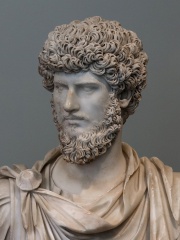
Lucius Verus
POLITICIAN
130 - 169
HPI: 81.78
Rank: 141
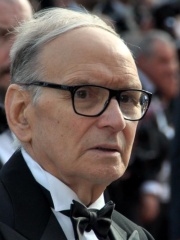
Ennio Morricone
COMPOSER
1928 - 2020
HPI: 81.73
Rank: 142
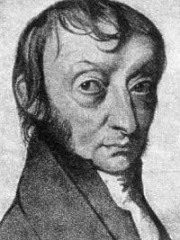
Amedeo Avogadro
CHEMIST
1776 - 1856
HPI: 81.67
Rank: 143
Zeno of Elea
PHILOSOPHER
490 BC - 425 BC
HPI: 81.64
Rank: 144
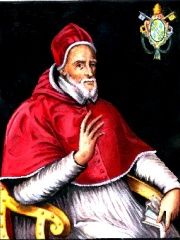
Pope Gregory XIV
RELIGIOUS FIGURE
1535 - 1591
HPI: 81.61
Rank: 145
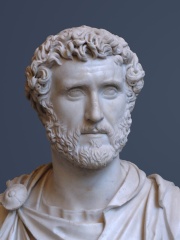
Antoninus Pius
POLITICIAN
86 - 161
HPI: 81.59
Rank: 146
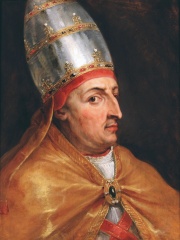
Pope Nicholas V
RELIGIOUS FIGURE
1397 - 1455
HPI: 81.49
Rank: 147
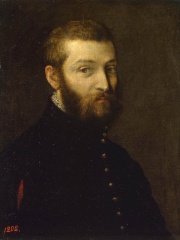
Paolo Veronese
PAINTER
1528 - 1588
HPI: 81.44
Rank: 148
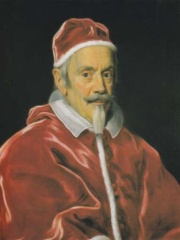
Pope Clement X
RELIGIOUS FIGURE
1590 - 1676
HPI: 81.44
Rank: 149
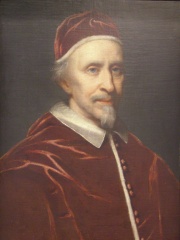
Pope Clement IX
RELIGIOUS FIGURE
1600 - 1669
HPI: 81.41
Rank: 150
Among Filozofs In Włochy
Among filozofs born in Włochy, Zenon z Elei ranks 7. Before him are Niccolò Machiavelli (1469), Thomas Aquinas (1225), Maria Montessori (1870), Parmenides (-501), Lucretius (-94), and Empedocles (-490). After him are Antonio Gramsci (1891), Pliny the Elder (23), Giovanni Pico della Mirandola (1463), Boethius (480), Bonaventure (1221), and Marsilio Ficino (1433).
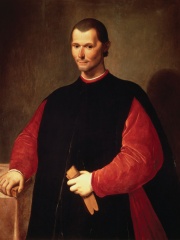
Niccolò Machiavelli
1469 - 1527
HPI: 90.45
Rank: 1
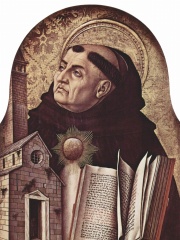
Thomas Aquinas
1225 - 1274
HPI: 88.70
Rank: 2
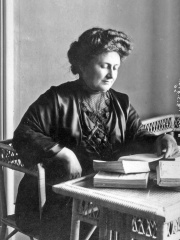
Maria Montessori
1870 - 1952
HPI: 84.59
Rank: 3
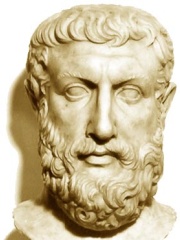
Parmenides
501 BC - 470 BC
HPI: 84.47
Rank: 4
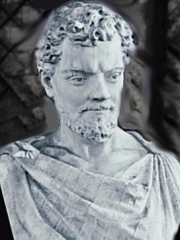
Lucretius
94 BC - 55 BC
HPI: 83.96
Rank: 5
Empedocles
490 BC - 430 BC
HPI: 83.60
Rank: 6
Zeno of Elea
490 BC - 425 BC
HPI: 81.64
Rank: 7
Antonio Gramsci
1891 - 1937
HPI: 80.94
Rank: 8
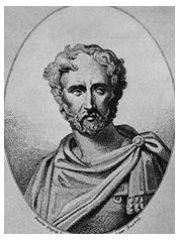
Pliny the Elder
23 - 79
HPI: 80.68
Rank: 9
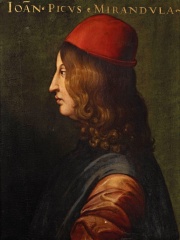
Giovanni Pico della Mirandola
1463 - 1494
HPI: 79.56
Rank: 10
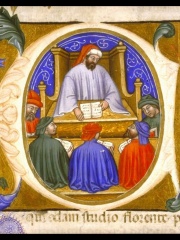
Boethius
480 - 525
HPI: 78.53
Rank: 11
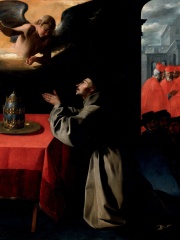
Bonaventure
1221 - 1274
HPI: 77.62
Rank: 12
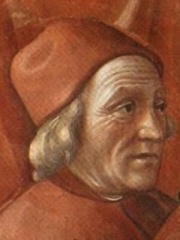
Marsilio Ficino
1433 - 1499
HPI: 77.16
Rank: 13




