Химик
Авогадро, Амедео
1776 - 1856
ПРОСМОТРЫ RU.WIKIPEDIA (PV)
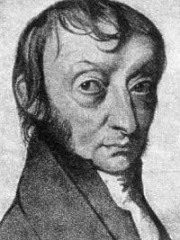
 Авогадро, Амедео
Его биография доступна на 92 различных языках в Википедии (рост с 90 в 2024 году). Авогадро, Амедео занимает 8-е место среди самых популярных химик, занимает 143-е место среди самых популярных биографий из Италии (снижение с 108-е места в 2019 году) и занимает 1-е место среди химик Италия.
Метрики памятности
200k
Просмотры страниц
За последние 12 месяцев
81.67
HPI
Индекс исторической популярности
Интересные факты
Просмотры страницы Авогадро, Амедео по языкам
Среди представителей профессии «Химик»
Среди представителей профессии «Химик» Авогадро, Амедео занимает 8-е место из 610. Перед ним идут Alfred Nobel, Dmitri Mendeleev, Antoine Lavoisier, John Dalton, Jabir ibn Hayyan, и Irène Joliot-Curie. После него идут Joseph Louis Gay-Lussac, Robert Boyle, Jacobus Henricus van 't Hoff, Emil Fischer, Svante Arrhenius, и John Stith Pemberton.
Самые популярные в Википедии: Химик
Все рейтинги
Alfred Nobel
1833 - 1896
HPI: 88.86
Место: 2
Dmitri Mendeleev
1834 - 1907
HPI: 86.92
Место: 3
Antoine Lavoisier
1743 - 1794
HPI: 86.04
Место: 4
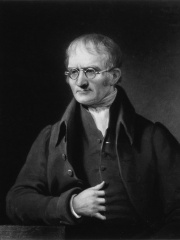
John Dalton
1766 - 1844
HPI: 83.53
Место: 5
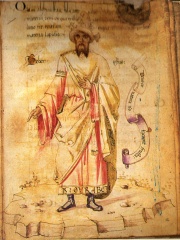
Jabir ibn Hayyan
721 - 815
HPI: 82.30
Место: 6
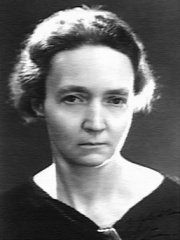
Irène Joliot-Curie
1897 - 1956
HPI: 82.18
Место: 7
Amedeo Avogadro
1776 - 1856
HPI: 81.67
Место: 8
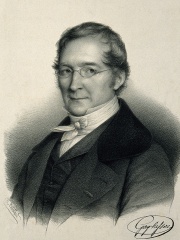
Joseph Louis Gay-Lussac
1778 - 1850
HPI: 81.21
Место: 9
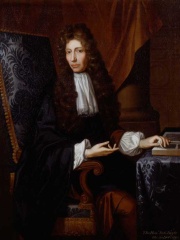
Robert Boyle
1627 - 1691
HPI: 80.93
Место: 10
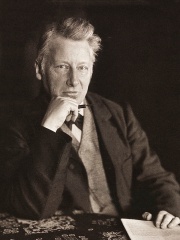
Jacobus Henricus van 't Hoff
1852 - 1911
HPI: 80.83
Место: 11
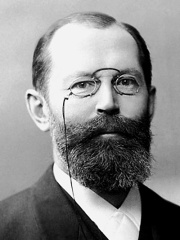
Emil Fischer
1852 - 1919
HPI: 80.82
Место: 12
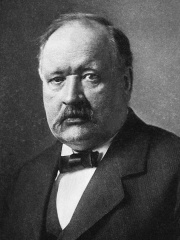
Svante Arrhenius
1859 - 1927
HPI: 80.55
Место: 13
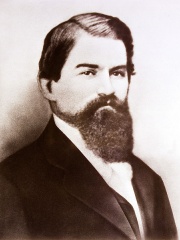
John Stith Pemberton
1831 - 1888
HPI: 80.50
Место: 14

Современники
Среди людей, родившихся в 1776 году, Авогадро, Амедео занимает 1-е место. После него идут E. T. A. Hoffmann, Johann Friedrich Herbart, Sophie Germain, John Constable, Louise of Mecklenburg-Strelitz, Caroline of Baden, Ioannis Kapodistrias, Archduke Joseph, Palatine of Hungary, Şehzade Abdullah, Johann Wilhelm Ritter, и Prince William Frederick, Duke of Gloucester and Edinburgh. Среди людей, умерших в 1856 году, Авогадро, Амедео занимает 3-е место. Перед ним идут Robert Schumann, и Heinrich Heine. После него идут Max Stirner, Nikolai Lobachevsky, Adolphe Adam, Paul Delaroche, John Ross, Ivan Paskevich, Étienne Cabet, Ľudovít Štúr, и Florestan I, Prince of Monaco.
Другие люди, родившиеся в 1776 году
Все рейтингиAmedeo Avogadro
CHEMIST
1776 - 1856
HPI: 81.67
Место: 1
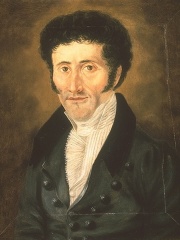
E. T. A. Hoffmann
WRITER
1776 - 1822
HPI: 79.88
Место: 2
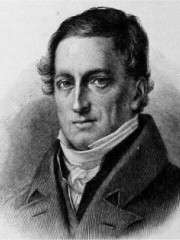
Johann Friedrich Herbart
PHILOSOPHER
1776 - 1841
HPI: 76.78
Место: 3
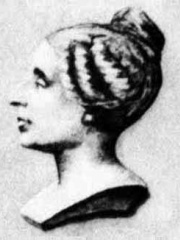
Sophie Germain
MATHEMATICIAN
1776 - 1831
HPI: 75.67
Место: 4
John Constable
PAINTER
1776 - 1837
HPI: 73.86
Место: 5
Louise of Mecklenburg-Strelitz
COMPANION
1776 - 1810
HPI: 73.78
Место: 6
Caroline of Baden
COMPANION
1776 - 1841
HPI: 72.14
Место: 7
Ioannis Kapodistrias
POLITICIAN
1776 - 1831
HPI: 71.62
Место: 8
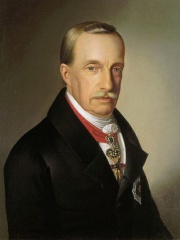
Archduke Joseph, Palatine of Hungary
POLITICIAN
1776 - 1847
HPI: 70.78
Место: 9

Şehzade Abdullah
POLITICIAN
1776 - 1849
HPI: 70.36
Место: 10
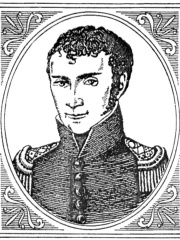
Johann Wilhelm Ritter
CHEMIST
1776 - 1810
HPI: 69.10
Место: 11
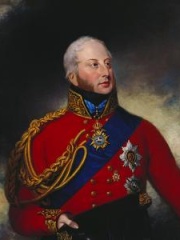
Prince William Frederick, Duke of Gloucester and Edinburgh
POLITICIAN
1776 - 1834
HPI: 67.43
Место: 12
Другие люди, умершие в 1856 году
Все рейтинги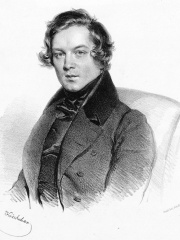
Robert Schumann
COMPOSER
1810 - 1856
HPI: 84.50
Место: 1
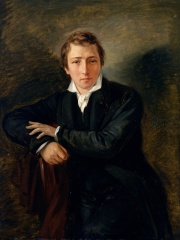
Heinrich Heine
WRITER
1797 - 1856
HPI: 81.96
Место: 2
Amedeo Avogadro
CHEMIST
1776 - 1856
HPI: 81.67
Место: 3
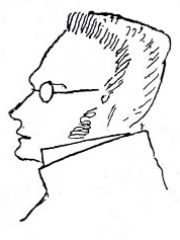
Max Stirner
PHILOSOPHER
1806 - 1856
HPI: 75.62
Место: 4
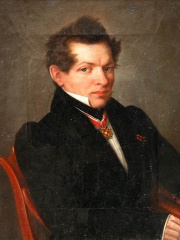
Nikolai Lobachevsky
MATHEMATICIAN
1792 - 1856
HPI: 74.62
Место: 5
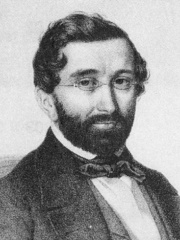
Adolphe Adam
COMPOSER
1803 - 1856
HPI: 73.61
Место: 6
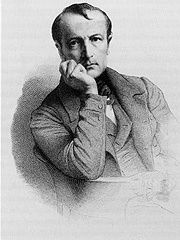
Paul Delaroche
PAINTER
1797 - 1856
HPI: 73.15
Место: 7
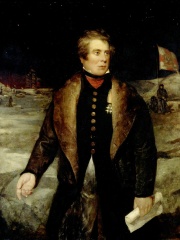
John Ross
EXPLORER
1777 - 1856
HPI: 70.44
Место: 8
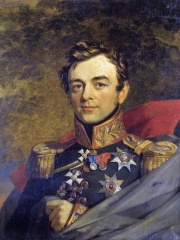
Ivan Paskevich
MILITARY PERSONNEL
1782 - 1856
HPI: 69.59
Место: 9
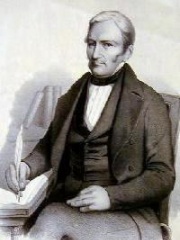
Étienne Cabet
PHILOSOPHER
1788 - 1856
HPI: 69.00
Место: 10
Ľudovít Štúr
WRITER
1815 - 1856
HPI: 68.58
Место: 11
Florestan I, Prince of Monaco
POLITICIAN
1785 - 1856
HPI: 67.84
Место: 12
В стране Италия
Среди людей, родившихся в стране Италия, Авогадро, Амедео занимает 143-е место из 5,905. Перед ним идут Pope Alexander VII (1599), Pope Marcellus II (1501), Pope Formosus (816), Pope Paul IV (1476), Lucius Verus (130), и Ennio Morricone (1928). После него идут Zeno of Elea (-490), Pope Gregory XIV (1535), Antoninus Pius (86), Pope Nicholas V (1397), Paolo Veronese (1528), и Pope Clement X (1590).
Другие люди, родившиеся в стране Италия
Все рейтинги
Pope Alexander VII
RELIGIOUS FIGURE
1599 - 1667
HPI: 81.91
Место: 137
Pope Marcellus II
RELIGIOUS FIGURE
1501 - 1555
HPI: 81.90
Место: 138
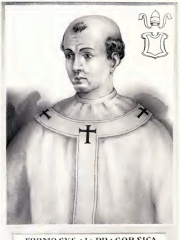
Pope Formosus
RELIGIOUS FIGURE
816 - 896
HPI: 81.79
Место: 139
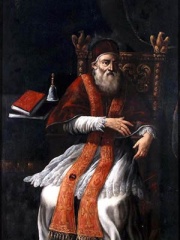
Pope Paul IV
RELIGIOUS FIGURE
1476 - 1559
HPI: 81.79
Место: 140
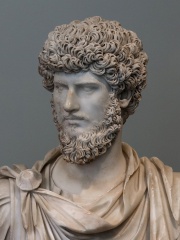
Lucius Verus
POLITICIAN
130 - 169
HPI: 81.78
Место: 141
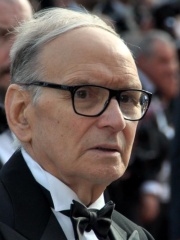
Ennio Morricone
COMPOSER
1928 - 2020
HPI: 81.73
Место: 142
Amedeo Avogadro
CHEMIST
1776 - 1856
HPI: 81.67
Место: 143
Zeno of Elea
PHILOSOPHER
490 BC - 425 BC
HPI: 81.64
Место: 144
Pope Gregory XIV
RELIGIOUS FIGURE
1535 - 1591
HPI: 81.61
Место: 145
Antoninus Pius
POLITICIAN
86 - 161
HPI: 81.59
Место: 146
Pope Nicholas V
RELIGIOUS FIGURE
1397 - 1455
HPI: 81.49
Место: 147
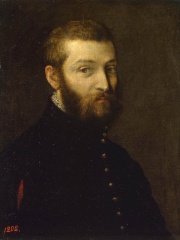
Paolo Veronese
PAINTER
1528 - 1588
HPI: 81.44
Место: 148
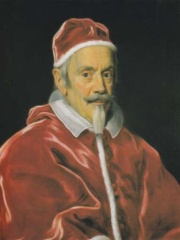
Pope Clement X
RELIGIOUS FIGURE
1590 - 1676
HPI: 81.44
Место: 149
Среди представителей профессии «Химик» в стране Италия
Среди представителей профессии «Химик», родившихся в стране Италия, Авогадро, Амедео занимает 1-е место. После него идут Giulio Natta (1903), Stanislao Cannizzaro (1826), Ascanio Sobrero (1812), Édouard Herzen (1877), Agnes Pockels (1862), и Oktay Sinanoğlu (1935).
Amedeo Avogadro
1776 - 1856
HPI: 81.67
Место: 1
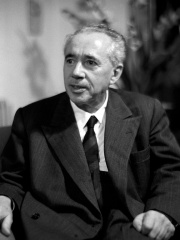
Giulio Natta
1903 - 1979
HPI: 68.86
Место: 2
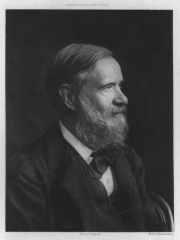
Stanislao Cannizzaro
1826 - 1910
HPI: 68.39
Место: 3
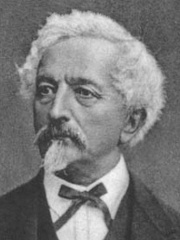
Ascanio Sobrero
1812 - 1888
HPI: 66.38
Место: 4
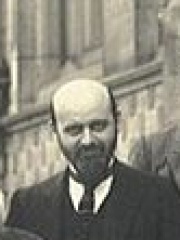
Édouard Herzen
1877 - 1936
HPI: 62.21
Место: 5
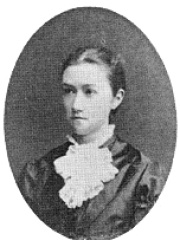
Agnes Pockels
1862 - 1935
HPI: 61.17
Место: 6

Oktay Sinanoğlu
1935 - 2015
HPI: 54.61
Место: 7




