Żołnierz
Czang Kaj-szek
1887 - 1975
PL.WIKIPEDIA PAGE VIEWS (PV)
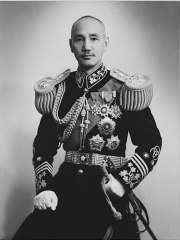
 Czang Kaj-szek
Jego biografia jest dostępna w 123 różnych językach w Wikipedii (wzrost z 119 w 2024 roku). Czang Kaj-szek jest 6. najpopularniejszym żołnierz (wzrost z 18. w 2024 roku), 7. najpopularniejszą biografią Chiny (wzrost z 17. w 2019 roku) oraz najpopularniejszym żołnierz Chiny.
Memorability Metrics
3.4M
Page Views
Past 12 months
86.25
HPI
Historical Popularity Index
Page views of Czang Kaj-szek by language
Among Żołnierzs
Among żołnierzs, Czang Kaj-szek ranks 6 out of 2,058. Before him are Genghis Khan, Alexander the Great, Joan of Arc, Timur, and Charles de Gaulle. After him are Karl Dönitz, Bernard Montgomery, Adolf Eichmann, Charles XIV John of Sweden, Oda Nobunaga, and Erwin Rommel.
Most Popular ŻOłnierzs in Wikipedia
Go to all Rankings
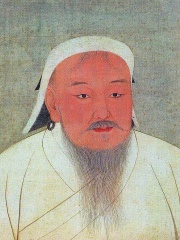
Genghis Khan
1162 - 1227
HPI: 98.43
Rank: 1
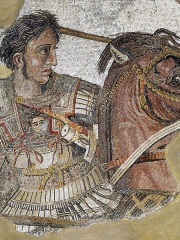
Alexander the Great
356 BC - 323 BC
HPI: 95.63
Rank: 2
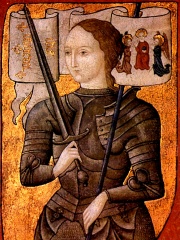
Joan of Arc
1412 - 1431
HPI: 91.02
Rank: 3
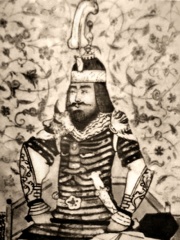
Timur
1336 - 1405
HPI: 90.74
Rank: 4
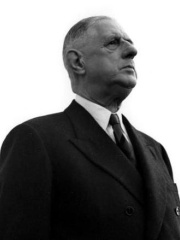
Charles de Gaulle
1890 - 1970
HPI: 86.70
Rank: 5
Chiang Kai-shek
1887 - 1975
HPI: 86.25
Rank: 6
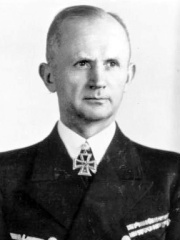
Karl Dönitz
1891 - 1980
HPI: 84.90
Rank: 7
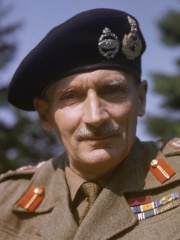
Bernard Montgomery
1887 - 1976
HPI: 84.19
Rank: 8
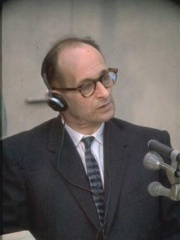
Adolf Eichmann
1906 - 1962
HPI: 83.12
Rank: 9
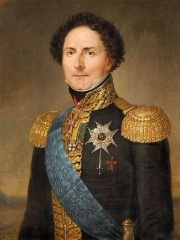
Charles XIV John of Sweden
1763 - 1844
HPI: 82.94
Rank: 10
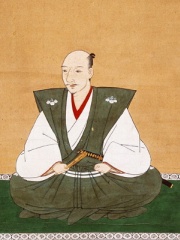
Oda Nobunaga
1534 - 1582
HPI: 82.89
Rank: 11
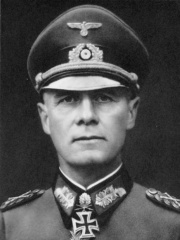
Erwin Rommel
1891 - 1944
HPI: 82.62
Rank: 12

Contemporaries
Among people born in 1887, Czang Kaj-szek ranks 2. Before him is Le Corbusier. After him are Erwin Schrödinger, Bernard Montgomery, Marc Chagall, Charles I of Austria, Erich von Manstein, Padre Pio, Marcel Duchamp, Srinivasa Ramanujan, Ernst Röhm, and Gustav Ludwig Hertz. Among people deceased in 1975, Czang Kaj-szek ranks 2. Before him is Haile Selassie. After him are Francisco Franco, Hannah Arendt, Dmitri Shostakovich, Ivo Andrić, Pier Paolo Pasolini, Umm Kulthum, Aristotle Onassis, Faisal of Saudi Arabia, Robert Robinson, and Otto Skorzeny.
Others Born in 1887
Go to all Rankings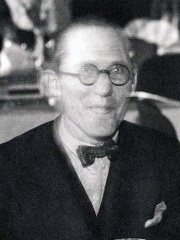
Le Corbusier
ARCHITECT
1887 - 1965
HPI: 86.85
Rank: 1
Chiang Kai-shek
MILITARY PERSONNEL
1887 - 1975
HPI: 86.25
Rank: 2
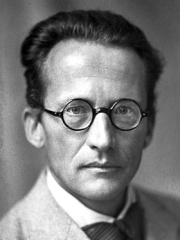
Erwin Schrödinger
PHYSICIST
1887 - 1961
HPI: 84.23
Rank: 3
Bernard Montgomery
MILITARY PERSONNEL
1887 - 1976
HPI: 84.19
Rank: 4
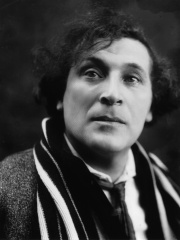
Marc Chagall
PAINTER
1887 - 1985
HPI: 82.65
Rank: 5
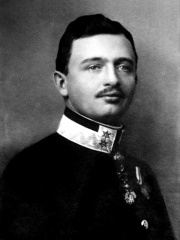
Charles I of Austria
POLITICIAN
1887 - 1922
HPI: 81.72
Rank: 6
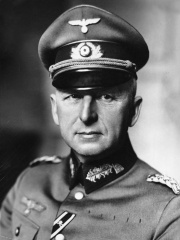
Erich von Manstein
MILITARY PERSONNEL
1887 - 1973
HPI: 80.50
Rank: 7
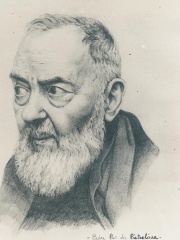
Padre Pio
RELIGIOUS FIGURE
1887 - 1968
HPI: 79.99
Rank: 8
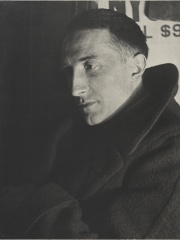
Marcel Duchamp
ARTIST
1887 - 1968
HPI: 79.88
Rank: 9
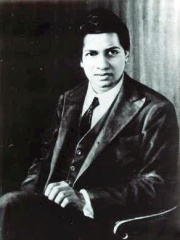
Srinivasa Ramanujan
MATHEMATICIAN
1887 - 1920
HPI: 79.85
Rank: 10
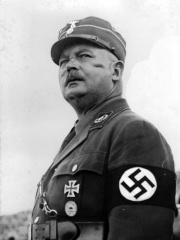
Ernst Röhm
MILITARY PERSONNEL
1887 - 1934
HPI: 77.03
Rank: 11
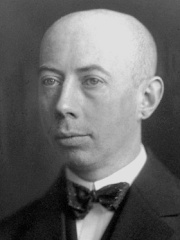
Gustav Ludwig Hertz
PHYSICIST
1887 - 1975
HPI: 76.77
Rank: 12
Others Deceased in 1975
Go to all Rankings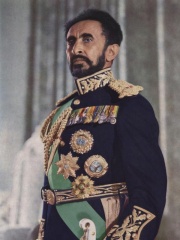
Haile Selassie
POLITICIAN
1892 - 1975
HPI: 86.85
Rank: 1
Chiang Kai-shek
MILITARY PERSONNEL
1887 - 1975
HPI: 86.25
Rank: 2
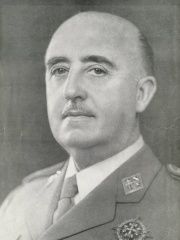
Francisco Franco
POLITICIAN
1892 - 1975
HPI: 85.72
Rank: 3
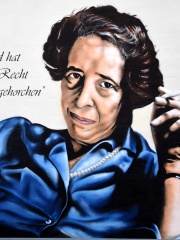
Hannah Arendt
PHILOSOPHER
1906 - 1975
HPI: 82.29
Rank: 4
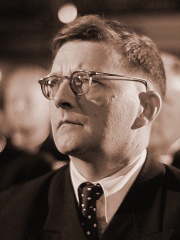
Dmitri Shostakovich
COMPOSER
1906 - 1975
HPI: 82.02
Rank: 5

Ivo Andrić
WRITER
1892 - 1975
HPI: 80.64
Rank: 6
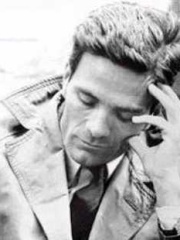
Pier Paolo Pasolini
FILM DIRECTOR
1922 - 1975
HPI: 79.68
Rank: 7
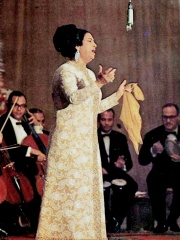
Umm Kulthum
SINGER
1898 - 1975
HPI: 79.44
Rank: 8
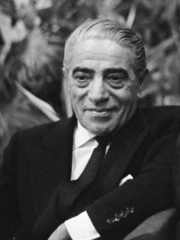
Aristotle Onassis
BUSINESSPERSON
1906 - 1975
HPI: 79.38
Rank: 9
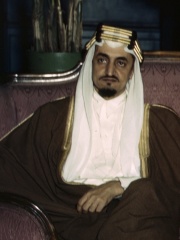
Faisal of Saudi Arabia
POLITICIAN
1906 - 1975
HPI: 78.51
Rank: 10
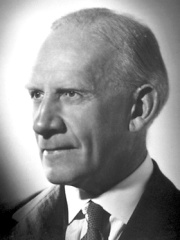
Robert Robinson
CHEMIST
1886 - 1975
HPI: 77.85
Rank: 11
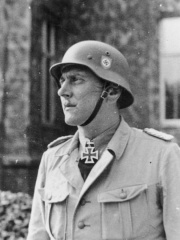
Otto Skorzeny
MILITARY PERSONNEL
1908 - 1975
HPI: 77.53
Rank: 12
In Chiny
Among people born in Chiny, Czang Kaj-szek ranks 7 out of NaN. Before him are Confucius (-551), Laozi (-604), Kublai Khan (1215), Qin Shi Huang (-258), Huang Xianfan (1899), and Mao Zedong (1893). After him are Zheng He (1387), Li Bai (701), Sun Tzu (-544), Sima Qian (-145), Puyi (1906), and 14th Dalai Lama (1935).
Others born in Chiny
Go to all Rankings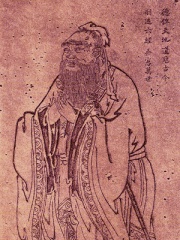
Confucius
PHILOSOPHER
551 BC - 479 BC
HPI: 93.57
Rank: 1
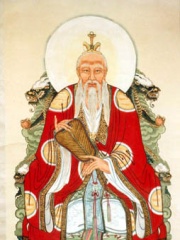
Laozi
PHILOSOPHER
604 BC - 600 BC
HPI: 91.85
Rank: 2
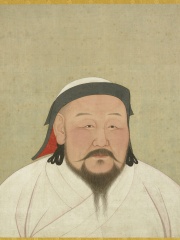
Kublai Khan
POLITICIAN
1215 - 1294
HPI: 91.15
Rank: 3
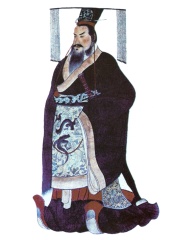
Qin Shi Huang
POLITICIAN
258 BC - 210 BC
HPI: 90.99
Rank: 4
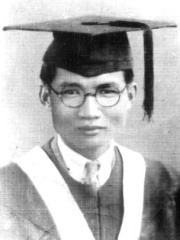
Huang Xianfan
POLITICIAN
1899 - 1982
HPI: 89.40
Rank: 5
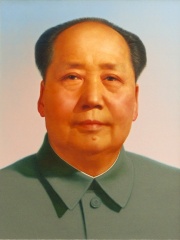
Mao Zedong
POLITICIAN
1893 - 1976
HPI: 88.70
Rank: 6
Chiang Kai-shek
MILITARY PERSONNEL
1887 - 1975
HPI: 86.25
Rank: 7
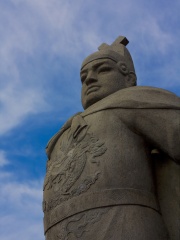
Zheng He
EXPLORER
1387 - 1433
HPI: 84.21
Rank: 8
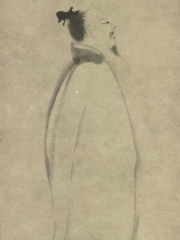
Li Bai
WRITER
701 - 762
HPI: 84.11
Rank: 9
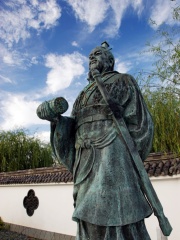
Sun Tzu
PHILOSOPHER
544 BC - 496 BC
HPI: 83.60
Rank: 10
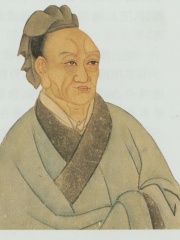
Sima Qian
HISTORIAN
145 BC - 86 BC
HPI: 83.52
Rank: 11
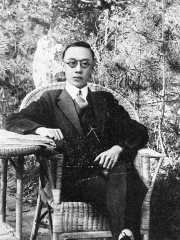
Puyi
POLITICIAN
1906 - 1967
HPI: 83.41
Rank: 12
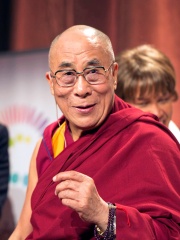
14th Dalai Lama
RELIGIOUS FIGURE
1935 - Present
HPI: 83.17
Rank: 13
Among Żołnierzs In Chiny
Among żołnierzs born in Chiny, Czang Kaj-szek ranks 1. After him are Cao Cao (155), Guan Yu (162), Lü Bu (161), Zhang Fei (167), Dong Zhuo (139), Zhou Yu (175), Yue Fei (1142), Sun Ce (175), Sun Jian (155), Wu Sangui (1612), and Bai Qi (-250).
Chiang Kai-shek
1887 - 1975
HPI: 86.25
Rank: 1
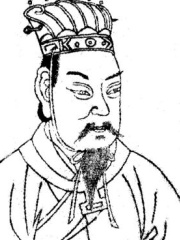
Cao Cao
155 - 220
HPI: 80.54
Rank: 2
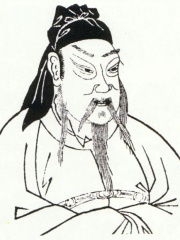
Guan Yu
162 - 220
HPI: 78.46
Rank: 3
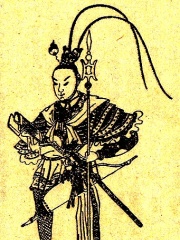
Lü Bu
161 - 199
HPI: 77.65
Rank: 4
Zhang Fei
167 - 221
HPI: 73.54
Rank: 5
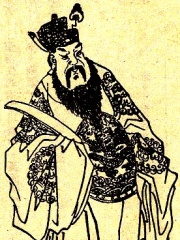
Dong Zhuo
139 - 192
HPI: 73.32
Rank: 6
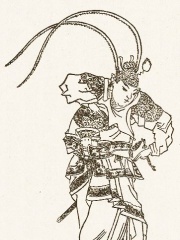
Zhou Yu
175 - 210
HPI: 72.20
Rank: 7
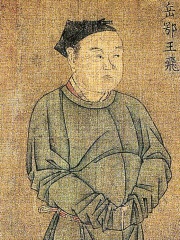
Yue Fei
1142 - 1142
HPI: 71.84
Rank: 8
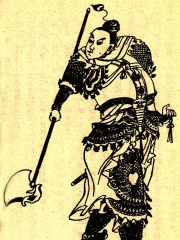
Sun Ce
175 - 200
HPI: 71.59
Rank: 9
Sun Jian
155 - 191
HPI: 71.36
Rank: 10
Wu Sangui
1612 - 1678
HPI: 71.24
Rank: 11
Bai Qi
250 BC - 257 BC
HPI: 71.18
Rank: 12




