Żołnierz
Joanna d’Arc
1412 - 1431
WYŚWIETLENIA PL.WIKIPEDIA (PV)
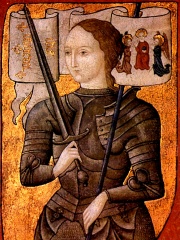
 Joanna d’Arc
Jej biografia jest dostępna w 154 różnych językach w Wikipedii (wzrost z 149 w 2024 roku). Joanna d’Arc jest 3. najpopularniejszym żołnierz (wzrost z 4. w 2024 roku), 5. najpopularniejszą biografią Francja oraz najpopularniejszym żołnierz Francja.
Wskaźniki rozpoznawalności
5.2M
Wyświetlenia strony
Ostatnie 12 miesięcy
91.02
HPI
Indeks historycznej popularności
Wyświetlenia strony Joanna d’Arc według języka
Wśród przedstawicieli zawodu Żołnierz
Wśród przedstawicieli zawodu „Żołnierz” Joanna d’Arc zajmuje 3. miejsce na 2,058. Przed nią są Genghis Khan, i Alexander the Great. Po niej są Timur, Charles de Gaulle, Chiang Kai-shek, Karl Dönitz, Bernard Montgomery, Adolf Eichmann, Charles XIV John of Sweden, Oda Nobunaga, i Erwin Rommel.
Najpopularniejsi w Wikipedii: Żołnierz
Zobacz wszystkie rankingi
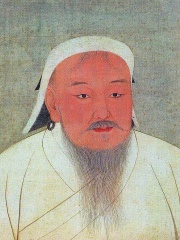
Genghis Khan
1162 - 1227
HPI: 98.43
Miejsce: 1
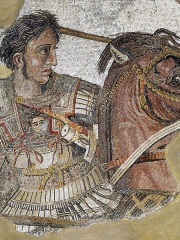
Alexander the Great
356 BC - 323 BC
HPI: 95.63
Miejsce: 2
Joan of Arc
1412 - 1431
HPI: 91.02
Miejsce: 3
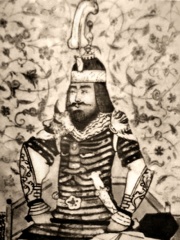
Timur
1336 - 1405
HPI: 90.74
Miejsce: 4
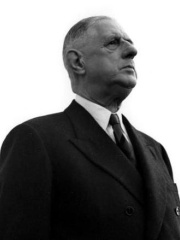
Charles de Gaulle
1890 - 1970
HPI: 86.70
Miejsce: 5
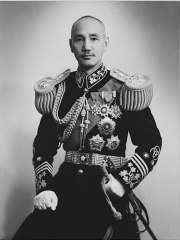
Chiang Kai-shek
1887 - 1975
HPI: 86.25
Miejsce: 6
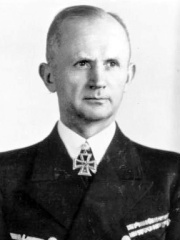
Karl Dönitz
1891 - 1980
HPI: 84.90
Miejsce: 7
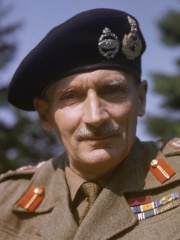
Bernard Montgomery
1887 - 1976
HPI: 84.19
Miejsce: 8

Adolf Eichmann
1906 - 1962
HPI: 83.12
Miejsce: 9
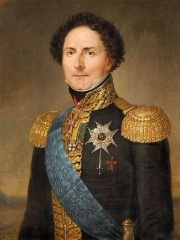
Charles XIV John of Sweden
1763 - 1844
HPI: 82.94
Miejsce: 10
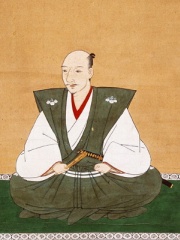
Oda Nobunaga
1534 - 1582
HPI: 82.89
Miejsce: 11
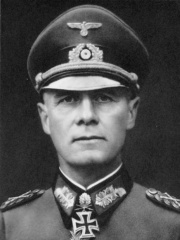
Erwin Rommel
1891 - 1944
HPI: 82.62
Miejsce: 12

Współcześni
Wśród osób urodzonych w 1412 roku Joanna d’Arc zajmuje 1. miejsce. Po niej są Abu'l-Khayr Khan, Frederick II, Elector of Saxony, Ludovico III Gonzaga, Marquis of Mantua, Jaume Huguet, i Ludwig I, Count of Württemberg-Urach. Wśród osób zmarłych w 1431 roku Joanna d’Arc zajmuje 1. miejsce. Po niej są Pope Martin V, Nuno Álvares Pereira, Violant of Bar, Dan II of Wallachia, Charles II, Duke of Lorraine, Bernard I, Margrave of Baden-Baden, Lengvenis, i Radu II of Wallachia.
Inne osoby urodzone w 1412 roku
Zobacz wszystkie rankingiJoan of Arc
MILITARY PERSONNEL
1412 - 1431
HPI: 91.02
Miejsce: 1
Abu'l-Khayr Khan
POLITICIAN
1412 - 1468
HPI: 68.75
Miejsce: 2
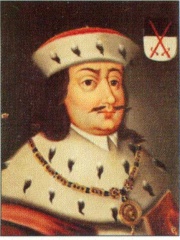
Frederick II, Elector of Saxony
POLITICIAN
1412 - 1464
HPI: 68.14
Miejsce: 3
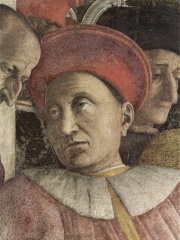
Ludovico III Gonzaga, Marquis of Mantua
POLITICIAN
1412 - 1478
HPI: 64.92
Miejsce: 4
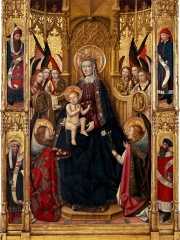
Jaume Huguet
PAINTER
1412 - 1492
HPI: 61.03
Miejsce: 5
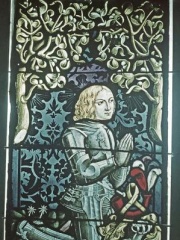
Ludwig I, Count of Württemberg-Urach
NOBLEMAN
1412 - 1450
HPI: 60.03
Miejsce: 6
Inne osoby zmarłe w 1431 roku
Zobacz wszystkie rankingiJoan of Arc
MILITARY PERSONNEL
1412 - 1431
HPI: 91.02
Miejsce: 1
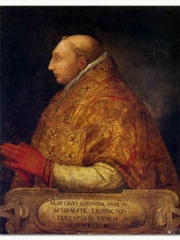
Pope Martin V
RELIGIOUS FIGURE
1369 - 1431
HPI: 79.79
Miejsce: 2
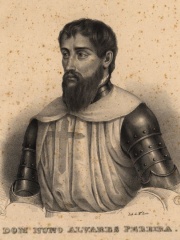
Nuno Álvares Pereira
POLITICIAN
1360 - 1431
HPI: 66.25
Miejsce: 3
Violant of Bar
COMPANION
1365 - 1431
HPI: 64.51
Miejsce: 4
Dan II of Wallachia
POLITICIAN
1350 - 1431
HPI: 61.35
Miejsce: 5
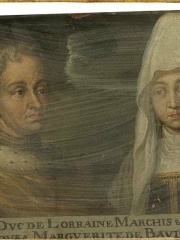
Charles II, Duke of Lorraine
POLITICIAN
1364 - 1431
HPI: 61.12
Miejsce: 6
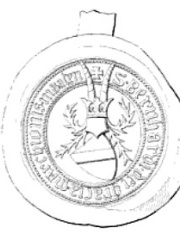
Bernard I, Margrave of Baden-Baden
POLITICIAN
1364 - 1431
HPI: 59.61
Miejsce: 7
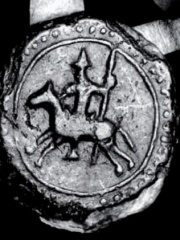
Lengvenis
MILITARY PERSONNEL
1356 - 1431
HPI: 59.46
Miejsce: 8
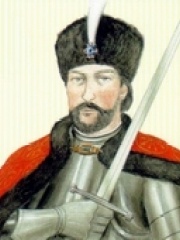
Radu II of Wallachia
POLITICIAN
HPI: 58.90
Miejsce: 9
W kraju Francja
Wśród osób urodzonych w kraju Francja Joanna d’Arc zajmuje 5. miejsce na NaN. Przed nią są Napoleon (1769), Louis XIV of France (1638), René Descartes (1596), i Blaise Pascal (1623). Po niej są Louis XVI of France (1754), Victor Hugo (1802), Voltaire (1694), Louis Pasteur (1822), Claude Monet (1840), Jules Verne (1828), i Molière (1622).
Inne osoby urodzone w kraju Francja
Zobacz wszystkie rankingi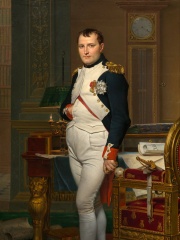
Napoleon
POLITICIAN
1769 - 1821
HPI: 95.29
Miejsce: 1
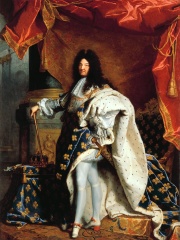
Louis XIV of France
POLITICIAN
1638 - 1715
HPI: 93.01
Miejsce: 2
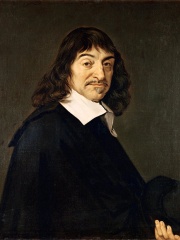
René Descartes
PHILOSOPHER
1596 - 1650
HPI: 92.12
Miejsce: 3
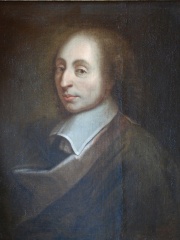
Blaise Pascal
MATHEMATICIAN
1623 - 1662
HPI: 91.04
Miejsce: 4
Joan of Arc
MILITARY PERSONNEL
1412 - 1431
HPI: 91.02
Miejsce: 5
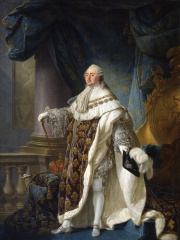
Louis XVI of France
POLITICIAN
1754 - 1793
HPI: 90.50
Miejsce: 6
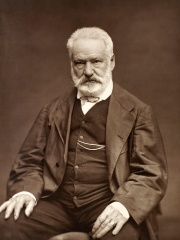
Victor Hugo
WRITER
1802 - 1885
HPI: 89.52
Miejsce: 7
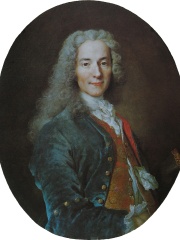
Voltaire
WRITER
1694 - 1778
HPI: 89.44
Miejsce: 8
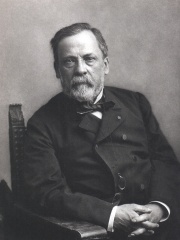
Louis Pasteur
CHEMIST
1822 - 1895
HPI: 89.24
Miejsce: 9
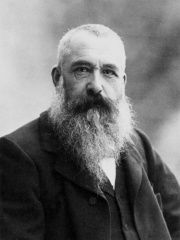
Claude Monet
PAINTER
1840 - 1926
HPI: 88.69
Miejsce: 10
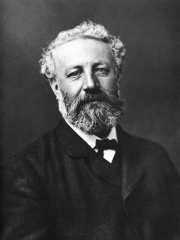
Jules Verne
WRITER
1828 - 1905
HPI: 88.32
Miejsce: 11
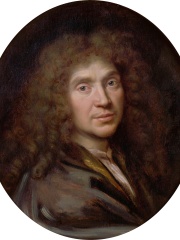
Molière
WRITER
1622 - 1673
HPI: 87.83
Miejsce: 12
Wśród przedstawicieli zawodu Żołnierz w kraju Francja
Wśród przedstawicieli zawodu „Żołnierz” urodzonych w kraju Francja Joanna d’Arc zajmuje 1. miejsce. Po niej są Charles de Gaulle (1890), Charles XIV John of Sweden (1763), Prince Eugene of Savoy (1663), Gilbert du Motier, Marquis de Lafayette (1757), Alfred Dreyfus (1859), Charles de Batz de Castelmore d'Artagnan (1611), Eugène de Beauharnais (1781), Ferdinand Foch (1851), Theodor Eicke (1892), Louis-Nicolas Davout (1770), i Jean-de-Dieu Soult (1769).
Joan of Arc
1412 - 1431
HPI: 91.02
Miejsce: 1
Charles de Gaulle
1890 - 1970
HPI: 86.70
Miejsce: 2
Charles XIV John of Sweden
1763 - 1844
HPI: 82.94
Miejsce: 3
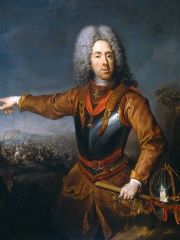
Prince Eugene of Savoy
1663 - 1736
HPI: 82.21
Miejsce: 4
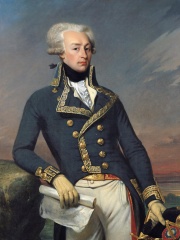
Gilbert du Motier, Marquis de Lafayette
1757 - 1834
HPI: 82.19
Miejsce: 5
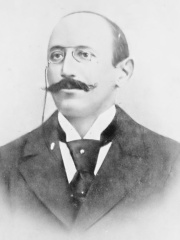
Alfred Dreyfus
1859 - 1935
HPI: 77.76
Miejsce: 6
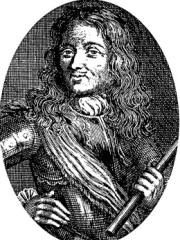
Charles de Batz de Castelmore d'Artagnan
1611 - 1673
HPI: 77.24
Miejsce: 7
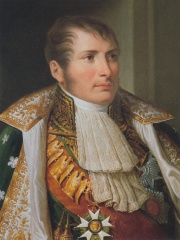
Eugène de Beauharnais
1781 - 1824
HPI: 77.01
Miejsce: 8
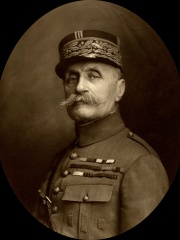
Ferdinand Foch
1851 - 1929
HPI: 76.63
Miejsce: 9
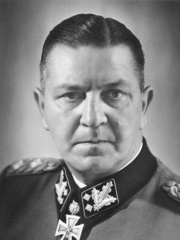
Theodor Eicke
1892 - 1943
HPI: 74.40
Miejsce: 10
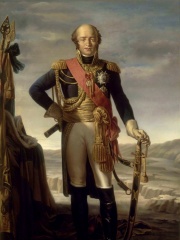
Louis-Nicolas Davout
1770 - 1823
HPI: 74.15
Miejsce: 11
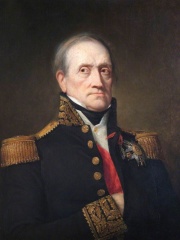
Jean-de-Dieu Soult
1769 - 1851
HPI: 74.12
Miejsce: 12




