Architect
Le Corbusier
1887 - 1965
NL.WIKIPEDIA-PAGINAWEERGAVEN (PV)
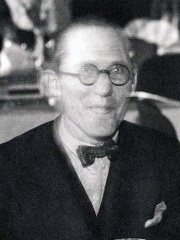
 Le Corbusier
Zijn biografie is beschikbaar in 169 verschillende talen op Wikipedia (toegenomen van 162 in 2024). Le Corbusier staat op plaats 2 onder de meest populaire architect, plaats 3 onder de meest populaire biografieën uit Zwitserland en op de eerste plaats onder de populairste architect uit Zwitserland.
Bekendheidsstatistieken
1.1M
Paginaweergaven
Afgelopen 12 maanden
86.85
HPI
Historische populariteitsindex
Data-inzichten
#3 / 1,198
Le Corbusier staat op plaats 3 van de 1,198 personen in Pantheon die in Zwitserland zijn geboren, bij de beste 1% van die groep.
169
De biografie van Le Corbusier verschijnt in 169 taalversies van Wikipedia, meer dan bij 99% van alle Architect.
+7
De biografie van Le Corbusier is het afgelopen jaar aan 7 nieuwe taalversies van Wikipedia toegevoegd.
Paginaweergaven van Le Corbusier per taal
Onder Architect
Onder Architect staat Le Corbusier op plaats 2 van 533. Vóór hem staat Antoni Gaudí. Na hem komen Khufu, Gian Lorenzo Bernini, Vitruvius, Ludwig Mies van der Rohe, Mimar Sinan, Alvar Aalto, Donato Bramante, Andrea Palladio, Albert Speer, en Leon Battista Alberti.
Populairste Architect op Wikipedia
Naar alle ranglijsten
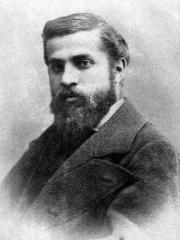
Antoni Gaudí
1852 - 1926
HPI: 86.92
Plaats: 1
Le Corbusier
1887 - 1965
HPI: 86.85
Plaats: 2
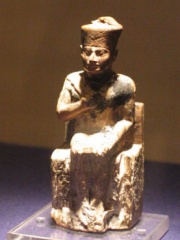
Khufu
2700 BC - 2570 BC
HPI: 86.57
Plaats: 3
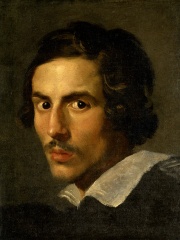
Gian Lorenzo Bernini
1598 - 1680
HPI: 83.54
Plaats: 4
Vitruvius
75 BC - 15 BC
HPI: 82.46
Plaats: 5
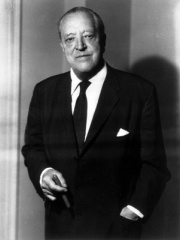
Ludwig Mies van der Rohe
1886 - 1969
HPI: 81.84
Plaats: 6
Mimar Sinan
1490 - 1588
HPI: 81.67
Plaats: 7
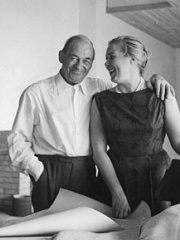
Alvar Aalto
1898 - 1976
HPI: 81.52
Plaats: 8
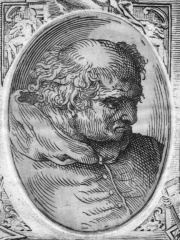
Donato Bramante
1443 - 1514
HPI: 81.20
Plaats: 9
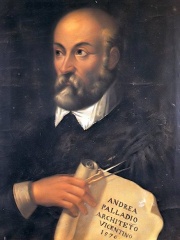
Andrea Palladio
1508 - 1580
HPI: 80.16
Plaats: 10
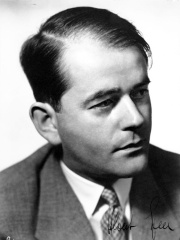
Albert Speer
1905 - 1981
HPI: 79.89
Plaats: 11
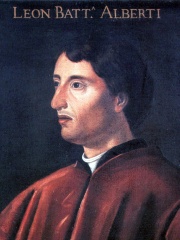
Leon Battista Alberti
1404 - 1472
HPI: 79.83
Plaats: 12

Tijdgenoten
Onder de mensen geboren in 1887 staat Le Corbusier op plaats 1. Na hem komen Chiang Kai-shek, Erwin Schrödinger, Bernard Montgomery, Marc Chagall, Charles I of Austria, Erich von Manstein, Padre Pio, Marcel Duchamp, Srinivasa Ramanujan, Ernst Röhm, en Gustav Ludwig Hertz. Onder de mensen overleden in 1965 staat Le Corbusier op plaats 3. Vóór hem staan Winston Churchill, en T. S. Eliot. Na hem komen Malcolm X, Edward Victor Appleton, W. Somerset Maugham, Syngman Rhee, Albert Schweitzer, Farouk of Egypt, Martin Buber, Eli Cohen, en Hermann Staudinger.
Anderen geboren in 1887
Naar alle ranglijstenLe Corbusier
ARCHITECT
1887 - 1965
HPI: 86.85
Plaats: 1
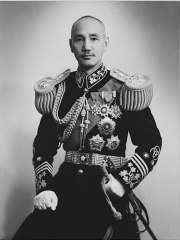
Chiang Kai-shek
MILITARY PERSONNEL
1887 - 1975
HPI: 86.25
Plaats: 2
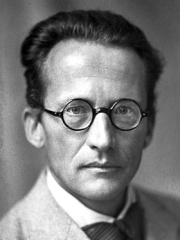
Erwin Schrödinger
PHYSICIST
1887 - 1961
HPI: 84.23
Plaats: 3
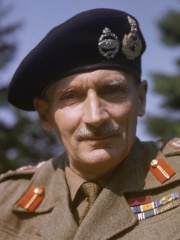
Bernard Montgomery
MILITARY PERSONNEL
1887 - 1976
HPI: 84.19
Plaats: 4
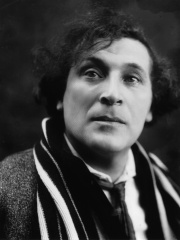
Marc Chagall
PAINTER
1887 - 1985
HPI: 82.65
Plaats: 5
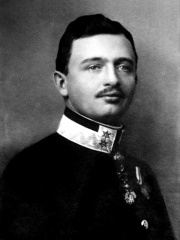
Charles I of Austria
POLITICIAN
1887 - 1922
HPI: 81.72
Plaats: 6
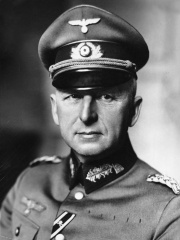
Erich von Manstein
MILITARY PERSONNEL
1887 - 1973
HPI: 80.50
Plaats: 7
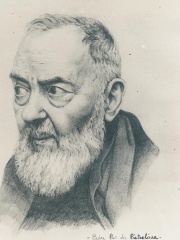
Padre Pio
RELIGIOUS FIGURE
1887 - 1968
HPI: 79.99
Plaats: 8
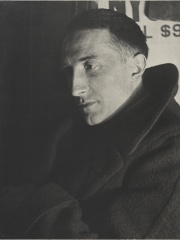
Marcel Duchamp
ARTIST
1887 - 1968
HPI: 79.88
Plaats: 9
Srinivasa Ramanujan
MATHEMATICIAN
1887 - 1920
HPI: 79.85
Plaats: 10
Ernst Röhm
MILITARY PERSONNEL
1887 - 1934
HPI: 77.03
Plaats: 11
Gustav Ludwig Hertz
PHYSICIST
1887 - 1975
HPI: 76.77
Plaats: 12
Anderen overleden in 1965
Naar alle ranglijsten
Winston Churchill
POLITICIAN
1874 - 1965
HPI: 88.76
Plaats: 1
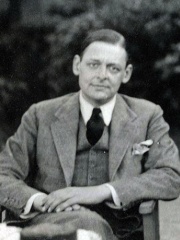
T. S. Eliot
WRITER
1888 - 1965
HPI: 87.25
Plaats: 2
Le Corbusier
ARCHITECT
1887 - 1965
HPI: 86.85
Plaats: 3

Malcolm X
SOCIAL ACTIVIST
1925 - 1965
HPI: 86.43
Plaats: 4
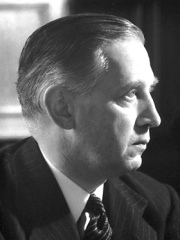
Edward Victor Appleton
PHYSICIST
1892 - 1965
HPI: 83.64
Plaats: 5
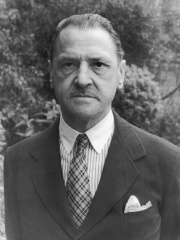
W. Somerset Maugham
WRITER
1874 - 1965
HPI: 81.60
Plaats: 6
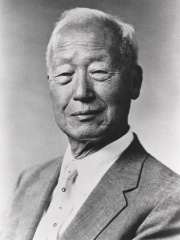
Syngman Rhee
POLITICIAN
1875 - 1965
HPI: 81.11
Plaats: 7
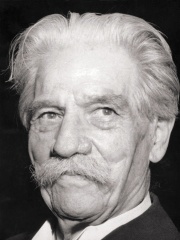
Albert Schweitzer
PHYSICIAN
1875 - 1965
HPI: 80.49
Plaats: 8
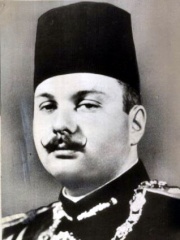
Farouk of Egypt
POLITICIAN
1920 - 1965
HPI: 78.19
Plaats: 9
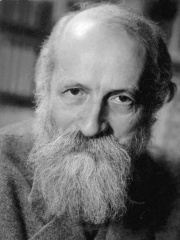
Martin Buber
PHILOSOPHER
1878 - 1965
HPI: 76.75
Plaats: 10
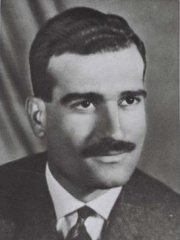
Eli Cohen
MILITARY PERSONNEL
1924 - 1965
HPI: 76.32
Plaats: 11
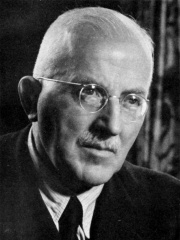
Hermann Staudinger
CHEMIST
1881 - 1965
HPI: 74.89
Plaats: 12
In Zwitserland
Onder de mensen geboren in Zwitserland staat Le Corbusier op plaats 3 van 1,198. Vóór hem staan Jean-Jacques Rousseau (1712), en Leonhard Euler (1707). Na hem komen Carl Jung (1875), Paracelsus (1493), Henry Dunant (1828), Jean Piaget (1896), Ferdinand de Saussure (1857), Jacob Bernoulli (1654), Huldrych Zwingli (1484), Sepp Blatter (1936), en Johann Heinrich Pestalozzi (1746).
Anderen geboren in Zwitserland
Naar alle ranglijsten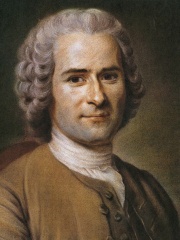
Jean-Jacques Rousseau
PHILOSOPHER
1712 - 1778
HPI: 91.27
Plaats: 1
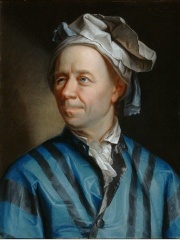
Leonhard Euler
MATHEMATICIAN
1707 - 1783
HPI: 87.60
Plaats: 2
Le Corbusier
ARCHITECT
1887 - 1965
HPI: 86.85
Plaats: 3
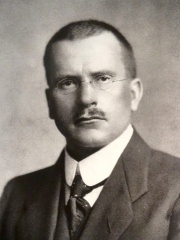
Carl Jung
PSYCHOLOGIST
1875 - 1961
HPI: 85.60
Plaats: 4
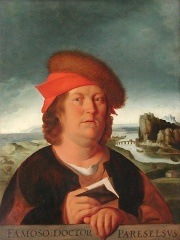
Paracelsus
PHYSICIAN
1493 - 1541
HPI: 85.08
Plaats: 5
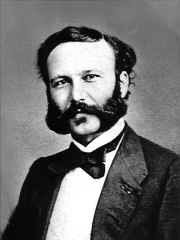
Henry Dunant
SOCIAL ACTIVIST
1828 - 1910
HPI: 83.32
Plaats: 6
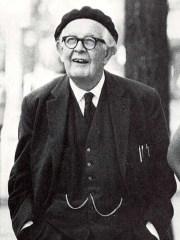
Jean Piaget
PSYCHOLOGIST
1896 - 1980
HPI: 82.27
Plaats: 7
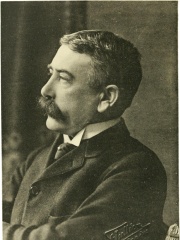
Ferdinand de Saussure
LINGUIST
1857 - 1913
HPI: 82.09
Plaats: 8
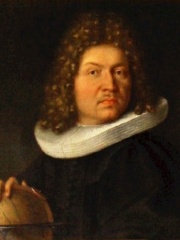
Jacob Bernoulli
MATHEMATICIAN
1654 - 1705
HPI: 81.66
Plaats: 9
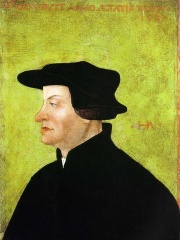
Huldrych Zwingli
RELIGIOUS FIGURE
1484 - 1531
HPI: 81.35
Plaats: 10
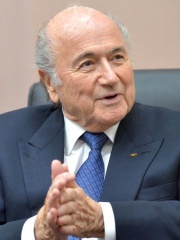
Sepp Blatter
BUSINESSPERSON
1936 - heden
HPI: 80.94
Plaats: 11
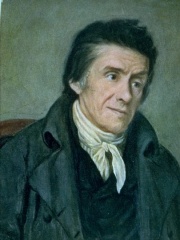
Johann Heinrich Pestalozzi
SOCIAL ACTIVIST
1746 - 1827
HPI: 80.39
Plaats: 12
Onder Architect in Zwitserland
Onder Architect geboren in Zwitserland staat Le Corbusier op plaats 1. Na hem komen Francesco Borromini (1599), Carlo Maderno (1556), Domenico Fontana (1543), Peter Zumthor (1943), Mario Botta (1943), Hannes Meyer (1889), Max Bill (1908), Carlo Fontana (1638), Pietro Lombardo (1435), Bernard Tschumi (1944), en Pierre Jeanneret (1896).
Le Corbusier
1887 - 1965
HPI: 86.85
Plaats: 1
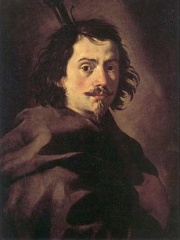
Francesco Borromini
1599 - 1667
HPI: 77.11
Plaats: 2
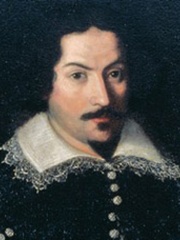
Carlo Maderno
1556 - 1629
HPI: 73.83
Plaats: 3
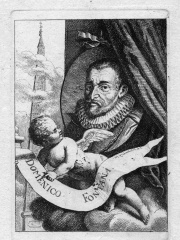
Domenico Fontana
1543 - 1607
HPI: 70.50
Plaats: 4
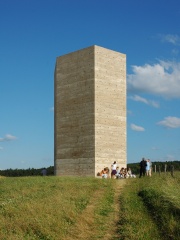
Peter Zumthor
1943 - heden
HPI: 70.10
Plaats: 5
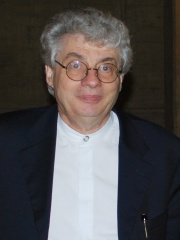
Mario Botta
1943 - heden
HPI: 69.76
Plaats: 6
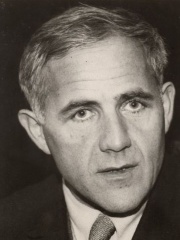
Hannes Meyer
1889 - 1954
HPI: 66.32
Plaats: 7
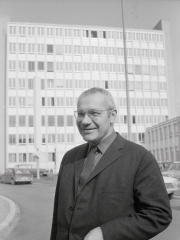
Max Bill
1908 - 1994
HPI: 65.37
Plaats: 8
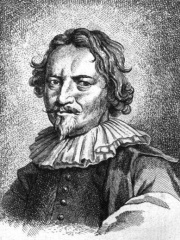
Carlo Fontana
1638 - 1714
HPI: 64.56
Plaats: 9
Pietro Lombardo
1435 - 1515
HPI: 63.63
Plaats: 10
Bernard Tschumi
1944 - heden
HPI: 63.28
Plaats: 11
Pierre Jeanneret
1896 - 1967
HPI: 62.56
Plaats: 12




