Filozof
Seweryn Boecjusz
480 - 525
WYŚWIETLENIA PL.WIKIPEDIA (PV)
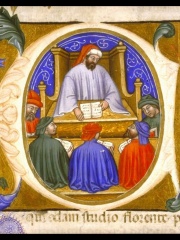
 Seweryn Boecjusz
Jego biografia jest dostępna w 73 różnych językach w Wikipedii. Seweryn Boecjusz jest 104. najpopularniejszym filozof (spadek z 96. w 2024 roku), 272. najpopularniejszą biografią Włochy (spadek z 207. w 2019 roku) oraz 11. najpopularniejszym filozof Włochy.
Wskaźniki rozpoznawalności
320k
Wyświetlenia strony
Ostatnie 12 miesięcy
78.53
HPI
Indeks historycznej popularności
Wyświetlenia strony Seweryn Boecjusz według języka
Wśród przedstawicieli zawodu Filozof
Wśród przedstawicieli zawodu „Filozof” Seweryn Boecjusz zajmuje 104. miejsce na 1,267. Przed nim są Jacques Derrida, Walter Benjamin, Jean Bodin, Al-Tabari, Friedrich Fröbel, i Roger Bacon. Po nim są Muhammad ibn Abd al-Wahhab, George Gurdjieff, Apollodorus of Athens, Jeremy Bentham, Antisthenes, i Wilhelm von Humboldt.
Najpopularniejsi w Wikipedii: Filozof
Zobacz wszystkie rankingi
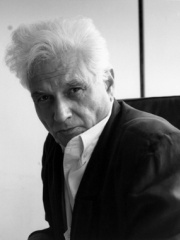
Jacques Derrida
1930 - 2004
HPI: 78.95
Miejsce: 98
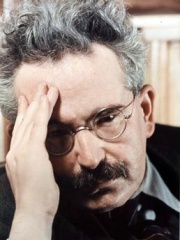
Walter Benjamin
1892 - 1940
HPI: 78.79
Miejsce: 99
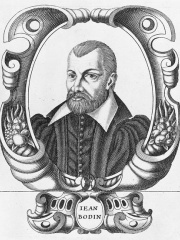
Jean Bodin
1530 - 1596
HPI: 78.77
Miejsce: 100

Al-Tabari
839 - 923
HPI: 78.71
Miejsce: 101
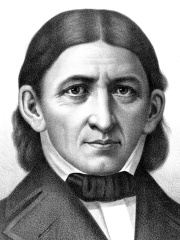
Friedrich Fröbel
1782 - 1852
HPI: 78.69
Miejsce: 102
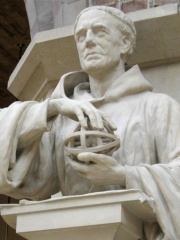
Roger Bacon
1220 - 1292
HPI: 78.55
Miejsce: 103
Boethius
480 - 525
HPI: 78.53
Miejsce: 104

Muhammad ibn Abd al-Wahhab
1703 - 1792
HPI: 78.47
Miejsce: 105
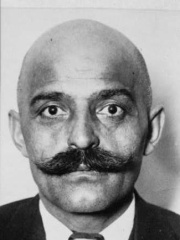
George Gurdjieff
1866 - 1949
HPI: 78.45
Miejsce: 106

Apollodorus of Athens
180 BC - 110 BC
HPI: 78.45
Miejsce: 107
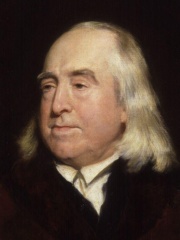
Jeremy Bentham
1748 - 1832
HPI: 78.36
Miejsce: 108
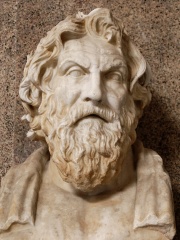
Antisthenes
445 BC - 365 BC
HPI: 78.34
Miejsce: 109
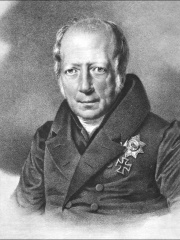
Wilhelm von Humboldt
1767 - 1835
HPI: 78.29
Miejsce: 110

Współcześni
Wśród osób urodzonych w 480 roku Seweryn Boecjusz zajmuje 2. miejsce. Przed nim jest Benedict of Nursia. Po nim są Pope Felix IV, Gelimer, Scholastica, Theodahad, Damascius, Dignāga, Eutocius of Ascalon, Mark of Cornwall, i Maelgwn Gwynedd. Wśród osób zmarłych w 525 roku Seweryn Boecjusz zajmuje 1. miejsce. Po nim jest Brigid of Kildare.
Inne osoby urodzone w 480 roku
Zobacz wszystkie rankingi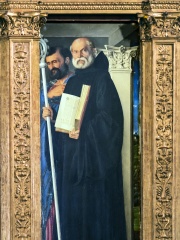
Benedict of Nursia
RELIGIOUS FIGURE
480 - 543
HPI: 82.79
Miejsce: 1
Boethius
PHILOSOPHER
480 - 525
HPI: 78.53
Miejsce: 2
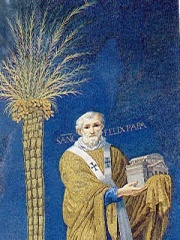
Pope Felix IV
RELIGIOUS FIGURE
480 - 530
HPI: 73.11
Miejsce: 3
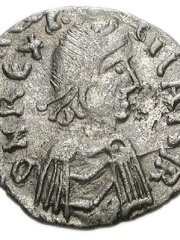
Gelimer
POLITICIAN
480 - 553
HPI: 72.28
Miejsce: 4
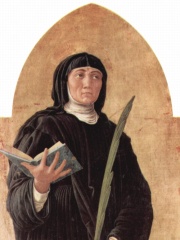
Scholastica
RELIGIOUS FIGURE
480 - 547
HPI: 71.18
Miejsce: 5
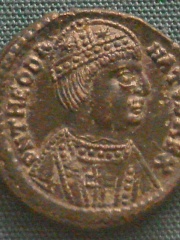
Theodahad
POLITICIAN
480 - 536
HPI: 70.71
Miejsce: 6

Damascius
PHILOSOPHER
480 - 550
HPI: 68.64
Miejsce: 7

Dignāga
PHILOSOPHER
480 - 540
HPI: 64.39
Miejsce: 8

Eutocius of Ascalon
MATHEMATICIAN
480 - 600
HPI: 63.85
Miejsce: 9
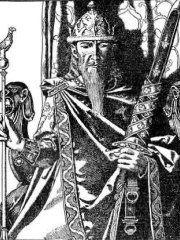
Mark of Cornwall
POLITICIAN
480 - 555
HPI: 60.49
Miejsce: 10

Maelgwn Gwynedd
RELIGIOUS FIGURE
480 - 547
HPI: 51.04
Miejsce: 11
Inne osoby zmarłe w 525 roku
Zobacz wszystkie rankingiBoethius
PHILOSOPHER
480 - 525
HPI: 78.53
Miejsce: 1
Brigid of Kildare
RELIGIOUS FIGURE
451 - 525
HPI: 75.96
Miejsce: 2
W kraju Włochy
Wśród osób urodzonych w kraju Włochy Seweryn Boecjusz zajmuje 272. miejsce na NaN. Przed nim są Pope Adrian II (792), Pope Paschal I (775), Pope Gelasius II (1062), Catullus (-84), Pope Honorius II (1100), i Pope Boniface V (575). Po nim są Pope Leo IV (790), Pope Paul II (1417), Pope Innocent IV (1195), Bernardo Bertolucci (1941), Arcangelo Corelli (1653), i Pope Celestine IV (1200).
Inne osoby urodzone w kraju Włochy
Zobacz wszystkie rankingi
Pope Adrian II
RELIGIOUS FIGURE
792 - 872
HPI: 78.71
Miejsce: 266
Pope Paschal I
RELIGIOUS FIGURE
775 - 824
HPI: 78.70
Miejsce: 267
Pope Gelasius II
RELIGIOUS FIGURE
1062 - 1119
HPI: 78.70
Miejsce: 268
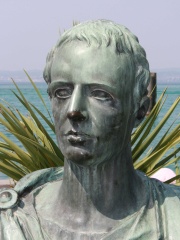
Catullus
WRITER
84 BC - 54 BC
HPI: 78.70
Miejsce: 269
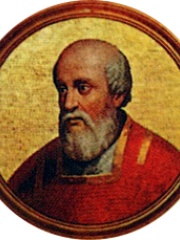
Pope Honorius II
RELIGIOUS FIGURE
1100 - 1130
HPI: 78.61
Miejsce: 270
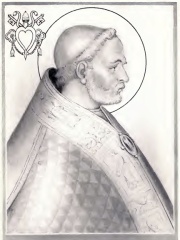
Pope Boniface V
RELIGIOUS FIGURE
575 - 625
HPI: 78.60
Miejsce: 271
Boethius
PHILOSOPHER
480 - 525
HPI: 78.53
Miejsce: 272
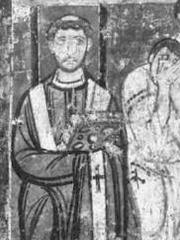
Pope Leo IV
RELIGIOUS FIGURE
790 - 855
HPI: 78.52
Miejsce: 273
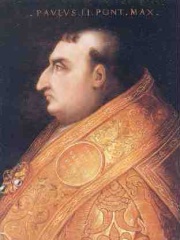
Pope Paul II
RELIGIOUS FIGURE
1417 - 1471
HPI: 78.50
Miejsce: 274
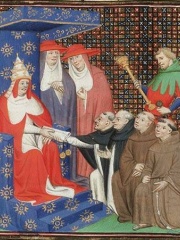
Pope Innocent IV
RELIGIOUS FIGURE
1195 - 1254
HPI: 78.50
Miejsce: 275
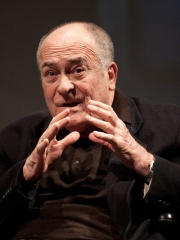
Bernardo Bertolucci
FILM DIRECTOR
1941 - 2018
HPI: 78.50
Miejsce: 276
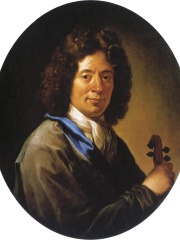
Arcangelo Corelli
MUSICIAN
1653 - 1713
HPI: 78.49
Miejsce: 277
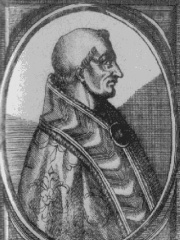
Pope Celestine IV
RELIGIOUS FIGURE
1200 - 1241
HPI: 78.49
Miejsce: 278
Wśród przedstawicieli zawodu Filozof w kraju Włochy
Wśród przedstawicieli zawodu „Filozof” urodzonych w kraju Włochy Seweryn Boecjusz zajmuje 11. miejsce. Przed nim są Lucretius (-94), Empedocles (-490), Zeno of Elea (-490), Antonio Gramsci (1891), Pliny the Elder (23), i Giovanni Pico della Mirandola (1463). Po nim są Bonaventure (1221), Marsilio Ficino (1433), Giambattista Vico (1668), Tommaso Campanella (1568), Cesare Beccaria (1738), i Alcmaeon of Croton (-510).
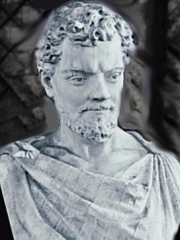
Lucretius
94 BC - 55 BC
HPI: 83.96
Miejsce: 5
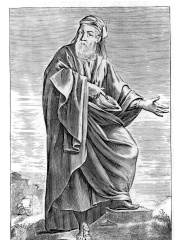
Empedocles
490 BC - 430 BC
HPI: 83.60
Miejsce: 6
Zeno of Elea
490 BC - 425 BC
HPI: 81.64
Miejsce: 7
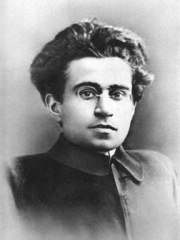
Antonio Gramsci
1891 - 1937
HPI: 80.94
Miejsce: 8
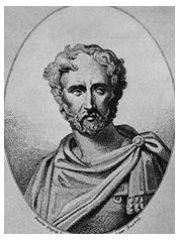
Pliny the Elder
23 - 79
HPI: 80.68
Miejsce: 9
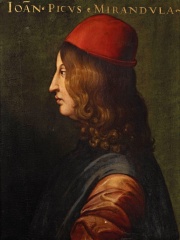
Giovanni Pico della Mirandola
1463 - 1494
HPI: 79.56
Miejsce: 10
Boethius
480 - 525
HPI: 78.53
Miejsce: 11
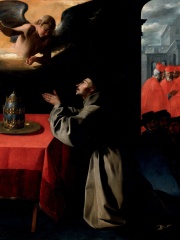
Bonaventure
1221 - 1274
HPI: 77.62
Miejsce: 12
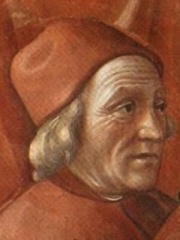
Marsilio Ficino
1433 - 1499
HPI: 77.16
Miejsce: 13
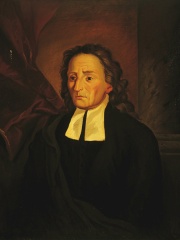
Giambattista Vico
1668 - 1744
HPI: 76.67
Miejsce: 14
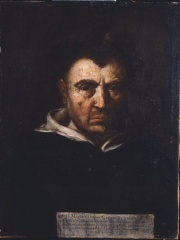
Tommaso Campanella
1568 - 1639
HPI: 76.67
Miejsce: 15
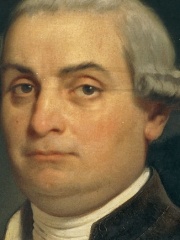
Cesare Beccaria
1738 - 1794
HPI: 74.89
Miejsce: 16
Alcmaeon of Croton
510 BC - 450 BC
HPI: 73.88
Miejsce: 17




