Filozófus
William Ockham
1285 - 1347
HU.WIKIPEDIA PAGE VIEWS (PV)
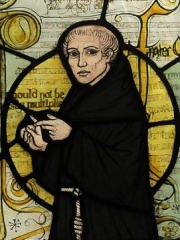
 William Ockham
Életrajza 78 különböző nyelven érhető el a Wikipédián (növekedés 76-ről 2024-ben). William Ockham a 118th legnépszerűbb filozófus (csökkenés a 114th-ről 2024-ben), a 191st legnépszerűbb életrajz Egyesült Királyság országából (csökkenés a 135th-ről 2019-ben) és a 9th legnépszerűbb Egyesült Királyságból filozófus.
Memorability Metrics
420k
Page Views
Past 12 months
77.99
HPI
Historical Popularity Index
Page views of William Ockham by language
Among Filozófuses
Among filozófuses, William Ockham ranks 118 out of 1,267. Before him are Bodhidharma, John Scotus Eriugena, Gilles Deleuze, Meister Eckhart, Padmasambhava, and Tertullian. After him are Ibn Taymiyyah, Bonaventure, Henri de Saint-Simon, Emmanuel Levinas, Ramon Llull, and Willard Van Orman Quine.
Most Popular Filozófuses in Wikipedia
Go to all Rankings
Bodhidharma
483 - 540
HPI: 78.17
Rank: 112
John Scotus Eriugena
810 - 877
HPI: 78.15
Rank: 113
Gilles Deleuze
1925 - 1995
HPI: 78.10
Rank: 114
Meister Eckhart
1260 - 1328
HPI: 78.10
Rank: 115

Padmasambhava
717 - 762
HPI: 78.07
Rank: 116
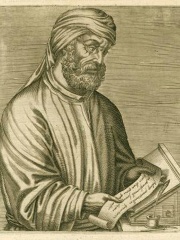
Tertullian
155 - 220
HPI: 78.04
Rank: 117
William of Ockham
1285 - 1347
HPI: 77.99
Rank: 118
Ibn Taymiyyah
1263 - 1328
HPI: 77.67
Rank: 119
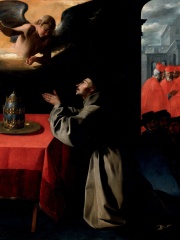
Bonaventure
1221 - 1274
HPI: 77.62
Rank: 120
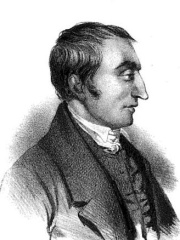
Henri de Saint-Simon
1760 - 1825
HPI: 77.38
Rank: 121
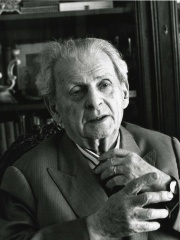
Emmanuel Levinas
1906 - 1995
HPI: 77.38
Rank: 122
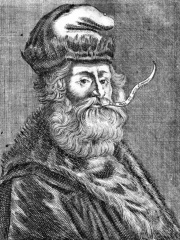
Ramon Llull
1232 - 1316
HPI: 77.38
Rank: 123
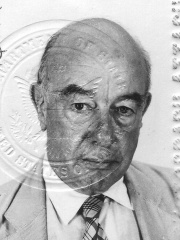
Willard Van Orman Quine
1908 - 2000
HPI: 77.28
Rank: 124

Contemporaries
Among people born in 1285, William Ockham ranks 1. After him are Ayurbarwada Buyantu Khan, Ferdinand IV of Castile, An-Nasir Muhammad, Emperor Go-Nijō, Sancia of Majorca, Elisabeth of Austria, Duchess of Lorraine, Baldwin of Luxembourg, Michael of Trebizond, Ferrer Bassa, Al-Mustakfi I, and Euphemia of Pomerania. Among people deceased in 1347, William Ockham ranks 1. After him are Louis IV, Holy Roman Emperor, Joan III, Countess of Burgundy, John XIV of Constantinople, and Maria of Navarre.
Others Born in 1285
Go to all RankingsWilliam of Ockham
PHILOSOPHER
1285 - 1347
HPI: 77.99
Rank: 1
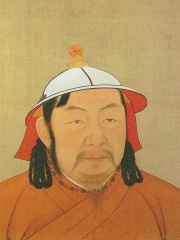
Ayurbarwada Buyantu Khan
POLITICIAN
1285 - 1320
HPI: 72.27
Rank: 2
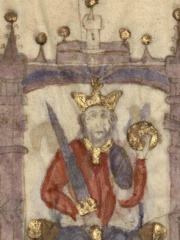
Ferdinand IV of Castile
POLITICIAN
1285 - 1312
HPI: 67.82
Rank: 3
An-Nasir Muhammad
POLITICIAN
1285 - 1341
HPI: 67.30
Rank: 4
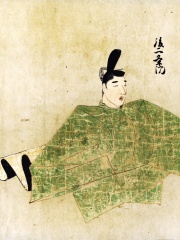
Emperor Go-Nijō
POLITICIAN
1285 - 1308
HPI: 66.80
Rank: 5
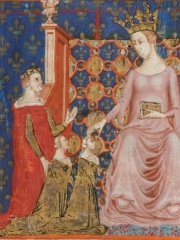
Sancia of Majorca
COMPANION
1285 - 1345
HPI: 64.89
Rank: 6
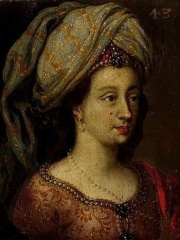
Elisabeth of Austria, Duchess of Lorraine
POLITICIAN
1285 - 1352
HPI: 62.80
Rank: 7
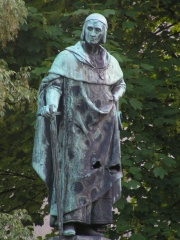
Baldwin of Luxembourg
RELIGIOUS FIGURE
1285 - 1354
HPI: 62.30
Rank: 8
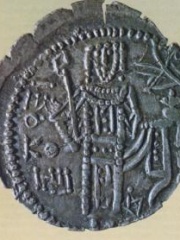
Michael of Trebizond
POLITICIAN
1285 - 1355
HPI: 62.26
Rank: 9
Ferrer Bassa
PAINTER
1285 - 1348
HPI: 61.44
Rank: 10

Al-Mustakfi I
POLITICIAN
1285 - 1340
HPI: 61.07
Rank: 11
Euphemia of Pomerania
COMPANION
1285 - 1330
HPI: 59.99
Rank: 12
Others Deceased in 1347
Go to all RankingsWilliam of Ockham
PHILOSOPHER
1285 - 1347
HPI: 77.99
Rank: 1
Louis IV, Holy Roman Emperor
POLITICIAN
1282 - 1347
HPI: 75.88
Rank: 2
Joan III, Countess of Burgundy
POLITICIAN
1308 - 1347
HPI: 64.53
Rank: 3
John XIV of Constantinople
RELIGIOUS FIGURE
1282 - 1347
HPI: 63.11
Rank: 4
Maria of Navarre
COMPANION
1326 - 1347
HPI: 63.05
Rank: 5
In Egyesült Királyság
Among people born in Egyesült Királyság, William Ockham ranks 191 out of NaN. Before him are Bon Scott (1946), Terry Pratchett (1948), Alan Hodgkin (1914), Alexander R. Todd (1907), George Harrison (1943), and Charles Glover Barkla (1877). After him are Ernest Augustus, King of Hanover (1771), Maggie Smith (1934), Victoria, Princess Royal (1840), John Napier (1550), Paul Dirac (1902), and Robert Robinson (1886).
Others born in Egyesült Királyság
Go to all Rankings
Bon Scott
MUSICIAN
1946 - 1980
HPI: 78.13
Rank: 185
Terry Pratchett
WRITER
1948 - 2015
HPI: 78.12
Rank: 186
Alan Hodgkin
PHYSICIAN
1914 - 1998
HPI: 78.08
Rank: 187
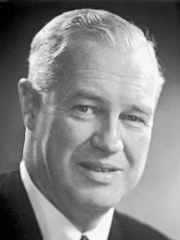
Alexander R. Todd
CHEMIST
1907 - 1997
HPI: 78.07
Rank: 188
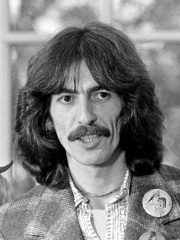
George Harrison
MUSICIAN
1943 - 2001
HPI: 78.02
Rank: 189
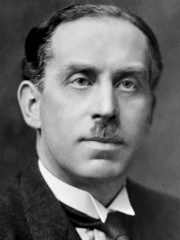
Charles Glover Barkla
PHYSICIST
1877 - 1944
HPI: 78.02
Rank: 190
William of Ockham
PHILOSOPHER
1285 - 1347
HPI: 77.99
Rank: 191
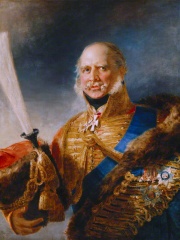
Ernest Augustus, King of Hanover
POLITICIAN
1771 - 1851
HPI: 77.97
Rank: 192
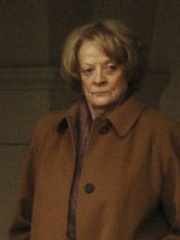
Maggie Smith
ACTOR
1934 - 2024
HPI: 77.94
Rank: 193
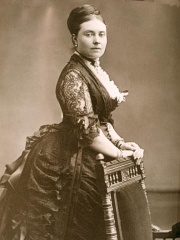
Victoria, Princess Royal
COMPANION
1840 - 1901
HPI: 77.93
Rank: 194
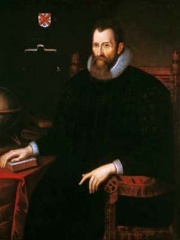
John Napier
MATHEMATICIAN
1550 - 1617
HPI: 77.92
Rank: 195
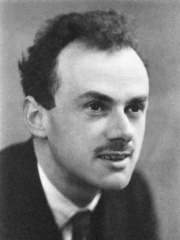
Paul Dirac
PHYSICIST
1902 - 1984
HPI: 77.91
Rank: 196
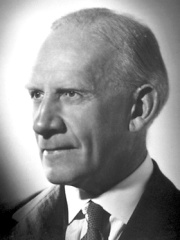
Robert Robinson
CHEMIST
1886 - 1975
HPI: 77.85
Rank: 197
Among Filozófuses In Egyesült Királyság
Among filozófuses born in Egyesült Királyság, William Ockham ranks 9. Before him are Thomas Hobbes (1588), David Hume (1711), Thomas More (1478), Herbert Spencer (1820), Roger Bacon (1220), and Jeremy Bentham (1748). After him are Joseph Priestley (1733), John Wycliffe (1324), Duns Scotus (1265), John Venn (1834), Thomas Reid (1710), and Pelagius (360).
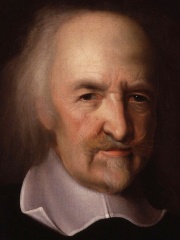
Thomas Hobbes
1588 - 1679
HPI: 85.75
Rank: 3
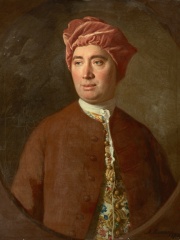
David Hume
1711 - 1776
HPI: 83.28
Rank: 4
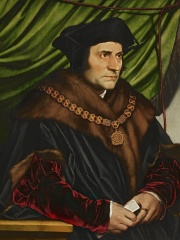
Thomas More
1478 - 1535
HPI: 81.52
Rank: 5
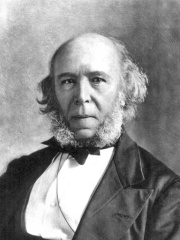
Herbert Spencer
1820 - 1903
HPI: 80.25
Rank: 6
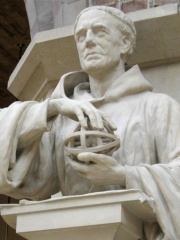
Roger Bacon
1220 - 1292
HPI: 78.55
Rank: 7
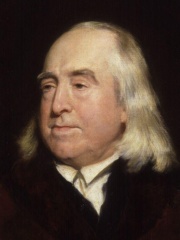
Jeremy Bentham
1748 - 1832
HPI: 78.36
Rank: 8
William of Ockham
1285 - 1347
HPI: 77.99
Rank: 9
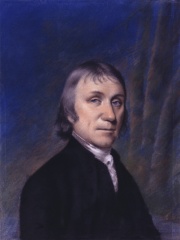
Joseph Priestley
1733 - 1804
HPI: 76.90
Rank: 10
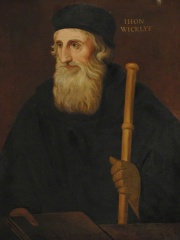
John Wycliffe
1324 - 1384
HPI: 76.81
Rank: 11
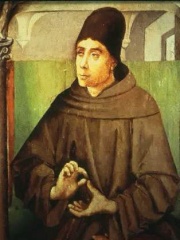
Duns Scotus
1265 - 1308
HPI: 76.64
Rank: 12
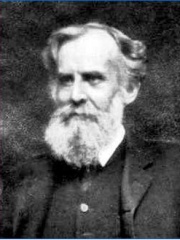
John Venn
1834 - 1923
HPI: 75.89
Rank: 13
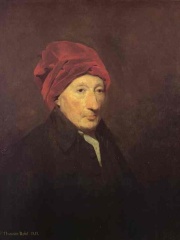
Thomas Reid
1710 - 1796
HPI: 75.18
Rank: 14
Pelagius
360 - 420
HPI: 72.38
Rank: 15




