宗教家
Scholastica
480 - 547
JA.WIKIPEDIA ページビュー (PV)
 Scholastica
知名度指標
200k
ページビュー
過去12か月
71.18
HPI
歴史的人気指数
データインサイト
#7,483
没後14世紀以上を経た今も、ScholasticaはPantheonの全人物中第7,483位を保っています。
441
Pantheonに収録された3,187人の宗教家のうち女性はわずか441人で、Scholasticaはその一人です。
32
Scholasticaの伝記はウィキペディアの32言語版に掲載されており、宗教家全体の75%を上回っています。
3月2日
ScholasticaはPope Leo XIII、Pope Pius XII、Mikhail Gorbachevと同じ3月2日生まれです。
Scholasticaの言語別ページビュー
宗教家の中で
宗教家の中で、Scholasticaは3,187人中668位です。 彼女より上位:Tarcisius, John Knox, Zebedee, Saint Eustace, Pope Theophilus of Alexandria, 、Korah. 彼女より下位:Edward the Confessor, Onuphrius, Mahākāśyapa, Flavian of Constantinople, Lydia of Thyatira, 、Jael.
ウィキペディアで最も人気のある宗教家
すべてのランキングを見る
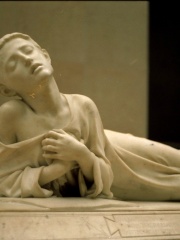
Tarcisius
263 - 275
HPI: 71.27
順位: 662
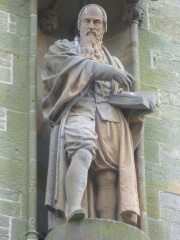
John Knox
1514 - 1572
HPI: 71.26
順位: 663

Zebedee
100 BC - 100
HPI: 71.25
順位: 664
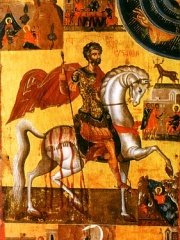
Saint Eustace
10 - 118
HPI: 71.24
順位: 665
Pope Theophilus of Alexandria
310 - 412
HPI: 71.21
順位: 666

Korah
HPI: 71.18
順位: 667
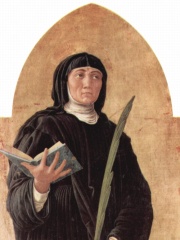
Scholastica
480 - 547
HPI: 71.18
順位: 668

Edward the Confessor
1003 - 1066
HPI: 71.18
順位: 669
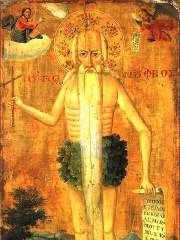
Onuphrius
320 - 400
HPI: 71.17
順位: 670

Mahākāśyapa
550 BC - 549 BC
HPI: 71.13
順位: 671
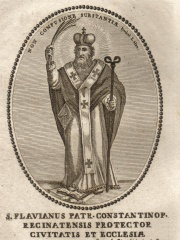
Flavian of Constantinople
380 - 449
HPI: 71.12
順位: 672
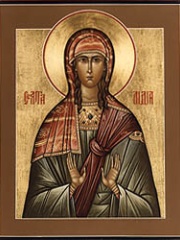
Lydia of Thyatira
100 - 100
HPI: 71.10
順位: 673

Jael
HPI: 71.10
順位: 674

同時代の人物
480年生まれの人の中で、Scholasticaは5位です。 彼女より上位:Benedict of Nursia, Boethius, Pope Felix IV, 、Gelimer. 彼女より下位:Theodahad, Damascius, Dignāga, Eutocius of Ascalon, Mark of Cornwall, 、Maelgwn Gwynedd. 547年に亡くなった人の中で、Scholasticaは1位です。 彼女より下位:Maelgwn Gwynedd.
480年生まれのその他の人物
すべてのランキングを見る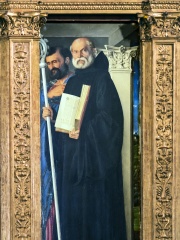
Benedict of Nursia
RELIGIOUS FIGURE
480 - 543
HPI: 82.79
順位: 1

Boethius
PHILOSOPHER
480 - 525
HPI: 78.53
順位: 2
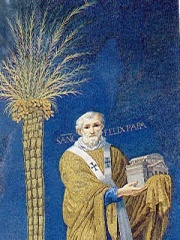
Pope Felix IV
RELIGIOUS FIGURE
480 - 530
HPI: 73.11
順位: 3
Gelimer
POLITICIAN
480 - 553
HPI: 72.28
順位: 4
Scholastica
RELIGIOUS FIGURE
480 - 547
HPI: 71.18
順位: 5
Theodahad
POLITICIAN
480 - 536
HPI: 70.71
順位: 6

Damascius
PHILOSOPHER
480 - 550
HPI: 68.64
順位: 7

Dignāga
PHILOSOPHER
480 - 540
HPI: 64.39
順位: 8

Eutocius of Ascalon
MATHEMATICIAN
480 - 600
HPI: 63.85
順位: 9

Mark of Cornwall
POLITICIAN
480 - 555
HPI: 60.49
順位: 10

Maelgwn Gwynedd
RELIGIOUS FIGURE
480 - 547
HPI: 51.04
順位: 11
547年に亡くなったその他の人物
すべてのランキングを見るScholastica
RELIGIOUS FIGURE
480 - 547
HPI: 71.18
順位: 1
Maelgwn Gwynedd
RELIGIOUS FIGURE
480 - 547
HPI: 51.04
順位: 2
イタリアの中で
イタリア生まれの人の中で、Scholasticaは5,161人中811位です。 彼女より上位:Saint Eustace (10), Pompeia (-90), Lino Ventura (1919), Poggio Bracciolini (1380), Louise of Orléans (1812), 、Palmiro Togliatti (1893). 彼女より下位:Vittorio Gassman (1922), Aldo Rossi (1931), Giambattista Basile (1566), Dario Argento (1940), Ferdinand, Duke of Parma (1751), 、Domenichino (1581).
イタリア生まれのその他の人物
すべてのランキングを見るSaint Eustace
RELIGIOUS FIGURE
10 - 118
HPI: 71.24
順位: 805
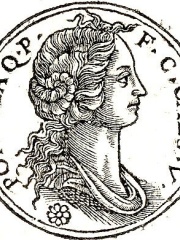
Pompeia
POLITICIAN
90 BC - 現在
HPI: 71.23
順位: 806

Lino Ventura
ACTOR
1919 - 1987
HPI: 71.22
順位: 807
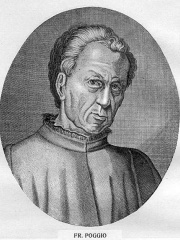
Poggio Bracciolini
HISTORIAN
1380 - 1459
HPI: 71.22
順位: 808
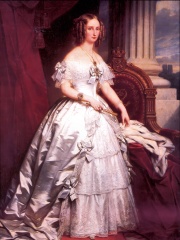
Louise of Orléans
POLITICIAN
1812 - 1850
HPI: 71.19
順位: 809
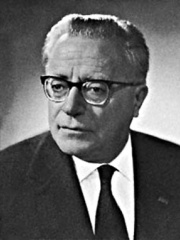
Palmiro Togliatti
POLITICIAN
1893 - 1964
HPI: 71.19
順位: 810
Scholastica
RELIGIOUS FIGURE
480 - 547
HPI: 71.18
順位: 811
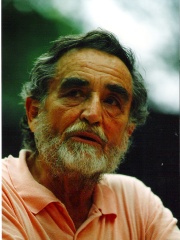
Vittorio Gassman
ACTOR
1922 - 2000
HPI: 71.17
順位: 812
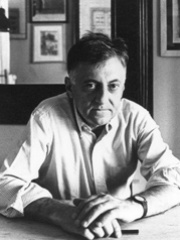
Aldo Rossi
ARCHITECT
1931 - 1997
HPI: 71.17
順位: 813
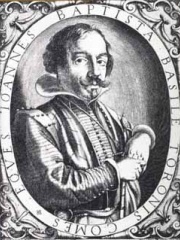
Giambattista Basile
WRITER
1566 - 1632
HPI: 71.14
順位: 814

Dario Argento
FILM DIRECTOR
1940 - 現在
HPI: 71.13
順位: 815
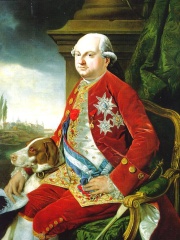
Ferdinand, Duke of Parma
POLITICIAN
1751 - 1802
HPI: 71.12
順位: 816
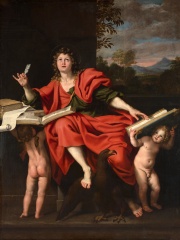
Domenichino
PAINTER
1581 - 1641
HPI: 71.11
順位: 817
イタリアの宗教家の中で
イタリア生まれの宗教家の中で、Scholasticaは259位です。 彼女より上位:Camillus de Lellis (1550), Jacobus da Varagine (1228), Angela Merici (1474), Peter Lombard (1096), Tarcisius (263), 、Saint Eustace (10). 彼女より下位:Alexius of Rome (400), Antipope Felix II (300), Giulia Farnese (1474), Joseph of Cupertino (1603), Silas (1), 、Angelo Scola (1941).

Camillus de Lellis
1550 - 1614
HPI: 72.26
順位: 253
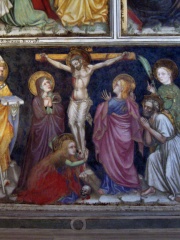
Jacobus da Varagine
1228 - 1298
HPI: 71.86
順位: 254
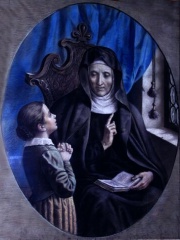
Angela Merici
1474 - 1540
HPI: 71.57
順位: 255
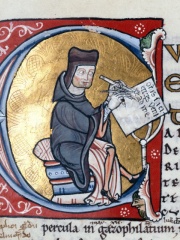
Peter Lombard
1096 - 1160
HPI: 71.43
順位: 256
Tarcisius
263 - 275
HPI: 71.27
順位: 257
Saint Eustace
10 - 118
HPI: 71.24
順位: 258
Scholastica
480 - 547
HPI: 71.18
順位: 259
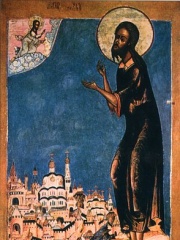
Alexius of Rome
400 - 412
HPI: 70.91
順位: 260
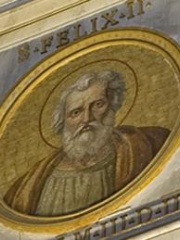
Antipope Felix II
300 - 365
HPI: 70.65
順位: 261
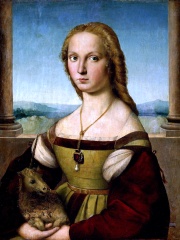
Giulia Farnese
1474 - 1524
HPI: 70.60
順位: 262

Joseph of Cupertino
1603 - 1663
HPI: 70.52
順位: 263

Silas
1 - 100
HPI: 70.37
順位: 264
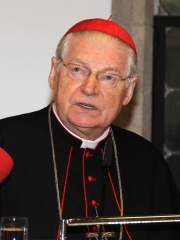
Angelo Scola
1941 - 現在
HPI: 70.24
順位: 265




