Философ
Dignāga
480 - 540
ПРОСМОТРЫ RU.WIKIPEDIA (PV)

 Dignāga
Его биография доступна на 25 различных языках в Википедии. Dignāga занимает 619-е место среди самых популярных философ (рост с 663-е места в 2024 году), занимает 255-е место среди самых популярных биографий из Индии (снижение с 231-е места в 2019 году) и занимает 27-е место среди философ Индия.
Метрики памятности
32k
Просмотры страниц
За последние 12 месяцев
64.39
HPI
Индекс исторической популярности
Интересные факты
25
Биография Dignāga представлена в 25 языковых разделах Википедии, а Индекс исторической популярности составляет 64.39.
Просмотры страницы Dignāga по языкам
Среди представителей профессии «Философ»
Среди представителей профессии «Философ» Dignāga занимает 619-е место из 1,285. Перед ним идут Aeschines of Sphettus, Shihab al-Din 'Umar al-Suhrawardi, Berengar of Tours, Friedrich Albert Lange, Pietro d'Abano, и Abraham Isaac Kook. После него идут Arthur Danto, Metrodorus of Lampsacus, R. G. Collingwood, Roman Ingarden, Maximus Planudes, и Guarino da Verona.
Самые популярные в Википедии: Философ
Все рейтинги
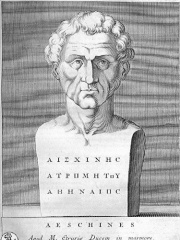
Aeschines of Sphettus
430 BC - 360 BC
HPI: 64.46
Место: 613
Shihab al-Din 'Umar al-Suhrawardi
1145 - 1234
HPI: 64.44
Место: 614
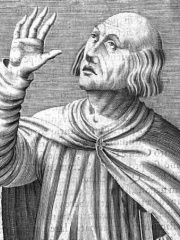
Berengar of Tours
998 - 1088
HPI: 64.44
Место: 615
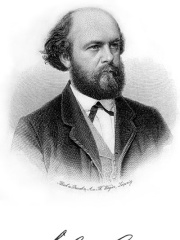
Friedrich Albert Lange
1828 - 1875
HPI: 64.42
Место: 616
Pietro d'Abano
1250 - 1315
HPI: 64.42
Место: 617
Abraham Isaac Kook
1865 - 1935
HPI: 64.40
Место: 618
Dignāga
480 - 540
HPI: 64.39
Место: 619

Arthur Danto
1924 - 2013
HPI: 64.39
Место: 620
Metrodorus of Lampsacus
331 BC - 278 BC
HPI: 64.38
Место: 621
R. G. Collingwood
1889 - 1943
HPI: 64.33
Место: 622
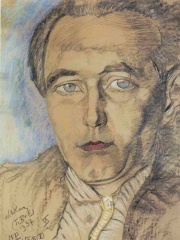
Roman Ingarden
1893 - 1970
HPI: 64.32
Место: 623
Maximus Planudes
1260 - 1305
HPI: 64.31
Место: 624
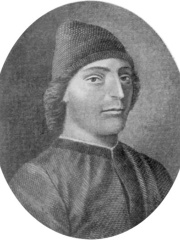
Guarino da Verona
1374 - 1460
HPI: 64.31
Место: 625

Современники
Среди людей, родившихся в 480 году, Dignāga занимает 8-е место. Перед ним идут Boethius, Pope Felix IV, Gelimer, Scholastica, Theodahad, и Damascius. После него идут Eutocius of Ascalon, Mark of Cornwall, и Maelgwn Gwynedd. Среди людей, умерших в 540 году, Dignāga занимает 3-е место. Перед ним идут Bodhidharma, и Wacho. После него идут Barsanuphius, Beopheung of Silla, Kaleb of Axum, и Amalaberga.
Другие люди, родившиеся в 480 году
Все рейтинги
Boethius
PHILOSOPHER
480 - 525
HPI: 78.53
Место: 2
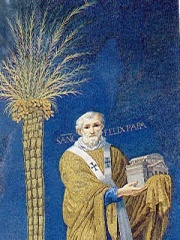
Pope Felix IV
RELIGIOUS FIGURE
480 - 530
HPI: 73.11
Место: 3
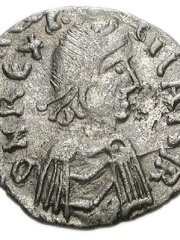
Gelimer
POLITICIAN
480 - 553
HPI: 72.28
Место: 4
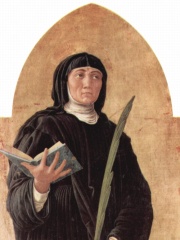
Scholastica
RELIGIOUS FIGURE
480 - 547
HPI: 71.18
Место: 5
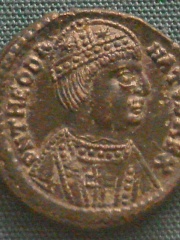
Theodahad
POLITICIAN
480 - 536
HPI: 70.71
Место: 6

Damascius
PHILOSOPHER
480 - 550
HPI: 68.64
Место: 7
Dignāga
PHILOSOPHER
480 - 540
HPI: 64.39
Место: 8

Eutocius of Ascalon
MATHEMATICIAN
480 - 600
HPI: 63.85
Место: 9
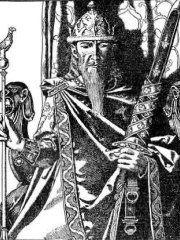
Mark of Cornwall
POLITICIAN
480 - 555
HPI: 60.49
Место: 10

Maelgwn Gwynedd
RELIGIOUS FIGURE
480 - 547
HPI: 51.04
Место: 11
Другие люди, умершие в 540 году
Все рейтинги
Bodhidharma
PHILOSOPHER
483 - 540
HPI: 78.17
Место: 1

Wacho
POLITICIAN
500 - 540
HPI: 65.28
Место: 2
Dignāga
PHILOSOPHER
480 - 540
HPI: 64.39
Место: 3
Barsanuphius
RELIGIOUS FIGURE
401 - 540
HPI: 64.08
Место: 4
Beopheung of Silla
POLITICIAN
500 - 540
HPI: 61.85
Место: 5
Kaleb of Axum
POLITICIAN
500 - 540
HPI: 61.72
Место: 6

Amalaberga
POLITICIAN
500 - 540
HPI: 60.22
Место: 7
В стране Индия
Среди людей, родившихся в стране Индия, Dignāga занимает 255-е место из 2,312. Перед ним идут Mangal Pandey (1827), Dadabhai Naoroji (1825), Mithun Chakraborty (1950), Ishwar Chandra Vidyasagar (1820), Mahadevi Varma (1907), и Śāntarakṣita (725). После него идут Dhyan Chand (1905), Priyanka Gandhi (1972), Pushyamitra Shunga (-300), Dharmendra (1935), Rakhee Gulzar (1947), и Gayatri Chakravorty Spivak (1942).
Другие люди, родившиеся в стране Индия
Все рейтинги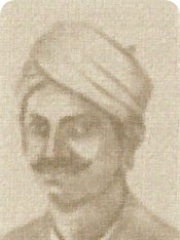
Mangal Pandey
SOCIAL ACTIVIST
1827 - 1857
HPI: 64.55
Место: 249
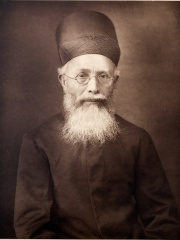
Dadabhai Naoroji
POLITICIAN
1825 - 1917
HPI: 64.54
Место: 250
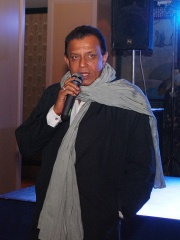
Mithun Chakraborty
ACTOR
1950 - наст. время
HPI: 64.47
Место: 251
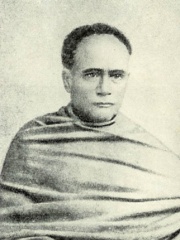
Ishwar Chandra Vidyasagar
WRITER
1820 - 1891
HPI: 64.41
Место: 252
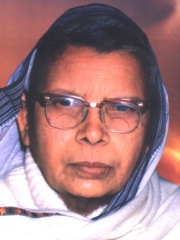
Mahadevi Varma
WRITER
1907 - 1987
HPI: 64.40
Место: 253

Śāntarakṣita
RELIGIOUS FIGURE
725 - 788
HPI: 64.39
Место: 254
Dignāga
PHILOSOPHER
480 - 540
HPI: 64.39
Место: 255
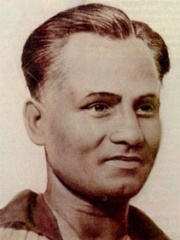
Dhyan Chand
POLITICIAN
1905 - 1979
HPI: 64.37
Место: 256
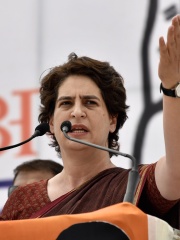
Priyanka Gandhi
POLITICIAN
1972 - наст. время
HPI: 64.30
Место: 257
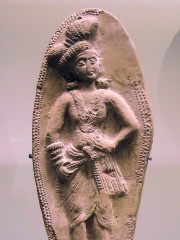
Pushyamitra Shunga
POLITICIAN
300 BC - 148 BC
HPI: 64.28
Место: 258
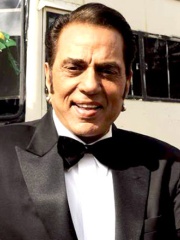
Dharmendra
ACTOR
1935 - 2025
HPI: 64.22
Место: 259
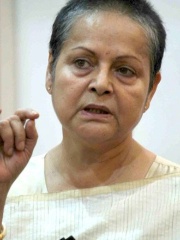
Rakhee Gulzar
ACTOR
1947 - наст. время
HPI: 64.21
Место: 260
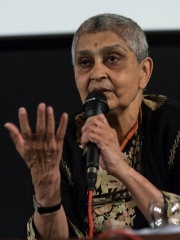
Gayatri Chakravorty Spivak
WRITER
1942 - наст. время
HPI: 64.15
Место: 261
Среди представителей профессии «Философ» в стране Индия
Среди представителей профессии «Философ», родившихся в стране Индия, Dignāga занимает 27-е место. Перед ним идут Shantideva (685), Homi K. Bhabha (1949), Madhvacharya (1199), Sivananda Saraswati (1887), Ahmad Sirhindi (1564), и Vinayak Damodar Savarkar (1883). После него идут Hemachandra (1089), Ravidas (1450), Vallabha (1479), Thiruvalluvar (350), Nisargadatta Maharaj (1897), и Narayana Guru (1855).

Shantideva
685 - 763
HPI: 67.07
Место: 21
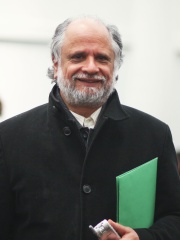
Homi K. Bhabha
1949 - наст. время
HPI: 66.35
Место: 22
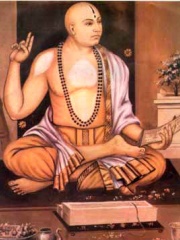
Madhvacharya
1199 - 1278
HPI: 65.81
Место: 23
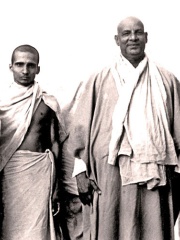
Sivananda Saraswati
1887 - 1963
HPI: 65.75
Место: 24

Ahmad Sirhindi
1564 - 1624
HPI: 65.65
Место: 25
Vinayak Damodar Savarkar
1883 - 1966
HPI: 65.41
Место: 26
Dignāga
480 - 540
HPI: 64.39
Место: 27

Hemachandra
1089 - 1172
HPI: 64.00
Место: 28
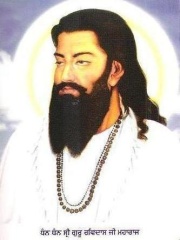
Ravidas
1450 - 1520
HPI: 63.85
Место: 29
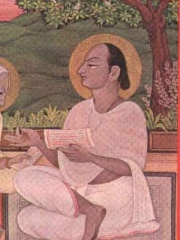
Vallabha
1479 - 1531
HPI: 63.23
Место: 30
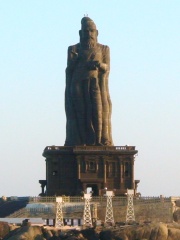
Thiruvalluvar
350 - 351
HPI: 62.34
Место: 31
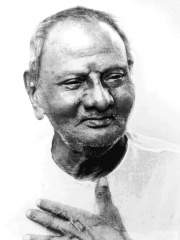
Nisargadatta Maharaj
1897 - 1981
HPI: 62.04
Место: 32
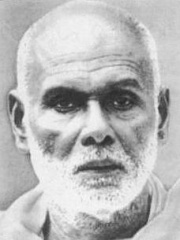
Narayana Guru
1855 - 1928
HPI: 61.88
Место: 33




