فيلسوف
Ammonius Hermiae
440 - 523
مشاهدات AR.WIKIPEDIA (PV)
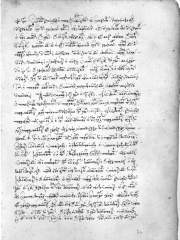
 Ammonius Hermiae
سيرته الذاتية متاحة بـ27 لغة مختلفة على ويكيبيديا (زيادة من 25 في 2024). يحتل Ammonius Hermiae المرتبة 541 بين أكثر فيلسوف شعبيةً (تقدمًا من 552 في 2024)، والمرتبة 250 بين أكثر السير الذاتية شعبيةً في مصر (تقدمًا من 253 في 2019)، كما يحتل المرتبة 12 بين أكثر فيلسوف من مصر شعبيةً.
مقاييس الشهرة
51k
مشاهدات الصفحة
آخر 12 شهرًا
65.51
HPI
مؤشر الشعبية التاريخية
رؤى من البيانات
27
تمتد سيرة Ammonius Hermiae عبر 27 نسخة لغوية من ويكيبيديا وتبلغ قيمة مؤشر الشعبية التاريخية 65.51.
مشاهدات صفحة Ammonius Hermiae حسب اللغة
من بين فيلسوف
من بين فيلسوف، يحتل Ammonius Hermiae المرتبة 541 من أصل 1,285. قبله يأتي Myia, Charles W. Morris, Marpa Lotsawa, Crates of Athens, Jan Patočka, وAnnemarie Schimmel. بعده يأتي Salomon Maimon, Luis de Molina, Albert of Saxony, Karl Leonhard Reinhold, P. D. Ouspensky, وGersonides.
أشهر فيلسوف على ويكيبيديا
عرض جميع التصنيفات

Myia
600 ق.م. - 560 ق.م.
HPI: 65.59
المرتبة: 535

Charles W. Morris
1903 - 1979
HPI: 65.55
المرتبة: 536

Marpa Lotsawa
1012 - 1097
HPI: 65.55
المرتبة: 537

Crates of Athens
400 ق.م. - 268 ق.م.
HPI: 65.54
المرتبة: 538
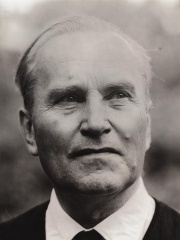
Jan Patočka
1907 - 1977
HPI: 65.54
المرتبة: 539
Annemarie Schimmel
1922 - 2003
HPI: 65.53
المرتبة: 540
Ammonius Hermiae
440 - 523
HPI: 65.51
المرتبة: 541

Salomon Maimon
1754 - 1800
HPI: 65.50
المرتبة: 542

Luis de Molina
1535 - 1600
HPI: 65.49
المرتبة: 543

Albert of Saxony
1316 - 1390
HPI: 65.47
المرتبة: 544
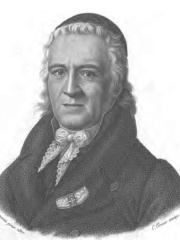
Karl Leonhard Reinhold
1757 - 1823
HPI: 65.45
المرتبة: 545
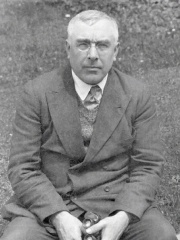
P. D. Ouspensky
1878 - 1947
HPI: 65.44
المرتبة: 546

Gersonides
1288 - 1344
HPI: 65.44
المرتبة: 547

معاصرون
من بين المولودين في عام 440، يحتل Ammonius Hermiae المرتبة 4. قبله يأتي Pope Felix III, Childeric I, وEuric. بعده يأتي Vakhtang I of Iberia, Shushanik, Emperor Wu of Southern Qi, وPhiloxenus of Mabbug. من بين المتوفين في عام 523، يحتل Ammonius Hermiae المرتبة 3. قبله يأتي Pope Hormisdas, وThrasamund. بعده يأتي Muryeong of Baekje, Euphemia, Dhu Nuwas, وPhiloxenus of Mabbug.
آخرون وُلدوا في عام 440
عرض جميع التصنيفات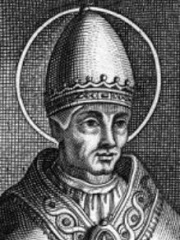
Pope Felix III
RELIGIOUS FIGURE
440 - 492
HPI: 77.20
المرتبة: 1
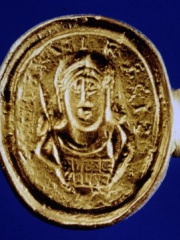
Childeric I
POLITICIAN
440 - 481
HPI: 75.38
المرتبة: 2
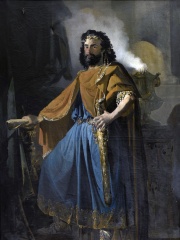
Euric
POLITICIAN
440 - 484
HPI: 71.73
المرتبة: 3
Ammonius Hermiae
PHILOSOPHER
440 - 523
HPI: 65.51
المرتبة: 4
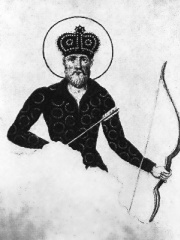
Vakhtang I of Iberia
POLITICIAN
440 - 502
HPI: 65.38
المرتبة: 5
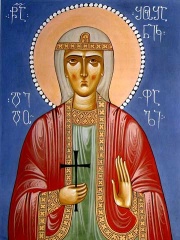
Shushanik
RELIGIOUS FIGURE
440 - 475
HPI: 62.26
المرتبة: 6

Emperor Wu of Southern Qi
POLITICIAN
440 - 493
HPI: 61.53
المرتبة: 7

Philoxenus of Mabbug
WRITER
440 - 523
HPI: 56.80
المرتبة: 8
آخرون توفوا في عام 523
عرض جميع التصنيفات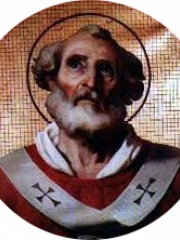
Pope Hormisdas
RELIGIOUS FIGURE
450 - 523
HPI: 76.89
المرتبة: 1
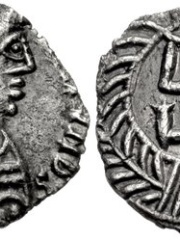
Thrasamund
POLITICIAN
450 - 523
HPI: 67.19
المرتبة: 2
Ammonius Hermiae
PHILOSOPHER
440 - 523
HPI: 65.51
المرتبة: 3

Muryeong of Baekje
POLITICIAN
462 - 523
HPI: 65.32
المرتبة: 4
Euphemia
POLITICIAN
500 - 523
HPI: 62.93
المرتبة: 5
Dhu Nuwas
POLITICIAN
450 - 523
HPI: 61.60
المرتبة: 6
Philoxenus of Mabbug
WRITER
440 - 523
HPI: 56.80
المرتبة: 7
في مصر
من بين المولودين في مصر، يحتل Ammonius Hermiae المرتبة 250 من أصل 773. قبله يأتي Nahshon (null), Pope Dioscorus I of Alexandria (444), Iry-Hor (-3101), Jehan Sadat (1933), Bintanath (-1300), وNeferirkare Kakai (-2483). بعده يأتي Mariamne (-100), Mary the Jewess (100), Takelot II (-900), Neferneferure (-1400), Ahmed Shafik (1941), وDidymus the Blind (313).
آخرون وُلدوا في مصر
عرض جميع التصنيفات
Nahshon
RELIGIOUS FIGURE
HPI: 65.96
المرتبة: 244
Pope Dioscorus I of Alexandria
RELIGIOUS FIGURE
444 - 454
HPI: 65.93
المرتبة: 245
Iry-Hor
POLITICIAN
3101 ق.م. - حتى الآن
HPI: 65.89
المرتبة: 246

Jehan Sadat
POLITICIAN
1933 - 2021
HPI: 65.79
المرتبة: 247
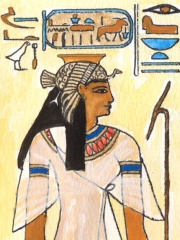
Bintanath
COMPANION
1300 ق.م. - 1300 ق.م.
HPI: 65.76
المرتبة: 248
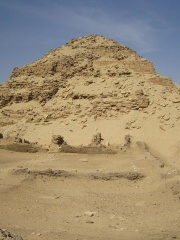
Neferirkare Kakai
NOBLEMAN
2483 ق.م. - 2480 ق.م.
HPI: 65.66
المرتبة: 249
Ammonius Hermiae
PHILOSOPHER
440 - 523
HPI: 65.51
المرتبة: 250

Mariamne
POLITICIAN
100 ق.م. - 60 ق.م.
HPI: 65.48
المرتبة: 251
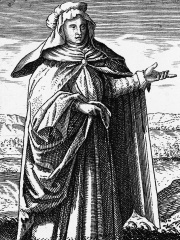
Mary the Jewess
INVENTOR
100 - 100
HPI: 65.39
المرتبة: 252
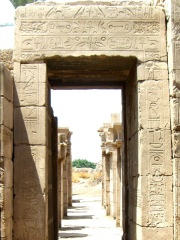
Takelot II
POLITICIAN
900 ق.م. - 825 ق.م.
HPI: 65.32
المرتبة: 253
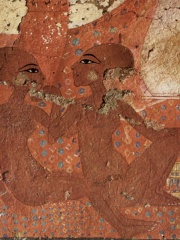
Neferneferure
POLITICIAN
1400 ق.م. - 1400 ق.م.
HPI: 65.31
المرتبة: 254
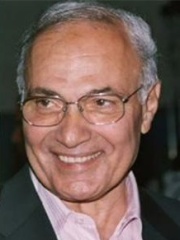
Ahmed Shafik
POLITICIAN
1941 - حتى الآن
HPI: 65.31
المرتبة: 255
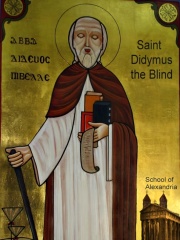
Didymus the Blind
RELIGIOUS FIGURE
313 - 398
HPI: 65.25
المرتبة: 256
من بين فيلسوف في مصر
من بين فيلسوف المولودين في مصر، يحتل Ammonius Hermiae المرتبة 12. قبله يأتي Muhammad Abduh (1849), Ammonius Saccas (175), John Philoponus (490), Saadia Gaon (882), Dhul-Nun al-Misri (796), وValentinus (100). بعده يأتي Syrianus (400), Olympiodorus the Younger (495), Hermias (401), Ahmad al-Tayyeb (1946), Nasr Abu Zayd (1943), وIsaac Israeli ben Solomon (832).
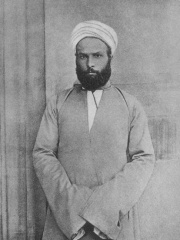
Muhammad Abduh
1849 - 1905
HPI: 73.35
المرتبة: 6

Ammonius Saccas
175 - 242
HPI: 71.27
المرتبة: 7

John Philoponus
490 - 570
HPI: 69.25
المرتبة: 8

Saadia Gaon
882 - 942
HPI: 68.42
المرتبة: 9

Dhul-Nun al-Misri
796 - 859
HPI: 67.23
المرتبة: 10

Valentinus
100 - 160
HPI: 66.01
المرتبة: 11
Ammonius Hermiae
440 - 523
HPI: 65.51
المرتبة: 12

Syrianus
400 - 437
HPI: 64.23
المرتبة: 13

Olympiodorus the Younger
495 - 570
HPI: 64.18
المرتبة: 14

Hermias
401 - 450
HPI: 62.70
المرتبة: 15

Ahmad al-Tayyeb
1946 - حتى الآن
HPI: 62.69
المرتبة: 16

Nasr Abu Zayd
1943 - 2010
HPI: 62.08
المرتبة: 17

Isaac Israeli ben Solomon
832 - حتى الآن
HPI: 61.86
المرتبة: 18




