Religieuze figuur
Scholastica
480 - 547
NL.WIKIPEDIA-PAGINAWEERGAVEN (PV)
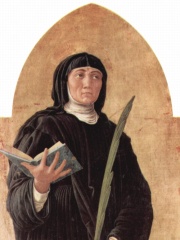
 Scholastica
Haar biografie is beschikbaar in 32 verschillende talen op Wikipedia (toegenomen van 30 in 2024). Scholastica staat op plaats 668 onder de meest populaire religieuze figuur (gestegen van plaats 694 in 2024), plaats 811 onder de meest populaire biografieën uit Italië (gestegen van plaats 864 in 2019) en op plaats 259 onder de populairste religieuze figuur uit Italië.
Bekendheidsstatistieken
200k
Paginaweergaven
Afgelopen 12 maanden
71.18
HPI
Historische populariteitsindex
Data-inzichten
#7,483
Meer dan 14 eeuwen na de dood staat Scholastica nog altijd op plaats 7,483 van alle personen in Pantheon.
441
Scholastica is een van de slechts 441 vrouwen onder de 3,187 Religieuze figuur in Pantheon.
32
De biografie van Scholastica verschijnt in 32 taalversies van Wikipedia — meer dan bij 75% van alle Religieuze figuur.
2 mrt
Scholastica is jarig op dezelfde dag (2 maart) als Pope Leo XIII, Pope Pius XII en Mikhail Gorbachev.
Paginaweergaven van Scholastica per taal
Onder Religieuze figuur
Onder Religieuze figuur staat Scholastica op plaats 668 van 3,187. Vóór haar staan Tarcisius, John Knox, Zebedee, Saint Eustace, Pope Theophilus of Alexandria, en Korah. Na haar komen Edward the Confessor, Onuphrius, Mahākāśyapa, Flavian of Constantinople, Lydia of Thyatira, en Jael.
Populairste Religieuze figuur op Wikipedia
Naar alle ranglijsten
Tarcisius
263 - 275
HPI: 71.27
Plaats: 662
John Knox
1514 - 1572
HPI: 71.26
Plaats: 663
Zebedee
100 BC - 100
HPI: 71.25
Plaats: 664
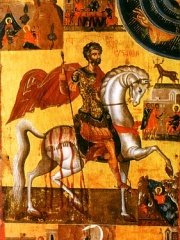
Saint Eustace
10 - 118
HPI: 71.24
Plaats: 665
Pope Theophilus of Alexandria
310 - 412
HPI: 71.21
Plaats: 666

Korah
HPI: 71.18
Plaats: 667
Scholastica
480 - 547
HPI: 71.18
Plaats: 668
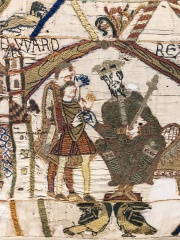
Edward the Confessor
1003 - 1066
HPI: 71.18
Plaats: 669
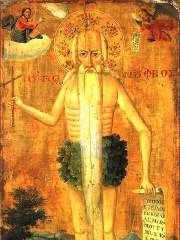
Onuphrius
320 - 400
HPI: 71.17
Plaats: 670

Mahākāśyapa
550 BC - 549 BC
HPI: 71.13
Plaats: 671
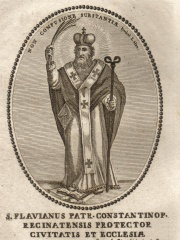
Flavian of Constantinople
380 - 449
HPI: 71.12
Plaats: 672
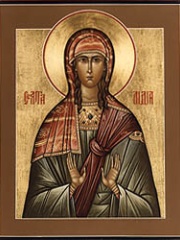
Lydia of Thyatira
100 - 100
HPI: 71.10
Plaats: 673
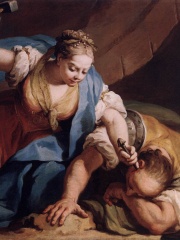
Jael
HPI: 71.10
Plaats: 674

Tijdgenoten
Onder de mensen geboren in 480 staat Scholastica op plaats 5. Vóór haar staan Benedict of Nursia, Boethius, Pope Felix IV, en Gelimer. Na haar komen Theodahad, Damascius, Dignāga, Eutocius of Ascalon, Mark of Cornwall, en Maelgwn Gwynedd. Onder de mensen overleden in 547 staat Scholastica op plaats 1. Na haar komt Maelgwn Gwynedd.
Anderen geboren in 480
Naar alle ranglijsten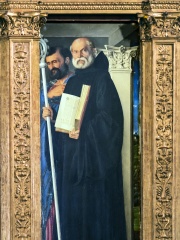
Benedict of Nursia
RELIGIOUS FIGURE
480 - 543
HPI: 82.79
Plaats: 1
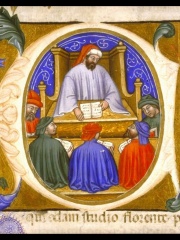
Boethius
PHILOSOPHER
480 - 525
HPI: 78.53
Plaats: 2
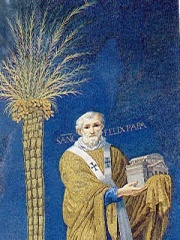
Pope Felix IV
RELIGIOUS FIGURE
480 - 530
HPI: 73.11
Plaats: 3
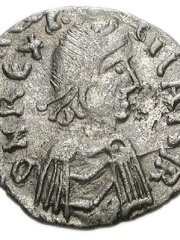
Gelimer
POLITICIAN
480 - 553
HPI: 72.28
Plaats: 4
Scholastica
RELIGIOUS FIGURE
480 - 547
HPI: 71.18
Plaats: 5
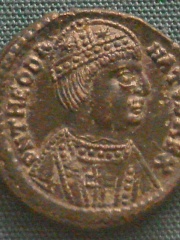
Theodahad
POLITICIAN
480 - 536
HPI: 70.71
Plaats: 6

Damascius
PHILOSOPHER
480 - 550
HPI: 68.64
Plaats: 7

Dignāga
PHILOSOPHER
480 - 540
HPI: 64.39
Plaats: 8

Eutocius of Ascalon
MATHEMATICIAN
480 - 600
HPI: 63.85
Plaats: 9
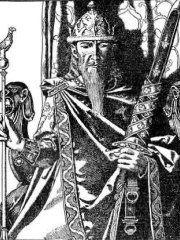
Mark of Cornwall
POLITICIAN
480 - 555
HPI: 60.49
Plaats: 10

Maelgwn Gwynedd
RELIGIOUS FIGURE
480 - 547
HPI: 51.04
Plaats: 11
Anderen overleden in 547
Naar alle ranglijstenScholastica
RELIGIOUS FIGURE
480 - 547
HPI: 71.18
Plaats: 1
Maelgwn Gwynedd
RELIGIOUS FIGURE
480 - 547
HPI: 51.04
Plaats: 2
In Italië
Onder de mensen geboren in Italië staat Scholastica op plaats 811 van 5,161. Vóór haar staan Saint Eustace (10), Pompeia (-90), Lino Ventura (1919), Poggio Bracciolini (1380), Louise of Orléans (1812), en Palmiro Togliatti (1893). Na haar komen Vittorio Gassman (1922), Aldo Rossi (1931), Giambattista Basile (1566), Dario Argento (1940), Ferdinand, Duke of Parma (1751), en Domenichino (1581).
Anderen geboren in Italië
Naar alle ranglijstenSaint Eustace
RELIGIOUS FIGURE
10 - 118
HPI: 71.24
Plaats: 805
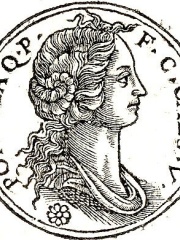
Pompeia
POLITICIAN
90 BC - heden
HPI: 71.23
Plaats: 806
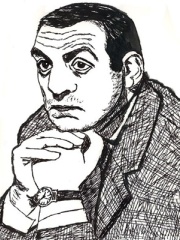
Lino Ventura
ACTOR
1919 - 1987
HPI: 71.22
Plaats: 807
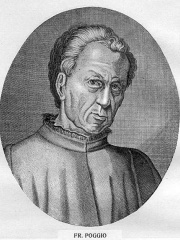
Poggio Bracciolini
HISTORIAN
1380 - 1459
HPI: 71.22
Plaats: 808
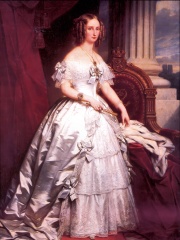
Louise of Orléans
POLITICIAN
1812 - 1850
HPI: 71.19
Plaats: 809
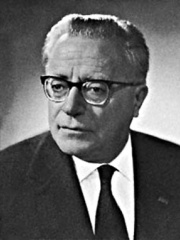
Palmiro Togliatti
POLITICIAN
1893 - 1964
HPI: 71.19
Plaats: 810
Scholastica
RELIGIOUS FIGURE
480 - 547
HPI: 71.18
Plaats: 811
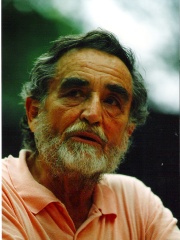
Vittorio Gassman
ACTOR
1922 - 2000
HPI: 71.17
Plaats: 812
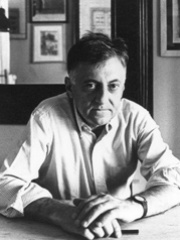
Aldo Rossi
ARCHITECT
1931 - 1997
HPI: 71.17
Plaats: 813
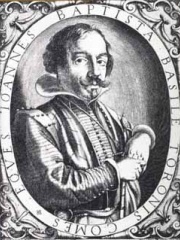
Giambattista Basile
WRITER
1566 - 1632
HPI: 71.14
Plaats: 814
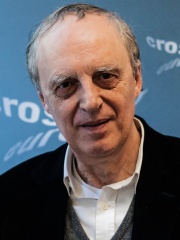
Dario Argento
FILM DIRECTOR
1940 - heden
HPI: 71.13
Plaats: 815
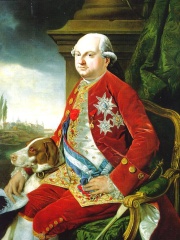
Ferdinand, Duke of Parma
POLITICIAN
1751 - 1802
HPI: 71.12
Plaats: 816
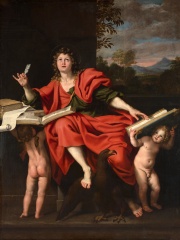
Domenichino
PAINTER
1581 - 1641
HPI: 71.11
Plaats: 817
Onder Religieuze figuur in Italië
Onder Religieuze figuur geboren in Italië staat Scholastica op plaats 259. Vóór haar staan Camillus de Lellis (1550), Jacobus da Varagine (1228), Angela Merici (1474), Peter Lombard (1096), Tarcisius (263), en Saint Eustace (10). Na haar komen Alexius of Rome (400), Antipope Felix II (300), Giulia Farnese (1474), Joseph of Cupertino (1603), Silas (1), en Angelo Scola (1941).
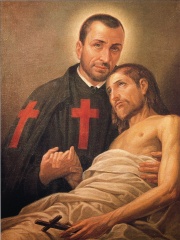
Camillus de Lellis
1550 - 1614
HPI: 72.26
Plaats: 253
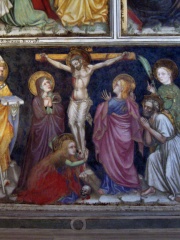
Jacobus da Varagine
1228 - 1298
HPI: 71.86
Plaats: 254
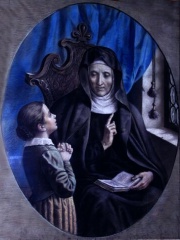
Angela Merici
1474 - 1540
HPI: 71.57
Plaats: 255
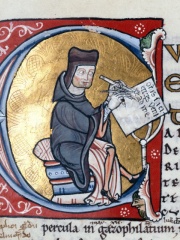
Peter Lombard
1096 - 1160
HPI: 71.43
Plaats: 256
Tarcisius
263 - 275
HPI: 71.27
Plaats: 257
Saint Eustace
10 - 118
HPI: 71.24
Plaats: 258
Scholastica
480 - 547
HPI: 71.18
Plaats: 259
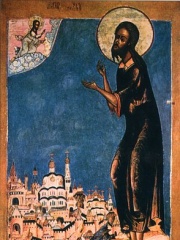
Alexius of Rome
400 - 412
HPI: 70.91
Plaats: 260
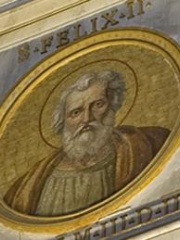
Antipope Felix II
300 - 365
HPI: 70.65
Plaats: 261
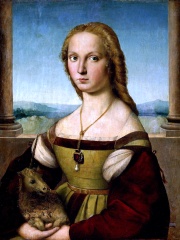
Giulia Farnese
1474 - 1524
HPI: 70.60
Plaats: 262
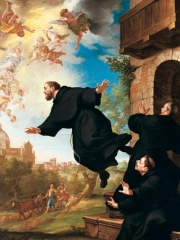
Joseph of Cupertino
1603 - 1663
HPI: 70.52
Plaats: 263
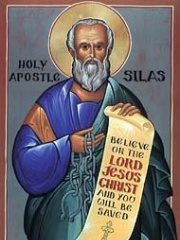
Silas
1 - 100
HPI: 70.37
Plaats: 264
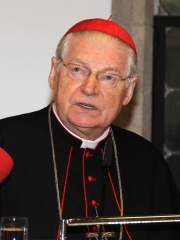
Angelo Scola
1941 - heden
HPI: 70.24
Plaats: 265




