Vallási személyiség
Saint Eustace
10 - 118
HU.WIKIPEDIA OLDALMEGTEKINTÉSEK (PV)
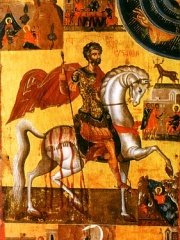
 Saint Eustace
Életrajza 32 különböző nyelven érhető el a Wikipédián. Saint Eustace a 665th legnépszerűbb vallási személyiség (csökkenés a 498th-ről 2024-ben), a 805th legnépszerűbb életrajz Olaszország országából (csökkenés a 573rd-ről 2019-ben) és a 258th legnépszerűbb Olaszországból vallási személyiség.
Ismertségi mutatók
92k
Oldalmegtekintések
Elmúlt 12 hónap
71.24
HPI
Történelmi népszerűségi index
Adatérdekességek
32
Saint Eustace életrajza a Wikipédia 32 nyelvi változatában érhető el, történelmi népszerűségi indexe 71.24.
Saint Eustace oldalmegtekintései nyelvenként
A(z) Vallási személyiség között
A(z) Vallási személyiség között Saint Eustace a(z) 665. helyen áll 3,189 közül. Előtte állnak: Hans Küng, Óscar Romero, Francis Borgia, 4th Duke of Gandía, Tarcisius, John Knox, és Zebedee. Utána következnek: Pope Theophilus of Alexandria, Korah, Scholastica, Edward the Confessor, Onuphrius, és Mahākāśyapa.
A legnépszerűbb Vallási személyiség a Wikipédián
Összes rangsor megtekintése
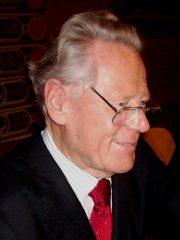
Hans Küng
1928 - 2021
HPI: 71.34
Helyezés: 659
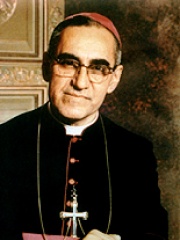
Óscar Romero
1917 - 1980
HPI: 71.28
Helyezés: 660
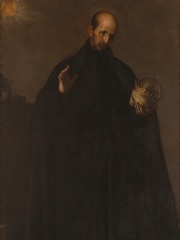
Francis Borgia, 4th Duke of Gandía
1510 - 1572
HPI: 71.27
Helyezés: 661
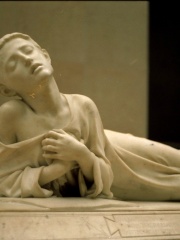
Tarcisius
263 - 275
HPI: 71.27
Helyezés: 662
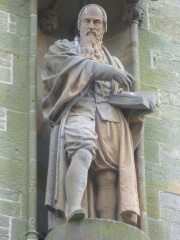
John Knox
1514 - 1572
HPI: 71.26
Helyezés: 663
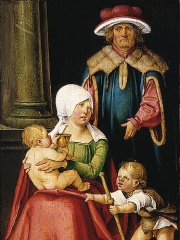
Zebedee
100 BC - 100
HPI: 71.25
Helyezés: 664
Saint Eustace
10 - 118
HPI: 71.24
Helyezés: 665
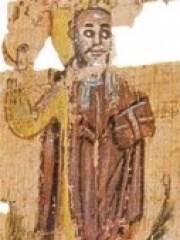
Pope Theophilus of Alexandria
310 - 412
HPI: 71.21
Helyezés: 666

Korah
HPI: 71.18
Helyezés: 667
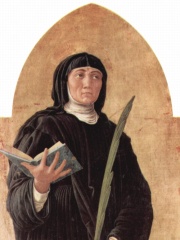
Scholastica
480 - 547
HPI: 71.18
Helyezés: 668
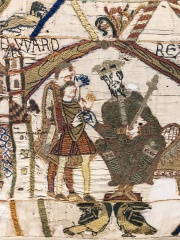
Edward the Confessor
1003 - 1066
HPI: 71.18
Helyezés: 669
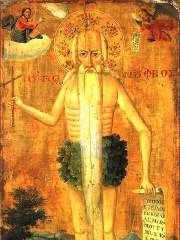
Onuphrius
320 - 400
HPI: 71.17
Helyezés: 670

Mahākāśyapa
550 BC - 549 BC
HPI: 71.13
Helyezés: 671

Kortársak
A(z) 10. évben születettek között Saint Eustace a(z) 5. helyen áll. Előtte állnak: Matthew the Apostle, Mark the Evangelist, Hero of Alexandria, és John the Evangelist. Utána következnek: Tigellinus, Antonius Felix, Gaius Suetonius Paulinus, Vardanes I, Gotarzes II of Parthia, Lucius Annaeus Cornutus, és Minjung of Goguryeo. A(z) 118. évben elhunytak között Saint Eustace a(z) 1. helyen áll. Utána következik: Lusius Quietus.
További személyek, akik a(z) 10. évben születtek
Összes rangsor megtekintése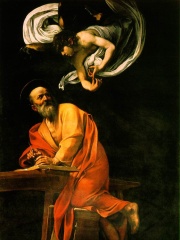
Matthew the Apostle
RELIGIOUS FIGURE
10 - 74
HPI: 88.31
Helyezés: 1
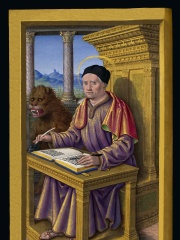
Mark the Evangelist
RELIGIOUS FIGURE
10 - 68
HPI: 85.33
Helyezés: 2
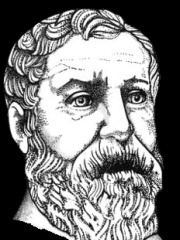
Hero of Alexandria
MATHEMATICIAN
10 - 75
HPI: 80.07
Helyezés: 3
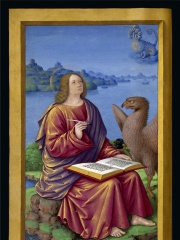
John the Evangelist
WRITER
10 - 100
HPI: 77.45
Helyezés: 4
Saint Eustace
RELIGIOUS FIGURE
10 - 118
HPI: 71.24
Helyezés: 5
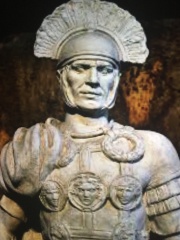
Tigellinus
POLITICIAN
10 - 69
HPI: 67.86
Helyezés: 6
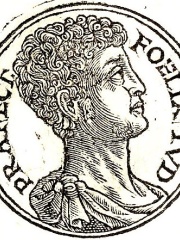
Antonius Felix
POLITICIAN
10 - 100
HPI: 67.75
Helyezés: 7
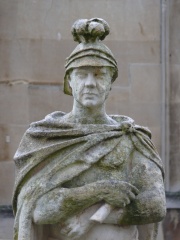
Gaius Suetonius Paulinus
MILITARY PERSONNEL
10 - 60
HPI: 63.88
Helyezés: 8
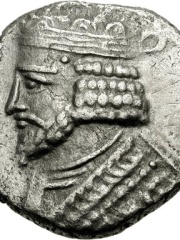
Vardanes I
POLITICIAN
10 - 47
HPI: 63.63
Helyezés: 9
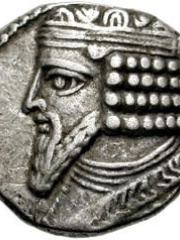
Gotarzes II of Parthia
POLITICIAN
10 - 51
HPI: 63.14
Helyezés: 10

Lucius Annaeus Cornutus
PHILOSOPHER
10 - 80
HPI: 62.08
Helyezés: 11

Minjung of Goguryeo
POLITICIAN
10 - 48
HPI: 61.08
Helyezés: 12
További személyek, akik a(z) 118. évben hunytak el
Összes rangsor megtekintéseSaint Eustace
RELIGIOUS FIGURE
10 - 118
HPI: 71.24
Helyezés: 1
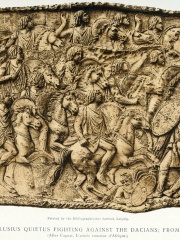
Lusius Quietus
POLITICIAN
100 - 118
HPI: 64.06
Helyezés: 2
A(z) Olaszország rangsorában
A(z) Olaszország területén születettek között Saint Eustace a(z) 805. helyen áll 5,905 közül. Előtte állnak: Gian Galeazzo Sforza (1469), Tarcisius (263), Gigliola Cinquetti (1947), Claudia Octavia (40), Athalaric (516), és Gabriele Amorth (1925). Utána következnek: Pompeia (-90), Lino Ventura (1919), Poggio Bracciolini (1380), Louise of Orléans (1812), Palmiro Togliatti (1893), és Scholastica (480).
További személyek, akik Olaszország területén születtek
Összes rangsor megtekintése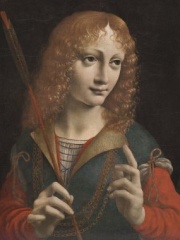
Gian Galeazzo Sforza
NOBLEMAN
1469 - 1494
HPI: 71.28
Helyezés: 799
Tarcisius
RELIGIOUS FIGURE
263 - 275
HPI: 71.27
Helyezés: 800
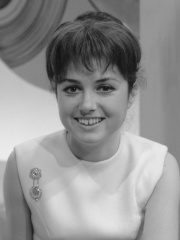
Gigliola Cinquetti
SINGER
1947 - napjainkig
HPI: 71.26
Helyezés: 801
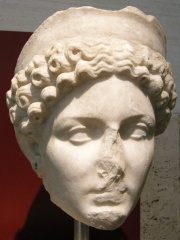
Claudia Octavia
POLITICIAN
40 - 62
HPI: 71.26
Helyezés: 802
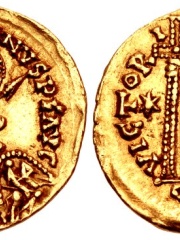
Athalaric
POLITICIAN
516 - 534
HPI: 71.25
Helyezés: 803

Gabriele Amorth
WRITER
1925 - 2016
HPI: 71.25
Helyezés: 804
Saint Eustace
RELIGIOUS FIGURE
10 - 118
HPI: 71.24
Helyezés: 805
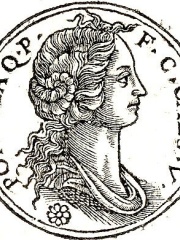
Pompeia
POLITICIAN
90 BC - napjainkig
HPI: 71.23
Helyezés: 806
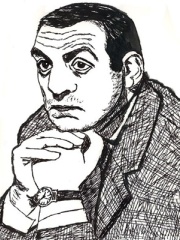
Lino Ventura
ACTOR
1919 - 1987
HPI: 71.22
Helyezés: 807
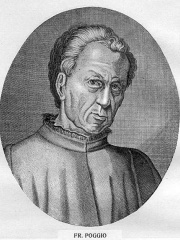
Poggio Bracciolini
HISTORIAN
1380 - 1459
HPI: 71.22
Helyezés: 808
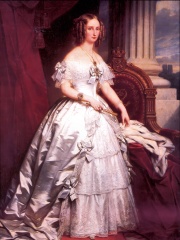
Louise of Orléans
POLITICIAN
1812 - 1850
HPI: 71.19
Helyezés: 809
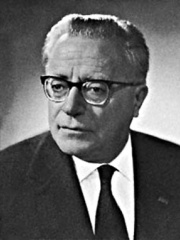
Palmiro Togliatti
POLITICIAN
1893 - 1964
HPI: 71.19
Helyezés: 810
Scholastica
RELIGIOUS FIGURE
480 - 547
HPI: 71.18
Helyezés: 811
A(z) Vallási személyiség között – Olaszország
A(z) Olaszország területén született Vallási személyiség között Saint Eustace a(z) 258. helyen áll. Előtte állnak: Beatrice Portinari (1265), Camillus de Lellis (1550), Jacobus da Varagine (1228), Angela Merici (1474), Peter Lombard (1096), és Tarcisius (263). Utána következnek: Scholastica (480), Alexius of Rome (400), Antipope Felix II (300), Giulia Farnese (1474), Joseph of Cupertino (1603), és Silas (1).
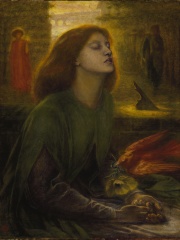
Beatrice Portinari
1265 - 1290
HPI: 72.27
Helyezés: 252
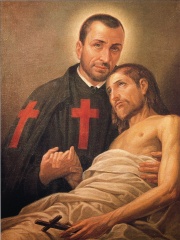
Camillus de Lellis
1550 - 1614
HPI: 72.26
Helyezés: 253
Jacobus da Varagine
1228 - 1298
HPI: 71.86
Helyezés: 254
Angela Merici
1474 - 1540
HPI: 71.57
Helyezés: 255
Peter Lombard
1096 - 1160
HPI: 71.43
Helyezés: 256
Tarcisius
263 - 275
HPI: 71.27
Helyezés: 257
Saint Eustace
10 - 118
HPI: 71.24
Helyezés: 258
Scholastica
480 - 547
HPI: 71.18
Helyezés: 259
Alexius of Rome
400 - 412
HPI: 70.91
Helyezés: 260
Antipope Felix II
300 - 365
HPI: 70.65
Helyezés: 261
Giulia Farnese
1474 - 1524
HPI: 70.60
Helyezés: 262
Joseph of Cupertino
1603 - 1663
HPI: 70.52
Helyezés: 263

Silas
1 - 100
HPI: 70.37
Helyezés: 264




