Personnalité religieuse
Flavian of Constantinople
380 - 449
PAGES VUES SUR FR.WIKIPEDIA (PV)
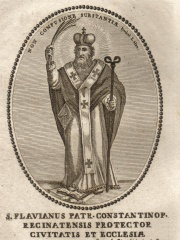
 Flavian of Constantinople
Sa biographie est disponible en 26 langues sur Wikipédia. Flavian of Constantinople est le 672nd personnalité religieuse le plus populaire (en hausse du 845th en 2024), la 279th biographie la plus populaire de Turquie (en hausse du 400th en 2019), ainsi que le 45th personnalité religieuse de Turquie le plus populaire.
Indicateurs de mémorabilité
18k
Pages vues
12 derniers mois
71.12
HPI
Indice de popularité historique
Pages vues de Flavian of Constantinople par langue
Parmi les Personnalité religieuse
Parmi les Personnalité religieuse, Flavian of Constantinople occupe le rang 672 sur 3,187. Avant lui viennent Pope Theophilus of Alexandria, Korah, Scholastica, Edward the Confessor, Onuphrius, et Mahākāśyapa. Après lui viennent Lydia of Thyatira, Jael, Richard Williamson, Peter Waldo, Angelus Silesius, et Ja'far ibn Abi Talib.
Personnalité religieuse les plus populaires sur Wikipédia
Voir tous les classements
Pope Theophilus of Alexandria
310 - 412
HPI : 71.21
Rang : 666

Korah
HPI : 71.18
Rang : 667
Scholastica
480 - 547
HPI : 71.18
Rang : 668

Edward the Confessor
1003 - 1066
HPI : 71.18
Rang : 669
Onuphrius
320 - 400
HPI : 71.17
Rang : 670
Mahākāśyapa
550 BC - 549 BC
HPI : 71.13
Rang : 671
Flavian of Constantinople
380 - 449
HPI : 71.12
Rang : 672
Lydia of Thyatira
100 - 100
HPI : 71.10
Rang : 673

Jael
HPI : 71.10
Rang : 674
Richard Williamson
1940 - 2025
HPI : 71.07
Rang : 675
Peter Waldo
1140 - 1205
HPI : 71.06
Rang : 676
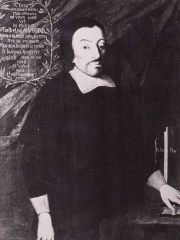
Angelus Silesius
1624 - 1677
HPI : 71.03
Rang : 677
Ja'far ibn Abi Talib
589 - 629
HPI : 71.03
Rang : 678

Contemporains
Parmi les personnes nées en 380, Flavian of Constantinople occupe le rang 2. Avant lui vient Socrates of Constantinople. Après lui viennent Eutyches, Peter Chrysologus, Eucherius of Lyon, Koriun, et Eznik of Kolb. Parmi les personnes décédées en 449, Flavian of Constantinople occupe le rang 1. Après lui viennent Arsenius the Great, Eucherius of Lyon, et Hilary of Arles.
Autres personnes nées en 380
Voir tous les classements
Socrates of Constantinople
HISTORIAN
380 - 440
HPI : 72.04
Rang : 1
Flavian of Constantinople
RELIGIOUS FIGURE
380 - 449
HPI : 71.12
Rang : 2

Eutyches
RELIGIOUS FIGURE
380 - 454
HPI : 69.83
Rang : 3
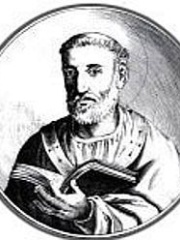
Peter Chrysologus
RELIGIOUS FIGURE
380 - 450
HPI : 67.62
Rang : 4
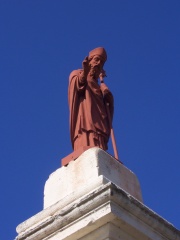
Eucherius of Lyon
RELIGIOUS FIGURE
380 - 449
HPI : 61.77
Rang : 5
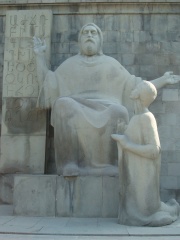
Koriun
WRITER
380 - 450
HPI : 60.82
Rang : 6
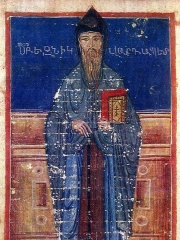
Eznik of Kolb
RELIGIOUS FIGURE
380 - 450
HPI : 59.74
Rang : 7
Autres personnes décédées en 449
Voir tous les classementsFlavian of Constantinople
RELIGIOUS FIGURE
380 - 449
HPI : 71.12
Rang : 1
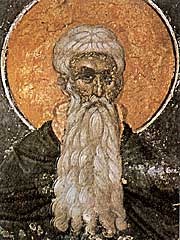
Arsenius the Great
RELIGIOUS FIGURE
354 - 449
HPI : 65.55
Rang : 2
Eucherius of Lyon
RELIGIOUS FIGURE
380 - 449
HPI : 61.77
Rang : 3
Hilary of Arles
RELIGIOUS FIGURE
401 - 449
HPI : 59.75
Rang : 4
En Turquie
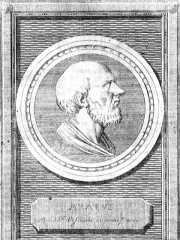
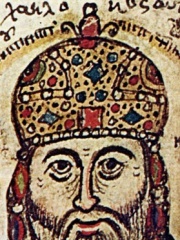
Parmi les personnes nées en Turquie, Flavian of Constantinople occupe le rang 279 sur NaN. Avant lui viennent André Chénier (1762), Anchises (null), Dardanus (null), Priscus (410), Aratus (-315), et Michael IX Palaiologos (1277). Après lui viennent Lydia of Thyatira (100), Tansu Çiller (1946), Ctesias (-440), Seleucus II Callinicus (-265), Alexander of Aphrodisias (200), et Vitiges (475).
Autres personnes nées en Turquie
Voir tous les classements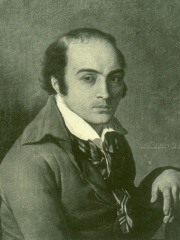
André Chénier
WRITER
1762 - 1794
HPI : 71.30
Rang : 273
Anchises
POLITICIAN
HPI : 71.30
Rang : 274

Dardanus
POLITICIAN
HPI : 71.28
Rang : 275

Priscus
PHILOSOPHER
410 - 471
HPI : 71.23
Rang : 276
Aratus
WRITER
315 BC - 240 BC
HPI : 71.21
Rang : 277
Michael IX Palaiologos
POLITICIAN
1277 - 1320
HPI : 71.14
Rang : 278
Flavian of Constantinople
RELIGIOUS FIGURE
380 - 449
HPI : 71.12
Rang : 279
Lydia of Thyatira
RELIGIOUS FIGURE
100 - 100
HPI : 71.10
Rang : 280
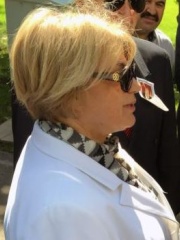
Tansu Çiller
ECONOMIST
1946 - présent
HPI : 71.07
Rang : 281

Ctesias
PHYSICIAN
440 BC - 400 BC
HPI : 71.06
Rang : 282
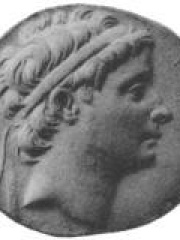
Seleucus II Callinicus
POLITICIAN
265 BC - 225 BC
HPI : 71.03
Rang : 283
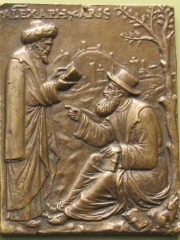
Alexander of Aphrodisias
PHILOSOPHER
200 - 215
HPI : 71.01
Rang : 284
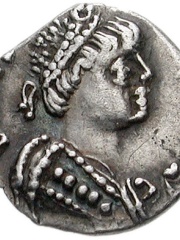
Vitiges
POLITICIAN
475 - 542
HPI : 70.97
Rang : 285
Parmi les Personnalité religieuse en Turquie
Parmi les Personnalité religieuse nés en Turquie, Flavian of Constantinople occupe le rang 45. Avant lui viennent Sabbas the Sanctified (439), Laban (-1900), Pancras of Rome (289), Thecla (100), Theophanes the Confessor (758), et Philemon (100). Après lui viennent Lydia of Thyatira (100), Germanus I of Constantinople (634), Evagrius Ponticus (345), Ignatios of Constantinople (797), Tarasios of Constantinople (730), et Pelagia (400).
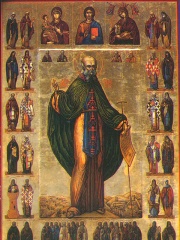
Sabbas the Sanctified
439 - 532
HPI : 72.39
Rang : 39

Laban
1900 BC - présent
HPI : 72.30
Rang : 40
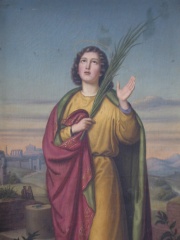
Pancras of Rome
289 - 304
HPI : 72.06
Rang : 41

Thecla
100 - 100
HPI : 71.86
Rang : 42
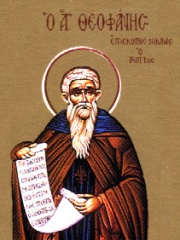
Theophanes the Confessor
758 - 818
HPI : 71.81
Rang : 43

Philemon
100 - 68
HPI : 71.46
Rang : 44
Flavian of Constantinople
380 - 449
HPI : 71.12
Rang : 45
Lydia of Thyatira
100 - 100
HPI : 71.10
Rang : 46
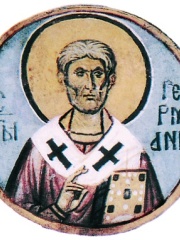
Germanus I of Constantinople
634 - 733
HPI : 70.82
Rang : 47

Evagrius Ponticus
345 - 399
HPI : 70.54
Rang : 48
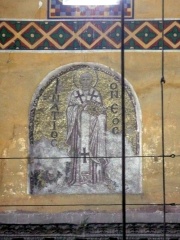
Ignatios of Constantinople
797 - 877
HPI : 70.50
Rang : 49
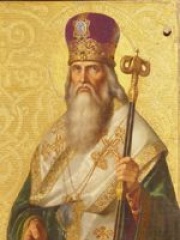
Tarasios of Constantinople
730 - 806
HPI : 70.50
Rang : 50

Pelagia
400 - 457
HPI : 70.38
Rang : 51




