Religieuze figuur
Angelo Scola
1941 - heden
NL.WIKIPEDIA-PAGINAWEERGAVEN (PV)
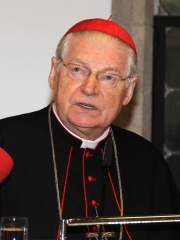

 Angelo Scola
Zijn biografie is beschikbaar in 38 verschillende talen op Wikipedia (toegenomen van 36 in 2024). Angelo Scola staat op plaats 732 onder de meest populaire religieuze figuur (gestegen van plaats 956 in 2024), plaats 913 onder de meest populaire biografieën uit Italië (gestegen van plaats 1.383 in 2019) en op plaats 265 onder de populairste religieuze figuur uit Italië.
Bekendheidsstatistieken
71k
Paginaweergaven
Afgelopen 12 maanden
70.24
HPI
Historische populariteitsindex
Data-inzichten
+5,653
Angelo Scola steeg 5,653 plaatsen in de wereldwijde HPI-ranglijst van Pantheon, van plaats 14,348 naar 8,702.
Paginaweergaven van Angelo Scola per taal
Onder Religieuze figuur
Onder Religieuze figuur staat Angelo Scola op plaats 732 van 3,189. Vóór hem staan Dayananda Saraswati, Muhammad Ahmad, Demetrios I of Constantinople, Eulalia of Mérida, John Cassian, en Chaitanya Mahaprabhu. Na hem komen Obadiah, Al-Suyuti, Robert of Molesme, John Mott, Nahor, son of Serug, en Benkei.
Populairste Religieuze figuur op Wikipedia
Naar alle ranglijsten
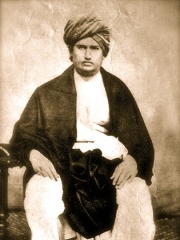
Dayananda Saraswati
1824 - 1883
HPI: 70.37
Plaats: 726
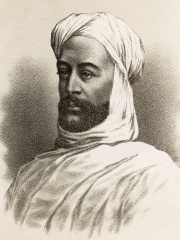
Muhammad Ahmad
1844 - 1885
HPI: 70.35
Plaats: 727
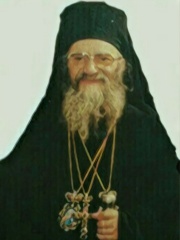
Demetrios I of Constantinople
1914 - 1991
HPI: 70.30
Plaats: 728
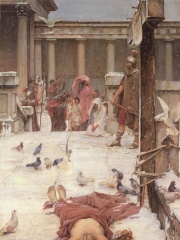
Eulalia of Mérida
290 - 304
HPI: 70.29
Plaats: 729
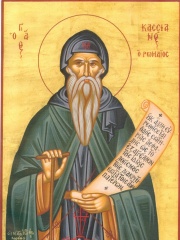
John Cassian
360 - 435
HPI: 70.28
Plaats: 730

Chaitanya Mahaprabhu
1486 - 1534
HPI: 70.26
Plaats: 731
Angelo Scola
1941 - heden
HPI: 70.24
Plaats: 732
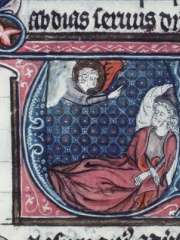
Obadiah
587 BC - 500 BC
HPI: 70.24
Plaats: 733
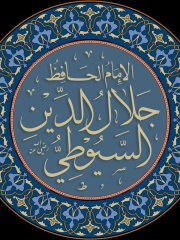
Al-Suyuti
1445 - 1505
HPI: 70.22
Plaats: 734
Robert of Molesme
1024 - 1111
HPI: 70.19
Plaats: 735
John Mott
1865 - 1955
HPI: 70.17
Plaats: 736
Nahor, son of Serug
1912 BC - 1764 BC
HPI: 70.15
Plaats: 737

Benkei
1155 - 1189
HPI: 70.14
Plaats: 738

Tijdgenoten
Onder de mensen geboren in 1941 staat Angelo Scola op plaats 60. Vóór hem staan George Clinton, Nathalie Delon, Viktor Zubkov, Frank Farian, Ryan O'Neal, en Art Garfunkel. Na hem komen Milan Kučan, Paul Anka, Nona Gaprindashvili, Ritchie Valens, Jordi Savall, en Michael Howard.
Anderen geboren in 1941
Naar alle ranglijsten
George Clinton
SINGER
1941 - heden
HPI: 70.49
Plaats: 54
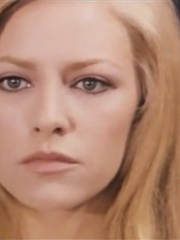
Nathalie Delon
ACTOR
1941 - 2021
HPI: 70.49
Plaats: 55
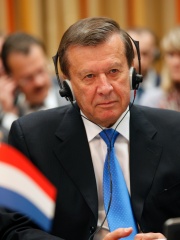
Viktor Zubkov
POLITICIAN
1941 - heden
HPI: 70.40
Plaats: 56
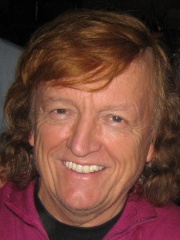
Frank Farian
MUSICIAN
1941 - 2024
HPI: 70.40
Plaats: 57
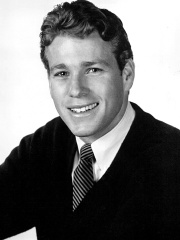
Ryan O'Neal
ACTOR
1941 - 2023
HPI: 70.32
Plaats: 58
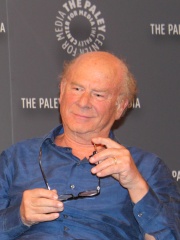
Art Garfunkel
SINGER
1941 - heden
HPI: 70.29
Plaats: 59
Angelo Scola
RELIGIOUS FIGURE
1941 - heden
HPI: 70.24
Plaats: 60

Milan Kučan
POLITICIAN
1941 - heden
HPI: 70.19
Plaats: 61
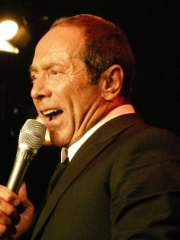
Paul Anka
SINGER
1941 - heden
HPI: 70.02
Plaats: 62

Nona Gaprindashvili
CHESS PLAYER
1941 - heden
HPI: 70.01
Plaats: 63

Ritchie Valens
MUSICIAN
1941 - 1959
HPI: 69.67
Plaats: 64
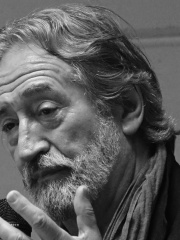
Jordi Savall
COMPOSER
1941 - heden
HPI: 69.64
Plaats: 65
Michael Howard
POLITICIAN
1941 - heden
HPI: 69.64
Plaats: 66
In Italië
Onder de mensen geboren in Italië staat Angelo Scola op plaats 913 van 5,905. Vóór hem staan Orazio Gentileschi (1563), Raimondo Montecuccoli (1609), Pietro Pomponazzi (1462), Roberto Cavalli (1940), François Gérard (1770), en Emilio Salgari (1862). Na hem komen Rosalia Lombardo (1918), Ferruccio Busoni (1866), Lorenzo di Credi (1459), Italo Gariboldi (1879), Sandro Pertini (1896), en Carla Bruni (1967).
Anderen geboren in Italië
Naar alle ranglijsten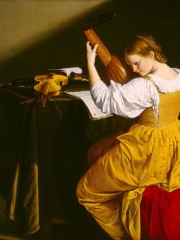
Orazio Gentileschi
PAINTER
1563 - 1639
HPI: 70.27
Plaats: 907
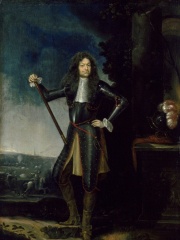
Raimondo Montecuccoli
MILITARY PERSONNEL
1609 - 1680
HPI: 70.27
Plaats: 908
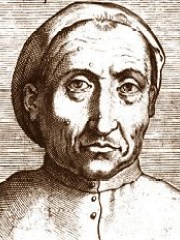
Pietro Pomponazzi
PHILOSOPHER
1462 - 1525
HPI: 70.27
Plaats: 909
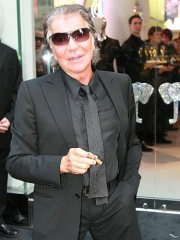
Roberto Cavalli
FASHION DESIGNER
1940 - 2024
HPI: 70.27
Plaats: 910
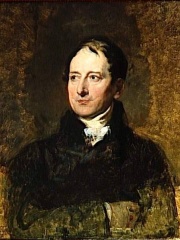
François Gérard
PAINTER
1770 - 1837
HPI: 70.27
Plaats: 911
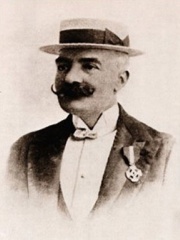
Emilio Salgari
WRITER
1862 - 1911
HPI: 70.25
Plaats: 912
Angelo Scola
RELIGIOUS FIGURE
1941 - heden
HPI: 70.24
Plaats: 913
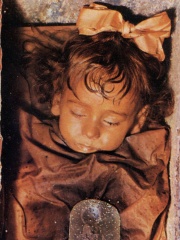
Rosalia Lombardo
CELEBRITY
1918 - 1920
HPI: 70.24
Plaats: 914
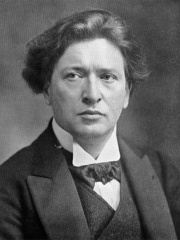
Ferruccio Busoni
COMPOSER
1866 - 1924
HPI: 70.22
Plaats: 915
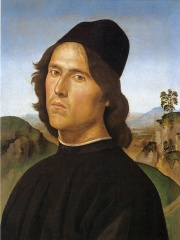
Lorenzo di Credi
PAINTER
1459 - 1537
HPI: 70.22
Plaats: 916
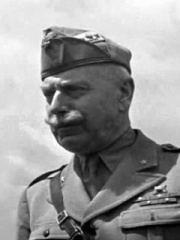
Italo Gariboldi
MILITARY PERSONNEL
1879 - 1970
HPI: 70.21
Plaats: 917
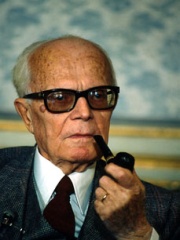
Sandro Pertini
POLITICIAN
1896 - 1990
HPI: 70.20
Plaats: 918
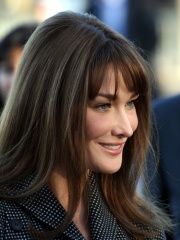
Carla Bruni
MODEL
1967 - heden
HPI: 70.20
Plaats: 919
Onder Religieuze figuur in Italië
Onder Religieuze figuur geboren in Italië staat Angelo Scola op plaats 265. Vóór hem staan Scholastica (480), Alexius of Rome (400), Antipope Felix II (300), Giulia Farnese (1474), Joseph of Cupertino (1603), en Silas (1). Na hem komen Matteo Zuppi (1955), Juliana of Nicomedia (285), Gemma Galgani (1878), Frances of Rome (1384), Antipope John XVI (1000), en Giovanni Angelo Becciu (1948).
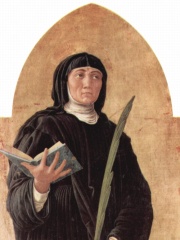
Scholastica
480 - 547
HPI: 71.18
Plaats: 259
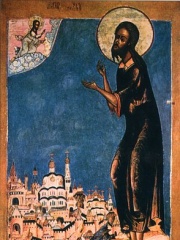
Alexius of Rome
400 - 412
HPI: 70.91
Plaats: 260
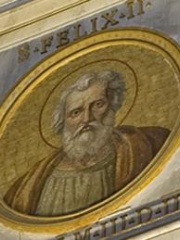
Antipope Felix II
300 - 365
HPI: 70.65
Plaats: 261
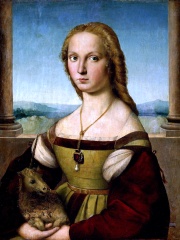
Giulia Farnese
1474 - 1524
HPI: 70.60
Plaats: 262
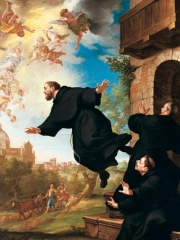
Joseph of Cupertino
1603 - 1663
HPI: 70.52
Plaats: 263

Silas
1 - 100
HPI: 70.37
Plaats: 264
Angelo Scola
1941 - heden
HPI: 70.24
Plaats: 265
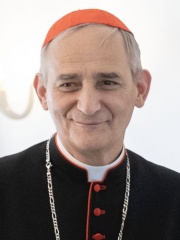
Matteo Zuppi
1955 - heden
HPI: 70.05
Plaats: 266
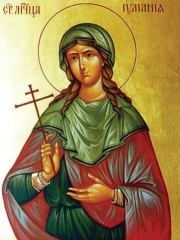
Juliana of Nicomedia
285 - 304
HPI: 70.03
Plaats: 267
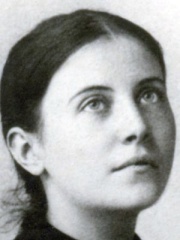
Gemma Galgani
1878 - 1903
HPI: 69.83
Plaats: 268
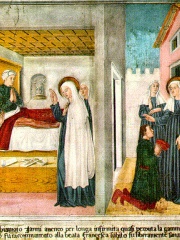
Frances of Rome
1384 - 1440
HPI: 69.83
Plaats: 269
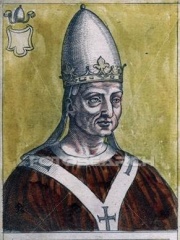
Antipope John XVI
1000 - 1001
HPI: 69.69
Plaats: 270
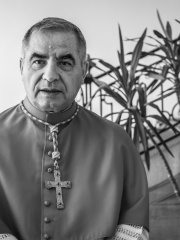
Giovanni Angelo Becciu
1948 - heden
HPI: 69.64
Plaats: 271




