Postać religijna
Scholastica
480 - 547
WYŚWIETLENIA PL.WIKIPEDIA (PV)
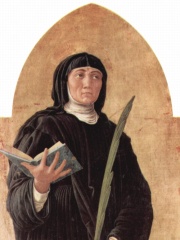
 Scholastica
Jej biografia jest dostępna w 32 różnych językach w Wikipedii (wzrost z 30 w 2024 roku). Scholastica jest 668. najpopularniejszym postać religijna (wzrost z 694. w 2024 roku), 811. najpopularniejszą biografią Włochy (wzrost z 864. w 2019 roku) oraz 259. najpopularniejszym postać religijna Włochy.
Wskaźniki rozpoznawalności
200k
Wyświetlenia strony
Ostatnie 12 miesięcy
71.18
HPI
Indeks historycznej popularności
Ciekawostki z danych
#7,483
Ponad 14 wieków po śmierci Scholastica wciąż zajmuje 7,483. miejsce wśród wszystkich postaci w Pantheonie.
441
Scholastica jest jedną z zaledwie 441 kobiet wśród 3,187 Postać religijna w Pantheonie.
32
Biografia postaci Scholastica występuje w 32 wersjach językowych Wikipedii — w większej liczbie niż u 75% wszystkich Postać religijna.
2 mar
Scholastica obchodzi urodziny tego samego dnia (2 marca) co Pope Leo XIII, Pope Pius XII i Mikhail Gorbachev.
Wyświetlenia strony Scholastica według języka
Wśród przedstawicieli zawodu Postać religijna
Wśród przedstawicieli zawodu „Postać religijna” Scholastica zajmuje 668. miejsce na 3,187. Przed nią są Tarcisius, John Knox, Zebedee, Saint Eustace, Pope Theophilus of Alexandria, i Korah. Po niej są Edward the Confessor, Onuphrius, Mahākāśyapa, Flavian of Constantinople, Lydia of Thyatira, i Jael.
Najpopularniejsi w Wikipedii: Postać religijna
Zobacz wszystkie rankingi
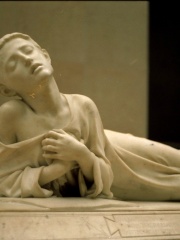
Tarcisius
263 - 275
HPI: 71.27
Miejsce: 662
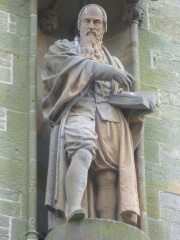
John Knox
1514 - 1572
HPI: 71.26
Miejsce: 663
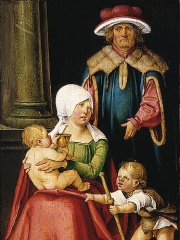
Zebedee
100 BC - 100
HPI: 71.25
Miejsce: 664
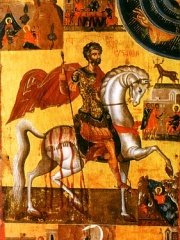
Saint Eustace
10 - 118
HPI: 71.24
Miejsce: 665
Pope Theophilus of Alexandria
310 - 412
HPI: 71.21
Miejsce: 666

Korah
HPI: 71.18
Miejsce: 667
Scholastica
480 - 547
HPI: 71.18
Miejsce: 668
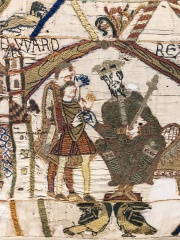
Edward the Confessor
1003 - 1066
HPI: 71.18
Miejsce: 669
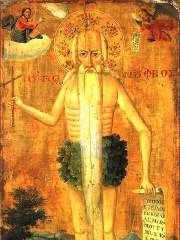
Onuphrius
320 - 400
HPI: 71.17
Miejsce: 670

Mahākāśyapa
550 BC - 549 BC
HPI: 71.13
Miejsce: 671
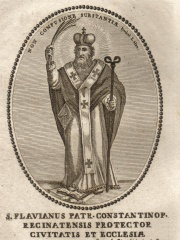
Flavian of Constantinople
380 - 449
HPI: 71.12
Miejsce: 672
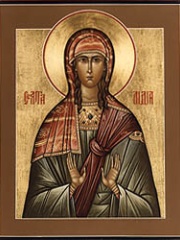
Lydia of Thyatira
100 - 100
HPI: 71.10
Miejsce: 673
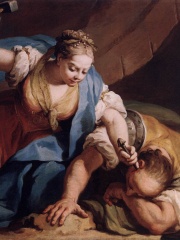
Jael
HPI: 71.10
Miejsce: 674

Współcześni
Wśród osób urodzonych w 480 roku Scholastica zajmuje 5. miejsce. Przed nią są Benedict of Nursia, Boethius, Pope Felix IV, i Gelimer. Po niej są Theodahad, Damascius, Dignāga, Eutocius of Ascalon, Mark of Cornwall, i Maelgwn Gwynedd. Wśród osób zmarłych w 547 roku Scholastica zajmuje 1. miejsce. Po niej jest Maelgwn Gwynedd.
Inne osoby urodzone w 480 roku
Zobacz wszystkie rankingi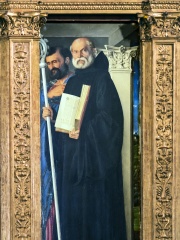
Benedict of Nursia
RELIGIOUS FIGURE
480 - 543
HPI: 82.79
Miejsce: 1
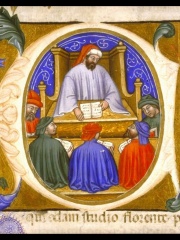
Boethius
PHILOSOPHER
480 - 525
HPI: 78.53
Miejsce: 2
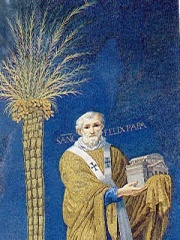
Pope Felix IV
RELIGIOUS FIGURE
480 - 530
HPI: 73.11
Miejsce: 3
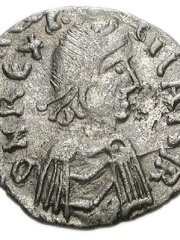
Gelimer
POLITICIAN
480 - 553
HPI: 72.28
Miejsce: 4
Scholastica
RELIGIOUS FIGURE
480 - 547
HPI: 71.18
Miejsce: 5
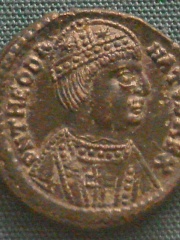
Theodahad
POLITICIAN
480 - 536
HPI: 70.71
Miejsce: 6

Damascius
PHILOSOPHER
480 - 550
HPI: 68.64
Miejsce: 7

Dignāga
PHILOSOPHER
480 - 540
HPI: 64.39
Miejsce: 8

Eutocius of Ascalon
MATHEMATICIAN
480 - 600
HPI: 63.85
Miejsce: 9
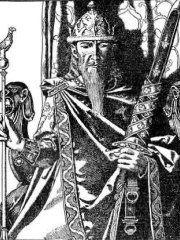
Mark of Cornwall
POLITICIAN
480 - 555
HPI: 60.49
Miejsce: 10

Maelgwn Gwynedd
RELIGIOUS FIGURE
480 - 547
HPI: 51.04
Miejsce: 11
Inne osoby zmarłe w 547 roku
Zobacz wszystkie rankingiScholastica
RELIGIOUS FIGURE
480 - 547
HPI: 71.18
Miejsce: 1
Maelgwn Gwynedd
RELIGIOUS FIGURE
480 - 547
HPI: 51.04
Miejsce: 2
W kraju Włochy
Wśród osób urodzonych w kraju Włochy Scholastica zajmuje 811. miejsce na 5,161. Przed nią są Saint Eustace (10), Pompeia (-90), Lino Ventura (1919), Poggio Bracciolini (1380), Louise of Orléans (1812), i Palmiro Togliatti (1893). Po niej są Vittorio Gassman (1922), Aldo Rossi (1931), Giambattista Basile (1566), Dario Argento (1940), Ferdinand, Duke of Parma (1751), i Domenichino (1581).
Inne osoby urodzone w kraju Włochy
Zobacz wszystkie rankingiSaint Eustace
RELIGIOUS FIGURE
10 - 118
HPI: 71.24
Miejsce: 805
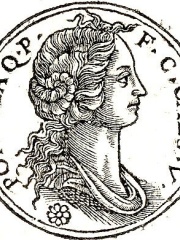
Pompeia
POLITICIAN
90 BC - obecnie
HPI: 71.23
Miejsce: 806
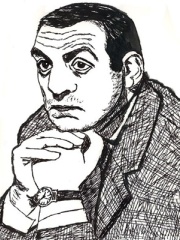
Lino Ventura
ACTOR
1919 - 1987
HPI: 71.22
Miejsce: 807
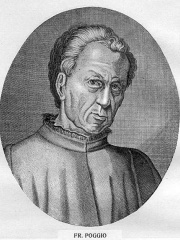
Poggio Bracciolini
HISTORIAN
1380 - 1459
HPI: 71.22
Miejsce: 808
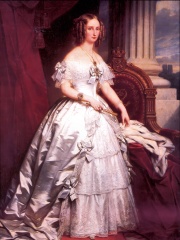
Louise of Orléans
POLITICIAN
1812 - 1850
HPI: 71.19
Miejsce: 809
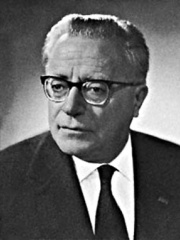
Palmiro Togliatti
POLITICIAN
1893 - 1964
HPI: 71.19
Miejsce: 810
Scholastica
RELIGIOUS FIGURE
480 - 547
HPI: 71.18
Miejsce: 811
Vittorio Gassman
ACTOR
1922 - 2000
HPI: 71.17
Miejsce: 812
Aldo Rossi
ARCHITECT
1931 - 1997
HPI: 71.17
Miejsce: 813
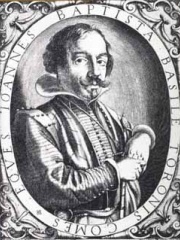
Giambattista Basile
WRITER
1566 - 1632
HPI: 71.14
Miejsce: 814
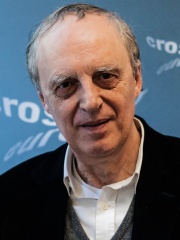
Dario Argento
FILM DIRECTOR
1940 - obecnie
HPI: 71.13
Miejsce: 815
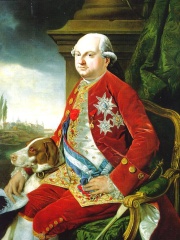
Ferdinand, Duke of Parma
POLITICIAN
1751 - 1802
HPI: 71.12
Miejsce: 816
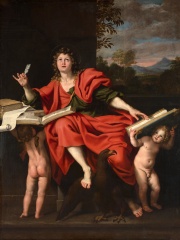
Domenichino
PAINTER
1581 - 1641
HPI: 71.11
Miejsce: 817
Wśród przedstawicieli zawodu Postać religijna w kraju Włochy
Wśród przedstawicieli zawodu „Postać religijna” urodzonych w kraju Włochy Scholastica zajmuje 259. miejsce. Przed nią są Camillus de Lellis (1550), Jacobus da Varagine (1228), Angela Merici (1474), Peter Lombard (1096), Tarcisius (263), i Saint Eustace (10). Po niej są Alexius of Rome (400), Antipope Felix II (300), Giulia Farnese (1474), Joseph of Cupertino (1603), Silas (1), i Angelo Scola (1941).
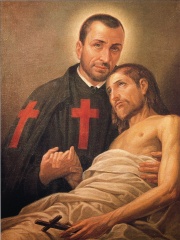
Camillus de Lellis
1550 - 1614
HPI: 72.26
Miejsce: 253
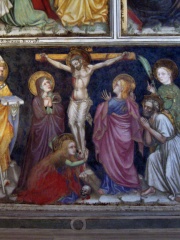
Jacobus da Varagine
1228 - 1298
HPI: 71.86
Miejsce: 254
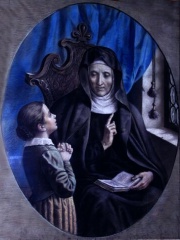
Angela Merici
1474 - 1540
HPI: 71.57
Miejsce: 255
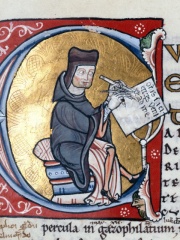
Peter Lombard
1096 - 1160
HPI: 71.43
Miejsce: 256
Tarcisius
263 - 275
HPI: 71.27
Miejsce: 257
Saint Eustace
10 - 118
HPI: 71.24
Miejsce: 258
Scholastica
480 - 547
HPI: 71.18
Miejsce: 259
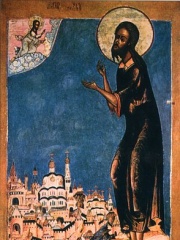
Alexius of Rome
400 - 412
HPI: 70.91
Miejsce: 260
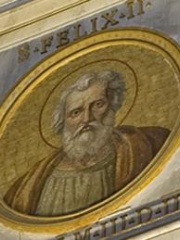
Antipope Felix II
300 - 365
HPI: 70.65
Miejsce: 261
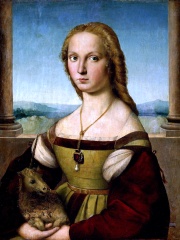
Giulia Farnese
1474 - 1524
HPI: 70.60
Miejsce: 262
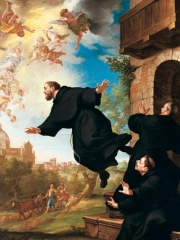
Joseph of Cupertino
1603 - 1663
HPI: 70.52
Miejsce: 263

Silas
1 - 100
HPI: 70.37
Miejsce: 264
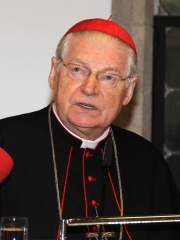
Angelo Scola
1941 - obecnie
HPI: 70.24
Miejsce: 265




