Figura religiosa
Scholastica
480 - 547
VISITAS EN ES.WIKIPEDIA (PV)
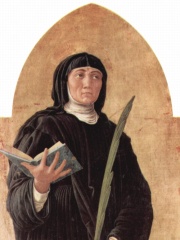
 Scholastica
Su biografía está disponible en 32 idiomas en Wikipedia (aumentó de 30 en 2024). Scholastica ocupa el puesto 668 entre los figura religiosa más populares (subió del puesto 694 en 2024), el puesto 811 entre las biografías más populares de Italia (subió del puesto 864 en 2019) y el puesto 259 entre los figura religiosa de italia más populares.
Métricas de memorabilidad
200k
Visitas
Últimos 12 meses
71.18
HPI
Índice de Popularidad Histórica
Datos destacados
#7,483
Más de 14 siglos después de su muerte, Scholastica aún ocupa el puesto n.º 7,483 entre todas las personas de Pantheon.
441
Scholastica es una de apenas 441 mujeres entre los 3,187 Figura religiosa de Pantheon.
32
La biografía de Scholastica aparece en 32 ediciones lingüísticas de Wikipedia, más que el 75 % de los Figura religiosa.
2 mar
Scholastica comparte cumpleaños (2 de marzo) con Pope Leo XIII, Pope Pius XII y Mikhail Gorbachev.
Visitas a la página de Scholastica por idioma
Entre Figura religiosa
Entre Figura religiosa, Scholastica ocupa el puesto 668 de 3,187. Antes de ella están Tarcisius, John Knox, Zebedee, Saint Eustace, Pope Theophilus of Alexandria, y Korah. Después de ella están Edward the Confessor, Onuphrius, Mahākāśyapa, Flavian of Constantinople, Lydia of Thyatira, y Jael.
Figura religiosa más populares en Wikipedia
Ver todas las clasificaciones
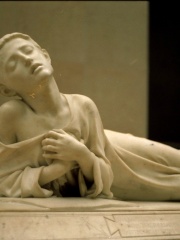
Tarcisius
263 - 275
HPI: 71.27
Puesto: 662
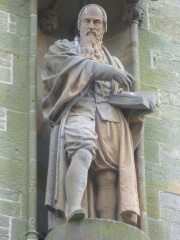
John Knox
1514 - 1572
HPI: 71.26
Puesto: 663
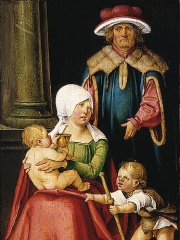
Zebedee
100 BC - 100
HPI: 71.25
Puesto: 664
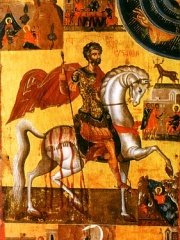
Saint Eustace
10 - 118
HPI: 71.24
Puesto: 665
Pope Theophilus of Alexandria
310 - 412
HPI: 71.21
Puesto: 666

Korah
HPI: 71.18
Puesto: 667
Scholastica
480 - 547
HPI: 71.18
Puesto: 668
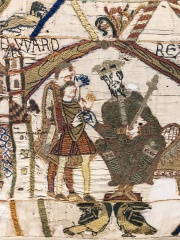
Edward the Confessor
1003 - 1066
HPI: 71.18
Puesto: 669
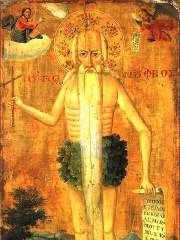
Onuphrius
320 - 400
HPI: 71.17
Puesto: 670

Mahākāśyapa
550 BC - 549 BC
HPI: 71.13
Puesto: 671
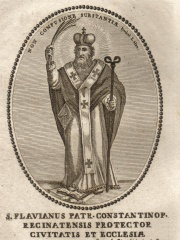
Flavian of Constantinople
380 - 449
HPI: 71.12
Puesto: 672
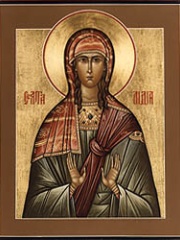
Lydia of Thyatira
100 - 100
HPI: 71.10
Puesto: 673
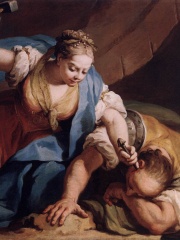
Jael
HPI: 71.10
Puesto: 674

Contemporáneos
Entre las personas nacidas en 480, Scholastica ocupa el puesto 5. Antes de ella están Benedict of Nursia, Boethius, Pope Felix IV, y Gelimer. Después de ella están Theodahad, Damascius, Dignāga, Eutocius of Ascalon, Mark of Cornwall, y Maelgwn Gwynedd. Entre las personas fallecidas en 547, Scholastica ocupa el puesto 1. Después de ella está Maelgwn Gwynedd.
Otras personas nacidas en 480
Ver todas las clasificaciones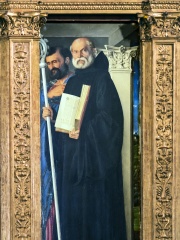
Benedict of Nursia
RELIGIOUS FIGURE
480 - 543
HPI: 82.79
Puesto: 1
Boethius
PHILOSOPHER
480 - 525
HPI: 78.53
Puesto: 2
Pope Felix IV
RELIGIOUS FIGURE
480 - 530
HPI: 73.11
Puesto: 3
Gelimer
POLITICIAN
480 - 553
HPI: 72.28
Puesto: 4
Scholastica
RELIGIOUS FIGURE
480 - 547
HPI: 71.18
Puesto: 5
Theodahad
POLITICIAN
480 - 536
HPI: 70.71
Puesto: 6

Damascius
PHILOSOPHER
480 - 550
HPI: 68.64
Puesto: 7

Dignāga
PHILOSOPHER
480 - 540
HPI: 64.39
Puesto: 8

Eutocius of Ascalon
MATHEMATICIAN
480 - 600
HPI: 63.85
Puesto: 9
Mark of Cornwall
POLITICIAN
480 - 555
HPI: 60.49
Puesto: 10

Maelgwn Gwynedd
RELIGIOUS FIGURE
480 - 547
HPI: 51.04
Puesto: 11
Otras personas fallecidas en 547
Ver todas las clasificacionesScholastica
RELIGIOUS FIGURE
480 - 547
HPI: 71.18
Puesto: 1
Maelgwn Gwynedd
RELIGIOUS FIGURE
480 - 547
HPI: 51.04
Puesto: 2
En Italia
Entre las personas nacidas en Italia, Scholastica ocupa el puesto 811 de 5,161. Antes de ella están Saint Eustace (10), Pompeia (-90), Lino Ventura (1919), Poggio Bracciolini (1380), Louise of Orléans (1812), y Palmiro Togliatti (1893). Después de ella están Vittorio Gassman (1922), Aldo Rossi (1931), Giambattista Basile (1566), Dario Argento (1940), Ferdinand, Duke of Parma (1751), y Domenichino (1581).
Otras personas nacidas en Italia
Ver todas las clasificacionesSaint Eustace
RELIGIOUS FIGURE
10 - 118
HPI: 71.24
Puesto: 805
Pompeia
POLITICIAN
90 BC - presente
HPI: 71.23
Puesto: 806
Lino Ventura
ACTOR
1919 - 1987
HPI: 71.22
Puesto: 807
Poggio Bracciolini
HISTORIAN
1380 - 1459
HPI: 71.22
Puesto: 808
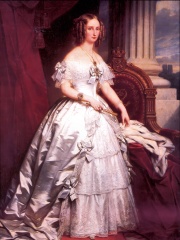
Louise of Orléans
POLITICIAN
1812 - 1850
HPI: 71.19
Puesto: 809
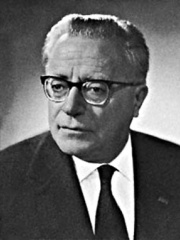
Palmiro Togliatti
POLITICIAN
1893 - 1964
HPI: 71.19
Puesto: 810
Scholastica
RELIGIOUS FIGURE
480 - 547
HPI: 71.18
Puesto: 811
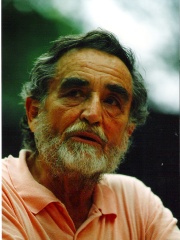
Vittorio Gassman
ACTOR
1922 - 2000
HPI: 71.17
Puesto: 812
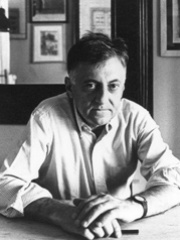
Aldo Rossi
ARCHITECT
1931 - 1997
HPI: 71.17
Puesto: 813
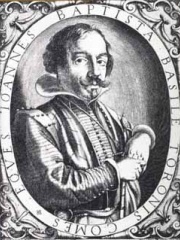
Giambattista Basile
WRITER
1566 - 1632
HPI: 71.14
Puesto: 814
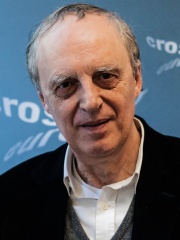
Dario Argento
FILM DIRECTOR
1940 - presente
HPI: 71.13
Puesto: 815
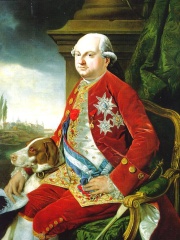
Ferdinand, Duke of Parma
POLITICIAN
1751 - 1802
HPI: 71.12
Puesto: 816
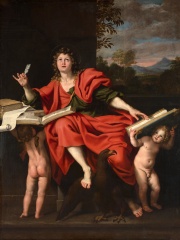
Domenichino
PAINTER
1581 - 1641
HPI: 71.11
Puesto: 817
Entre Figura religiosa en Italia
Entre Figura religiosa nacidos en Italia, Scholastica ocupa el puesto 259. Antes de ella están Camillus de Lellis (1550), Jacobus da Varagine (1228), Angela Merici (1474), Peter Lombard (1096), Tarcisius (263), y Saint Eustace (10). Después de ella están Alexius of Rome (400), Antipope Felix II (300), Giulia Farnese (1474), Joseph of Cupertino (1603), Silas (1), y Angelo Scola (1941).
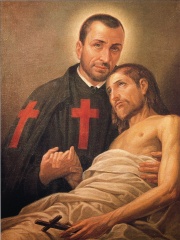
Camillus de Lellis
1550 - 1614
HPI: 72.26
Puesto: 253
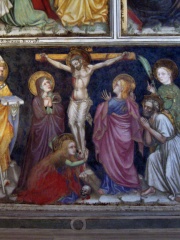
Jacobus da Varagine
1228 - 1298
HPI: 71.86
Puesto: 254
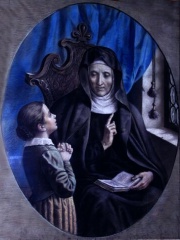
Angela Merici
1474 - 1540
HPI: 71.57
Puesto: 255
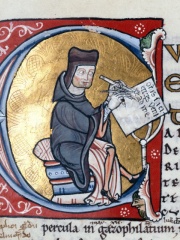
Peter Lombard
1096 - 1160
HPI: 71.43
Puesto: 256
Tarcisius
263 - 275
HPI: 71.27
Puesto: 257
Saint Eustace
10 - 118
HPI: 71.24
Puesto: 258
Scholastica
480 - 547
HPI: 71.18
Puesto: 259
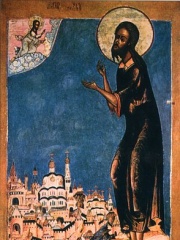
Alexius of Rome
400 - 412
HPI: 70.91
Puesto: 260
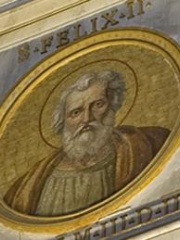
Antipope Felix II
300 - 365
HPI: 70.65
Puesto: 261
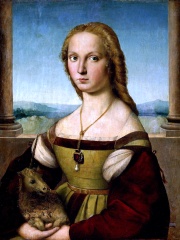
Giulia Farnese
1474 - 1524
HPI: 70.60
Puesto: 262
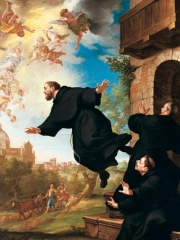
Joseph of Cupertino
1603 - 1663
HPI: 70.52
Puesto: 263
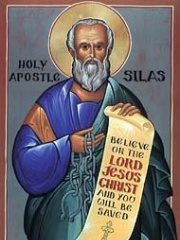
Silas
1 - 100
HPI: 70.37
Puesto: 264
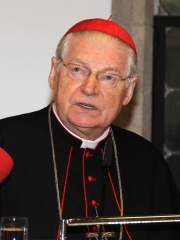
Angelo Scola
1941 - presente
HPI: 70.24
Puesto: 265




