Filosofo
Proclo
412 - 485
VISUALIZZAZIONI SU IT.WIKIPEDIA (PV)
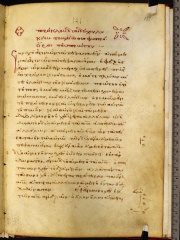
 Proclo
La sua biografia è disponibile in 48 lingue su Wikipedia (in aumento rispetto a 46 nel 2024). Proclo è il 149° filosofo più popolare (in aumento dal 176° nel 2024), la 135ª biografia più popolare della Turchia (in aumento dal 146ª nel 2019) e il 13° filosofo più popolare della Turchia.
Metriche di memorabilità
140k
Visualizzazioni
Ultimi 12 mesi
76.09
HPI
Indice di popolarità storica
Visualizzazioni della pagina di Proclo per lingua
Tra Filosofo
Tra Filosofo, Proclo occupa la posizione 149 su 1,267. Prima di lui ci sono Kanada, Wilhelm Dilthey, Edith Stein, Chrysippus, Alexander Gottlieb Baumgarten, e Isocrates. Dopo di lui ci sono Buddhaghosa, Emanuel Swedenborg, John Venn, Han Fei, Louis Althusser, e Friedrich Schleiermacher.
Filosofo più popolari su Wikipedia
Vai a tutte le classifiche

Kanada
200 BC - 160 BC
HPI: 76.49
Posizione: 143
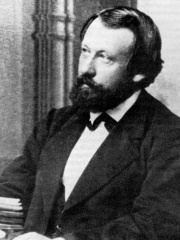
Wilhelm Dilthey
1833 - 1911
HPI: 76.39
Posizione: 144
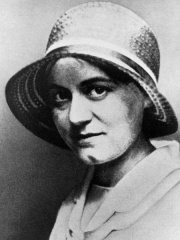
Edith Stein
1891 - 1942
HPI: 76.33
Posizione: 145
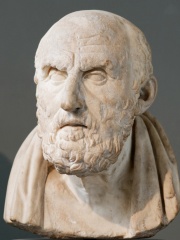
Chrysippus
281 BC - 208 BC
HPI: 76.28
Posizione: 146

Alexander Gottlieb Baumgarten
1714 - 1762
HPI: 76.20
Posizione: 147

Isocrates
436 BC - 338 BC
HPI: 76.16
Posizione: 148
Proclus
412 - 485
HPI: 76.09
Posizione: 149

Buddhaghosa
401 - 500
HPI: 76.08
Posizione: 150
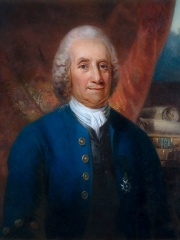
Emanuel Swedenborg
1688 - 1772
HPI: 76.06
Posizione: 151
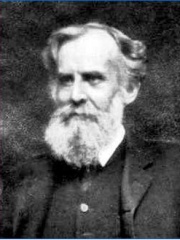
John Venn
1834 - 1923
HPI: 75.89
Posizione: 152

Han Fei
280 BC - 232 BC
HPI: 75.88
Posizione: 153

Louis Althusser
1918 - 1990
HPI: 75.82
Posizione: 154
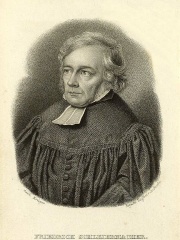
Friedrich Schleiermacher
1768 - 1834
HPI: 75.81
Posizione: 155

Contemporanei
Tra le persone nate nel 412, Proclo occupa la posizione 1. Tra le persone decedute nel 485, Proclo occupa la posizione 1.
Altre persone nate nel 412
Vai a tutte le classificheAltre persone decedute nel 485
Vai a tutte le classificheIn Turchia
Tra le persone nate in Turchia, Proclo occupa la posizione 135 su NaN. Prima di lui ci sono Chrysippus (-281), Julius Nepos (430), Anna Komnene (1083), İsmet İnönü (1884), Fethullah Gülen (1941), e Cassius Dio (155). Dopo di lui ci sono Michael III (840), Justinian II (668), Abdullah Gül (1950), Ignatius of Antioch (35), Tiberius III (700), e John VIII Palaiologos (1392).
Altre persone nate in Turchia
Vai a tutte le classificheChrysippus
PHILOSOPHER
281 BC - 208 BC
HPI: 76.28
Posizione: 129
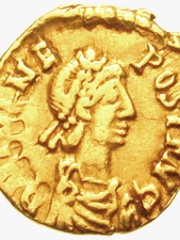
Julius Nepos
POLITICIAN
430 - 480
HPI: 76.23
Posizione: 130
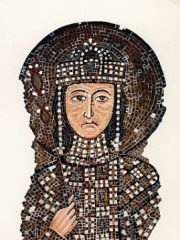
Anna Komnene
WRITER
1083 - 1153
HPI: 76.22
Posizione: 131
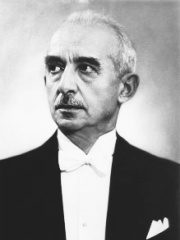
İsmet İnönü
POLITICIAN
1884 - 1973
HPI: 76.20
Posizione: 132

Fethullah Gülen
RELIGIOUS FIGURE
1941 - 2024
HPI: 76.15
Posizione: 133
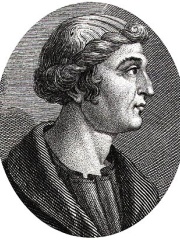
Cassius Dio
HISTORIAN
155 - 235
HPI: 76.14
Posizione: 134
Proclus
PHILOSOPHER
412 - 485
HPI: 76.09
Posizione: 135
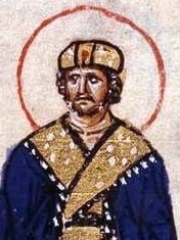
Michael III
POLITICIAN
840 - 867
HPI: 76.01
Posizione: 136
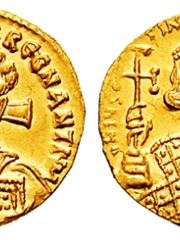
Justinian II
POLITICIAN
668 - 711
HPI: 75.96
Posizione: 137

Abdullah Gül
POLITICIAN
1950 - presente
HPI: 75.95
Posizione: 138
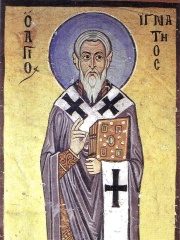
Ignatius of Antioch
RELIGIOUS FIGURE
35 - 108
HPI: 75.94
Posizione: 139
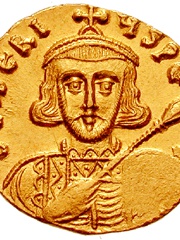
Tiberius III
POLITICIAN
700 - 705
HPI: 75.92
Posizione: 140

John VIII Palaiologos
POLITICIAN
1392 - 1448
HPI: 75.90
Posizione: 141
Tra Filosofo in Turchia
Tra Filosofo nati in Turchia, Proclo occupa la posizione 13. Prima di lui ci sono Xenophanes (-570), Leucippus (-500), Gregory of Nazianzus (329), Ibn Taymiyyah (1263), Anaximenes of Miletus (-585), e Chrysippus (-281). Dopo di lui ci sono Posidonius (-135), Gemistus Pletho (1355), Apollonius of Tyana (15), Xenocrates (-396), Michael Psellos (1018), e Bias of Priene (-600).
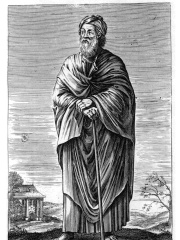
Xenophanes
570 BC - 475 BC
HPI: 80.90
Posizione: 7

Leucippus
500 BC - 500 BC
HPI: 80.59
Posizione: 8

Gregory of Nazianzus
329 - 389
HPI: 80.37
Posizione: 9

Ibn Taymiyyah
1263 - 1328
HPI: 77.67
Posizione: 10
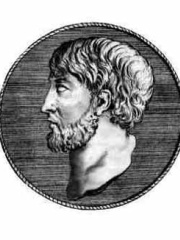
Anaximenes of Miletus
585 BC - 525 BC
HPI: 76.96
Posizione: 11
Chrysippus
281 BC - 208 BC
HPI: 76.28
Posizione: 12
Proclus
412 - 485
HPI: 76.09
Posizione: 13
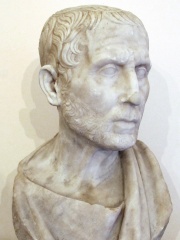
Posidonius
135 BC - 51 BC
HPI: 75.13
Posizione: 14
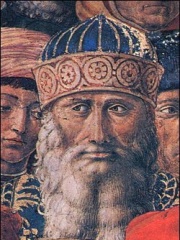
Gemistus Pletho
1355 - 1452
HPI: 74.66
Posizione: 15
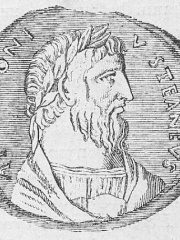
Apollonius of Tyana
15 - 100
HPI: 74.50
Posizione: 16
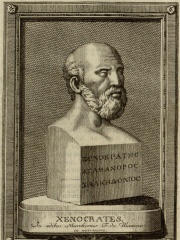
Xenocrates
396 BC - 314 BC
HPI: 73.16
Posizione: 17

Michael Psellos
1018 - 1078
HPI: 72.64
Posizione: 18
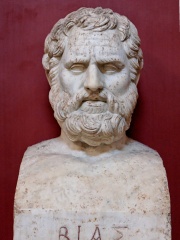
Bias of Priene
600 BC - 530 BC
HPI: 72.32
Posizione: 19




