Politicien
Ptolémée XV
47 BC - 30 BC
PAGES VUES SUR FR.WIKIPEDIA (PV)
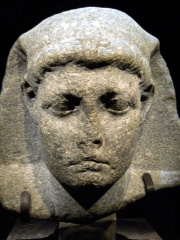
 Ptolémée XV
Sa biographie est disponible en 58 langues sur Wikipédia (en hausse par rapport à 55 en 2024). Ptolémée XV est le 490th politicien le plus populaire (en baisse du 460th en 2024), la 35th biographie la plus populaire d'Égypte (en hausse du 40th en 2019), ainsi que le 12th politicien d'Égypte le plus populaire.
Indicateurs de mémorabilité
940k
Pages vues
12 derniers mois
79.18
HPI
Indice de popularité historique
Pages vues de Ptolémée XV par langue
Parmi les Politicien
Parmi les Politicien, Ptolémée XV occupe le rang 490 sur 19,576. Avant lui viennent Geoffrey Plantagenet, Count of Anjou, Amin al-Husseini, Guy of Lusignan, Chagatai Khan, Michael I of Romania, et Ertuğrul. Après lui viennent Frederick III, German Emperor, Archduchess Gisela of Austria, Ptolemy XIV of Egypt, Safiye Sultan, Louis VIII of France, et Georges Danton.
Politicien les plus populaires sur Wikipédia
Voir tous les classements
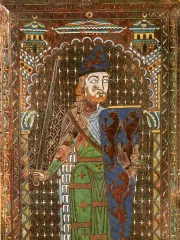
Geoffrey Plantagenet, Count of Anjou
1113 - 1151
HPI : 79.23
Rang : 484
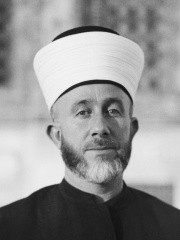
Amin al-Husseini
1895 - 1974
HPI : 79.22
Rang : 485
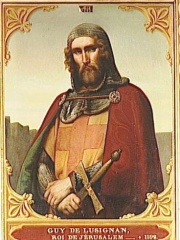
Guy of Lusignan
1150 - 1194
HPI : 79.22
Rang : 486
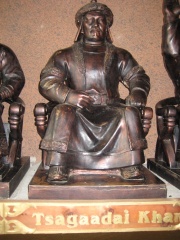
Chagatai Khan
1183 - 1242
HPI : 79.21
Rang : 487

Michael I of Romania
1921 - 2017
HPI : 79.19
Rang : 488
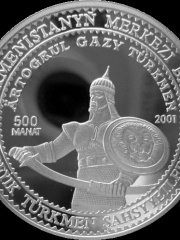
Ertuğrul
1198 - 1281
HPI : 79.18
Rang : 489
Caesarion
47 BC - 30 BC
HPI : 79.18
Rang : 490
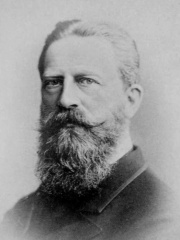
Frederick III, German Emperor
1831 - 1888
HPI : 79.16
Rang : 491

Archduchess Gisela of Austria
1856 - 1932
HPI : 79.16
Rang : 492
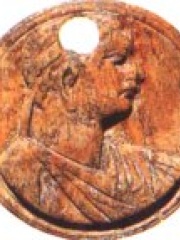
Ptolemy XIV of Egypt
60 BC - 44 BC
HPI : 79.15
Rang : 493

Safiye Sultan
1550 - 1619
HPI : 79.14
Rang : 494
Louis VIII of France
1187 - 1226
HPI : 79.13
Rang : 495
Georges Danton
1759 - 1794
HPI : 79.12
Rang : 496

Contemporains
Parmi les personnes nées en 47 BC, Ptolémée XV occupe le rang 1. Après lui vient Lucius Calpurnius Piso Caesoninus. Parmi les personnes décédées en 30 BC, Ptolémée XV occupe le rang 4. Avant lui viennent Cleopatra, Mark Antony, et Diodorus Siculus. Après lui viennent Hyrcanus II, Marcus Antonius Antyllus, Gnaeus Domitius Ahenobarbus, Huhanye, et Publius Canidius Crassus.
Autres personnes nées en 47 BC
Voir tous les classementsCaesarion
POLITICIAN
47 BC - 30 BC
HPI : 79.18
Rang : 1
Lucius Calpurnius Piso Caesoninus
POLITICIAN
47 BC - 32
HPI : 59.07
Rang : 2
Autres personnes décédées en 30 BC
Voir tous les classements
Cleopatra
POLITICIAN
69 BC - 30 BC
HPI : 98.34
Rang : 1
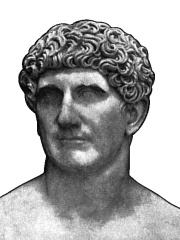
Mark Antony
POLITICIAN
83 BC - 30 BC
HPI : 83.97
Rang : 2
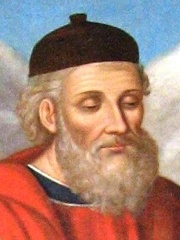
Diodorus Siculus
HISTORIAN
90 BC - 30 BC
HPI : 79.20
Rang : 3
Caesarion
POLITICIAN
47 BC - 30 BC
HPI : 79.18
Rang : 4
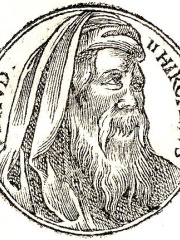
Hyrcanus II
POLITICIAN
110 BC - 30 BC
HPI : 68.70
Rang : 5
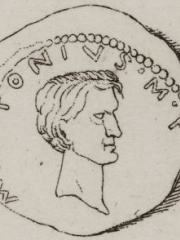
Marcus Antonius Antyllus
POLITICIAN
46 BC - 30 BC
HPI : 63.62
Rang : 6
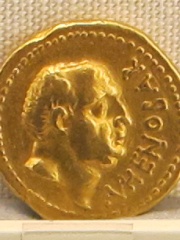
Gnaeus Domitius Ahenobarbus
POLITICIAN
80 BC - 30 BC
HPI : 62.33
Rang : 7
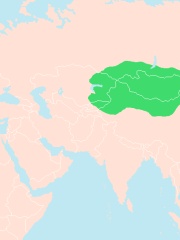
Huhanye
POLITICIAN
HPI : 60.09
Rang : 8

Publius Canidius Crassus
MILITARY PERSONNEL
50 BC - 30 BC
HPI : 58.43
Rang : 9
En Égypte
Parmi les personnes nées en Égypte, Ptolémée XV occupe le rang 35 sur NaN. Avant lui viennent Diophantus (201), Nefertari (-1290), Dalida (1933), Umm Kulthum (1898), Joshua (-1355), et Seti I (-1323). Après lui viennent Ptolemy XIV of Egypt (-60), Demis Roussos (1946), Mohamed Morsi (1951), Farouk of Egypt (1920), Menkaure (-2001), et Omar Sharif (1932).
Autres personnes nées en Égypte
Voir tous les classements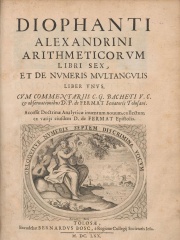
Diophantus
MATHEMATICIAN
201 - 300
HPI : 79.85
Rang : 29
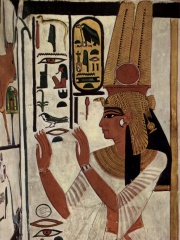
Nefertari
COMPANION
1290 BC - 1255 BC
HPI : 79.56
Rang : 30

Dalida
SINGER
1933 - 1987
HPI : 79.51
Rang : 31

Umm Kulthum
SINGER
1898 - 1975
HPI : 79.44
Rang : 32
Joshua
RELIGIOUS FIGURE
1355 BC - 1245 BC
HPI : 79.39
Rang : 33
Seti I
RELIGIOUS FIGURE
1323 BC - 1279 BC
HPI : 79.27
Rang : 34
Caesarion
POLITICIAN
47 BC - 30 BC
HPI : 79.18
Rang : 35
Ptolemy XIV of Egypt
POLITICIAN
60 BC - 44 BC
HPI : 79.15
Rang : 36

Demis Roussos
SINGER
1946 - 2015
HPI : 78.95
Rang : 37
Mohamed Morsi
POLITICIAN
1951 - 2019
HPI : 78.48
Rang : 38
Farouk of Egypt
POLITICIAN
1920 - 1965
HPI : 78.19
Rang : 39
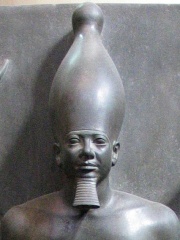
Menkaure
POLITICIAN
2001 BC - 2503 BC
HPI : 78.17
Rang : 40

Omar Sharif
ACTOR
1932 - 2015
HPI : 78.05
Rang : 41
Parmi les Politicien en Égypte
Parmi les Politicien nés en Égypte, Ptolémée XV occupe le rang 12. Avant lui viennent Khafra (-2550), Hosni Mubarak (1928), Gamal Abdel Nasser (1918), Ay (-1380), Rudolf Hess (1894), et Anwar Sadat (1918). Après lui viennent Ptolemy XIV of Egypt (-60), Mohamed Morsi (1951), Farouk of Egypt (1920), Menkaure (-2001), Abdel Fattah el-Sisi (1954), et Horemheb (-1319).
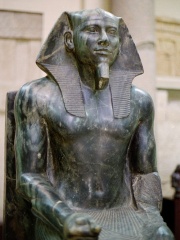
Khafra
2550 BC - 2479 BC
HPI : 83.77
Rang : 6
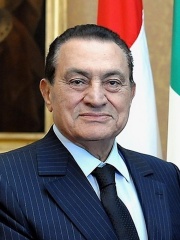
Hosni Mubarak
1928 - 2020
HPI : 82.43
Rang : 7
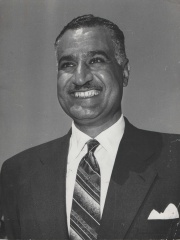
Gamal Abdel Nasser
1918 - 1970
HPI : 82.33
Rang : 8
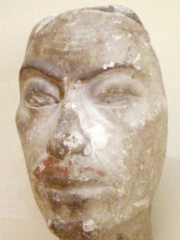
Ay
1380 BC - 1400 BC
HPI : 82.19
Rang : 9
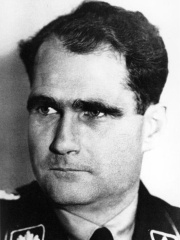
Rudolf Hess
1894 - 1987
HPI : 81.45
Rang : 10
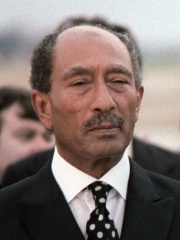
Anwar Sadat
1918 - 1981
HPI : 81.32
Rang : 11
Caesarion
47 BC - 30 BC
HPI : 79.18
Rang : 12
Ptolemy XIV of Egypt
60 BC - 44 BC
HPI : 79.15
Rang : 13
Mohamed Morsi
1951 - 2019
HPI : 78.48
Rang : 14
Farouk of Egypt
1920 - 1965
HPI : 78.19
Rang : 15
Menkaure
2001 BC - 2503 BC
HPI : 78.17
Rang : 16
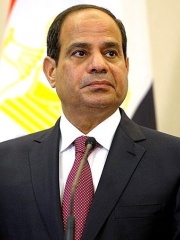
Abdel Fattah el-Sisi
1954 - présent
HPI : 77.90
Rang : 17
Horemheb
1319 BC - 1292 BC
HPI : 77.68
Rang : 18




