Politiker
Ptolemaios XV.
47 BC - 30 BC
DE.WIKIPEDIA-SEITENAUFRUFE (PV)
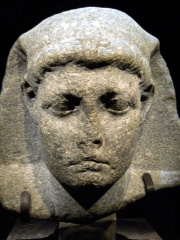
 Ptolemaios XV.
Seine Biografie ist in 58 verschiedenen Sprachen auf Wikipedia verfügbar (gestiegen von 55 im Jahr 2024). Ptolemaios XV. ist der 490th beliebteste Politiker (gesunken vom 460th im Jahr 2024), die 35th beliebteste Biografie aus Ägypten (gestiegen vom 40th im Jahr 2019) und der 12th beliebteste aus Ägypten Politiker.
Bekanntheitsmetriken
940k
Seitenaufrufe
Letzte 12 Monate
79.18
HPI
Historischer Popularitätsindex
Daten-Einblicke
#1,666
Mehr als 20 Jahrhunderte nach dem Tod belegt Ptolemaios XV. noch immer Platz 1,666 unter allen Persönlichkeiten in Pantheon.
58
Die Biografie von Ptolemaios XV. erscheint in 58 Sprachversionen der Wikipedia – mehr als bei 93 % aller Politiker.
Seitenaufrufe von Ptolemaios XV. nach Sprache
Unter Politiker
Unter Politiker belegt Ptolemaios XV. Rang 490 von 19,576. Vor ihm stehen Geoffrey Plantagenet, Count of Anjou, Amin al-Husseini, Guy of Lusignan, Chagatai Khan, Michael I of Romania, und Ertuğrul. Nach ihm folgen Frederick III, German Emperor, Archduchess Gisela of Austria, Ptolemy XIV of Egypt, Safiye Sultan, Louis VIII of France, und Georges Danton.
Die beliebtesten Politiker auf Wikipedia
Zu allen Ranglisten
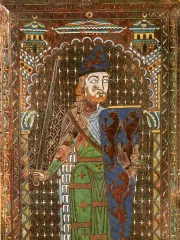
Geoffrey Plantagenet, Count of Anjou
1113 - 1151
HPI: 79.23
Rang: 484
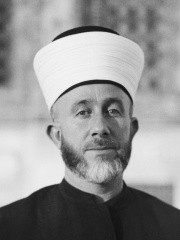
Amin al-Husseini
1895 - 1974
HPI: 79.22
Rang: 485
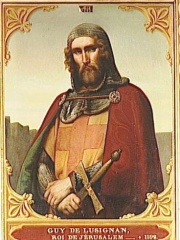
Guy of Lusignan
1150 - 1194
HPI: 79.22
Rang: 486
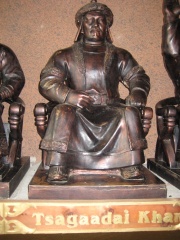
Chagatai Khan
1183 - 1242
HPI: 79.21
Rang: 487

Michael I of Romania
1921 - 2017
HPI: 79.19
Rang: 488
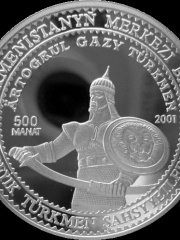
Ertuğrul
1198 - 1281
HPI: 79.18
Rang: 489
Caesarion
47 BC - 30 BC
HPI: 79.18
Rang: 490
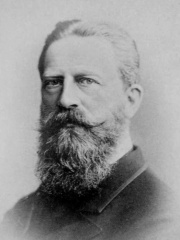
Frederick III, German Emperor
1831 - 1888
HPI: 79.16
Rang: 491

Archduchess Gisela of Austria
1856 - 1932
HPI: 79.16
Rang: 492
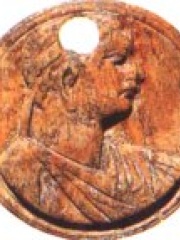
Ptolemy XIV of Egypt
60 BC - 44 BC
HPI: 79.15
Rang: 493

Safiye Sultan
1550 - 1619
HPI: 79.14
Rang: 494
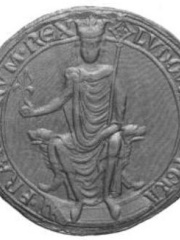
Louis VIII of France
1187 - 1226
HPI: 79.13
Rang: 495
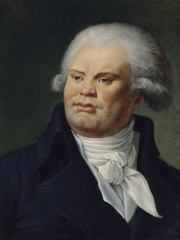
Georges Danton
1759 - 1794
HPI: 79.12
Rang: 496

Zeitgenossen
Unter den im Jahr 47 BC Geborenen belegt Ptolemaios XV. Rang 1. Nach ihm folgt Lucius Calpurnius Piso Caesoninus. Unter den im Jahr 30 BC Verstorbenen belegt Ptolemaios XV. Rang 4. Vor ihm stehen Cleopatra, Mark Antony, und Diodorus Siculus. Nach ihm folgen Hyrcanus II, Marcus Antonius Antyllus, Gnaeus Domitius Ahenobarbus, Huhanye, und Publius Canidius Crassus.
Weitere im Jahr 47 BC Geborene
Zu allen RanglistenCaesarion
POLITICIAN
47 BC - 30 BC
HPI: 79.18
Rang: 1
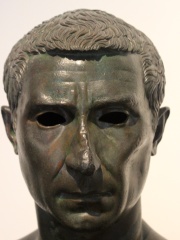
Lucius Calpurnius Piso Caesoninus
POLITICIAN
47 BC - 32
HPI: 59.07
Rang: 2
Weitere im Jahr 30 BC Verstorbene
Zu allen Ranglisten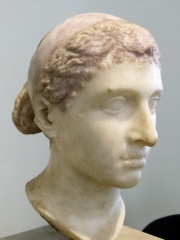
Cleopatra
POLITICIAN
69 BC - 30 BC
HPI: 98.34
Rang: 1
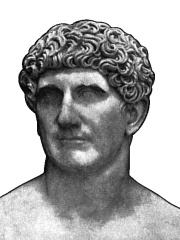
Mark Antony
POLITICIAN
83 BC - 30 BC
HPI: 83.97
Rang: 2
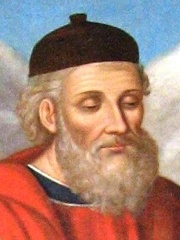
Diodorus Siculus
HISTORIAN
90 BC - 30 BC
HPI: 79.20
Rang: 3
Caesarion
POLITICIAN
47 BC - 30 BC
HPI: 79.18
Rang: 4
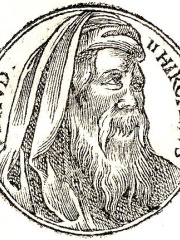
Hyrcanus II
POLITICIAN
110 BC - 30 BC
HPI: 68.70
Rang: 5
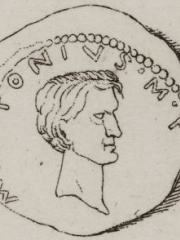
Marcus Antonius Antyllus
POLITICIAN
46 BC - 30 BC
HPI: 63.62
Rang: 6
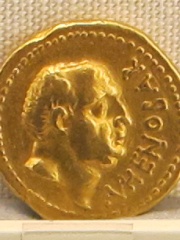
Gnaeus Domitius Ahenobarbus
POLITICIAN
80 BC - 30 BC
HPI: 62.33
Rang: 7
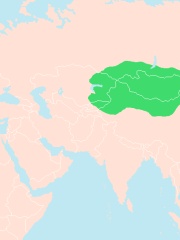
Huhanye
POLITICIAN
HPI: 60.09
Rang: 8

Publius Canidius Crassus
MILITARY PERSONNEL
50 BC - 30 BC
HPI: 58.43
Rang: 9
In Ägypten
Unter den in Ägypten Geborenen belegt Ptolemaios XV. Rang 35 von 642. Vor ihm stehen Diophantus (201), Nefertari (-1290), Dalida (1933), Umm Kulthum (1898), Joshua (-1355), und Seti I (-1323). Nach ihm folgen Ptolemy XIV of Egypt (-60), Demis Roussos (1946), Mohamed Morsi (1951), Farouk of Egypt (1920), Menkaure (-2001), und Omar Sharif (1932).
Weitere in Ägypten geborene Personen
Zu allen Ranglisten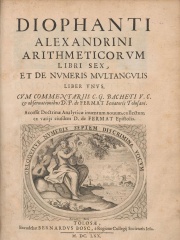
Diophantus
MATHEMATICIAN
201 - 300
HPI: 79.85
Rang: 29
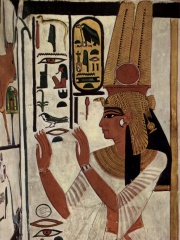
Nefertari
COMPANION
1290 BC - 1255 BC
HPI: 79.56
Rang: 30

Dalida
SINGER
1933 - 1987
HPI: 79.51
Rang: 31

Umm Kulthum
SINGER
1898 - 1975
HPI: 79.44
Rang: 32
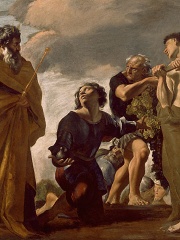
Joshua
RELIGIOUS FIGURE
1355 BC - 1245 BC
HPI: 79.39
Rang: 33
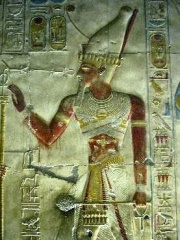
Seti I
RELIGIOUS FIGURE
1323 BC - 1279 BC
HPI: 79.27
Rang: 34
Caesarion
POLITICIAN
47 BC - 30 BC
HPI: 79.18
Rang: 35
Ptolemy XIV of Egypt
POLITICIAN
60 BC - 44 BC
HPI: 79.15
Rang: 36

Demis Roussos
SINGER
1946 - 2015
HPI: 78.95
Rang: 37
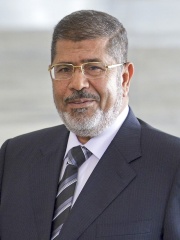
Mohamed Morsi
POLITICIAN
1951 - 2019
HPI: 78.48
Rang: 38
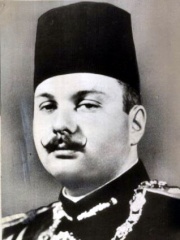
Farouk of Egypt
POLITICIAN
1920 - 1965
HPI: 78.19
Rang: 39
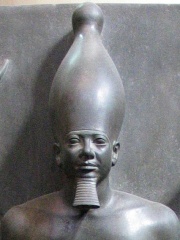
Menkaure
POLITICIAN
2001 BC - 2503 BC
HPI: 78.17
Rang: 40
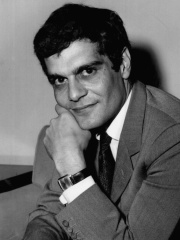
Omar Sharif
ACTOR
1932 - 2015
HPI: 78.05
Rang: 41
Unter Politiker in Ägypten
Unter den in Ägypten geborenen Politiker belegt Ptolemaios XV. Rang 12. Vor ihm stehen Khafra (-2550), Hosni Mubarak (1928), Gamal Abdel Nasser (1918), Ay (-1380), Rudolf Hess (1894), und Anwar Sadat (1918). Nach ihm folgen Ptolemy XIV of Egypt (-60), Mohamed Morsi (1951), Farouk of Egypt (1920), Menkaure (-2001), Abdel Fattah el-Sisi (1954), und Horemheb (-1319).
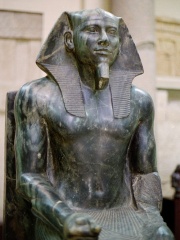
Khafra
2550 BC - 2479 BC
HPI: 83.77
Rang: 6
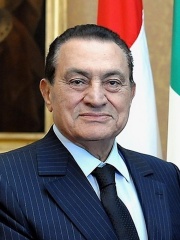
Hosni Mubarak
1928 - 2020
HPI: 82.43
Rang: 7
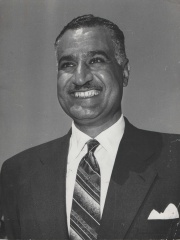
Gamal Abdel Nasser
1918 - 1970
HPI: 82.33
Rang: 8
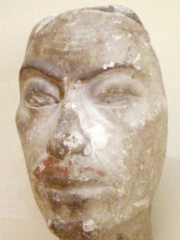
Ay
1380 BC - 1400 BC
HPI: 82.19
Rang: 9
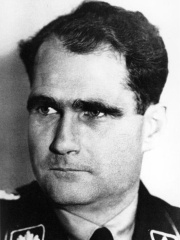
Rudolf Hess
1894 - 1987
HPI: 81.45
Rang: 10
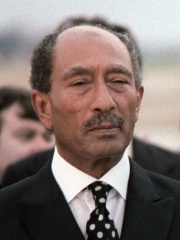
Anwar Sadat
1918 - 1981
HPI: 81.32
Rang: 11
Caesarion
47 BC - 30 BC
HPI: 79.18
Rang: 12
Ptolemy XIV of Egypt
60 BC - 44 BC
HPI: 79.15
Rang: 13
Mohamed Morsi
1951 - 2019
HPI: 78.48
Rang: 14
Farouk of Egypt
1920 - 1965
HPI: 78.19
Rang: 15
Menkaure
2001 BC - 2503 BC
HPI: 78.17
Rang: 16
Abdel Fattah el-Sisi
1954 - heute
HPI: 77.90
Rang: 17
Horemheb
1319 BC - 1292 BC
HPI: 77.68
Rang: 18




