Philosopher
Sun Tzu
6th century BCE Chinese general and military strategist
544 BC - 496 BC
EN.WIKIPEDIA PAGE VIEWS (PV)
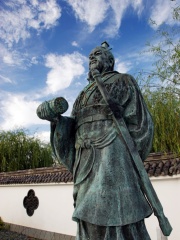
 Sun Tzu
Her biography is available in 110 different languages on Wikipedia. Sun Tzu is the 43rd most popular philosopher (down from 41st in 2024), the 10th most popular biography from China (down from 5th in 2019) and the 3rd most popular Chinese Philosopher.
Sun Tzu is most famous for writing The Art of War, a classic text on strategy, tactics, and leadership. His ideas emphasize intelligence, adaptability, and winning conflicts with minimal direct confrontation. The work has influenced military thinking, business strategy, and leadership philosophy for centuries.
Memorability Metrics
830k
Page Views
Past 12 months
83.60
HPI
Historical Popularity Index
Data Insights
#10 / 2,131
Sun Tzu ranks #10 among 2,131 people in Pantheon born in China, inside the top 1% of that group.
110
Sun Tzu's biography appears in 110 language editions of Wikipedia, more than 97% of all Philosophers.
Page views of Sun Tzu by language
Among Philosophers
Among philosophers, Sun Tzu ranks 43 out of 1,285. Before her are Søren Kierkegaard, Origen, Al-Farabi, Lucretius, Rajneesh, and Michel de Montaigne. After her are Empedocles, Plutarch, Anaximander, Protagoras, David Hume, and Ludwig Wittgenstein.
Most Popular Philosophers in Wikipedia
Go to all Rankings
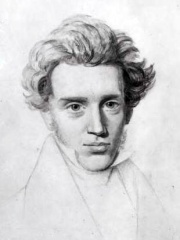
Søren Kierkegaard
1813 - 1855
HPI: 84.47
Rank: 37
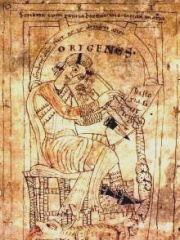
Origen
185 - 254
HPI: 84.46
Rank: 38
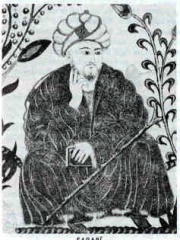
Al-Farabi
872 - 951
HPI: 84.23
Rank: 39
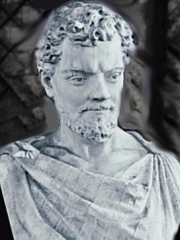
Lucretius
94 BC - 55 BC
HPI: 83.96
Rank: 40

Rajneesh
1931 - 1990
HPI: 83.75
Rank: 41
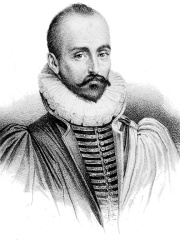
Michel de Montaigne
1533 - 1592
HPI: 83.66
Rank: 42
Sun Tzu
544 BC - 496 BC
HPI: 83.60
Rank: 43
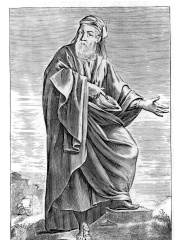
Empedocles
490 BC - 430 BC
HPI: 83.60
Rank: 44
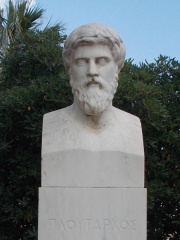
Plutarch
46 - 127
HPI: 83.51
Rank: 45
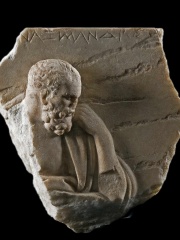
Anaximander
610 BC - 546 BC
HPI: 83.48
Rank: 46

Protagoras
486 BC - 420 BC
HPI: 83.37
Rank: 47
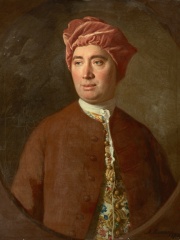
David Hume
1711 - 1776
HPI: 83.28
Rank: 48
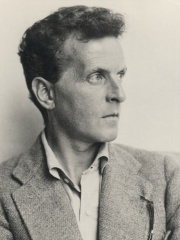
Ludwig Wittgenstein
1889 - 1951
HPI: 83.27
Rank: 49

Contemporaries
Among people born in 544 BC, Sun Tzu ranks 1. Among people deceased in 496 BC, Sun Tzu ranks 1. After her are Helü of Wu, and Titus Herminius Aquilinus.
Others Born in 544 BC
Go to all RankingsOthers Deceased in 496 BC
Go to all RankingsSun Tzu
PHILOSOPHER
544 BC - 496 BC
HPI: 83.60
Rank: 1
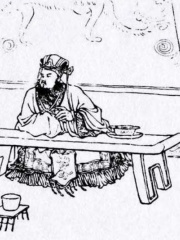
Helü of Wu
POLITICIAN
550 BC - 496 BC
HPI: 62.70
Rank: 2
Titus Herminius Aquilinus
POLITICIAN
600 BC - 496 BC
HPI: 56.25
Rank: 3
In China
Among people born in China, Sun Tzu ranks 10 out of 2,131. Before her are Qin Shi Huang (-258), Huang Xianfan (1899), Mao Zedong (1893), Chiang Kai-shek (1887), Zheng He (1387), and Li Bai (701). After her are Sima Qian (-145), Puyi (1906), 14th Dalai Lama (1935), Xi Jinping (1953), Sun Yat-sen (1866), and Deng Xiaoping (1904).
Others born in China
Go to all Rankings
Qin Shi Huang
POLITICIAN
258 BC - 210 BC
HPI: 90.99
Rank: 4
Huang Xianfan
POLITICIAN
1899 - 1982
HPI: 89.40
Rank: 5
Mao Zedong
POLITICIAN
1893 - 1976
HPI: 88.70
Rank: 6
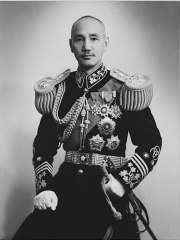
Chiang Kai-shek
MILITARY PERSONNEL
1887 - 1975
HPI: 86.25
Rank: 7
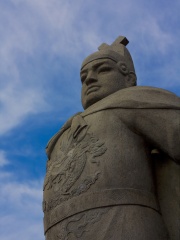
Zheng He
EXPLORER
1387 - 1433
HPI: 84.21
Rank: 8
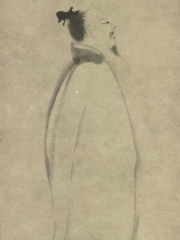
Li Bai
WRITER
701 - 762
HPI: 84.11
Rank: 9
Sun Tzu
PHILOSOPHER
544 BC - 496 BC
HPI: 83.60
Rank: 10
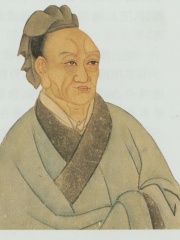
Sima Qian
HISTORIAN
145 BC - 86 BC
HPI: 83.52
Rank: 11
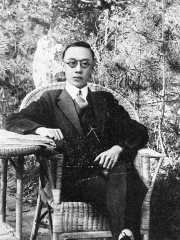
Puyi
POLITICIAN
1906 - 1967
HPI: 83.41
Rank: 12

14th Dalai Lama
RELIGIOUS FIGURE
1935 - Present
HPI: 83.17
Rank: 13
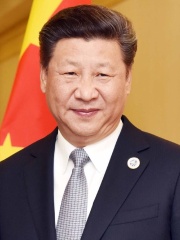
Xi Jinping
POLITICIAN
1953 - Present
HPI: 82.81
Rank: 14
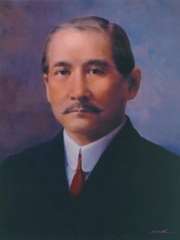
Sun Yat-sen
POLITICIAN
1866 - 1925
HPI: 82.77
Rank: 15
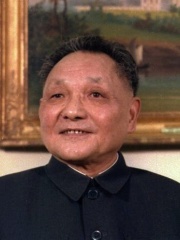
Deng Xiaoping
POLITICIAN
1904 - 1997
HPI: 82.61
Rank: 16
Among Philosophers In China
Among philosophers born in China, Sun Tzu ranks 3. Before her are Confucius (-551), and Laozi (-604). After her are Zhuang Zhou (-369), Zhu Xi (1130), Mencius (-372), Mozi (-470), Han Fei (-280), Xun Kuang (-313), Milarepa (1052), Shen Kuo (1031), and Wang Yangming (1472).
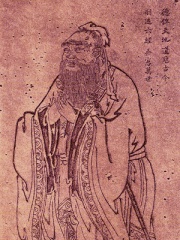
Confucius
551 BC - 479 BC
HPI: 93.57
Rank: 1
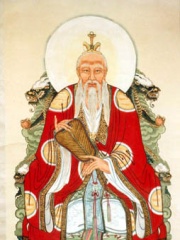
Laozi
604 BC - 600 BC
HPI: 91.85
Rank: 2
Sun Tzu
544 BC - 496 BC
HPI: 83.60
Rank: 3
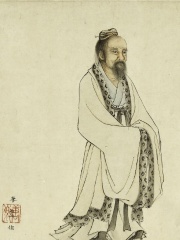
Zhuang Zhou
369 BC - 286 BC
HPI: 81.63
Rank: 4
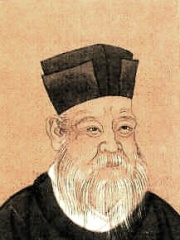
Zhu Xi
1130 - 1200
HPI: 81.27
Rank: 5
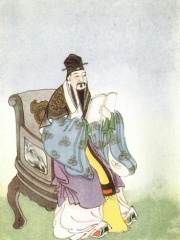
Mencius
372 BC - 289 BC
HPI: 79.37
Rank: 6
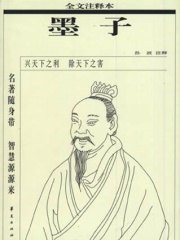
Mozi
470 BC - 391 BC
HPI: 76.56
Rank: 7
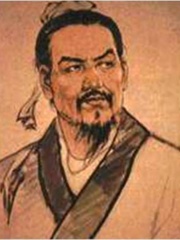
Han Fei
280 BC - 232 BC
HPI: 75.88
Rank: 8
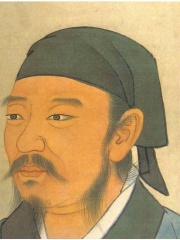
Xun Kuang
313 BC - 238 BC
HPI: 75.28
Rank: 9

Milarepa
1052 - 1135
HPI: 72.51
Rank: 10
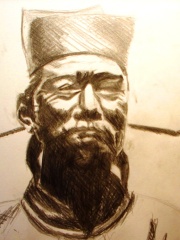
Shen Kuo
1031 - 1095
HPI: 72.33
Rank: 11
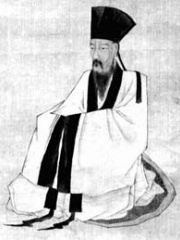
Wang Yangming
1472 - 1529
HPI: 70.74
Rank: 12




