فيلسوف
بيار أبيلار
1079 - 1142
مشاهدات AR.WIKIPEDIA (PV)
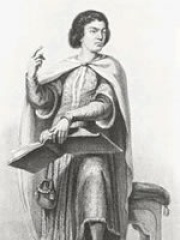
 بيار أبيلار
سيرته الذاتية متاحة بـ74 لغة مختلفة على ويكيبيديا. يحتل بيار أبيلار المرتبة 73 بين أكثر فيلسوف شعبيةً (تقدمًا من 87 في 2024)، والمرتبة 127 بين أكثر السير الذاتية شعبيةً في فرنسا (تقدمًا من 162 في 2019)، كما يحتل المرتبة 7 بين أكثر فيلسوف من فرنسا شعبيةً.
مقاييس الشهرة
330k
مشاهدات الصفحة
آخر 12 شهرًا
80.63
HPI
مؤشر الشعبية التاريخية
رؤى من البيانات
مشاهدات صفحة بيار أبيلار حسب اللغة
من بين فيلسوف
من بين فيلسوف، يحتل بيار أبيلار المرتبة 73 من أصل 1,285. قبله يأتي Zeno of Citium, Xenophanes, Gorgias, Ibn Arabi, Nagarjuna, وPliny the Elder. بعده يأتي Leucippus, Edmund Husserl, Al-Kindi, Nicholas of Cusa, Rudolf Steiner, وGregory of Nazianzus.
أشهر فيلسوف على ويكيبيديا
عرض جميع التصنيفات
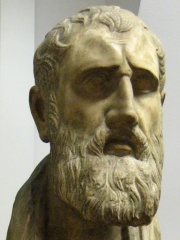
Zeno of Citium
334 BC - 263 BC
HPI: 80.94
المرتبة: 67
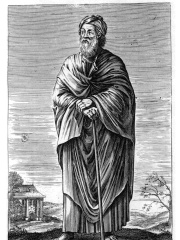
Xenophanes
570 BC - 475 BC
HPI: 80.90
المرتبة: 68
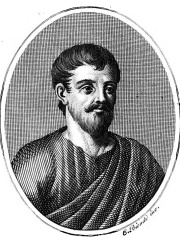
Gorgias
483 BC - 375 BC
HPI: 80.90
المرتبة: 69
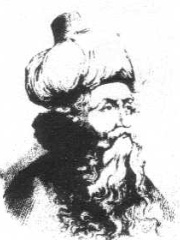
Ibn Arabi
1165 - 1240
HPI: 80.85
المرتبة: 70

Nagarjuna
150 - 250
HPI: 80.71
المرتبة: 71
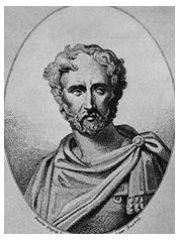
Pliny the Elder
23 - 79
HPI: 80.68
المرتبة: 72
Peter Abelard
1079 - 1142
HPI: 80.63
المرتبة: 73

Leucippus
500 BC - 500 BC
HPI: 80.59
المرتبة: 74
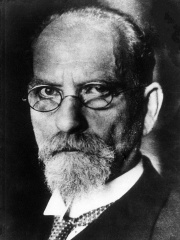
Edmund Husserl
1859 - 1938
HPI: 80.57
المرتبة: 75
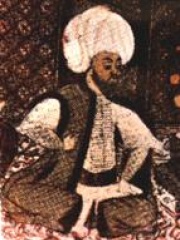
Al-Kindi
801 - 866
HPI: 80.39
المرتبة: 76
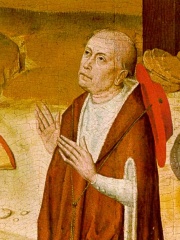
Nicholas of Cusa
1401 - 1464
HPI: 80.39
المرتبة: 77
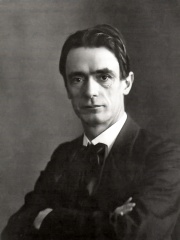
Rudolf Steiner
1861 - 1925
HPI: 80.38
المرتبة: 78
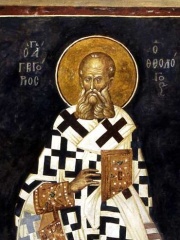
Gregory of Nazianzus
329 - 389
HPI: 80.37
المرتبة: 79

معاصرون
من بين المولودين في عام 1079، يحتل بيار أبيلار المرتبة 1. بعده يأتي Kilij Arslan I, Judah Halevi, Gampopa, Yejong of Goryeo, Emperor Horikawa, وWilliam II Jordan. من بين المتوفين في عام 1142، يحتل بيار أبيلار المرتبة 1. بعده يأتي Yue Fei, Andronikos Komnenos, Godfrey II, Count of Louvain, Alexios Komnenos, Orderic Vitalis, وElimar II, Count of Oldenburg.
آخرون وُلدوا في عام 1079
عرض جميع التصنيفاتPeter Abelard
PHILOSOPHER
1079 - 1142
HPI: 80.63
المرتبة: 1
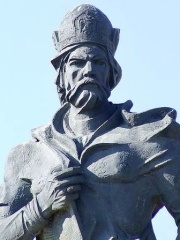
Kilij Arslan I
POLITICIAN
1079 - 1107
HPI: 71.92
المرتبة: 2
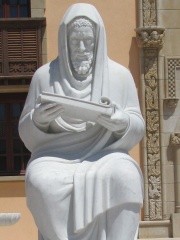
Judah Halevi
WRITER
1079 - 1141
HPI: 70.30
المرتبة: 3

Gampopa
WRITER
1079 - 1153
HPI: 65.26
المرتبة: 4

Yejong of Goryeo
POLITICIAN
1079 - 1122
HPI: 64.92
المرتبة: 5

Emperor Horikawa
POLITICIAN
1079 - 1107
HPI: 63.43
المرتبة: 6

William II Jordan
POLITICIAN
1079 - 1110
HPI: 61.33
المرتبة: 7
آخرون توفوا في عام 1142
عرض جميع التصنيفاتPeter Abelard
PHILOSOPHER
1079 - 1142
HPI: 80.63
المرتبة: 1

Yue Fei
MILITARY PERSONNEL
1142 - 1142
HPI: 71.84
المرتبة: 2

Andronikos Komnenos
POLITICIAN
1108 - 1142
HPI: 64.57
المرتبة: 3
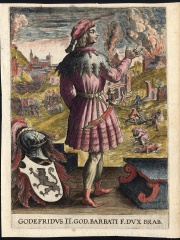
Godfrey II, Count of Louvain
NOBLEMAN
1110 - 1142
HPI: 64.29
المرتبة: 4
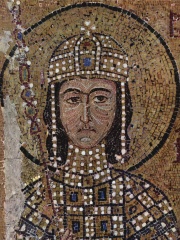
Alexios Komnenos
POLITICIAN
1106 - 1142
HPI: 63.95
المرتبة: 5
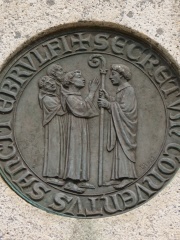
Orderic Vitalis
WRITER
1075 - 1142
HPI: 62.26
المرتبة: 6

Elimar II, Count of Oldenburg
NOBLEMAN
1000 - 1142
HPI: 59.13
المرتبة: 7
في فرنسا
من بين المولودين في فرنسا، يحتل بيار أبيلار المرتبة 127 من أصل 7,658. قبله يأتي Philippe Pétain (1856), Catherine of Valois (1401), Joseph Fourier (1768), Charles-Augustin de Coulomb (1736), Philip II of France (1165), وCharles Aznavour (1924). بعده يأتي Pope Gregory XI (1370), Marie Thérèse of France (1778), François Hollande (1954), Francis I, Holy Roman Emperor (1708), Sully Prudhomme (1839), وHenri de Toulouse-Lautrec (1864).
آخرون وُلدوا في فرنسا
عرض جميع التصنيفات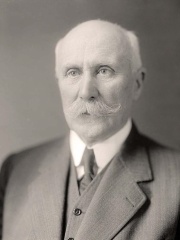
Philippe Pétain
POLITICIAN
1856 - 1951
HPI: 81.00
المرتبة: 121
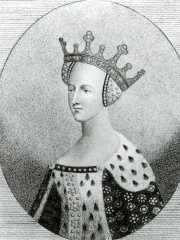
Catherine of Valois
COMPANION
1401 - 1437
HPI: 80.98
المرتبة: 122
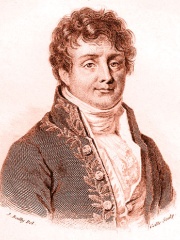
Joseph Fourier
MATHEMATICIAN
1768 - 1830
HPI: 80.98
المرتبة: 123
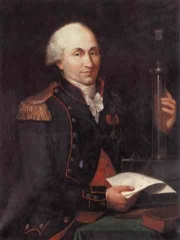
Charles-Augustin de Coulomb
PHYSICIST
1736 - 1806
HPI: 80.87
المرتبة: 124
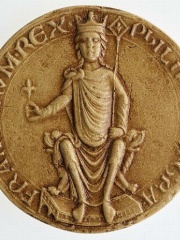
Philip II of France
POLITICIAN
1165 - 1223
HPI: 80.85
المرتبة: 125
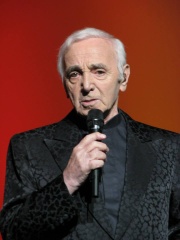
Charles Aznavour
SINGER
1924 - 2018
HPI: 80.66
المرتبة: 126
Peter Abelard
PHILOSOPHER
1079 - 1142
HPI: 80.63
المرتبة: 127
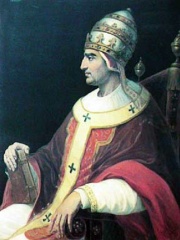
Pope Gregory XI
RELIGIOUS FIGURE
1370 - 1378
HPI: 80.63
المرتبة: 128
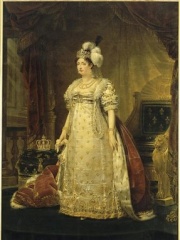
Marie Thérèse of France
NOBLEMAN
1778 - 1851
HPI: 80.59
المرتبة: 129
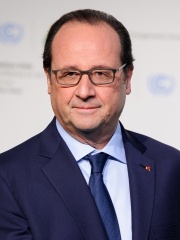
François Hollande
POLITICIAN
1954 - حتى الآن
HPI: 80.59
المرتبة: 130
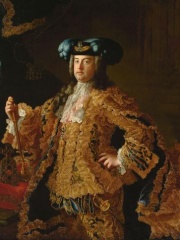
Francis I, Holy Roman Emperor
POLITICIAN
1708 - 1765
HPI: 80.53
المرتبة: 131
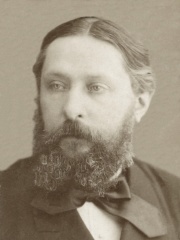
Sully Prudhomme
WRITER
1839 - 1907
HPI: 80.51
المرتبة: 132
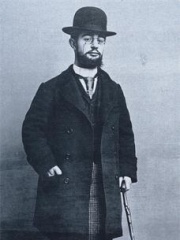
Henri de Toulouse-Lautrec
PAINTER
1864 - 1901
HPI: 80.51
المرتبة: 133
من بين فيلسوف في فرنسا
من بين فيلسوف المولودين في فرنسا، يحتل بيار أبيلار المرتبة 7. قبله يأتي René Descartes (1596), Montesquieu (1689), Auguste Comte (1798), Michel de Montaigne (1533), Michel Foucault (1926), وHenri Bergson (1859). بعده يأتي Roland Barthes (1915), Pierre-Joseph Proudhon (1809), Jean Bodin (1530), Gilles Deleuze (1925), Henri de Saint-Simon (1760), وSimone Weil (1909).
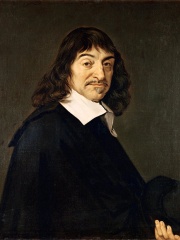
René Descartes
1596 - 1650
HPI: 92.12
المرتبة: 1
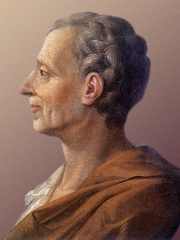
Montesquieu
1689 - 1755
HPI: 87.46
المرتبة: 2
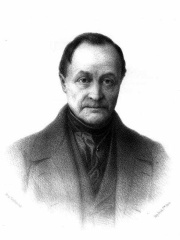
Auguste Comte
1798 - 1857
HPI: 85.43
المرتبة: 3
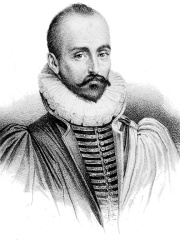
Michel de Montaigne
1533 - 1592
HPI: 83.66
المرتبة: 4
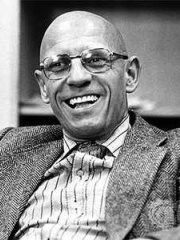
Michel Foucault
1926 - 1984
HPI: 82.59
المرتبة: 5
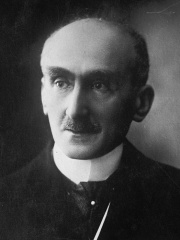
Henri Bergson
1859 - 1941
HPI: 82.22
المرتبة: 6
Peter Abelard
1079 - 1142
HPI: 80.63
المرتبة: 7
Roland Barthes
1915 - 1980
HPI: 80.26
المرتبة: 8
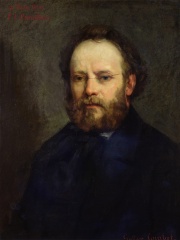
Pierre-Joseph Proudhon
1809 - 1865
HPI: 79.12
المرتبة: 9
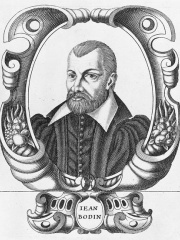
Jean Bodin
1530 - 1596
HPI: 78.77
المرتبة: 10
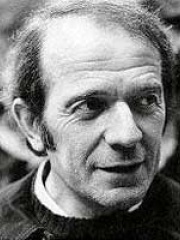
Gilles Deleuze
1925 - 1995
HPI: 78.10
المرتبة: 11
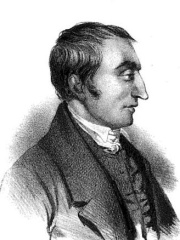
Henri de Saint-Simon
1760 - 1825
HPI: 77.38
المرتبة: 12
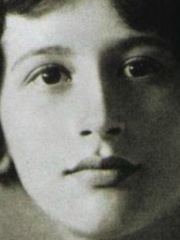
Simone Weil
1909 - 1943
HPI: 76.93
المرتبة: 13




