Schrijver
Judah Halevi
1079 - 1141
NL.WIKIPEDIA-PAGINAWEERGAVEN (PV)
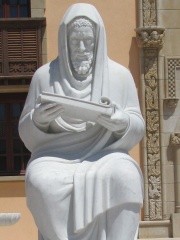
 Judah Halevi
Zijn biografie is beschikbaar in 37 verschillende talen op Wikipedia. Judah Halevi staat op plaats 734 onder de meest populaire schrijver (gedaald van plaats 601 in 2024), plaats 220 onder de meest populaire biografieën uit Spanje (gedaald van plaats 173 in 2019) en op plaats 24 onder de populairste schrijver uit Spanje.
Bekendheidsstatistieken
72k
Paginaweergaven
Afgelopen 12 maanden
70.30
HPI
Historische populariteitsindex
Data-inzichten
#220 / 3,981
Judah Halevi staat op plaats 220 van de 3,981 personen in Pantheon die in Spanje zijn geboren, bij de beste 6% van die groep.
Paginaweergaven van Judah Halevi per taal
Onder Schrijver
Onder Schrijver staat Judah Halevi op plaats 734 van 7,707. Vóór hem staan Lucan, Jerry Falwell, Robert Burton, Clemens Brentano, Geoffrey of Monmouth, en Abai Qunanbaiuly. Na hem komen Cornelia, mother of the Gracchi, Aristarchus of Samothrace, Louise Hay, Emilio Salgari, Iris Murdoch, en John le Carré.
Populairste Schrijver op Wikipedia
Naar alle ranglijsten
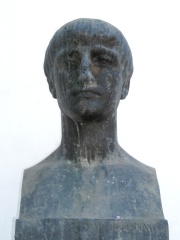
Lucan
39 - 65
HPI: 70.35
Plaats: 728
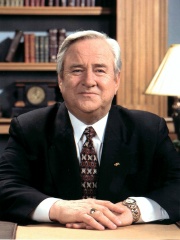
Jerry Falwell
1933 - 2007
HPI: 70.35
Plaats: 729
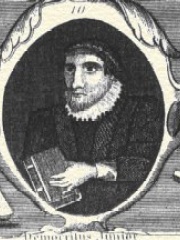
Robert Burton
1577 - 1640
HPI: 70.35
Plaats: 730
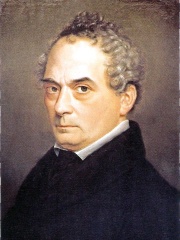
Clemens Brentano
1778 - 1842
HPI: 70.33
Plaats: 731
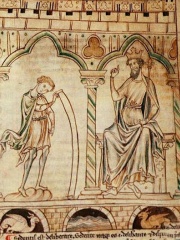
Geoffrey of Monmouth
1090 - 1155
HPI: 70.31
Plaats: 732
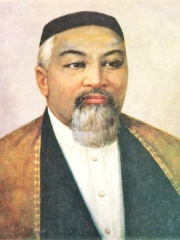
Abai Qunanbaiuly
1845 - 1904
HPI: 70.31
Plaats: 733
Judah Halevi
1079 - 1141
HPI: 70.30
Plaats: 734
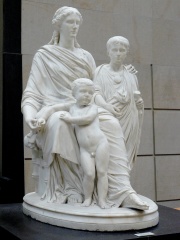
Cornelia, mother of the Gracchi
189 v.Chr. - 110 v.Chr.
HPI: 70.29
Plaats: 735
Aristarchus of Samothrace
217 v.Chr. - 144 v.Chr.
HPI: 70.29
Plaats: 736

Louise Hay
1926 - 2017
HPI: 70.28
Plaats: 737
Emilio Salgari
1862 - 1911
HPI: 70.25
Plaats: 738
Iris Murdoch
1919 - 1999
HPI: 70.25
Plaats: 739
John le Carré
1931 - 2020
HPI: 70.24
Plaats: 740

Tijdgenoten
Onder de mensen geboren in 1079 staat Judah Halevi op plaats 3. Vóór hem staan Peter Abelard, en Kilij Arslan I. Na hem komen Gampopa, Yejong of Goryeo, Emperor Horikawa, en William II Jordan. Onder de mensen overleden in 1141 staat Judah Halevi op plaats 2. Vóór hem staat Béla II of Hungary. Na hem komen Hugh of Saint Victor, Leopold, Duke of Bavaria, Richenza of Northeim, Engelbert, Duke of Carinthia, en Margaret of L'Aigle.
Anderen geboren in 1079
Naar alle ranglijsten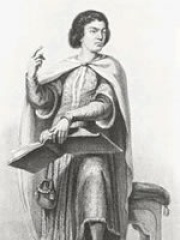
Peter Abelard
PHILOSOPHER
1079 - 1142
HPI: 80.63
Plaats: 1
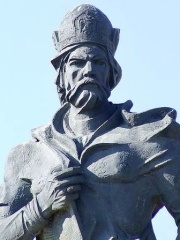
Kilij Arslan I
POLITICIAN
1079 - 1107
HPI: 71.92
Plaats: 2
Judah Halevi
WRITER
1079 - 1141
HPI: 70.30
Plaats: 3

Gampopa
WRITER
1079 - 1153
HPI: 65.26
Plaats: 4

Yejong of Goryeo
POLITICIAN
1079 - 1122
HPI: 64.92
Plaats: 5
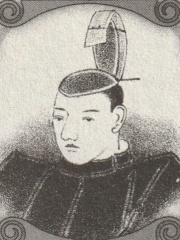
Emperor Horikawa
POLITICIAN
1079 - 1107
HPI: 63.43
Plaats: 6

William II Jordan
POLITICIAN
1079 - 1110
HPI: 61.33
Plaats: 7
Anderen overleden in 1141
Naar alle ranglijsten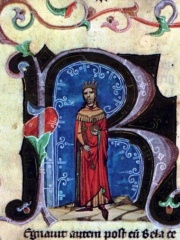
Béla II of Hungary
NOBLEMAN
1108 - 1141
HPI: 71.30
Plaats: 1
Judah Halevi
WRITER
1079 - 1141
HPI: 70.30
Plaats: 2
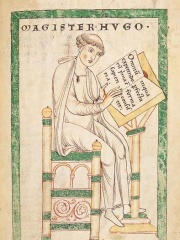
Hugh of Saint Victor
PHILOSOPHER
1096 - 1141
HPI: 69.99
Plaats: 3
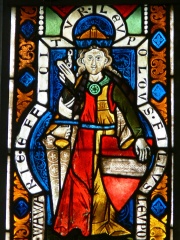
Leopold, Duke of Bavaria
POLITICIAN
1108 - 1141
HPI: 66.63
Plaats: 4
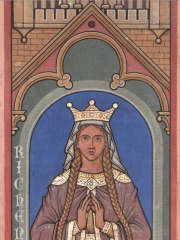
Richenza of Northeim
COMPANION
1087 - 1141
HPI: 64.59
Plaats: 5

Engelbert, Duke of Carinthia
POLITICIAN
1100 - 1141
HPI: 58.24
Plaats: 6

Margaret of L'Aigle
COMPANION
1104 - 1141
HPI: 58.17
Plaats: 7
In Spanje
Onder de mensen geboren in Spanje staat Judah Halevi op plaats 220 van 3,981. Vóór hem staan Mariano Rajoy (1955), John, Prince of Asturias (1478), Diego Velázquez de Cuéllar (1465), Miguel Muñoz (1922), Lucan (39), en Alfonso III of Asturias (848). Na hem komen Eulalia of Mérida (290), Henry III of Castile (1379), Balthasar Charles, Prince of Asturias (1629), Manuel Castells (1942), Antoni Tàpies (1923), en Elizabeth of Portugal (1271).
Anderen geboren in Spanje
Naar alle ranglijsten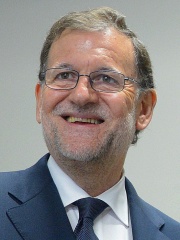
Mariano Rajoy
POLITICIAN
1955 - heden
HPI: 70.38
Plaats: 214
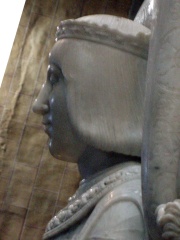
John, Prince of Asturias
POLITICIAN
1478 - 1497
HPI: 70.38
Plaats: 215
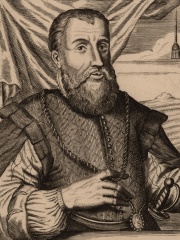
Diego Velázquez de Cuéllar
EXPLORER
1465 - 1524
HPI: 70.37
Plaats: 216
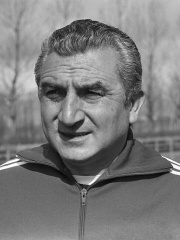
Miguel Muñoz
SOCCER PLAYER
1922 - 1990
HPI: 70.36
Plaats: 217
Lucan
WRITER
39 - 65
HPI: 70.35
Plaats: 218
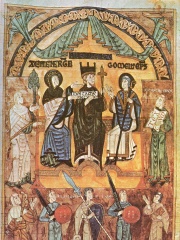
Alfonso III of Asturias
POLITICIAN
848 - 910
HPI: 70.34
Plaats: 219
Judah Halevi
WRITER
1079 - 1141
HPI: 70.30
Plaats: 220
Eulalia of Mérida
RELIGIOUS FIGURE
290 - 304
HPI: 70.29
Plaats: 221
Henry III of Castile
POLITICIAN
1379 - 1406
HPI: 70.25
Plaats: 222
Balthasar Charles, Prince of Asturias
POLITICIAN
1629 - 1646
HPI: 70.21
Plaats: 223
Manuel Castells
SOCIOLOGIST
1942 - heden
HPI: 70.08
Plaats: 224
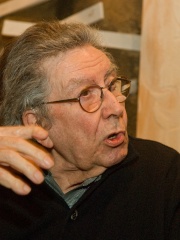
Antoni Tàpies
PAINTER
1923 - 2012
HPI: 70.02
Plaats: 225
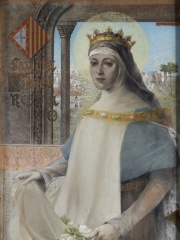
Elizabeth of Portugal
POLITICIAN
1271 - 1336
HPI: 69.97
Plaats: 226
Onder Schrijver in Spanje
Onder Schrijver geboren in Spanje staat Judah Halevi op plaats 24. Vóór hem staan Vicente Aleixandre (1898), Luis de Góngora (1561), Leo Africanus (1494), Tirso de Molina (1579), Columella (4), en Lucan (39). Na hem komen Joseph of Anchieta (1534), Antonio Machado (1875), Mercè Rodoreda (1908), Prudentius (348), Vicente Blasco Ibáñez (1867), en Silius Italicus (26).
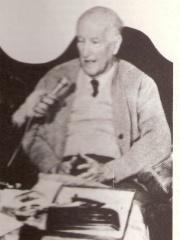
Vicente Aleixandre
1898 - 1984
HPI: 71.07
Plaats: 18
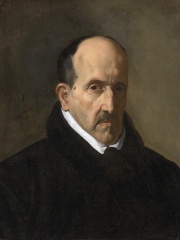
Luis de Góngora
1561 - 1627
HPI: 70.93
Plaats: 19
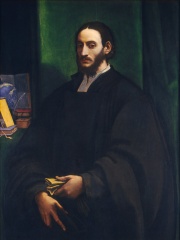
Leo Africanus
1494 - 1554
HPI: 70.83
Plaats: 20
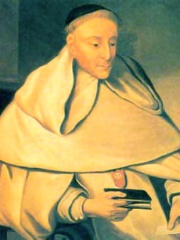
Tirso de Molina
1579 - 1648
HPI: 70.39
Plaats: 21
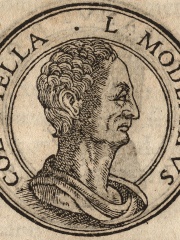
Columella
4 - 70
HPI: 70.39
Plaats: 22
Lucan
39 - 65
HPI: 70.35
Plaats: 23
Judah Halevi
1079 - 1141
HPI: 70.30
Plaats: 24
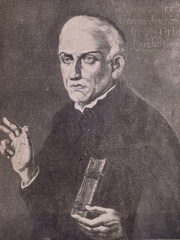
Joseph of Anchieta
1534 - 1597
HPI: 69.43
Plaats: 25
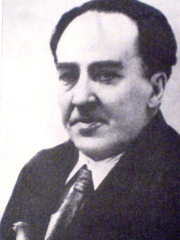
Antonio Machado
1875 - 1939
HPI: 69.23
Plaats: 26
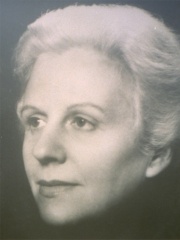
Mercè Rodoreda
1908 - 1983
HPI: 68.70
Plaats: 27
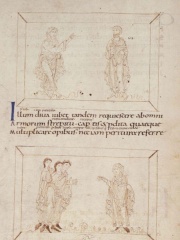
Prudentius
348 - 413
HPI: 68.49
Plaats: 28
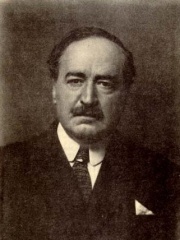
Vicente Blasco Ibáñez
1867 - 1928
HPI: 68.43
Plaats: 29
Silius Italicus
26 - 101
HPI: 68.43
Plaats: 30




