政治家
鲍里斯·叶利钦
1931 - 2007
ZH.WIKIPEDIA PAGE VIEWS (PV)
 鲍里斯·叶利钦
Memorability Metrics
2.8M
Page Views
Past 12 months
84.88
HPI
Historical Popularity Index
Page views of 鲍里斯·叶利钦 by language
Among 政治家
Among 政治家, 鲍里斯·叶利钦 ranks 136 out of 19,576. Before him are Ferdinand Marcos, Ashoka, Napoleon III, Al Gore, Otto I, Holy Roman Emperor, and Ivan the Terrible. After him are Heinrich Himmler, Tiberius, Harald Hardrada, George W. Bush, Philip II of Spain, and Hurrem Sultan.
Most Popular 政治家 in Wikipedia
Go to all Rankings
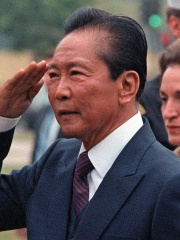
Ferdinand Marcos
1917 - 1989
HPI: 85.12
Rank: 130
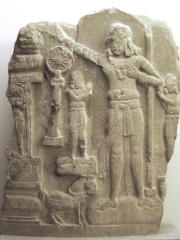
Ashoka
304 BC - 232 BC
HPI: 85.09
Rank: 131
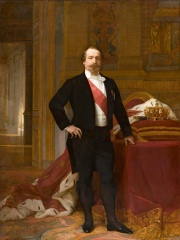
Napoleon III
1808 - 1873
HPI: 85.06
Rank: 132
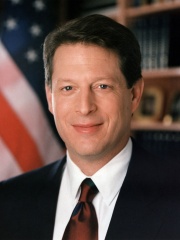
Al Gore
1948 - Present
HPI: 84.97
Rank: 133
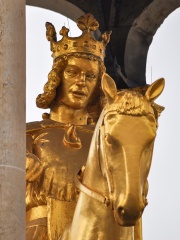
Otto I, Holy Roman Emperor
912 - 973
HPI: 84.97
Rank: 134
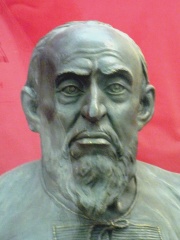
Ivan the Terrible
1530 - 1584
HPI: 84.95
Rank: 135
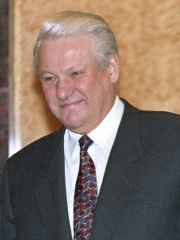
Boris Yeltsin
1931 - 2007
HPI: 84.88
Rank: 136
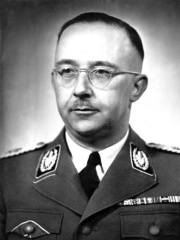
Heinrich Himmler
1900 - 1945
HPI: 84.86
Rank: 137
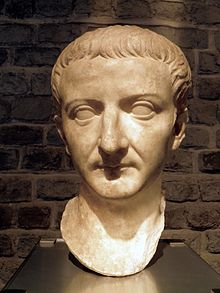
Tiberius
42 BC - 37
HPI: 84.83
Rank: 138
Harald Hardrada
1015 - 1066
HPI: 84.83
Rank: 139
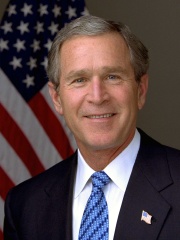
George W. Bush
1946 - Present
HPI: 84.81
Rank: 140
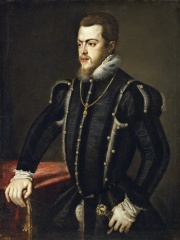
Philip II of Spain
1527 - 1598
HPI: 84.79
Rank: 141
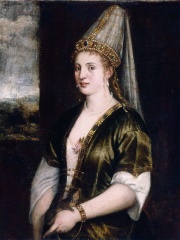
Hurrem Sultan
1502 - 1558
HPI: 84.73
Rank: 142

Contemporaries
Among people born in 1931, 鲍里斯·叶利钦 ranks 2. Before him is Mikhail Gorbachev. After him are Rajneesh, Toni Morrison, A. P. J. Abdul Kalam, Raúl Castro, Tomas Tranströmer, James Dean, Chun Doo-hwan, Isabel Martínez de Perón, Mário Zagallo, and Robert Duvall. Among people deceased in 2007, 鲍里斯·叶利钦 ranks 1. After him are Luciano Pavarotti, Ingmar Bergman, Kurt Vonnegut, Michelangelo Antonioni, Mohammed Zahir Shah, Kurt Waldheim, Karlheinz Stockhausen, Ève Curie, Jean Baudrillard, Mstislav Rostropovich, and Carlo Ponti.
Others Born in 1931
Go to all Rankings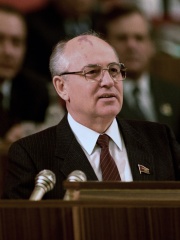
Mikhail Gorbachev
POLITICIAN
1931 - 2022
HPI: 87.63
Rank: 1
Boris Yeltsin
POLITICIAN
1931 - 2007
HPI: 84.88
Rank: 2
Rajneesh
PHILOSOPHER
1931 - 1990
HPI: 83.75
Rank: 3
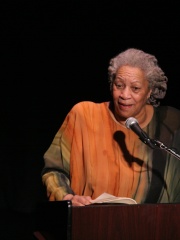
Toni Morrison
WRITER
1931 - 2019
HPI: 82.91
Rank: 4
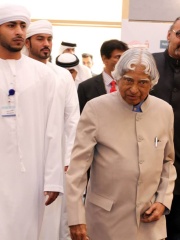
A. P. J. Abdul Kalam
POLITICIAN
1931 - 2015
HPI: 81.57
Rank: 5
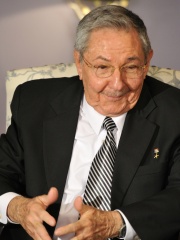
Raúl Castro
POLITICIAN
1931 - Present
HPI: 80.27
Rank: 6
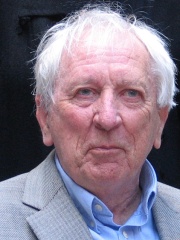
Tomas Tranströmer
WRITER
1931 - 2015
HPI: 79.26
Rank: 7
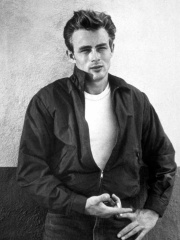
James Dean
ACTOR
1931 - 1955
HPI: 78.85
Rank: 8
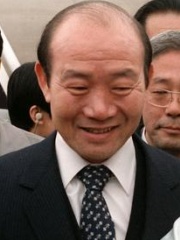
Chun Doo-hwan
POLITICIAN
1931 - 2021
HPI: 77.25
Rank: 9
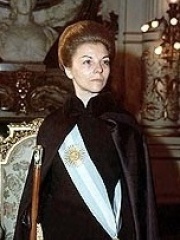
Isabel Martínez de Perón
POLITICIAN
1931 - Present
HPI: 75.88
Rank: 10
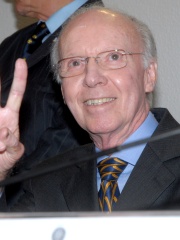
Mário Zagallo
SOCCER PLAYER
1931 - 2024
HPI: 75.76
Rank: 11
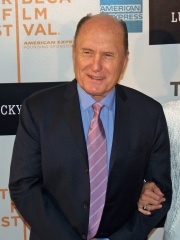
Robert Duvall
ACTOR
1931 - 2026
HPI: 75.73
Rank: 12
Others Deceased in 2007
Go to all RankingsBoris Yeltsin
POLITICIAN
1931 - 2007
HPI: 84.88
Rank: 1
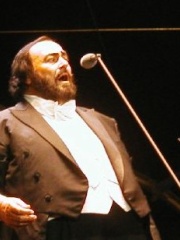
Luciano Pavarotti
SINGER
1935 - 2007
HPI: 83.23
Rank: 2
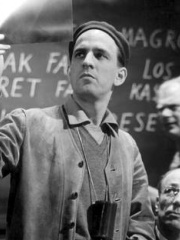
Ingmar Bergman
FILM DIRECTOR
1918 - 2007
HPI: 82.46
Rank: 3
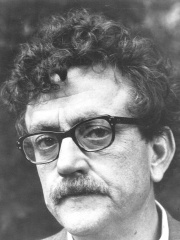
Kurt Vonnegut
WRITER
1922 - 2007
HPI: 82.15
Rank: 4
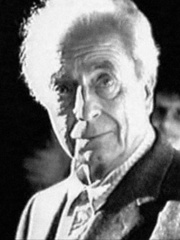
Michelangelo Antonioni
FILM DIRECTOR
1912 - 2007
HPI: 76.78
Rank: 5
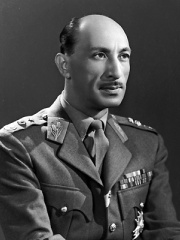
Mohammed Zahir Shah
POLITICIAN
1914 - 2007
HPI: 76.65
Rank: 6
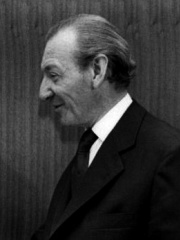
Kurt Waldheim
POLITICIAN
1918 - 2007
HPI: 76.64
Rank: 7
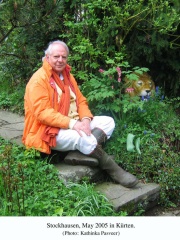
Karlheinz Stockhausen
COMPOSER
1928 - 2007
HPI: 76.38
Rank: 8
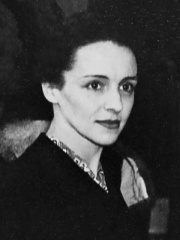
Ève Curie
WRITER
1904 - 2007
HPI: 75.06
Rank: 9
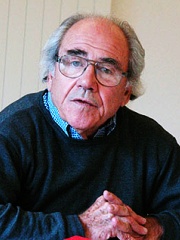
Jean Baudrillard
PHILOSOPHER
1929 - 2007
HPI: 74.78
Rank: 10
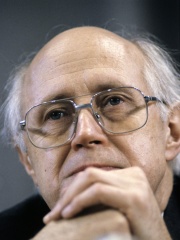
Mstislav Rostropovich
MUSICIAN
1927 - 2007
HPI: 74.26
Rank: 11
Carlo Ponti
PRODUCER
1912 - 2007
HPI: 74.11
Rank: 12
In 俄罗斯
Among people born in 俄罗斯, 鲍里斯·叶利钦 ranks 18 out of NaN. Before him are Dmitri Mendeleev (1834), Peter the Great (1672), Anton Chekhov (1860), Nikita Khrushchev (1894), Grigori Rasputin (1869), and Ivan the Terrible (1530). After him are Alexander Pushkin (1799), Wassily Kandinsky (1866), Ayn Rand (1905), Ivan Pavlov (1849), Maxim Gorky (1868), and Lev Yashin (1929).
Others born in 俄罗斯
Go to all Rankings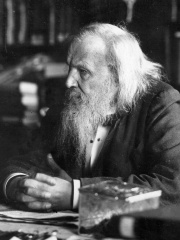
Dmitri Mendeleev
CHEMIST
1834 - 1907
HPI: 86.92
Rank: 12
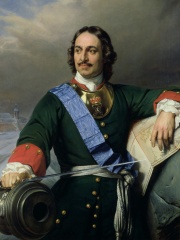
Peter the Great
POLITICIAN
1672 - 1725
HPI: 86.89
Rank: 13
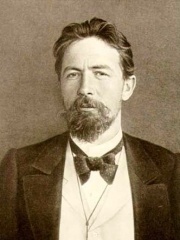
Anton Chekhov
WRITER
1860 - 1904
HPI: 86.67
Rank: 14
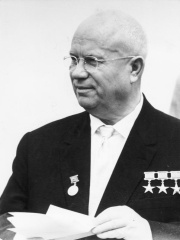
Nikita Khrushchev
POLITICIAN
1894 - 1971
HPI: 85.59
Rank: 15
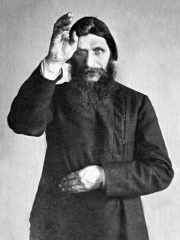
Grigori Rasputin
OCCULTIST
1869 - 1916
HPI: 85.15
Rank: 16
Ivan the Terrible
POLITICIAN
1530 - 1584
HPI: 84.95
Rank: 17
Boris Yeltsin
POLITICIAN
1931 - 2007
HPI: 84.88
Rank: 18
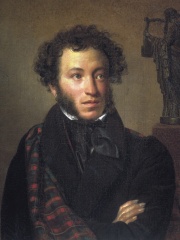
Alexander Pushkin
WRITER
1799 - 1837
HPI: 84.64
Rank: 19
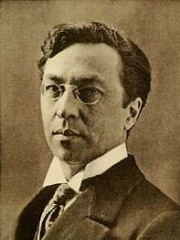
Wassily Kandinsky
PAINTER
1866 - 1944
HPI: 84.16
Rank: 20
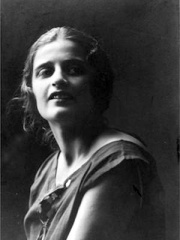
Ayn Rand
WRITER
1905 - 1982
HPI: 83.74
Rank: 21
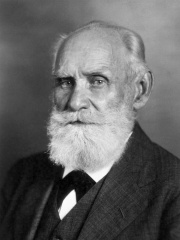
Ivan Pavlov
BIOLOGIST
1849 - 1936
HPI: 83.05
Rank: 22
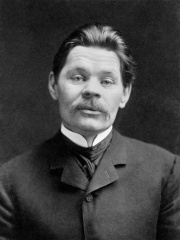
Maxim Gorky
WRITER
1868 - 1936
HPI: 82.46
Rank: 23
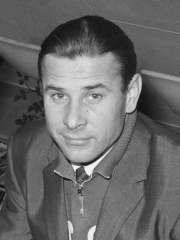
Lev Yashin
SOCCER PLAYER
1929 - 1990
HPI: 82.39
Rank: 24
Among 政治家 In 俄罗斯
Among 政治家 born in 俄罗斯, 鲍里斯·叶利钦 ranks 9. Before him are Nicholas II of Russia (1868), Mikhail Gorbachev (1931), Kim Jong-il (1941), Peter the Great (1672), Nikita Khrushchev (1894), and Ivan the Terrible (1530). After him are Yuri Andropov (1914), Alexander II of Russia (1818), Alexander III of Russia (1845), Konstantin Chernenko (1911), Georgy Zhukov (1896), and Nicholas I of Russia (1796).
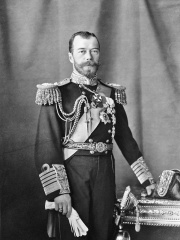
Nicholas II of Russia
1868 - 1918
HPI: 87.96
Rank: 3
Mikhail Gorbachev
1931 - 2022
HPI: 87.63
Rank: 4
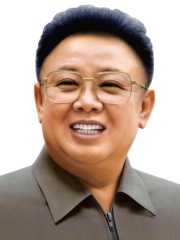
Kim Jong-il
1941 - 2011
HPI: 87.59
Rank: 5
Peter the Great
1672 - 1725
HPI: 86.89
Rank: 6
Nikita Khrushchev
1894 - 1971
HPI: 85.59
Rank: 7
Ivan the Terrible
1530 - 1584
HPI: 84.95
Rank: 8
Boris Yeltsin
1931 - 2007
HPI: 84.88
Rank: 9
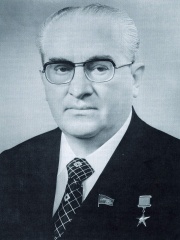
Yuri Andropov
1914 - 1984
HPI: 82.33
Rank: 10
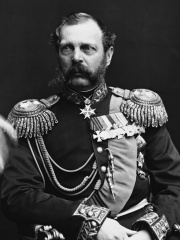
Alexander II of Russia
1818 - 1881
HPI: 82.13
Rank: 11
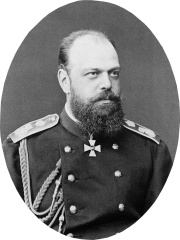
Alexander III of Russia
1845 - 1894
HPI: 81.27
Rank: 12
Konstantin Chernenko
1911 - 1985
HPI: 81.23
Rank: 13
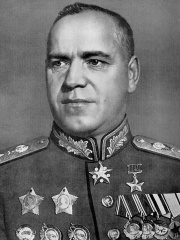
Georgy Zhukov
1896 - 1974
HPI: 80.82
Rank: 14
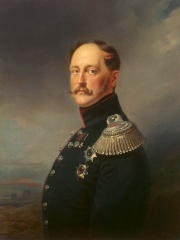
Nicholas I of Russia
1796 - 1855
HPI: 80.72
Rank: 15




