Politiker
Nikita Sergejewitsch Chruschtschow
1894 - 1971
DE.WIKIPEDIA PAGE VIEWS (PV)
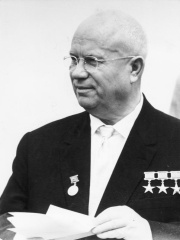
 Nikita Sergejewitsch Chruschtschow
Seine Biografie ist in 126 verschiedenen Sprachen auf Wikipedia verfügbar (gestiegen von 123 im Jahr 2024). Nikita Sergejewitsch Chruschtschow ist der 117th beliebteste Politiker (gesunken vom 69th im Jahr 2024), die 15th beliebteste Biografie aus Russland (gesunken vom 11th im Jahr 2019) und der 7th beliebteste aus Russland Politiker.
Memorability Metrics
3.6M
Page Views
Past 12 months
85.59
HPI
Historical Popularity Index
Page views of Nikita Sergejewitsch Chruschtschow by language
Among Politikers
Among politikers, Nikita Sergejewitsch Chruschtschow ranks 117 out of 19,576. Before him are Frederick I, Holy Roman Emperor, Selim II, Frederick the Great, Francisco Franco, Justinian I, and Angela Merkel. After him are Muammar Gaddafi, Harald V, Leonid Brezhnev, Nebuchadnezzar II, Basil II, and Brutus the Younger.
Most Popular Politikers in Wikipedia
Go to all Rankings
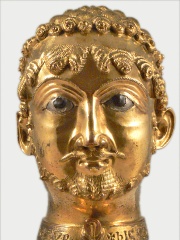
Frederick I, Holy Roman Emperor
1122 - 1190
HPI: 85.83
Rank: 111
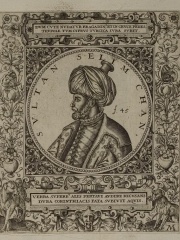
Selim II
1524 - 1574
HPI: 85.83
Rank: 112
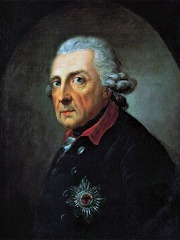
Frederick the Great
1712 - 1786
HPI: 85.80
Rank: 113
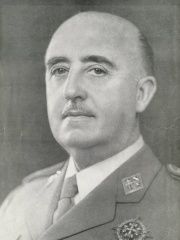
Francisco Franco
1892 - 1975
HPI: 85.72
Rank: 114
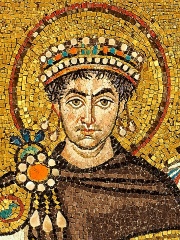
Justinian I
482 - 565
HPI: 85.69
Rank: 115
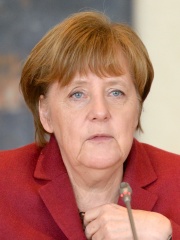
Angela Merkel
1954 - Present
HPI: 85.63
Rank: 116
Nikita Khrushchev
1894 - 1971
HPI: 85.59
Rank: 117
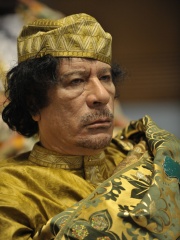
Muammar Gaddafi
1942 - 2011
HPI: 85.50
Rank: 118
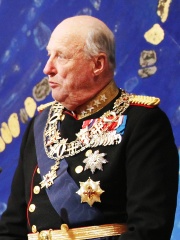
Harald V
1937 - Present
HPI: 85.45
Rank: 119
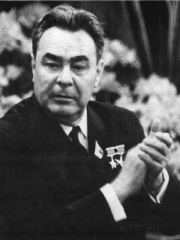
Leonid Brezhnev
1906 - 1982
HPI: 85.38
Rank: 120
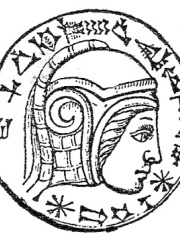
Nebuchadnezzar II
630 BC - 562 BC
HPI: 85.35
Rank: 121
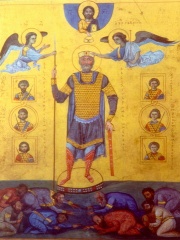
Basil II
958 - 1025
HPI: 85.33
Rank: 122
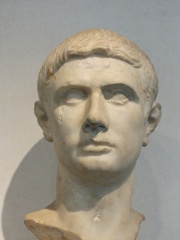
Brutus the Younger
85 BC - 42 BC
HPI: 85.32
Rank: 123

Contemporaries
Among people born in 1894, Nikita Sergejewitsch Chruschtschow ranks 2. Before him is Edward VIII. After him are Rudolf Hess, Gavrilo Princip, Aldous Huxley, Louis-Ferdinand Céline, Richard von Coudenhove-Kalergi, Georges Lemaître, Boris III of Bulgaria, Jean Renoir, Maximilian Kolbe, and John Ford. Among people deceased in 1971, Nikita Sergejewitsch Chruschtschow ranks 2. Before him is Igor Stravinsky. After him are Coco Chanel, Lawrence Bragg, Louis Armstrong, Jim Morrison, Paul Karrer, John Boyd Orr, György Lukács, Wendell Meredith Stanley, Audie Murphy, and Giorgos Seferis.
Others Born in 1894
Go to all Rankings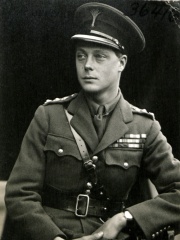
Edward VIII
POLITICIAN
1894 - 1972
HPI: 89.23
Rank: 1
Nikita Khrushchev
POLITICIAN
1894 - 1971
HPI: 85.59
Rank: 2
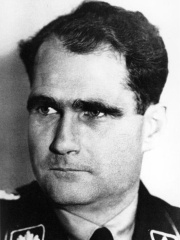
Rudolf Hess
POLITICIAN
1894 - 1987
HPI: 81.45
Rank: 3
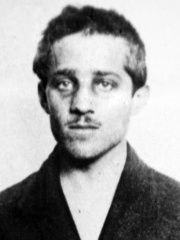
Gavrilo Princip
EXTREMIST
1894 - 1918
HPI: 80.84
Rank: 4
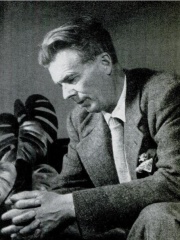
Aldous Huxley
WRITER
1894 - 1963
HPI: 78.24
Rank: 5
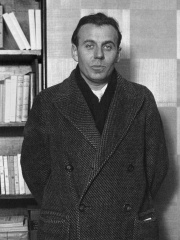
Louis-Ferdinand Céline
WRITER
1894 - 1961
HPI: 77.61
Rank: 6
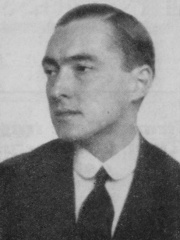
Richard von Coudenhove-Kalergi
POLITICIAN
1894 - 1972
HPI: 77.33
Rank: 7
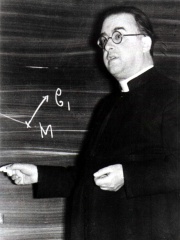
Georges Lemaître
PHYSICIST
1894 - 1966
HPI: 75.64
Rank: 8
Boris III of Bulgaria
POLITICIAN
1894 - 1943
HPI: 75.47
Rank: 9
Jean Renoir
ACTOR
1894 - 1979
HPI: 75.28
Rank: 10
Maximilian Kolbe
RELIGIOUS FIGURE
1894 - 1941
HPI: 74.97
Rank: 11
John Ford
FILM DIRECTOR
1894 - 1973
HPI: 74.91
Rank: 12
Others Deceased in 1971
Go to all Rankings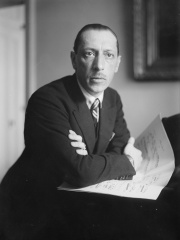
Igor Stravinsky
COMPOSER
1882 - 1971
HPI: 87.34
Rank: 1
Nikita Khrushchev
POLITICIAN
1894 - 1971
HPI: 85.59
Rank: 2
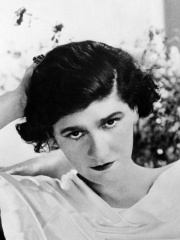
Coco Chanel
FASHION DESIGNER
1883 - 1971
HPI: 85.25
Rank: 3
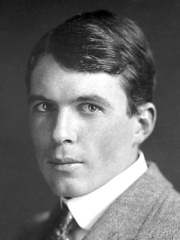
Lawrence Bragg
PHYSICIST
1890 - 1971
HPI: 82.07
Rank: 4
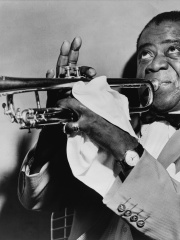
Louis Armstrong
MUSICIAN
1901 - 1971
HPI: 80.57
Rank: 5
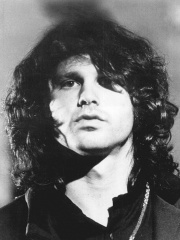
Jim Morrison
SINGER
1943 - 1971
HPI: 80.55
Rank: 6
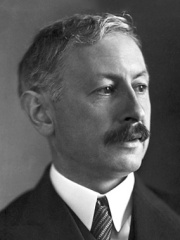
Paul Karrer
CHEMIST
1889 - 1971
HPI: 77.10
Rank: 7
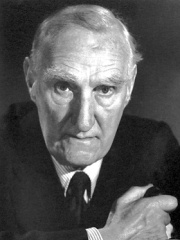
John Boyd Orr
BIOLOGIST
1880 - 1971
HPI: 76.14
Rank: 8
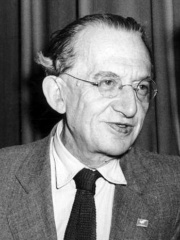
György Lukács
PHILOSOPHER
1885 - 1971
HPI: 75.73
Rank: 9
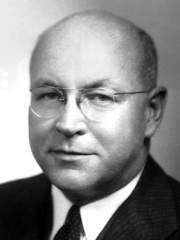
Wendell Meredith Stanley
CHEMIST
1904 - 1971
HPI: 75.30
Rank: 10
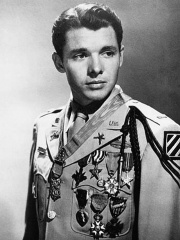
Audie Murphy
ACTOR
1925 - 1971
HPI: 74.88
Rank: 11
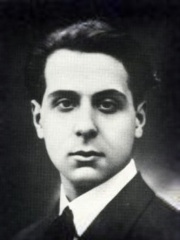
Giorgos Seferis
WRITER
1900 - 1971
HPI: 74.75
Rank: 12
In Russland
Among people born in Russland, Nikita Sergejewitsch Chruschtschow ranks 15 out of NaN. Before him are Kim Jong-il (1941), Igor Stravinsky (1882), Yuri Gagarin (1934), Dmitri Mendeleev (1834), Peter the Great (1672), and Anton Chekhov (1860). After him are Grigori Rasputin (1869), Ivan the Terrible (1530), Boris Yeltsin (1931), Alexander Pushkin (1799), Wassily Kandinsky (1866), and Ayn Rand (1905).
Others born in Russland
Go to all Rankings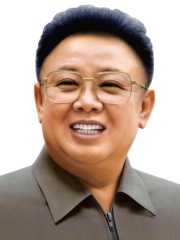
Kim Jong-il
POLITICIAN
1941 - 2011
HPI: 87.59
Rank: 9
Igor Stravinsky
COMPOSER
1882 - 1971
HPI: 87.34
Rank: 10
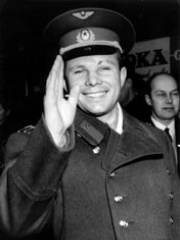
Yuri Gagarin
ASTRONAUT
1934 - 1968
HPI: 87.19
Rank: 11
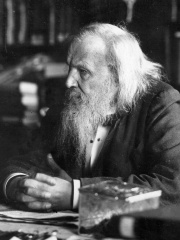
Dmitri Mendeleev
CHEMIST
1834 - 1907
HPI: 86.92
Rank: 12
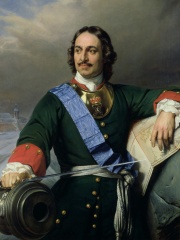
Peter the Great
POLITICIAN
1672 - 1725
HPI: 86.89
Rank: 13
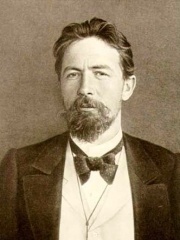
Anton Chekhov
WRITER
1860 - 1904
HPI: 86.67
Rank: 14
Nikita Khrushchev
POLITICIAN
1894 - 1971
HPI: 85.59
Rank: 15
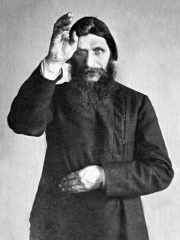
Grigori Rasputin
OCCULTIST
1869 - 1916
HPI: 85.15
Rank: 16
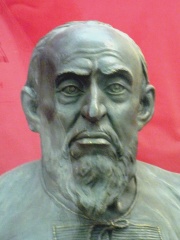
Ivan the Terrible
POLITICIAN
1530 - 1584
HPI: 84.95
Rank: 17
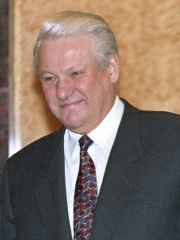
Boris Yeltsin
POLITICIAN
1931 - 2007
HPI: 84.88
Rank: 18
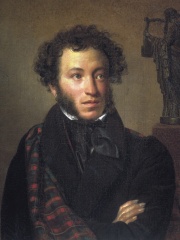
Alexander Pushkin
WRITER
1799 - 1837
HPI: 84.64
Rank: 19
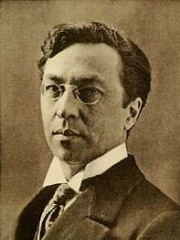
Wassily Kandinsky
PAINTER
1866 - 1944
HPI: 84.16
Rank: 20
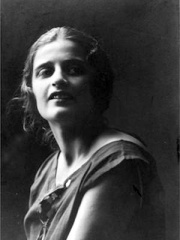
Ayn Rand
WRITER
1905 - 1982
HPI: 83.74
Rank: 21
Among Politikers In Russland
Among politikers born in Russland, Nikita Sergejewitsch Chruschtschow ranks 7. Before him are Vladimir Lenin (1870), Vladimir Putin (1952), Nicholas II of Russia (1868), Mikhail Gorbachev (1931), Kim Jong-il (1941), and Peter the Great (1672). After him are Ivan the Terrible (1530), Boris Yeltsin (1931), Yuri Andropov (1914), Alexander II of Russia (1818), Alexander III of Russia (1845), and Konstantin Chernenko (1911).
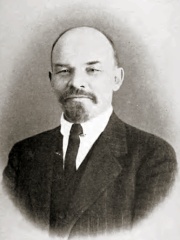
Vladimir Lenin
1870 - 1924
HPI: 91.51
Rank: 1
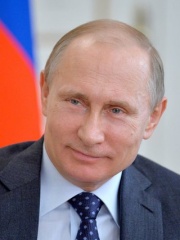
Vladimir Putin
1952 - Present
HPI: 90.03
Rank: 2
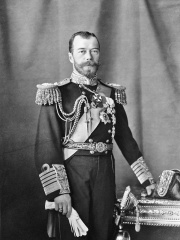
Nicholas II of Russia
1868 - 1918
HPI: 87.96
Rank: 3
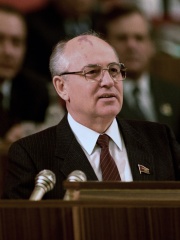
Mikhail Gorbachev
1931 - 2022
HPI: 87.63
Rank: 4
Kim Jong-il
1941 - 2011
HPI: 87.59
Rank: 5
Peter the Great
1672 - 1725
HPI: 86.89
Rank: 6
Nikita Khrushchev
1894 - 1971
HPI: 85.59
Rank: 7
Ivan the Terrible
1530 - 1584
HPI: 84.95
Rank: 8
Boris Yeltsin
1931 - 2007
HPI: 84.88
Rank: 9
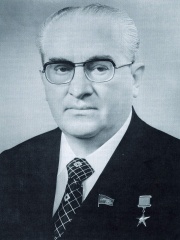
Yuri Andropov
1914 - 1984
HPI: 82.33
Rank: 10
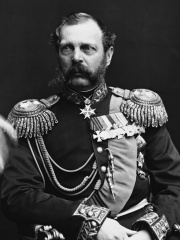
Alexander II of Russia
1818 - 1881
HPI: 82.13
Rank: 11
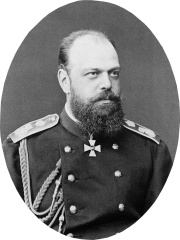
Alexander III of Russia
1845 - 1894
HPI: 81.27
Rank: 12
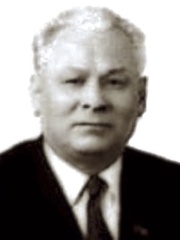
Konstantin Chernenko
1911 - 1985
HPI: 81.23
Rank: 13




