Figura religiosa
Alexius of Rome
400 - 412
VISUALIZAÇÕES EM PT.WIKIPEDIA (PV)
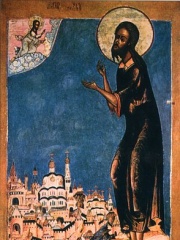
 Alexius of Rome
Sua biografia está disponível em 23 idiomas na Wikipédia. Alexius of Rome é o 686º figura religiosa mais popular (caiu do 615º em 2024), a 837ª biografia mais popular da Itália (caiu do 732ª em 2019) e o 260º figura religiosa mais popular da Itália.
Métricas de memorabilidade
100k
Visualizações
Últimos 12 meses
70.91
HPI
Índice de Popularidade Histórica
Destaques dos dados
23
A biografia de Alexius of Rome abrange 23 edições de idiomas da Wikipédia e alcança um Índice de Popularidade Histórica de 70.91.
Visualizações da página de Alexius of Rome por idioma
Entre Figura religiosa
Entre Figura religiosa, Alexius of Rome ocupa a posição 686 de 3,189. Antes dele vêm John of God, Huineng, Abu Dhar al-Ghifari, Qasim ibn Muhammad, Al-Nasa'i, e Péter Erdő. Depois dele vêm Muadh ibn Jabal, Hans Egede, Louis de Montfort, Abdullah ibn Umar, Conrad Schumann, e Empress Meishō.
Figura religiosa mais populares na Wikipédia
Ver todas as classificações

John of God
1495 - 1550
HPI: 71.02
Posição: 680
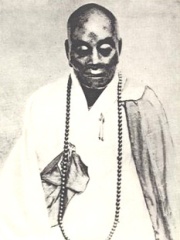
Huineng
638 - 713
HPI: 71.02
Posição: 681

Abu Dhar al-Ghifari
600 - 652
HPI: 71.01
Posição: 682

Qasim ibn Muhammad
598 - 600
HPI: 70.99
Posição: 683

Al-Nasa'i
829 - 915
HPI: 70.98
Posição: 684
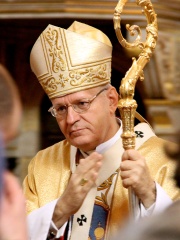
Péter Erdő
1952 - presente
HPI: 70.94
Posição: 685
Alexius of Rome
400 - 412
HPI: 70.91
Posição: 686
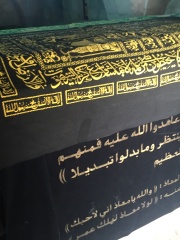
Muadh ibn Jabal
600 - 640
HPI: 70.91
Posição: 687
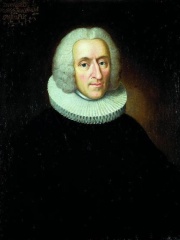
Hans Egede
1686 - 1758
HPI: 70.91
Posição: 688
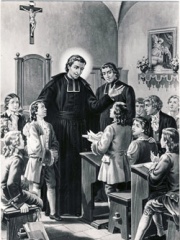
Louis de Montfort
1673 - 1716
HPI: 70.91
Posição: 689

Abdullah ibn Umar
610 - 693
HPI: 70.88
Posição: 690

Conrad Schumann
1942 - 1998
HPI: 70.88
Posição: 691

Empress Meishō
1624 - 1696
HPI: 70.84
Posição: 692

Contemporâneos
Entre as pessoas nascidas em 400, Alexius of Rome ocupa a posição 11. Antes dele vêm Merovech, Constantine III, Publius Flavius Vegetius Renatus, Vasubandhu, Olybrius, e Ermanaric. Depois dele vêm Yazdegerd I, Pelagia, Aspar, Victor, Constans II, e Eutropius. Entre as pessoas falecidas em 412, Alexius of Rome ocupa a posição 2. Antes dele vem Pope Theophilus of Alexandria. Depois dele vem Uldin.
Outras pessoas nascidas em 400
Ver todas as classificações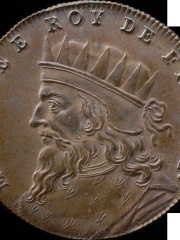
Merovech
POLITICIAN
400 - 457
HPI: 75.27
Posição: 5
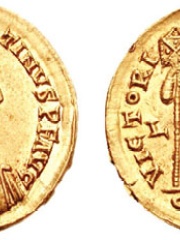
Constantine III
POLITICIAN
400 - 411
HPI: 74.79
Posição: 6
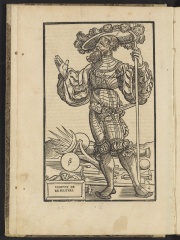
Publius Flavius Vegetius Renatus
WRITER
400 - 450
HPI: 74.64
Posição: 7

Vasubandhu
WRITER
400 - 400
HPI: 72.33
Posição: 8
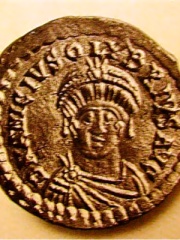
Olybrius
POLITICIAN
400 - 472
HPI: 72.19
Posição: 9

Ermanaric
POLITICIAN
400 - 376
HPI: 71.00
Posição: 10
Alexius of Rome
RELIGIOUS FIGURE
400 - 412
HPI: 70.91
Posição: 11
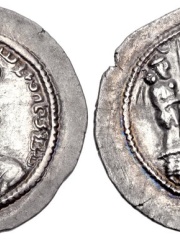
Yazdegerd I
POLITICIAN
400 - 421
HPI: 70.40
Posição: 12
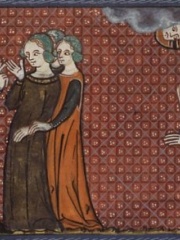
Pelagia
RELIGIOUS FIGURE
400 - 457
HPI: 70.38
Posição: 13
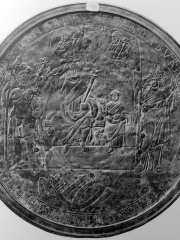
Aspar
POLITICIAN
400 - 471
HPI: 69.67
Posição: 14
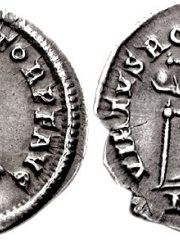
Victor
POLITICIAN
400 - 388
HPI: 69.51
Posição: 15
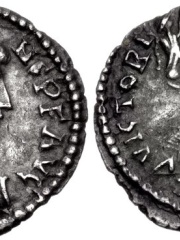
Constans II
POLITICIAN
400 - 411
HPI: 69.44
Posição: 16
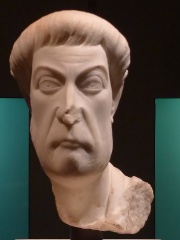
Eutropius
POLITICIAN
400 - 399
HPI: 68.95
Posição: 17
Outras pessoas falecidas em 412
Ver todas as classificações
Pope Theophilus of Alexandria
RELIGIOUS FIGURE
310 - 412
HPI: 71.21
Posição: 1
Alexius of Rome
RELIGIOUS FIGURE
400 - 412
HPI: 70.91
Posição: 2

Uldin
POLITICIAN
400 - 412
HPI: 67.69
Posição: 3
Em Itália
Entre as pessoas nascidas em Itália, Alexius of Rome ocupa a posição 837 de 5,905. Antes dele vêm Gaius Valerius Flaccus (45), Margherita of Savoy (1851), Alessandro Algardi (1595), Curzio Malaparte (1898), Jacopo Bassano (1510), e Carlo Gozzi (1720). Depois dele vêm Flavio Briatore (1950), Maria Goretti (1890), Bartolommeo Bandinelli (1488), Andrea Pozzo (1642), François Grimaldi (1201), e Federico da Montefeltro (1422).
Outras pessoas nascidas em Itália
Ver todas as classificações
Gaius Valerius Flaccus
WRITER
45 - 95
HPI: 70.97
Posição: 831
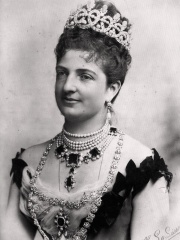
Margherita of Savoy
COMPANION
1851 - 1926
HPI: 70.97
Posição: 832
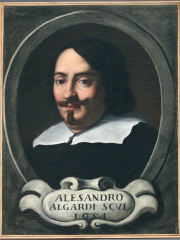
Alessandro Algardi
SCULPTOR
1595 - 1654
HPI: 70.95
Posição: 833
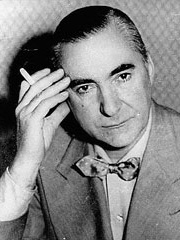
Curzio Malaparte
WRITER
1898 - 1957
HPI: 70.95
Posição: 834
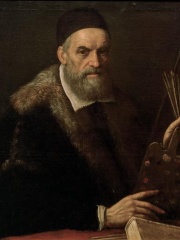
Jacopo Bassano
PAINTER
1510 - 1592
HPI: 70.92
Posição: 835
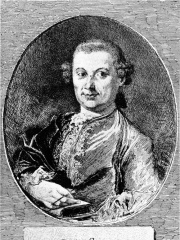
Carlo Gozzi
WRITER
1720 - 1806
HPI: 70.91
Posição: 836
Alexius of Rome
RELIGIOUS FIGURE
400 - 412
HPI: 70.91
Posição: 837
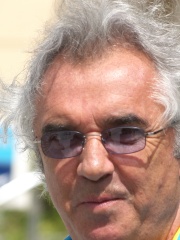
Flavio Briatore
BUSINESSPERSON
1950 - presente
HPI: 70.91
Posição: 838

Maria Goretti
NOBLEMAN
1890 - 1902
HPI: 70.90
Posição: 839
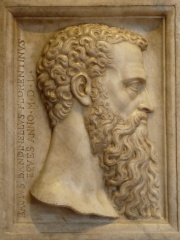
Bartolommeo Bandinelli
PAINTER
1488 - 1560
HPI: 70.88
Posição: 840
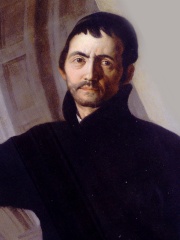
Andrea Pozzo
PAINTER
1642 - 1709
HPI: 70.88
Posição: 841
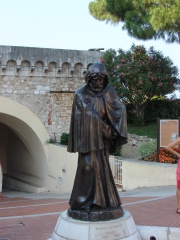
François Grimaldi
POLITICIAN
1201 - 1309
HPI: 70.87
Posição: 842
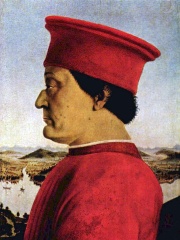
Federico da Montefeltro
MILITARY PERSONNEL
1422 - 1482
HPI: 70.86
Posição: 843
Entre Figura religiosa em Itália
Entre Figura religiosa nascidos em Itália, Alexius of Rome ocupa a posição 260. Antes dele vêm Jacobus da Varagine (1228), Angela Merici (1474), Peter Lombard (1096), Tarcisius (263), Saint Eustace (10), e Scholastica (480). Depois dele vêm Antipope Felix II (300), Giulia Farnese (1474), Joseph of Cupertino (1603), Silas (1), Angelo Scola (1941), e Matteo Zuppi (1955).
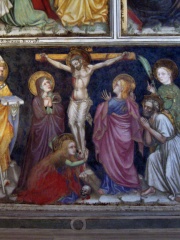
Jacobus da Varagine
1228 - 1298
HPI: 71.86
Posição: 254
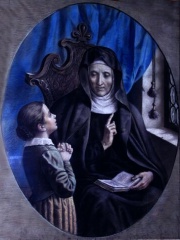
Angela Merici
1474 - 1540
HPI: 71.57
Posição: 255
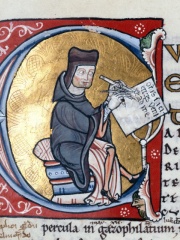
Peter Lombard
1096 - 1160
HPI: 71.43
Posição: 256
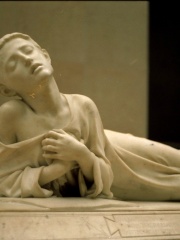
Tarcisius
263 - 275
HPI: 71.27
Posição: 257
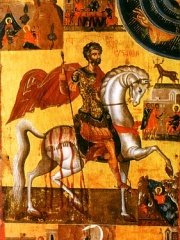
Saint Eustace
10 - 118
HPI: 71.24
Posição: 258
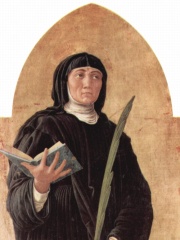
Scholastica
480 - 547
HPI: 71.18
Posição: 259
Alexius of Rome
400 - 412
HPI: 70.91
Posição: 260
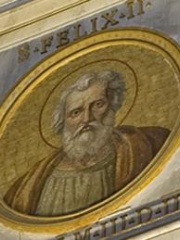
Antipope Felix II
300 - 365
HPI: 70.65
Posição: 261
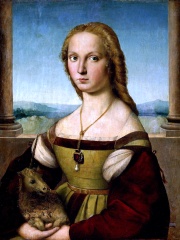
Giulia Farnese
1474 - 1524
HPI: 70.60
Posição: 262

Joseph of Cupertino
1603 - 1663
HPI: 70.52
Posição: 263

Silas
1 - 100
HPI: 70.37
Posição: 264
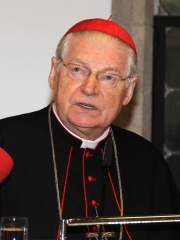
Angelo Scola
1941 - presente
HPI: 70.24
Posição: 265
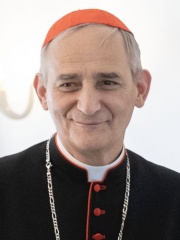
Matteo Zuppi
1955 - presente
HPI: 70.05
Posição: 266




