شخصية دينية
Alexius of Rome
400 - 412
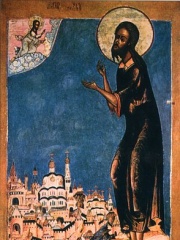
 Alexius of Rome
سيرته الذاتية متاحة بـ23 لغة مختلفة على ويكيبيديا. يحتل Alexius of Rome المرتبة 686 بين أكثر شخصية دينية شعبيةً (تراجعًا من 615 في 2024)، والمرتبة 837 بين أكثر السير الذاتية شعبيةً في إيطاليا (تراجعًا من 732 في 2019)، كما يحتل المرتبة 260 بين أكثر شخصية دينية من إيطاليا شعبيةً.
مقاييس الشهرة
100k
مشاهدات الصفحة
آخر 12 شهرًا
70.91
HPI
مؤشر الشعبية التاريخية
رؤى من البيانات
23
تمتد سيرة Alexius of Rome عبر 23 نسخة لغوية من ويكيبيديا وتبلغ قيمة مؤشر الشعبية التاريخية 70.91.
مشاهدات صفحة Alexius of Rome حسب اللغة
من بين شخصية دينية
من بين شخصية دينية، يحتل Alexius of Rome المرتبة 686 من أصل 3,189. قبله يأتي John of God, Huineng, Abu Dhar al-Ghifari, Qasim ibn Muhammad, Al-Nasa'i, وPéter Erdő. بعده يأتي Muadh ibn Jabal, Hans Egede, Louis de Montfort, Abdullah ibn Umar, Conrad Schumann, وEmpress Meishō.
أشهر شخصية دينية على ويكيبيديا
عرض جميع التصنيفات

John of God
1495 - 1550
HPI: 71.02
المرتبة: 680
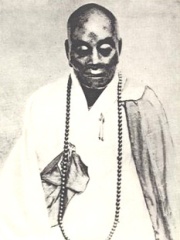
Huineng
638 - 713
HPI: 71.02
المرتبة: 681

Abu Dhar al-Ghifari
600 - 652
HPI: 71.01
المرتبة: 682

Qasim ibn Muhammad
598 - 600
HPI: 70.99
المرتبة: 683

Al-Nasa'i
829 - 915
HPI: 70.98
المرتبة: 684
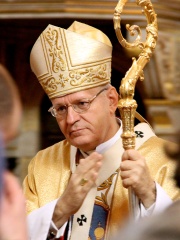
Péter Erdő
1952 - حتى الآن
HPI: 70.94
المرتبة: 685
Alexius of Rome
400 - 412
HPI: 70.91
المرتبة: 686
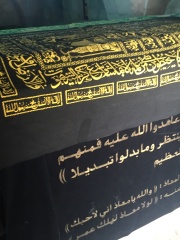
Muadh ibn Jabal
600 - 640
HPI: 70.91
المرتبة: 687
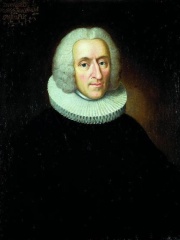
Hans Egede
1686 - 1758
HPI: 70.91
المرتبة: 688
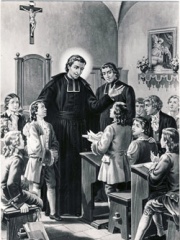
Louis de Montfort
1673 - 1716
HPI: 70.91
المرتبة: 689

Abdullah ibn Umar
610 - 693
HPI: 70.88
المرتبة: 690

Conrad Schumann
1942 - 1998
HPI: 70.88
المرتبة: 691

Empress Meishō
1624 - 1696
HPI: 70.84
المرتبة: 692

معاصرون
من بين المولودين في عام 400، يحتل Alexius of Rome المرتبة 11. قبله يأتي Merovech, Constantine III, Publius Flavius Vegetius Renatus, Vasubandhu, Olybrius, وErmanaric. بعده يأتي Yazdegerd I, Pelagia, Aspar, Victor, Constans II, وEutropius. من بين المتوفين في عام 412، يحتل Alexius of Rome المرتبة 2. قبله يأتي Pope Theophilus of Alexandria. بعده يأتي Uldin.
آخرون وُلدوا في عام 400
عرض جميع التصنيفات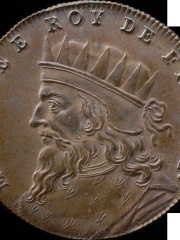
Merovech
POLITICIAN
400 - 457
HPI: 75.27
المرتبة: 5
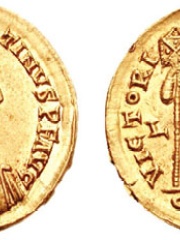
Constantine III
POLITICIAN
400 - 411
HPI: 74.79
المرتبة: 6
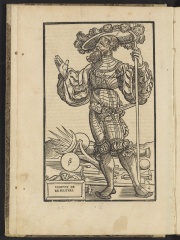
Publius Flavius Vegetius Renatus
WRITER
400 - 450
HPI: 74.64
المرتبة: 7

Vasubandhu
WRITER
400 - 400
HPI: 72.33
المرتبة: 8
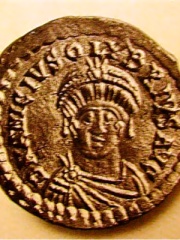
Olybrius
POLITICIAN
400 - 472
HPI: 72.19
المرتبة: 9

Ermanaric
POLITICIAN
400 - 376
HPI: 71.00
المرتبة: 10
Alexius of Rome
RELIGIOUS FIGURE
400 - 412
HPI: 70.91
المرتبة: 11
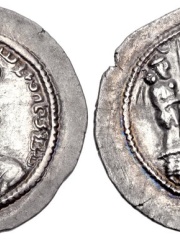
Yazdegerd I
POLITICIAN
400 - 421
HPI: 70.40
المرتبة: 12
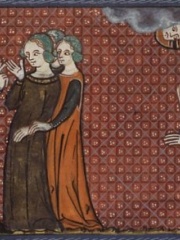
Pelagia
RELIGIOUS FIGURE
400 - 457
HPI: 70.38
المرتبة: 13
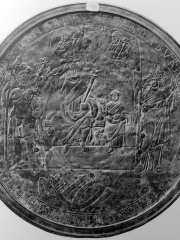
Aspar
POLITICIAN
400 - 471
HPI: 69.67
المرتبة: 14
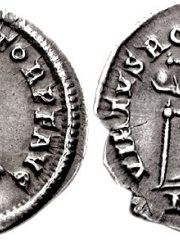
Victor
POLITICIAN
400 - 388
HPI: 69.51
المرتبة: 15
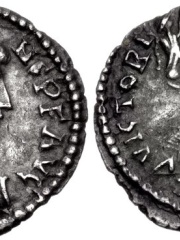
Constans II
POLITICIAN
400 - 411
HPI: 69.44
المرتبة: 16
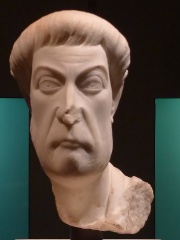
Eutropius
POLITICIAN
400 - 399
HPI: 68.95
المرتبة: 17
آخرون توفوا في عام 412
عرض جميع التصنيفات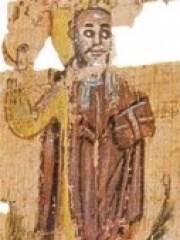
Pope Theophilus of Alexandria
RELIGIOUS FIGURE
310 - 412
HPI: 71.21
المرتبة: 1
Alexius of Rome
RELIGIOUS FIGURE
400 - 412
HPI: 70.91
المرتبة: 2

Uldin
POLITICIAN
400 - 412
HPI: 67.69
المرتبة: 3
في إيطاليا
من بين المولودين في إيطاليا، يحتل Alexius of Rome المرتبة 837 من أصل 5,905. قبله يأتي Gaius Valerius Flaccus (45), Margherita of Savoy (1851), Alessandro Algardi (1595), Curzio Malaparte (1898), Jacopo Bassano (1510), وCarlo Gozzi (1720). بعده يأتي Flavio Briatore (1950), Maria Goretti (1890), Bartolommeo Bandinelli (1488), Andrea Pozzo (1642), François Grimaldi (1201), وFederico da Montefeltro (1422).
آخرون وُلدوا في إيطاليا
عرض جميع التصنيفات
Gaius Valerius Flaccus
WRITER
45 - 95
HPI: 70.97
المرتبة: 831
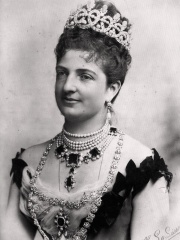
Margherita of Savoy
COMPANION
1851 - 1926
HPI: 70.97
المرتبة: 832
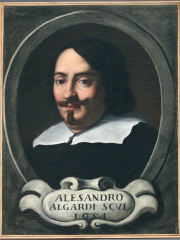
Alessandro Algardi
SCULPTOR
1595 - 1654
HPI: 70.95
المرتبة: 833
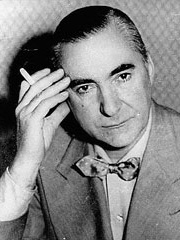
Curzio Malaparte
WRITER
1898 - 1957
HPI: 70.95
المرتبة: 834

Jacopo Bassano
PAINTER
1510 - 1592
HPI: 70.92
المرتبة: 835
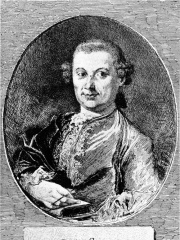
Carlo Gozzi
WRITER
1720 - 1806
HPI: 70.91
المرتبة: 836
Alexius of Rome
RELIGIOUS FIGURE
400 - 412
HPI: 70.91
المرتبة: 837
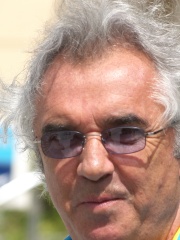
Flavio Briatore
BUSINESSPERSON
1950 - حتى الآن
HPI: 70.91
المرتبة: 838

Maria Goretti
NOBLEMAN
1890 - 1902
HPI: 70.90
المرتبة: 839
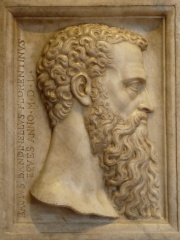
Bartolommeo Bandinelli
PAINTER
1488 - 1560
HPI: 70.88
المرتبة: 840
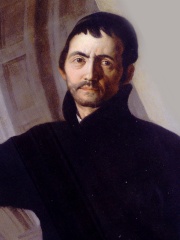
Andrea Pozzo
PAINTER
1642 - 1709
HPI: 70.88
المرتبة: 841
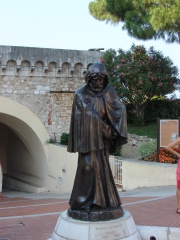
François Grimaldi
POLITICIAN
1201 - 1309
HPI: 70.87
المرتبة: 842
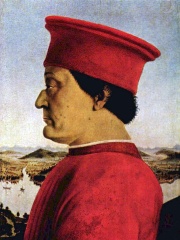
Federico da Montefeltro
MILITARY PERSONNEL
1422 - 1482
HPI: 70.86
المرتبة: 843
من بين شخصية دينية في إيطاليا
من بين شخصية دينية المولودين في إيطاليا، يحتل Alexius of Rome المرتبة 260. قبله يأتي Jacobus da Varagine (1228), Angela Merici (1474), Peter Lombard (1096), Tarcisius (263), Saint Eustace (10), وScholastica (480). بعده يأتي Antipope Felix II (300), Giulia Farnese (1474), Joseph of Cupertino (1603), Silas (1), Angelo Scola (1941), وMatteo Zuppi (1955).
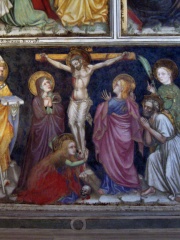
Jacobus da Varagine
1228 - 1298
HPI: 71.86
المرتبة: 254
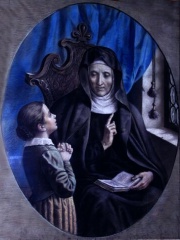
Angela Merici
1474 - 1540
HPI: 71.57
المرتبة: 255
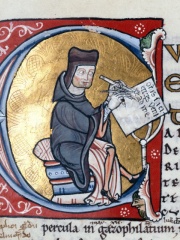
Peter Lombard
1096 - 1160
HPI: 71.43
المرتبة: 256
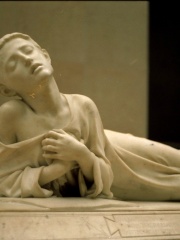
Tarcisius
263 - 275
HPI: 71.27
المرتبة: 257
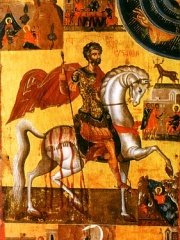
Saint Eustace
10 - 118
HPI: 71.24
المرتبة: 258
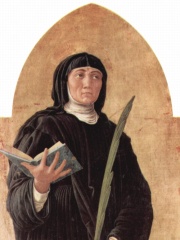
Scholastica
480 - 547
HPI: 71.18
المرتبة: 259
Alexius of Rome
400 - 412
HPI: 70.91
المرتبة: 260
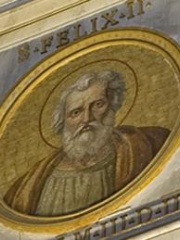
Antipope Felix II
300 - 365
HPI: 70.65
المرتبة: 261
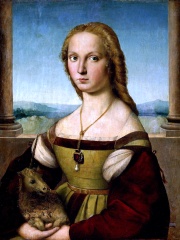
Giulia Farnese
1474 - 1524
HPI: 70.60
المرتبة: 262

Joseph of Cupertino
1603 - 1663
HPI: 70.52
المرتبة: 263

Silas
1 - 100
HPI: 70.37
المرتبة: 264
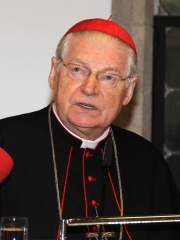
Angelo Scola
1941 - حتى الآن
HPI: 70.24
المرتبة: 265
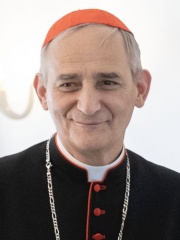
Matteo Zuppi
1955 - حتى الآن
HPI: 70.05
المرتبة: 266




