Político
Aspar
400 - 471
VISUALIZAÇÕES EM PT.WIKIPEDIA (PV)
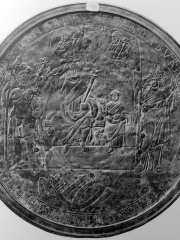
 Aspar
Aspar
Sua biografia está disponível em 36 idiomas na Wikipédia. Aspar é o 3045º político mais popular (caiu do 2298º em 2024), a 345ª biografia mais popular da Turquia (caiu do 277ª em 2019) e o 184º político mais popular da Turquia.
Métricas de memorabilidade
61k
Visualizações
Últimos 12 meses
69.67
HPI
Índice de Popularidade Histórica
Destaques dos dados
Visualizações da página de Aspar por idioma
Entre Político
Entre Político, Aspar ocupa a posição 3,044 de 20,022. Antes dele vêm Violant of Hungary, Ibrahim Boubacar Keïta, Louis-Eugène Cavaignac, Gaius Julius Vindex, Antiochus VII Sidetes, e Aleksandar Ranković. Depois dele vêm Senusret II, John Sparrow David Thompson, La Malinche, Fernando Henrique Cardoso, Sargon I, e Hyejong of Goryeo.
Político mais populares na Wikipédia
Ver todas as classificações
Violant of Hungary
1215 - 1253
HPI: 69.68
Posição: 3,039
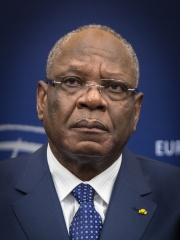
Ibrahim Boubacar Keïta
1945 - 2022
HPI: 69.68
Posição: 3,040
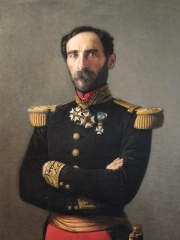
Louis-Eugène Cavaignac
1802 - 1857
HPI: 69.68
Posição: 3,041
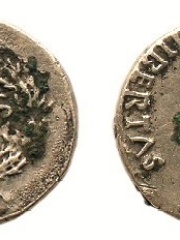
Gaius Julius Vindex
25 - 68
HPI: 69.67
Posição: 3,042
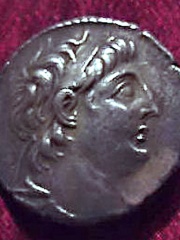
Antiochus VII Sidetes
159 BC - 129 BC
HPI: 69.67
Posição: 3,043
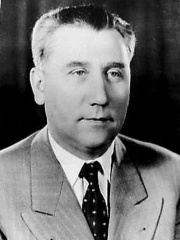
Aleksandar Ranković
1909 - 1983
HPI: 69.67
Posição: 3,044
Aspar
400 - 471
HPI: 69.67
Posição: 3,045
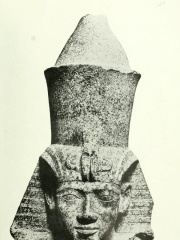
Senusret II
1900 BC - 1879 BC
HPI: 69.66
Posição: 3,046
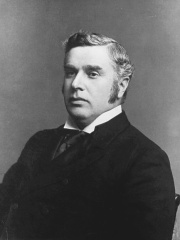
John Sparrow David Thompson
1845 - 1894
HPI: 69.66
Posição: 3,047
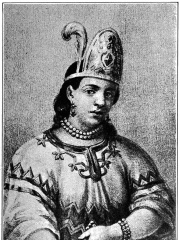
La Malinche
1502 - 1529
HPI: 69.65
Posição: 3,048

Fernando Henrique Cardoso
1931 - presente
HPI: 69.65
Posição: 3,049
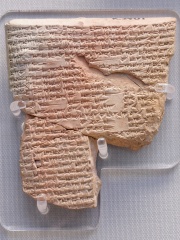
Sargon I
1900 BC - 1900 BC
HPI: 69.65
Posição: 3,050

Hyejong of Goryeo
912 - 945
HPI: 69.65
Posição: 3,051

Contemporâneos
Entre as pessoas nascidas em 400, Aspar ocupa a posição 14. Antes dele vêm Vasubandhu, Olybrius, Ermanaric, Alexius of Rome, Yazdegerd I, e Pelagia. Depois dele vêm Victor, Constans II, Eutropius, Fritigern, Marcomer, e Servatius of Tongeren. Entre as pessoas falecidas em 471, Aspar ocupa a posição 2. Antes dele vem Priscus. Depois dele vêm Eudocia, Ardabur, e Gennadius of Constantinople.
Outras pessoas nascidas em 400
Ver todas as classificações
Vasubandhu
WRITER
400 - 400
HPI: 72.33
Posição: 8
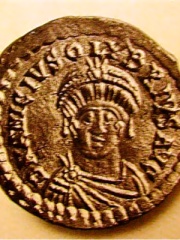
Olybrius
POLITICIAN
400 - 472
HPI: 72.19
Posição: 9
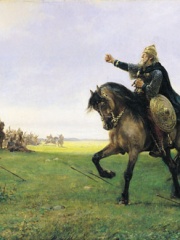
Ermanaric
POLITICIAN
400 - 376
HPI: 71.00
Posição: 10
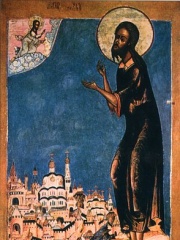
Alexius of Rome
RELIGIOUS FIGURE
400 - 412
HPI: 70.91
Posição: 11
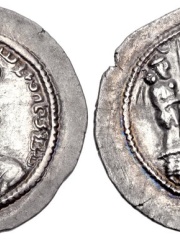
Yazdegerd I
POLITICIAN
400 - 421
HPI: 70.40
Posição: 12

Pelagia
RELIGIOUS FIGURE
400 - 457
HPI: 70.38
Posição: 13
Aspar
POLITICIAN
400 - 471
HPI: 69.67
Posição: 14
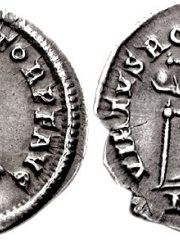
Victor
POLITICIAN
400 - 388
HPI: 69.51
Posição: 15
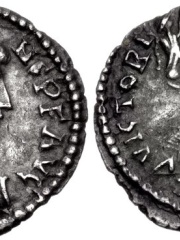
Constans II
POLITICIAN
400 - 411
HPI: 69.44
Posição: 16
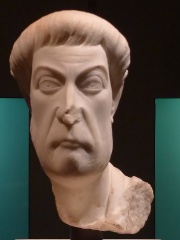
Eutropius
POLITICIAN
400 - 399
HPI: 68.95
Posição: 17

Fritigern
POLITICIAN
400 - 380
HPI: 68.74
Posição: 18

Marcomer
POLITICIAN
400 - 392
HPI: 68.67
Posição: 19
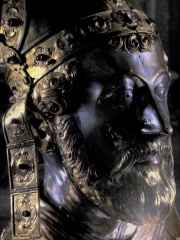
Servatius of Tongeren
RELIGIOUS FIGURE
400 - 384
HPI: 68.63
Posição: 20
Outras pessoas falecidas em 471
Ver todas as classificações
Priscus
PHILOSOPHER
410 - 471
HPI: 71.23
Posição: 1
Aspar
POLITICIAN
400 - 471
HPI: 69.67
Posição: 2

Eudocia
COMPANION
439 - 471
HPI: 64.55
Posição: 3
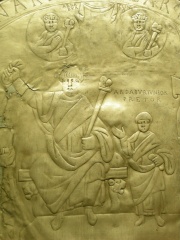
Ardabur
POLITICIAN
HPI: 61.27
Posição: 4
Gennadius of Constantinople
RELIGIOUS FIGURE
458 - 471
HPI: 57.50
Posição: 5
Em Turquia
Entre as pessoas nascidas em Turquia, Aspar ocupa a posição 345 de 1,732. Antes dele vêm Candaules (-800), Nikephoros I of Constantinople (758), Gülfem Hatun (1500), Antiochus VII Sidetes (-159), Gregory Thaumaturgus (213), e Expeditus (300). Depois dele vêm Tribonian (475), Bar Hebraeus (1226), Komitas (1869), Theodoret (393), Apollinaris of Ravenna (101), e Eutychius of Constantinople (512).
Outras pessoas nascidas em Turquia
Ver todas as classificações
Candaules
POLITICIAN
800 BC - 760 BC
HPI: 69.72
Posição: 339
Nikephoros I of Constantinople
RELIGIOUS FIGURE
758 - 828
HPI: 69.71
Posição: 340

Gülfem Hatun
COMPANION
1500 - 1561
HPI: 69.70
Posição: 341
Antiochus VII Sidetes
POLITICIAN
159 BC - 129 BC
HPI: 69.67
Posição: 342
Gregory Thaumaturgus
RELIGIOUS FIGURE
213 - 270
HPI: 69.67
Posição: 343
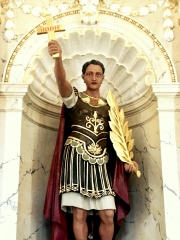
Expeditus
RELIGIOUS FIGURE
300 - 303
HPI: 69.67
Posição: 344
Aspar
POLITICIAN
400 - 471
HPI: 69.67
Posição: 345
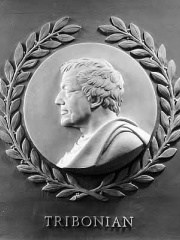
Tribonian
LAWYER
475 - 542
HPI: 69.64
Posição: 346

Bar Hebraeus
WRITER
1226 - 1286
HPI: 69.57
Posição: 347
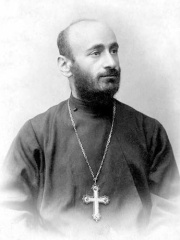
Komitas
COMPOSER
1869 - 1935
HPI: 69.51
Posição: 348
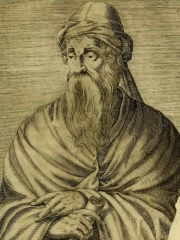
Theodoret
WRITER
393 - 458
HPI: 69.51
Posição: 349

Apollinaris of Ravenna
RELIGIOUS FIGURE
101 - 75
HPI: 69.51
Posição: 350
Eutychius of Constantinople
RELIGIOUS FIGURE
512 - 582
HPI: 69.51
Posição: 351
Entre Político em Turquia
Entre Político nascidos em Turquia, Aspar ocupa a posição 184. Antes dele vêm Eumenes II (-221), Aristagoras (-600), Seleucus IV Philopator (-217), Thomas Palaiologos (1409), Candaules (-800), e Antiochus VII Sidetes (-159). Depois dele vêm David of Trebizond (1408), Ptolemy Philadelphus (-36), Chryseis (null), Köprülüzade Fazıl Ahmed Pasha (1635), Fatma Sultan (1605), e Alexander Ypsilantis (1792).
Eumenes II
221 BC - 159 BC
HPI: 69.91
Posição: 178
Aristagoras
600 BC - 497 BC
HPI: 69.85
Posição: 179
Seleucus IV Philopator
217 BC - 175 BC
HPI: 69.85
Posição: 180
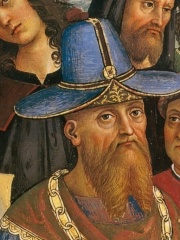
Thomas Palaiologos
1409 - 1465
HPI: 69.82
Posição: 181
Candaules
800 BC - 760 BC
HPI: 69.72
Posição: 182
Antiochus VII Sidetes
159 BC - 129 BC
HPI: 69.67
Posição: 183
Aspar
400 - 471
HPI: 69.67
Posição: 184
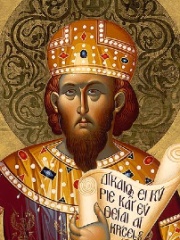
David of Trebizond
1408 - 1463
HPI: 69.51
Posição: 185

Ptolemy Philadelphus
36 BC - 29 BC
HPI: 69.43
Posição: 186

Chryseis
HPI: 69.16
Posição: 187
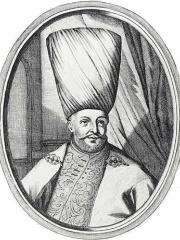
Köprülüzade Fazıl Ahmed Pasha
1635 - 1676
HPI: 69.11
Posição: 188
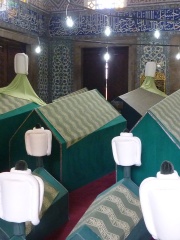
Fatma Sultan
1605 - 1667
HPI: 69.08
Posição: 189
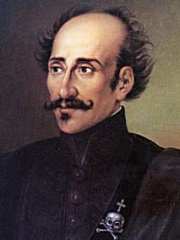
Alexander Ypsilantis
1792 - 1828
HPI: 69.06
Posição: 190




