Figura religiosa
Alexius of Rome
400 - 412
VISUALIZZAZIONI SU IT.WIKIPEDIA (PV)
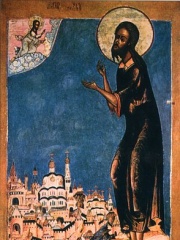
 Alexius of Rome
La sua biografia è disponibile in 23 lingue su Wikipedia. Alexius of Rome è il 686° figura religiosa più popolare (in calo dal 615° nel 2024), la 837ª biografia più popolare dell'Italia (in calo dal 732ª nel 2019) e il 260° figura religiosa più popolare dell'Italia.
Metriche di memorabilità
100k
Visualizzazioni
Ultimi 12 mesi
70.91
HPI
Indice di popolarità storica
Dati in evidenza
23
La biografia di Alexius of Rome copre 23 edizioni linguistiche di Wikipedia e ottiene un Indice di Popolarità Storica di 70.91.
Visualizzazioni della pagina di Alexius of Rome per lingua
Tra Figura religiosa
Tra Figura religiosa, Alexius of Rome occupa la posizione 686 su 3,189. Prima di lui ci sono John of God, Huineng, Abu Dhar al-Ghifari, Qasim ibn Muhammad, Al-Nasa'i, e Péter Erdő. Dopo di lui ci sono Muadh ibn Jabal, Hans Egede, Louis de Montfort, Abdullah ibn Umar, Conrad Schumann, e Empress Meishō.
Figura religiosa più popolari su Wikipedia
Vai a tutte le classifiche

John of God
1495 - 1550
HPI: 71.02
Posizione: 680
Huineng
638 - 713
HPI: 71.02
Posizione: 681

Abu Dhar al-Ghifari
600 - 652
HPI: 71.01
Posizione: 682

Qasim ibn Muhammad
598 - 600
HPI: 70.99
Posizione: 683

Al-Nasa'i
829 - 915
HPI: 70.98
Posizione: 684
Péter Erdő
1952 - presente
HPI: 70.94
Posizione: 685
Alexius of Rome
400 - 412
HPI: 70.91
Posizione: 686
Muadh ibn Jabal
600 - 640
HPI: 70.91
Posizione: 687
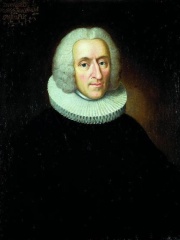
Hans Egede
1686 - 1758
HPI: 70.91
Posizione: 688
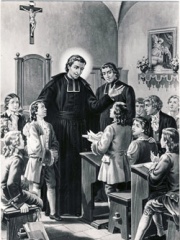
Louis de Montfort
1673 - 1716
HPI: 70.91
Posizione: 689

Abdullah ibn Umar
610 - 693
HPI: 70.88
Posizione: 690

Conrad Schumann
1942 - 1998
HPI: 70.88
Posizione: 691

Empress Meishō
1624 - 1696
HPI: 70.84
Posizione: 692

Contemporanei
Tra le persone nate nel 400, Alexius of Rome occupa la posizione 11. Prima di lui ci sono Merovech, Constantine III, Publius Flavius Vegetius Renatus, Vasubandhu, Olybrius, e Ermanaric. Dopo di lui ci sono Yazdegerd I, Pelagia, Aspar, Victor, Constans II, e Eutropius. Tra le persone decedute nel 412, Alexius of Rome occupa la posizione 2. Prima di lui c'è Pope Theophilus of Alexandria. Dopo di lui c'è Uldin.
Altre persone nate nel 400
Vai a tutte le classifiche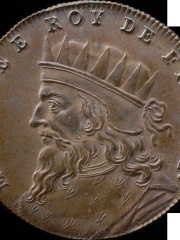
Merovech
POLITICIAN
400 - 457
HPI: 75.27
Posizione: 5
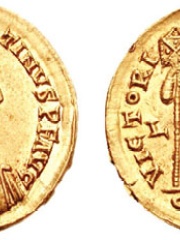
Constantine III
POLITICIAN
400 - 411
HPI: 74.79
Posizione: 6
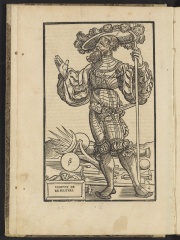
Publius Flavius Vegetius Renatus
WRITER
400 - 450
HPI: 74.64
Posizione: 7

Vasubandhu
WRITER
400 - 400
HPI: 72.33
Posizione: 8
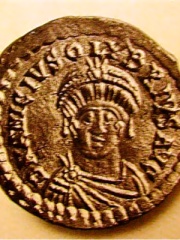
Olybrius
POLITICIAN
400 - 472
HPI: 72.19
Posizione: 9

Ermanaric
POLITICIAN
400 - 376
HPI: 71.00
Posizione: 10
Alexius of Rome
RELIGIOUS FIGURE
400 - 412
HPI: 70.91
Posizione: 11
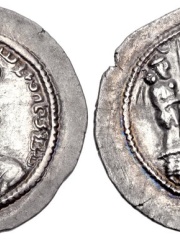
Yazdegerd I
POLITICIAN
400 - 421
HPI: 70.40
Posizione: 12

Pelagia
RELIGIOUS FIGURE
400 - 457
HPI: 70.38
Posizione: 13
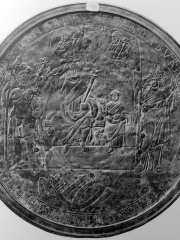
Aspar
POLITICIAN
400 - 471
HPI: 69.67
Posizione: 14
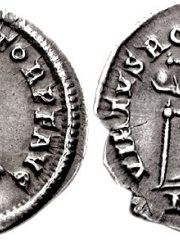
Victor
POLITICIAN
400 - 388
HPI: 69.51
Posizione: 15
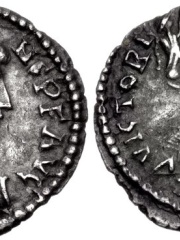
Constans II
POLITICIAN
400 - 411
HPI: 69.44
Posizione: 16
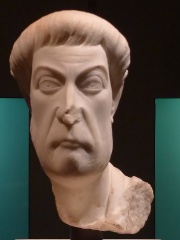
Eutropius
POLITICIAN
400 - 399
HPI: 68.95
Posizione: 17
Altre persone decedute nel 412
Vai a tutte le classifiche
Pope Theophilus of Alexandria
RELIGIOUS FIGURE
310 - 412
HPI: 71.21
Posizione: 1
Alexius of Rome
RELIGIOUS FIGURE
400 - 412
HPI: 70.91
Posizione: 2

Uldin
POLITICIAN
400 - 412
HPI: 67.69
Posizione: 3
In Italia
Tra le persone nate in Italia, Alexius of Rome occupa la posizione 837 su 5,905. Prima di lui ci sono Gaius Valerius Flaccus (45), Margherita of Savoy (1851), Alessandro Algardi (1595), Curzio Malaparte (1898), Jacopo Bassano (1510), e Carlo Gozzi (1720). Dopo di lui ci sono Flavio Briatore (1950), Maria Goretti (1890), Bartolommeo Bandinelli (1488), Andrea Pozzo (1642), François Grimaldi (1201), e Federico da Montefeltro (1422).
Altre persone nate in Italia
Vai a tutte le classifiche
Gaius Valerius Flaccus
WRITER
45 - 95
HPI: 70.97
Posizione: 831
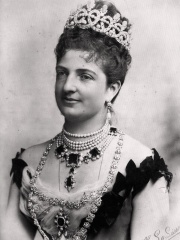
Margherita of Savoy
COMPANION
1851 - 1926
HPI: 70.97
Posizione: 832
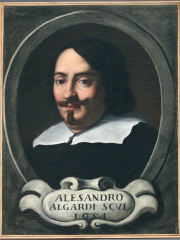
Alessandro Algardi
SCULPTOR
1595 - 1654
HPI: 70.95
Posizione: 833
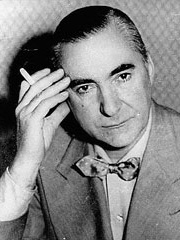
Curzio Malaparte
WRITER
1898 - 1957
HPI: 70.95
Posizione: 834

Jacopo Bassano
PAINTER
1510 - 1592
HPI: 70.92
Posizione: 835
Carlo Gozzi
WRITER
1720 - 1806
HPI: 70.91
Posizione: 836
Alexius of Rome
RELIGIOUS FIGURE
400 - 412
HPI: 70.91
Posizione: 837
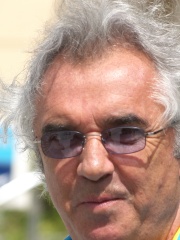
Flavio Briatore
BUSINESSPERSON
1950 - presente
HPI: 70.91
Posizione: 838

Maria Goretti
NOBLEMAN
1890 - 1902
HPI: 70.90
Posizione: 839
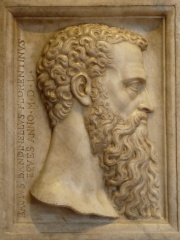
Bartolommeo Bandinelli
PAINTER
1488 - 1560
HPI: 70.88
Posizione: 840
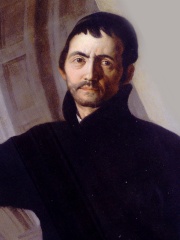
Andrea Pozzo
PAINTER
1642 - 1709
HPI: 70.88
Posizione: 841
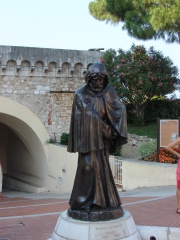
François Grimaldi
POLITICIAN
1201 - 1309
HPI: 70.87
Posizione: 842
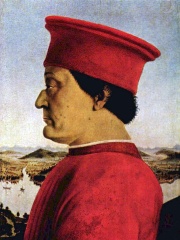
Federico da Montefeltro
MILITARY PERSONNEL
1422 - 1482
HPI: 70.86
Posizione: 843
Tra Figura religiosa in Italia
Tra Figura religiosa nati in Italia, Alexius of Rome occupa la posizione 260. Prima di lui ci sono Jacobus da Varagine (1228), Angela Merici (1474), Peter Lombard (1096), Tarcisius (263), Saint Eustace (10), e Scholastica (480). Dopo di lui ci sono Antipope Felix II (300), Giulia Farnese (1474), Joseph of Cupertino (1603), Silas (1), Angelo Scola (1941), e Matteo Zuppi (1955).
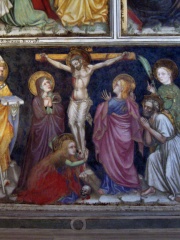
Jacobus da Varagine
1228 - 1298
HPI: 71.86
Posizione: 254

Angela Merici
1474 - 1540
HPI: 71.57
Posizione: 255

Peter Lombard
1096 - 1160
HPI: 71.43
Posizione: 256
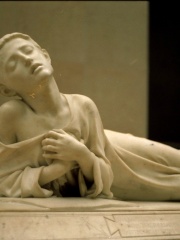
Tarcisius
263 - 275
HPI: 71.27
Posizione: 257
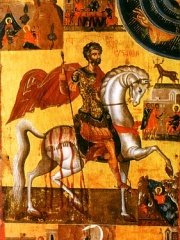
Saint Eustace
10 - 118
HPI: 71.24
Posizione: 258
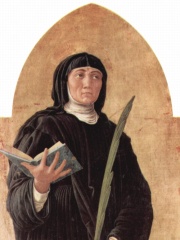
Scholastica
480 - 547
HPI: 71.18
Posizione: 259
Alexius of Rome
400 - 412
HPI: 70.91
Posizione: 260
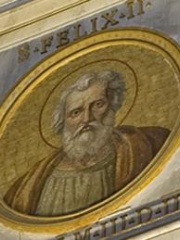
Antipope Felix II
300 - 365
HPI: 70.65
Posizione: 261
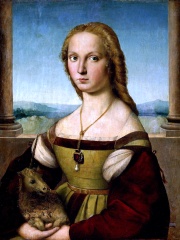
Giulia Farnese
1474 - 1524
HPI: 70.60
Posizione: 262

Joseph of Cupertino
1603 - 1663
HPI: 70.52
Posizione: 263

Silas
1 - 100
HPI: 70.37
Posizione: 264
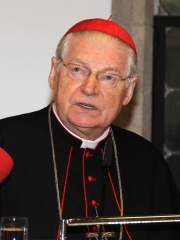
Angelo Scola
1941 - presente
HPI: 70.24
Posizione: 265
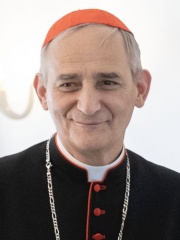
Matteo Zuppi
1955 - presente
HPI: 70.05
Posizione: 266




