Militärangehöriger
Thrasybulus
440 BC - 389 BC
DE.WIKIPEDIA PAGE VIEWS (PV)

 Thrasybulus
Seine Biografie ist in 28 verschiedenen Sprachen auf Wikipedia verfügbar (gestiegen von 27 im Jahr 2024). Thrasybulus ist der 443rd beliebteste Militärangehöriger (gesunken vom 321st im Jahr 2024), die 259th beliebteste Biografie aus Griechenland (gesunken vom 186th im Jahr 2019) und der 21st beliebteste aus Griechenland Militärangehöriger.
Memorability Metrics
34k
Page Views
Past 12 months
67.45
HPI
Historical Popularity Index
Page views of Thrasybulus by language
Among Militärangehörigers
Among militärangehörigers, Thrasybulus ranks 443 out of 2,058. Before him are Giovanni Messe, Walter Nowotny, Lü Meng, Zinovy Rozhestvensky, August Neidhardt von Gneisenau, and Petre Dumitrescu. After him are Karl Mack von Leiberich, Archduke Karl Ferdinand of Austria, Günther Rall, Horatius Cocles, Heinrich von Vietinghoff, and Sergei Skripal.
Most Popular Militärangehörigers in Wikipedia
Go to all Rankings
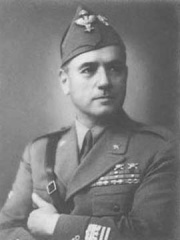
Giovanni Messe
1883 - 1968
HPI: 67.60
Rank: 437
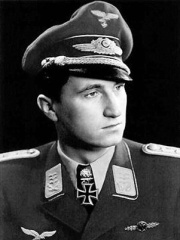
Walter Nowotny
1920 - 1944
HPI: 67.58
Rank: 438

Lü Meng
178 - 220
HPI: 67.58
Rank: 439
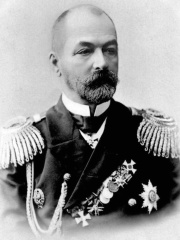
Zinovy Rozhestvensky
1848 - 1909
HPI: 67.54
Rank: 440
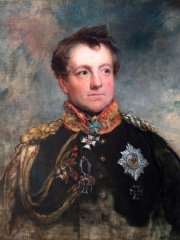
August Neidhardt von Gneisenau
1760 - 1831
HPI: 67.53
Rank: 441
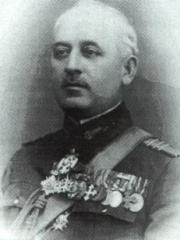
Petre Dumitrescu
1882 - 1950
HPI: 67.52
Rank: 442
Thrasybulus
440 BC - 389 BC
HPI: 67.45
Rank: 443
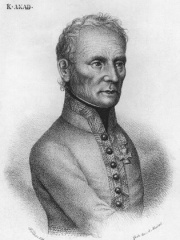
Karl Mack von Leiberich
1752 - 1828
HPI: 67.44
Rank: 444
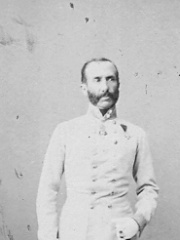
Archduke Karl Ferdinand of Austria
1818 - 1874
HPI: 67.44
Rank: 445
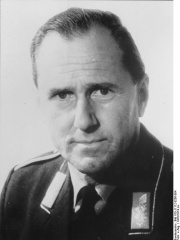
Günther Rall
1918 - 2009
HPI: 67.44
Rank: 446
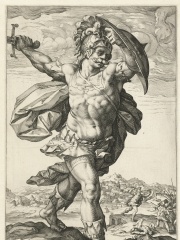
Horatius Cocles
600 BC - Present
HPI: 67.40
Rank: 447
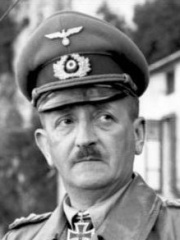
Heinrich von Vietinghoff
1887 - 1952
HPI: 67.38
Rank: 448

Sergei Skripal
1951 - Present
HPI: 67.38
Rank: 449

Contemporaries
Among people born in 440 BC, Thrasybulus ranks 2. Before him is Ctesias. After him are Wu Qi, and Andocides. Among people deceased in 389 BC, Thrasybulus ranks 1. After him is Cynisca.
Others Born in 440 BC
Go to all Rankings
Ctesias
PHYSICIAN
440 BC - 400 BC
HPI: 71.06
Rank: 1
Thrasybulus
MILITARY PERSONNEL
440 BC - 389 BC
HPI: 67.45
Rank: 2
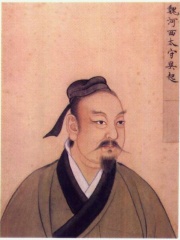
Wu Qi
POLITICIAN
440 BC - 381 BC
HPI: 65.93
Rank: 3

Andocides
POLITICIAN
440 BC - 391 BC
HPI: 65.47
Rank: 4
Others Deceased in 389 BC
Go to all RankingsThrasybulus
MILITARY PERSONNEL
440 BC - 389 BC
HPI: 67.45
Rank: 1

Cynisca
POLITICIAN
430 BC - 389 BC
HPI: 65.57
Rank: 2
In Griechenland
Among people born in Griechenland, Thrasybulus ranks 259 out of NaN. Before him are Lafcadio Hearn (1850), Vicky Leandros (1949), Konstantin Dejanović (1355), Archidamus II (-450), Theodore Stratelates (281), and Timon of Phlius (-320). After him are Eudemus of Rhodes (-370), Yiannis Ritsos (1909), Princess Olga of Greece and Denmark (1903), Antiochus X Eusebes (-200), Conon of Samos (-280), and Princess Sophie of Greece and Denmark (1914).
Others born in Griechenland
Go to all Rankings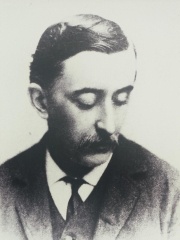
Lafcadio Hearn
WRITER
1850 - 1904
HPI: 67.92
Rank: 253

Vicky Leandros
SINGER
1949 - Present
HPI: 67.87
Rank: 254
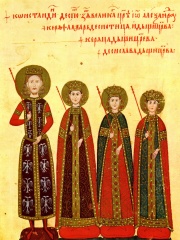
Konstantin Dejanović
POLITICIAN
1355 - 1395
HPI: 67.81
Rank: 255
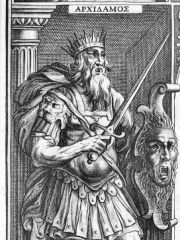
Archidamus II
POLITICIAN
450 BC - 420 BC
HPI: 67.78
Rank: 256
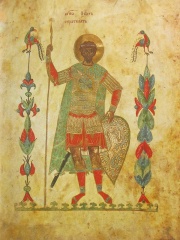
Theodore Stratelates
RELIGIOUS FIGURE
281 - 319
HPI: 67.76
Rank: 257
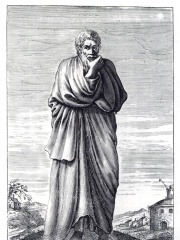
Timon of Phlius
PHILOSOPHER
320 BC - 230 BC
HPI: 67.63
Rank: 258
Thrasybulus
MILITARY PERSONNEL
440 BC - 389 BC
HPI: 67.45
Rank: 259
Eudemus of Rhodes
PHILOSOPHER
370 BC - 300 BC
HPI: 67.42
Rank: 260
Yiannis Ritsos
SOCIAL ACTIVIST
1909 - 1990
HPI: 67.41
Rank: 261
Princess Olga of Greece and Denmark
POLITICIAN
1903 - 1997
HPI: 67.40
Rank: 262
Antiochus X Eusebes
POLITICIAN
200 BC - 88 BC
HPI: 67.40
Rank: 263

Conon of Samos
MATHEMATICIAN
280 BC - 221 BC
HPI: 67.38
Rank: 264
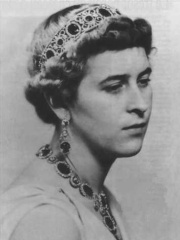
Princess Sophie of Greece and Denmark
NOBLEMAN
1914 - 2001
HPI: 67.33
Rank: 265
Among Militärangehörigers In Griechenland
Among militärangehörigers born in Griechenland, Thrasybulus ranks 21. Before him are Pausanias (null), Lysander (-401), Craterus (-370), Nearchus (-356), George Maniakes (998), and Xanthippus of Carthage (-300). After him are Theodoros Kolokotronis (1770), Müezzinzade Ali Pasha (null), Peucestas (-390), Conon (-401), Callimachus (-600), and Iphicrates (-415).
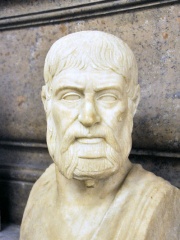
Pausanias
HPI: 71.38
Rank: 15
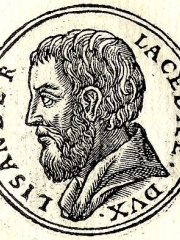
Lysander
401 BC - 395 BC
HPI: 71.31
Rank: 16
Craterus
370 BC - 321 BC
HPI: 70.98
Rank: 17
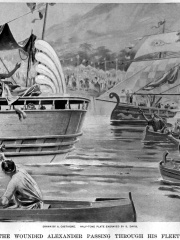
Nearchus
356 BC - 300 BC
HPI: 69.47
Rank: 18
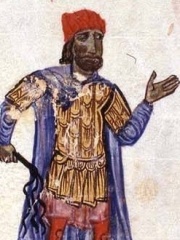
George Maniakes
998 - 1043
HPI: 68.72
Rank: 19

Xanthippus of Carthage
300 BC - 300 BC
HPI: 68.20
Rank: 20
Thrasybulus
440 BC - 389 BC
HPI: 67.45
Rank: 21
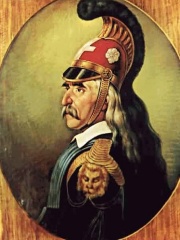
Theodoros Kolokotronis
1770 - 1843
HPI: 67.14
Rank: 22
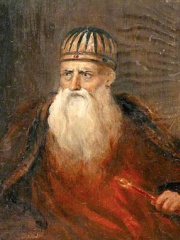
Müezzinzade Ali Pasha
HPI: 65.39
Rank: 23
Peucestas
390 BC - 330 BC
HPI: 65.02
Rank: 24

Conon
401 BC - 390 BC
HPI: 64.94
Rank: 25
Callimachus
600 BC - 489 BC
HPI: 64.84
Rank: 26

Iphicrates
415 BC - 353 BC
HPI: 63.86
Rank: 27




