Политик
Pleistoanax
500 BC - 408 BC
RU.WIKIPEDIA PAGE VIEWS (PV)

 Pleistoanax
Его биография доступна на 28 различных языках в Википедии. Pleistoanax занимает 6815-е место среди самых популярных политик (снижение с 6147-е места в 2024 году), занимает 363-е место среди самых популярных биографий из Греции (снижение с 350-е места в 2019 году) и занимает 153-е место среди политик Греция.
Memorability Metrics
30k
Page Views
Past 12 months
64.39
HPI
Historical Popularity Index
Page views of Pleistoanax by language
Among Политик
Among политик, Pleistoanax ranks 6,813 out of 19,576. Before him are William Wirt, Miklós Németh, Al-Musta'in, Ram Khamhaeng, Arnulf III, Count of Flanders, and Tomás Estrada Palma. After him are Mobon of Goguryeo, Alexander II Zabinas, Frederick IV, Burgrave of Nuremberg, Gregor Gysi, Simko Shikak, and Stephen VIII Báthory.
Most Popular Политик in Wikipedia
Go to all Rankings
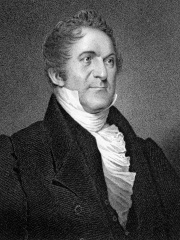
William Wirt
1772 - 1834
HPI: 64.39
Rank: 6,809
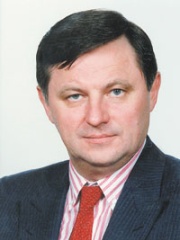
Miklós Németh
1948 - Present
HPI: 64.39
Rank: 6,810

Al-Musta'in
1390 - 1430
HPI: 64.39
Rank: 6,811
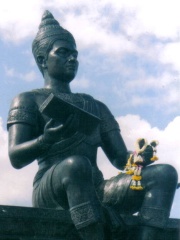
Ram Khamhaeng
1237 - 1298
HPI: 64.39
Rank: 6,812
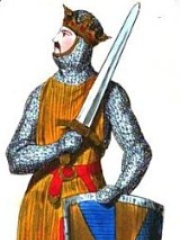
Arnulf III, Count of Flanders
1054 - 1071
HPI: 64.39
Rank: 6,813
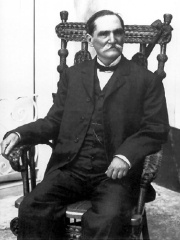
Tomás Estrada Palma
1835 - 1908
HPI: 64.39
Rank: 6,814
Pleistoanax
500 BC - 408 BC
HPI: 64.39
Rank: 6,815
Mobon of Goguryeo
30 - 53
HPI: 64.38
Rank: 6,816
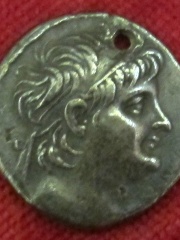
Alexander II Zabinas
190 BC - 123 BC
HPI: 64.38
Rank: 6,817
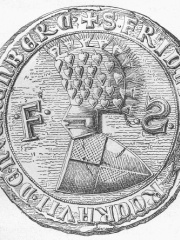
Frederick IV, Burgrave of Nuremberg
1287 - 1332
HPI: 64.38
Rank: 6,818
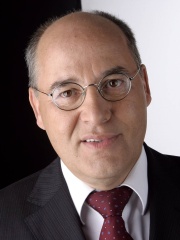
Gregor Gysi
1948 - Present
HPI: 64.38
Rank: 6,819
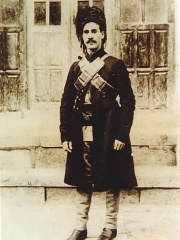
Simko Shikak
1887 - 1930
HPI: 64.38
Rank: 6,820

Stephen VIII Báthory
1477 - 1534
HPI: 64.38
Rank: 6,821

Contemporaries
Among people born in 500 BC, Pleistoanax ranks 40. Before him are Marcus Manlius Capitolinus, Cratinus, Psammuthes, Anytus, Perictione, and Cebes. After him are Inaros II, Hippo, Agatharchus, Calamis, Diagoras of Rhodes, and Cephisodotus the Elder. Among people deceased in 408 BC, Pleistoanax ranks 2. Before him is Hippodamus of Miletus. After him is Hermocrates.
Others Born in 500 BC
Go to all Rankings
Marcus Manlius Capitolinus
POLITICIAN
500 BC - 384 BC
HPI: 65.42
Rank: 34

Cratinus
WRITER
500 BC - 422 BC
HPI: 65.36
Rank: 35
Psammuthes
POLITICIAN
500 BC - 391 BC
HPI: 65.07
Rank: 36

Anytus
POLITICIAN
500 BC - 500 BC
HPI: 64.96
Rank: 37

Perictione
POLITICIAN
500 BC - 400 BC
HPI: 64.71
Rank: 38
Cebes
PHILOSOPHER
500 BC - 400 BC
HPI: 64.47
Rank: 39
Pleistoanax
POLITICIAN
500 BC - 408 BC
HPI: 64.39
Rank: 40
Inaros II
MILITARY PERSONNEL
500 BC - 500 BC
HPI: 63.91
Rank: 41

Hippo
PHILOSOPHER
500 BC - 460 BC
HPI: 63.65
Rank: 42

Agatharchus
PAINTER
500 BC - 460 BC
HPI: 63.15
Rank: 43
Calamis
SCULPTOR
500 BC - 460 BC
HPI: 63.03
Rank: 44

Diagoras of Rhodes
POLITICIAN
500 BC - 460 BC
HPI: 62.96
Rank: 45

Cephisodotus the Elder
SCULPTOR
500 BC - 400 BC
HPI: 62.84
Rank: 46
Others Deceased in 408 BC
Go to all Rankings
Hippodamus of Miletus
ARCHITECT
498 BC - 408 BC
HPI: 72.46
Rank: 1
Pleistoanax
POLITICIAN
500 BC - 408 BC
HPI: 64.39
Rank: 2
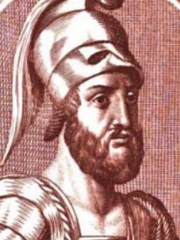
Hermocrates
MILITARY PERSONNEL
500 BC - 408 BC
HPI: 62.78
Rank: 3
In Греция
Among people born in Греция, Pleistoanax ranks 363 out of NaN. Before him are Aspasia Manos (1896), Lycophron (-320), Glaucus of Corinth (null), Cebes (-500), Alexis Tsipras (1974), and Aeschines of Sphettus (-430). After him are Antenor (-590), Ange Postecoglou (1965), Jannis Kounellis (1936), Anastasios of Albania (1929), Ahmed Izzet Pasha (1864), and Aristo of Chios (-300).
Others born in Греция
Go to all Rankings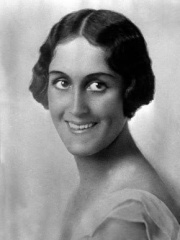
Aspasia Manos
COMPANION
1896 - 1972
HPI: 64.69
Rank: 357

Lycophron
WRITER
320 BC - 280 BC
HPI: 64.65
Rank: 358

Glaucus of Corinth
POLITICIAN
HPI: 64.62
Rank: 359
Cebes
PHILOSOPHER
500 BC - 400 BC
HPI: 64.47
Rank: 360
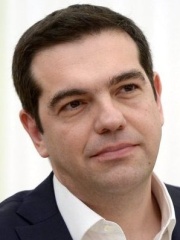
Alexis Tsipras
POLITICIAN
1974 - Present
HPI: 64.46
Rank: 361
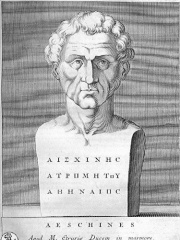
Aeschines of Sphettus
PHILOSOPHER
430 BC - 360 BC
HPI: 64.46
Rank: 362
Pleistoanax
POLITICIAN
500 BC - 408 BC
HPI: 64.39
Rank: 363
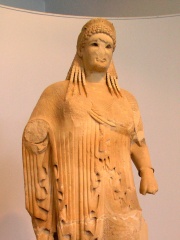
Antenor
SCULPTOR
590 BC - 500 BC
HPI: 64.37
Rank: 364

Ange Postecoglou
COACH
1965 - Present
HPI: 64.36
Rank: 365
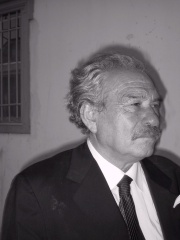
Jannis Kounellis
PAINTER
1936 - 2017
HPI: 64.32
Rank: 366
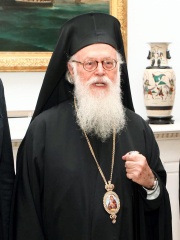
Anastasios of Albania
RELIGIOUS FIGURE
1929 - 2025
HPI: 64.27
Rank: 367
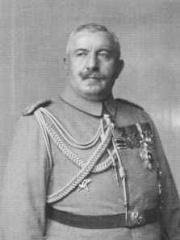
Ahmed Izzet Pasha
POLITICIAN
1864 - 1937
HPI: 64.24
Rank: 368

Aristo of Chios
PHILOSOPHER
300 BC - 300 BC
HPI: 64.22
Rank: 369
Among Политик In Греция
Among политик born in Греция, Pleistoanax ranks 153. Before him are Princess Maria of Greece and Denmark (1876), Quintus Caecilius Metellus Numidicus (-200), Ali Rıza Efendi (1839), Perictione (-500), Glaucus of Corinth (null), and Alexis Tsipras (1974). After him are Ahmed Izzet Pasha (1864), Tiberius Claudius Narcissus (50), Aratus of Sicyon (-271), Eurydice of Egypt (-400), Antonis Samaras (1951), and Manuel Doukas (1187).
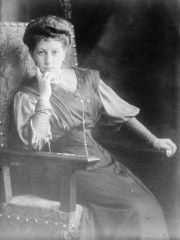
Princess Maria of Greece and Denmark
1876 - 1940
HPI: 65.02
Rank: 147

Quintus Caecilius Metellus Numidicus
200 BC - 91 BC
HPI: 65.02
Rank: 148
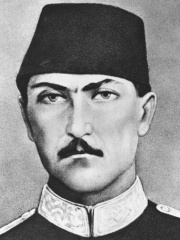
Ali Rıza Efendi
1839 - 1888
HPI: 65.01
Rank: 149
Perictione
500 BC - 400 BC
HPI: 64.71
Rank: 150
Glaucus of Corinth
HPI: 64.62
Rank: 151
Alexis Tsipras
1974 - Present
HPI: 64.46
Rank: 152
Pleistoanax
500 BC - 408 BC
HPI: 64.39
Rank: 153
Ahmed Izzet Pasha
1864 - 1937
HPI: 64.24
Rank: 154

Tiberius Claudius Narcissus
50 - 54
HPI: 64.16
Rank: 155
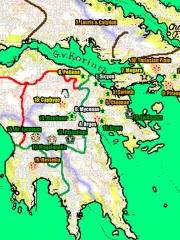
Aratus of Sicyon
271 BC - 213 BC
HPI: 64.10
Rank: 156

Eurydice of Egypt
400 BC - 300 BC
HPI: 64.07
Rank: 157
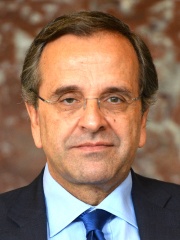
Antonis Samaras
1951 - Present
HPI: 64.00
Rank: 158
Manuel Doukas
1187 - 1241
HPI: 63.96
Rank: 159




