Военнослужащий
Pausanias
ПРОСМОТРЫ RU.WIKIPEDIA (PV)
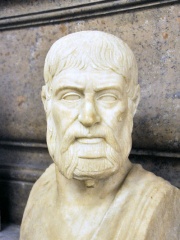
 Pausanias
Его биография доступна на 33 различных языках в Википедии. Pausanias занимает 237-е место среди самых популярных военнослужащий (рост с 241-е места в 2024 году), занимает 160-е место среди самых популярных биографий из Греции (снижение с 155-е места в 2019 году) и занимает 15-е место среди военнослужащий Греция.
Метрики памятности
110k
Просмотры страниц
За последние 12 месяцев
71.38
HPI
Индекс исторической популярности
Интересные факты
Просмотры страницы Pausanias по языкам
Среди представителей профессии «Военнослужащий»
Среди представителей профессии «Военнослужащий» Pausanias занимает 237-е место из 2,188. Перед ним идут Sun Ce, Jean-Baptiste Bessières, Lucius Aemilius Paullus Macedonicus, Erich Hoepner, Ishida Mitsunari, и Franz Stangl. После него идут Benedict Arnold, Sun Jian, Hans von Seeckt, Lysander, Toyotomi Hideyori, и Maximilian von Weichs.
Самые популярные в Википедии: Военнослужащий
Все рейтинги

Sun Ce
175 - 200
HPI: 71.59
Место: 231
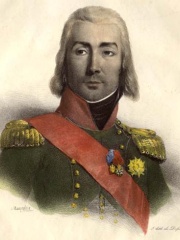
Jean-Baptiste Bessières
1768 - 1813
HPI: 71.52
Место: 232
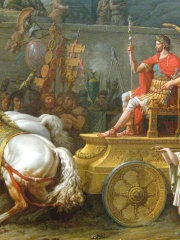
Lucius Aemilius Paullus Macedonicus
229 BC - 160 BC
HPI: 71.51
Место: 233
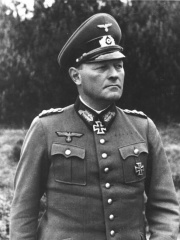
Erich Hoepner
1886 - 1944
HPI: 71.45
Место: 234

Ishida Mitsunari
1559 - 1600
HPI: 71.42
Место: 235
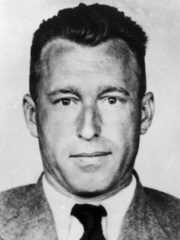
Franz Stangl
1908 - 1971
HPI: 71.40
Место: 236
Pausanias
HPI: 71.38
Место: 237
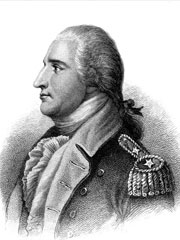
Benedict Arnold
1741 - 1801
HPI: 71.38
Место: 238

Sun Jian
155 - 191
HPI: 71.36
Место: 239
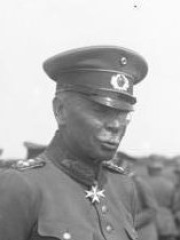
Hans von Seeckt
1866 - 1936
HPI: 71.32
Место: 240
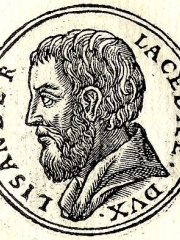
Lysander
401 BC - 395 BC
HPI: 71.31
Место: 241

Toyotomi Hideyori
1593 - 1615
HPI: 71.30
Место: 242
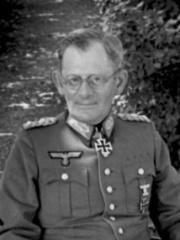
Maximilian von Weichs
1881 - 1954
HPI: 71.28
Место: 243

В стране Греция
Среди людей, родившихся в стране Греция, Pausanias занимает 160-е место из 1,135. Перед ним идут Hipparchus (-600), Georgios Papadopoulos (1919), Ioannis Kapodistrias (1776), Ephialtes of Trachis (-550), Philip V of Macedon (-238), и Panaetius (-185). После него идут Cleon (-450), Lysander (-401), Andronicus of Rhodes (-100), Sophia Palaiologina (1455), Gülnuş Sultan (1642), и Hellanicus of Lesbos (-490).
Другие люди, родившиеся в стране Греция
Все рейтинги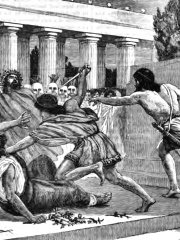
Hipparchus
POLITICIAN
600 BC - 514 BC
HPI: 71.64
Место: 154
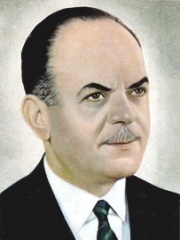
Georgios Papadopoulos
POLITICIAN
1919 - 1999
HPI: 71.63
Место: 155
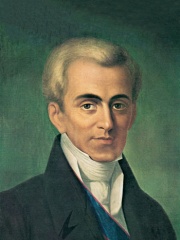
Ioannis Kapodistrias
POLITICIAN
1776 - 1831
HPI: 71.62
Место: 156

Ephialtes of Trachis
POLITICIAN
550 BC - 480 BC
HPI: 71.49
Место: 157
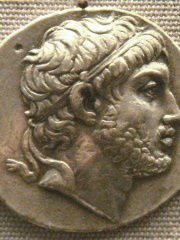
Philip V of Macedon
POLITICIAN
238 BC - 179 BC
HPI: 71.47
Место: 158

Panaetius
PHILOSOPHER
185 BC - 110 BC
HPI: 71.45
Место: 159
Pausanias
MILITARY PERSONNEL
HPI: 71.38
Место: 160
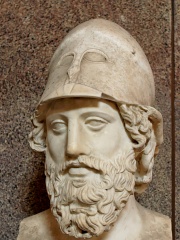
Cleon
EXTREMIST
450 BC - 422 BC
HPI: 71.34
Место: 161
Lysander
MILITARY PERSONNEL
401 BC - 395 BC
HPI: 71.31
Место: 162

Andronicus of Rhodes
PHILOSOPHER
100 BC - 60 BC
HPI: 71.28
Место: 163
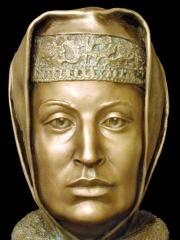
Sophia Palaiologina
POLITICIAN
1455 - 1503
HPI: 71.21
Место: 164
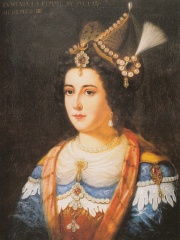
Gülnuş Sultan
POLITICIAN
1642 - 1715
HPI: 71.16
Место: 165

Hellanicus of Lesbos
WRITER
490 BC - 405 BC
HPI: 71.15
Место: 166
Среди представителей профессии «Военнослужащий» в стране Греция
Среди представителей профессии «Военнослужащий», родившихся в стране Греция, Pausanias занимает 15-е место. Перед ним идут Hephaestion (-356), Cimon (-510), Pittacus of Mytilene (-650), Desmond Doss (1919), Djemal Pasha (1872), и Parmenion (-400). После него идут Lysander (-401), Craterus (-370), Nearchus (-356), George Maniakes (998), Xanthippus of Carthage (-300), и Thrasybulus (-440).
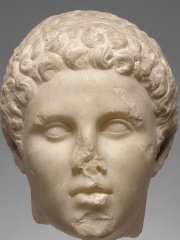
Hephaestion
356 BC - 324 BC
HPI: 74.80
Место: 9
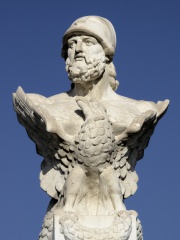
Cimon
510 BC - 450 BC
HPI: 74.15
Место: 10
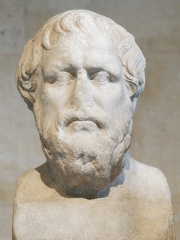
Pittacus of Mytilene
650 BC - 570 BC
HPI: 72.77
Место: 11

Desmond Doss
1919 - 2006
HPI: 72.42
Место: 12
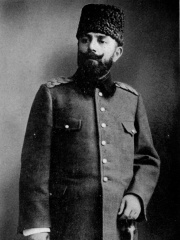
Djemal Pasha
1872 - 1922
HPI: 72.26
Место: 13
Parmenion
400 BC - 329 BC
HPI: 71.79
Место: 14
Pausanias
HPI: 71.38
Место: 15
Lysander
401 BC - 395 BC
HPI: 71.31
Место: 16

Craterus
370 BC - 321 BC
HPI: 70.98
Место: 17

Nearchus
356 BC - 300 BC
HPI: 69.47
Место: 18
George Maniakes
998 - 1043
HPI: 68.72
Место: 19

Xanthippus of Carthage
300 BC - 300 BC
HPI: 68.20
Место: 20

Thrasybulus
440 BC - 389 BC
HPI: 67.45
Место: 21




