Filozófus
Philip of Opus
400 BC - 400 BC

 Philip of Opus
Életrajza 18 különböző nyelven érhető el a Wikipédián. Philip of Opus a 742nd legnépszerűbb filozófus (növekedés a 779th-ről 2024-ben), a 2,157th legnépszerűbb életrajz Olaszország országából (növekedés a 2,314th-ről 2019-ben) és a 56th legnépszerűbb Olaszországból filozófus.
Ismertségi mutatók
4.8k
Oldalmegtekintések
Elmúlt 12 hónap
62.67
HPI
Történelmi népszerűségi index
Adatérdekességek
18
Philip of Opus életrajza a Wikipédia 18 nyelvi változatában érhető el, történelmi népszerűségi indexe 62.67.
Philip of Opus oldalmegtekintései nyelvenként
A(z) Filozófus között
A(z) Filozófus között Philip of Opus a(z) 742. helyen áll 1,285 közül. Előtte állnak: F. C. S. Schiller, Ferdinand Christian Baur, Menedemus, Hermias, Ahmad al-Tayyeb, és Aleksey Khomyakov. Utána következnek: Leo the Mathematician, Nikolai Fyodorovich Fyodorov, Jean-Pierre Faye, Alexius Meinong, Joseph Dietzgen, és Jacob Moleschott.
A legnépszerűbb Filozófus a Wikipédián
Összes rangsor megtekintése
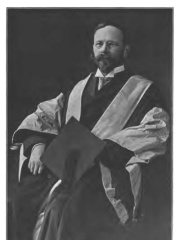
F. C. S. Schiller
1864 - 1937
HPI: 62.74
Helyezés: 736
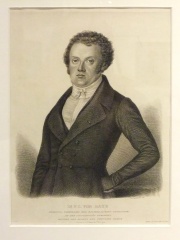
Ferdinand Christian Baur
1792 - 1860
HPI: 62.73
Helyezés: 737

Menedemus
340 BC - 265 BC
HPI: 62.70
Helyezés: 738

Hermias
401 - 450
HPI: 62.70
Helyezés: 739

Ahmad al-Tayyeb
1946 - napjainkig
HPI: 62.69
Helyezés: 740
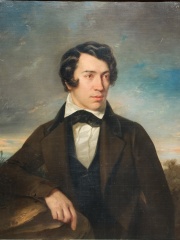
Aleksey Khomyakov
1804 - 1860
HPI: 62.67
Helyezés: 741
Philip of Opus
400 BC - 400 BC
HPI: 62.67
Helyezés: 742

Leo the Mathematician
790 - 900
HPI: 62.66
Helyezés: 743
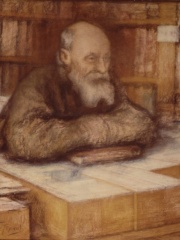
Nikolai Fyodorovich Fyodorov
1829 - 1903
HPI: 62.65
Helyezés: 744

Jean-Pierre Faye
1925 - 2026
HPI: 62.59
Helyezés: 745
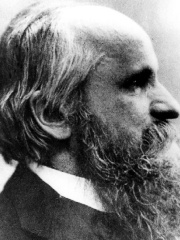
Alexius Meinong
1853 - 1920
HPI: 62.54
Helyezés: 746
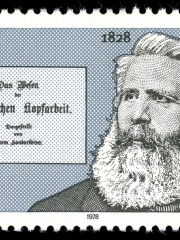
Joseph Dietzgen
1828 - 1888
HPI: 62.52
Helyezés: 747
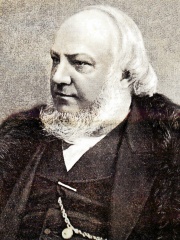
Jacob Moleschott
1822 - 1893
HPI: 62.51
Helyezés: 748

Kortársak
A(z) 400 BC. évben születettek között Philip of Opus a(z) 47. helyen áll. Előtte állnak: King Nan of Zhou, Nepherites II, Gnaeus Flavius, Erinna, Diodorus Cronus, és Cleitarchus. Utána következnek: Sosthenes of Macedon, King Xian of Zhou, Aeacides of Epirus, Polykleitos the Younger, Cynane, és Ada of Caria. A(z) 400 BC. évben elhunytak között Philip of Opus a(z) 20. helyen áll. Előtte állnak: Perictione, Gan De, Cebes, Artakama, Erinna, és Cephisodotus the Elder. Utána következnek: Antalcidas, Pythias, Axiothea of Phlius, Li Kui, Lastheneia of Mantinea, és Timarete.
További személyek, akik a(z) 400 BC. évben születtek
Összes rangsor megtekintése
King Nan of Zhou
POLITICIAN
400 BC - napjainkig
HPI: 63.60
Helyezés: 41

Nepherites II
POLITICIAN
400 BC - 380 BC
HPI: 63.60
Helyezés: 42

Gnaeus Flavius
POLITICIAN
400 BC - 300 BC
HPI: 63.44
Helyezés: 43
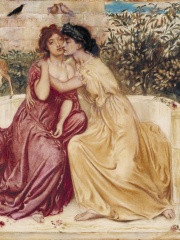
Erinna
WRITER
400 BC - 400 BC
HPI: 63.28
Helyezés: 44

Diodorus Cronus
PHILOSOPHER
400 BC - 300 BC
HPI: 63.18
Helyezés: 45
Cleitarchus
WRITER
400 BC - 300 BC
HPI: 62.91
Helyezés: 46
Philip of Opus
PHILOSOPHER
400 BC - 400 BC
HPI: 62.67
Helyezés: 47

Sosthenes of Macedon
MILITARY PERSONNEL
400 BC - 277 BC
HPI: 62.61
Helyezés: 48

King Xian of Zhou
POLITICIAN
400 BC - 321 BC
HPI: 62.53
Helyezés: 49

Aeacides of Epirus
POLITICIAN
400 BC - 313 BC
HPI: 62.47
Helyezés: 50

Polykleitos the Younger
SCULPTOR
400 BC - 360 BC
HPI: 62.33
Helyezés: 51

Cynane
POLITICIAN
400 BC - 323 BC
HPI: 62.29
Helyezés: 52
Ada of Caria
POLITICIAN
400 BC - 326 BC
HPI: 62.11
Helyezés: 53
További személyek, akik a(z) 400 BC. évben hunytak el
Összes rangsor megtekintése
Perictione
POLITICIAN
500 BC - 400 BC
HPI: 64.71
Helyezés: 14

Gan De
ASTRONOMER
400 BC - 400 BC
HPI: 64.54
Helyezés: 15
Cebes
PHILOSOPHER
500 BC - 400 BC
HPI: 64.47
Helyezés: 16

Artakama
COMPANION
350 BC - 400 BC
HPI: 63.45
Helyezés: 17
Erinna
WRITER
400 BC - 400 BC
HPI: 63.28
Helyezés: 18

Cephisodotus the Elder
SCULPTOR
500 BC - 400 BC
HPI: 62.84
Helyezés: 19
Philip of Opus
PHILOSOPHER
400 BC - 400 BC
HPI: 62.67
Helyezés: 20

Antalcidas
POLITICIAN
500 BC - 400 BC
HPI: 62.64
Helyezés: 21

Pythias
POLITICIAN
362 BC - 400 BC
HPI: 62.50
Helyezés: 22

Axiothea of Phlius
PHILOSOPHER
400 BC - 400 BC
HPI: 61.88
Helyezés: 23
Li Kui
ENGINEER
500 BC - 400 BC
HPI: 61.86
Helyezés: 24

Lastheneia of Mantinea
PHILOSOPHER
350 BC - 400 BC
HPI: 61.30
Helyezés: 25

Timarete
PAINTER
420 BC - 400 BC
HPI: 60.98
Helyezés: 26
A(z) Olaszország rangsorában
A(z) Olaszország területén születettek között Philip of Opus a(z) 2,157. helyen áll 5,905 közül. Előtte állnak: Cesare Zavattini (1902), Massimo Troisi (1953), Camillo Borghese, 6th Prince of Sulmona (1775), Lucien Bianchi (1934), Antiochus of Syracuse (-450), és Archduke Johann Salvator of Austria (1852). Utána következnek: Marcel Bich (1914), Umberto Bossi (1941), Bruno Rossi (1905), Mario Roatta (1887), Azeglio Vicini (1933), és Francesco Maria II della Rovere (1549).
További személyek, akik Olaszország területén születtek
Összes rangsor megtekintése
Cesare Zavattini
WRITER
1902 - 1989
HPI: 62.71
Helyezés: 2,151

Massimo Troisi
ACTOR
1953 - 1994
HPI: 62.70
Helyezés: 2,152
Camillo Borghese, 6th Prince of Sulmona
NOBLEMAN
1775 - 1832
HPI: 62.69
Helyezés: 2,153
Lucien Bianchi
RACING DRIVER
1934 - 1969
HPI: 62.68
Helyezés: 2,154

Antiochus of Syracuse
HISTORIAN
450 BC - 450 BC
HPI: 62.68
Helyezés: 2,155
Archduke Johann Salvator of Austria
POLITICIAN
1852 - 1890
HPI: 62.67
Helyezés: 2,156
Philip of Opus
PHILOSOPHER
400 BC - 400 BC
HPI: 62.67
Helyezés: 2,157

Marcel Bich
BUSINESSPERSON
1914 - 1994
HPI: 62.66
Helyezés: 2,158
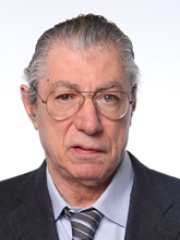
Umberto Bossi
POLITICIAN
1941 - 2026
HPI: 62.66
Helyezés: 2,159
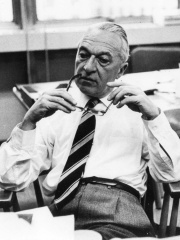
Bruno Rossi
PHYSICIST
1905 - 1993
HPI: 62.66
Helyezés: 2,160
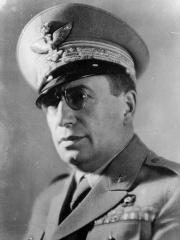
Mario Roatta
MILITARY PERSONNEL
1887 - 1968
HPI: 62.65
Helyezés: 2,161

Azeglio Vicini
SOCCER PLAYER
1933 - 2018
HPI: 62.65
Helyezés: 2,162
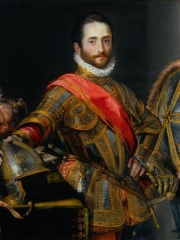
Francesco Maria II della Rovere
NOBLEMAN
1549 - 1631
HPI: 62.64
Helyezés: 2,163
A(z) Filozófus között – Olaszország
A(z) Olaszország területén született Filozófus között Philip of Opus a(z) 56. helyen áll. Előtte állnak: Hippo (-500), Cristoforo Landino (1424), Pantaenus (200), Antonio Rosmini (1797), Francesco Algarotti (1712), és Paolo Sarpi (1552). Utána következnek: Luigi Guido Grandi (1671), Ludovico Antonio Muratori (1672), Vincenzo Gioberti (1801), Moshe Chaim Luzzatto (1707), John Italus (1025), és Charondas (-600).

Hippo
500 BC - 460 BC
HPI: 63.65
Helyezés: 50
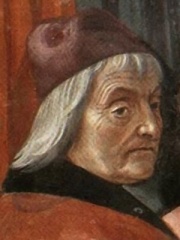
Cristoforo Landino
1424 - 1498
HPI: 63.51
Helyezés: 51
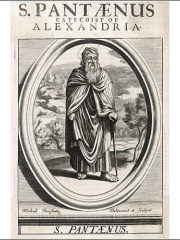
Pantaenus
200 - 216
HPI: 63.40
Helyezés: 52
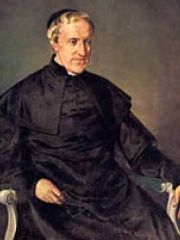
Antonio Rosmini
1797 - 1855
HPI: 63.35
Helyezés: 53
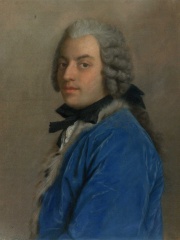
Francesco Algarotti
1712 - 1764
HPI: 63.07
Helyezés: 54
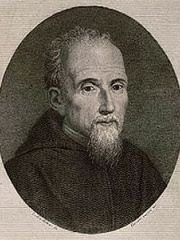
Paolo Sarpi
1552 - 1623
HPI: 62.75
Helyezés: 55
Philip of Opus
400 BC - 400 BC
HPI: 62.67
Helyezés: 56
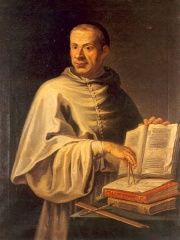
Luigi Guido Grandi
1671 - 1742
HPI: 62.33
Helyezés: 57
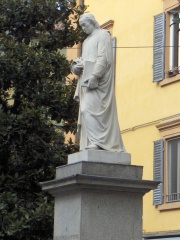
Ludovico Antonio Muratori
1672 - 1750
HPI: 61.88
Helyezés: 58
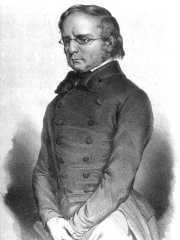
Vincenzo Gioberti
1801 - 1852
HPI: 61.74
Helyezés: 59

Moshe Chaim Luzzatto
1707 - 1746
HPI: 61.47
Helyezés: 60

John Italus
1025 - 1112
HPI: 61.45
Helyezés: 61

Charondas
600 BC - 600 BC
HPI: 61.32
Helyezés: 62




