Философ
Polemon
400 BC - 270 BC
ПРОСМОТРЫ RU.WIKIPEDIA (PV)
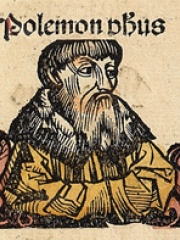
 Polemon
Его биография доступна на 25 различных языках в Википедии. Polemon занимает 531-е место среди самых популярных философ (рост с 534-е места в 2024 году), занимает 321-е место среди самых популярных биографий из Греции (снижение с 317-е места в 2019 году) и занимает 40-е место среди философ Греция.
Метрики памятности
8.7k
Просмотры страниц
За последние 12 месяцев
65.65
HPI
Индекс исторической популярности
Интересные факты
25
Биография Polemon представлена в 25 языковых разделах Википедии, а Индекс исторической популярности составляет 65.65.
Просмотры страницы Polemon по языкам
Среди представителей профессии «Философ»
Среди представителей профессии «Философ» Polemon занимает 531-е место из 1,285. Перед ним идут Anaxarchus, Sivananda Saraswati, Manuel Chrysoloras, Charles Taylor, Saul Kripke, и Karl-Otto Apel. После него идут Ahmad Sirhindi, Carl Stumpf, Gianni Vattimo, Myia, Charles W. Morris, и Marpa Lotsawa.
Самые популярные в Википедии: Философ
Все рейтинги
Anaxarchus
380 BC - 320 BC
HPI: 65.78
Место: 525
Sivananda Saraswati
1887 - 1963
HPI: 65.75
Место: 526
Manuel Chrysoloras
1355 - 1415
HPI: 65.74
Место: 527
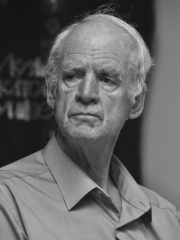
Charles Taylor
1931 - наст. время
HPI: 65.69
Место: 528

Saul Kripke
1940 - 2022
HPI: 65.68
Место: 529
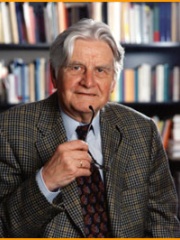
Karl-Otto Apel
1922 - 2017
HPI: 65.66
Место: 530
Polemon
400 BC - 270 BC
HPI: 65.65
Место: 531

Ahmad Sirhindi
1564 - 1624
HPI: 65.65
Место: 532
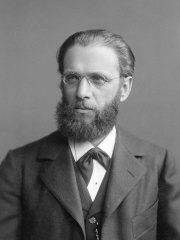
Carl Stumpf
1848 - 1936
HPI: 65.63
Место: 533
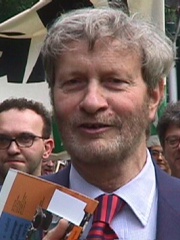
Gianni Vattimo
1936 - 2023
HPI: 65.61
Место: 534

Myia
600 BC - 560 BC
HPI: 65.59
Место: 535

Charles W. Morris
1903 - 1979
HPI: 65.55
Место: 536

Marpa Lotsawa
1012 - 1097
HPI: 65.55
Место: 537

Современники
Среди людей, родившихся в 400 BC году, Polemon занимает 26-е место. Перед ним идут Chares of Lindos, Artabazos II, Aristyllus, Philip IV of Macedon, Pausanias of Orestis, и Lais of Corinth. После него идут Titus Manlius Imperiosus Torquatus, Harpalus, Crates of Athens, Apama, Crantor, и Arete of Cyrene. Среди людей, умерших в 270 BC году, Polemon занимает 2-е место. Перед ним идёт Arsinoe II. После него идут Alexis, и Manius Curius Dentatus.
Другие люди, родившиеся в 400 BC году
Все рейтинги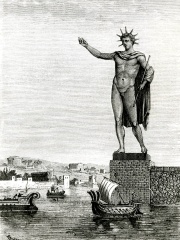
Chares of Lindos
SCULPTOR
400 BC - 280 BC
HPI: 66.58
Место: 20
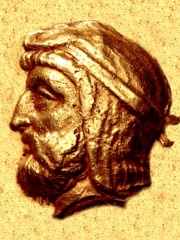
Artabazos II
MILITARY PERSONNEL
400 BC - 360 BC
HPI: 66.08
Место: 21

Aristyllus
MATHEMATICIAN
400 BC - 300 BC
HPI: 65.94
Место: 22
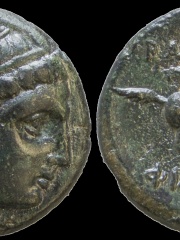
Philip IV of Macedon
POLITICIAN
400 BC - 296 BC
HPI: 65.91
Место: 23
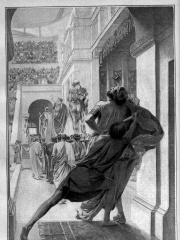
Pausanias of Orestis
POLITICIAN
400 BC - 336 BC
HPI: 65.89
Место: 24

Lais of Corinth
POLITICIAN
400 BC - 360 BC
HPI: 65.75
Место: 25
Polemon
PHILOSOPHER
400 BC - 270 BC
HPI: 65.65
Место: 26
Titus Manlius Imperiosus Torquatus
POLITICIAN
400 BC - 301 BC
HPI: 65.60
Место: 27

Harpalus
POLITICIAN
400 BC - 323 BC
HPI: 65.55
Место: 28

Crates of Athens
PHILOSOPHER
400 BC - 268 BC
HPI: 65.54
Место: 29

Apama
POLITICIAN
400 BC - наст. время
HPI: 65.52
Место: 30

Crantor
PHILOSOPHER
400 BC - 276 BC
HPI: 65.35
Место: 31

Arete of Cyrene
PHILOSOPHER
400 BC - 340 BC
HPI: 65.25
Место: 32
Другие люди, умершие в 270 BC году
Все рейтинги
Arsinoe II
COMPANION
316 BC - 270 BC
HPI: 70.16
Место: 1
Polemon
PHILOSOPHER
400 BC - 270 BC
HPI: 65.65
Место: 2

Alexis
WRITER
372 BC - 270 BC
HPI: 62.90
Место: 3
Manius Curius Dentatus
POLITICIAN
390 BC - 270 BC
HPI: 62.11
Место: 4
В стране Греция
Среди людей, родившихся в стране Греция, Polemon занимает 321-е место из 1,135. Перед ним идут Aristyllus (-400), Cylon of Athens (-700), Yanni (1954), Semonides of Amorgos (-650), Anaxarchus (-380), и Lais of Corinth (-400). После него идут Gregory V of Constantinople (1745), Agnes Baltsa (1944), Hierocles of Alexandria (410), Cynisca (-430), Crates of Athens (-400), и Agis III (-350).
Другие люди, родившиеся в стране Греция
Все рейтингиAristyllus
MATHEMATICIAN
400 BC - 300 BC
HPI: 65.94
Место: 315

Cylon of Athens
POLITICIAN
700 BC - 700 BC
HPI: 65.93
Место: 316

Yanni
MUSICIAN
1954 - наст. время
HPI: 65.88
Место: 317
Semonides of Amorgos
WRITER
650 BC - 550 BC
HPI: 65.80
Место: 318
Anaxarchus
PHILOSOPHER
380 BC - 320 BC
HPI: 65.78
Место: 319
Lais of Corinth
POLITICIAN
400 BC - 360 BC
HPI: 65.75
Место: 320
Polemon
PHILOSOPHER
400 BC - 270 BC
HPI: 65.65
Место: 321
Gregory V of Constantinople
RELIGIOUS FIGURE
1745 - 1821
HPI: 65.64
Место: 322
Agnes Baltsa
SINGER
1944 - наст. время
HPI: 65.63
Место: 323

Hierocles of Alexandria
WRITER
410 - 500
HPI: 65.58
Место: 324

Cynisca
POLITICIAN
430 BC - 389 BC
HPI: 65.57
Место: 325
Crates of Athens
PHILOSOPHER
400 BC - 268 BC
HPI: 65.54
Место: 326

Agis III
POLITICIAN
350 BC - 331 BC
HPI: 65.51
Место: 327
Среди представителей профессии «Философ» в стране Греция
Среди представителей профессии «Философ», родившихся в стране Греция, Polemon занимает 40-е место. Перед ним идут Archelaus (-500), Plutarch of Athens (350), Timon of Phlius (-320), Eudemus of Rhodes (-370), Phaedo of Elis (-401), и Anaxarchus (-380). После него идут Crates of Athens (-400), Nicos Poulantzas (1936), Zoilus (-400), Cebes (-500), Aeschines of Sphettus (-430), и Aristo of Chios (-300).
Archelaus
500 BC - 430 BC
HPI: 68.42
Место: 34
Plutarch of Athens
350 - 431
HPI: 68.19
Место: 35
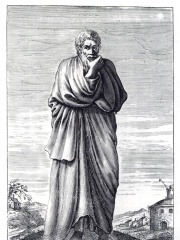
Timon of Phlius
320 BC - 230 BC
HPI: 67.63
Место: 36
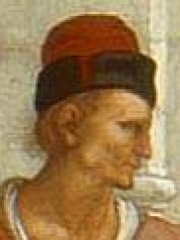
Eudemus of Rhodes
370 BC - 300 BC
HPI: 67.42
Место: 37

Phaedo of Elis
401 BC - 400 BC
HPI: 67.17
Место: 38
Anaxarchus
380 BC - 320 BC
HPI: 65.78
Место: 39
Polemon
400 BC - 270 BC
HPI: 65.65
Место: 40
Crates of Athens
400 BC - 268 BC
HPI: 65.54
Место: 41
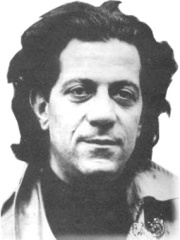
Nicos Poulantzas
1936 - 1979
HPI: 64.93
Место: 42
Zoilus
400 BC - 320 BC
HPI: 64.73
Место: 43
Cebes
500 BC - 400 BC
HPI: 64.47
Место: 44
Aeschines of Sphettus
430 BC - 360 BC
HPI: 64.46
Место: 45

Aristo of Chios
300 BC - 300 BC
HPI: 64.22
Место: 46




