Filozof
Étienne Balibar
1942 - obecnie
PL.WIKIPEDIA PAGE VIEWS (PV)
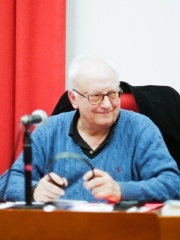
 Étienne Balibar
Jego biografia jest dostępna w 26 różnych językach w Wikipedii. Étienne Balibar jest 631. najpopularniejszym filozof (spadek z 586. w 2024 roku), 2002. najpopularniejszą biografią Francja (spadek z 1811. w 2019 roku) oraz 81. najpopularniejszym filozof Francja.
Memorability Metrics
59k
Page Views
Past 12 months
64.24
HPI
Historical Popularity Index
Page views of Étienne Balibar by language
Among Filozofs
Among filozofs, Étienne Balibar ranks 631 out of 1,267. Before him are Guarino da Verona, Eugen Fink, Diogenes of Babylon, Yuri Lotman, Margaret Cavendish, Duchess of Newcastle-upon-Tyne, and Yan Hui. After him are Syrianus, Andreas Karlstadt, Maurice Blondel, Aristo of Chios, Yves Bonnefoy, and Olympiodorus the Younger.
Most Popular Filozofs in Wikipedia
Go to all Rankings
Guarino da Verona
1374 - 1460
HPI: 64.31
Rank: 625
Eugen Fink
1905 - 1975
HPI: 64.30
Rank: 626
Diogenes of Babylon
240 BC - 150 BC
HPI: 64.30
Rank: 627
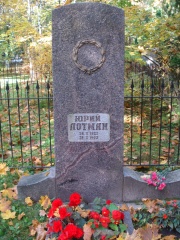
Yuri Lotman
1922 - 1993
HPI: 64.28
Rank: 628
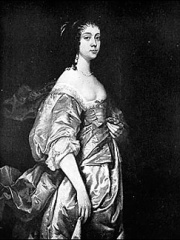
Margaret Cavendish, Duchess of Newcastle-upon-Tyne
1623 - 1673
HPI: 64.27
Rank: 629
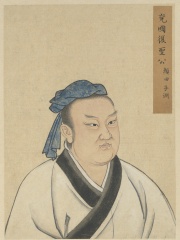
Yan Hui
521 BC - 490 BC
HPI: 64.26
Rank: 630
Étienne Balibar
1942 - Present
HPI: 64.24
Rank: 631

Syrianus
400 - 437
HPI: 64.23
Rank: 632
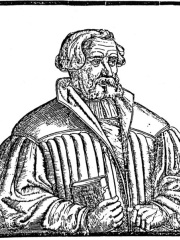
Andreas Karlstadt
1486 - 1541
HPI: 64.23
Rank: 633
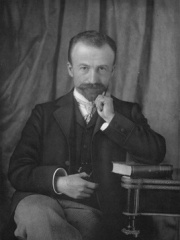
Maurice Blondel
1861 - 1949
HPI: 64.22
Rank: 634

Aristo of Chios
300 BC - 300 BC
HPI: 64.22
Rank: 635
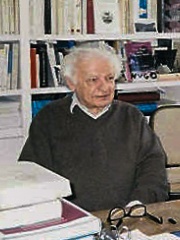
Yves Bonnefoy
1923 - 2016
HPI: 64.20
Rank: 636

Olympiodorus the Younger
495 - 570
HPI: 64.18
Rank: 637

Contemporaries
Among people born in 1942, Étienne Balibar ranks 171. Before him are Piero Marini, Andy Summers, Iolu Abil, Prince Alexandre of Belgium, Herbjørg Wassmo, and Jean-Pierre Jabouille. After him are Nicole Fontaine, Rei Kawakubo, Gayatri Chakravorty Spivak, Pedro Rocha, Vasily Alekseyev, and Richard Williams.
Others Born in 1942
Go to all Rankings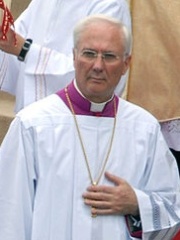
Piero Marini
RELIGIOUS FIGURE
1942 - Present
HPI: 64.48
Rank: 165

Andy Summers
MUSICIAN
1942 - Present
HPI: 64.40
Rank: 166
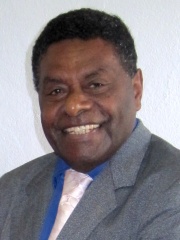
Iolu Abil
POLITICIAN
1942 - Present
HPI: 64.34
Rank: 167
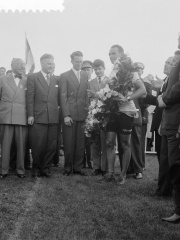
Prince Alexandre of Belgium
POLITICIAN
1942 - 2009
HPI: 64.33
Rank: 168
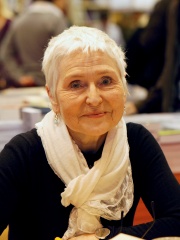
Herbjørg Wassmo
WRITER
1942 - Present
HPI: 64.27
Rank: 169
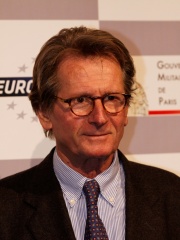
Jean-Pierre Jabouille
POLITICIAN
1942 - 2023
HPI: 64.24
Rank: 170
Étienne Balibar
PHILOSOPHER
1942 - Present
HPI: 64.24
Rank: 171
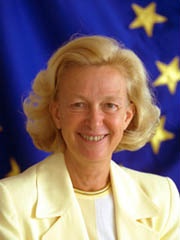
Nicole Fontaine
POLITICIAN
1942 - 2018
HPI: 64.20
Rank: 172
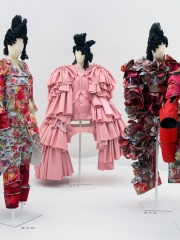
Rei Kawakubo
POLITICIAN
1942 - Present
HPI: 64.16
Rank: 173
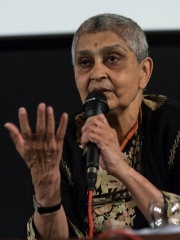
Gayatri Chakravorty Spivak
WRITER
1942 - Present
HPI: 64.15
Rank: 174
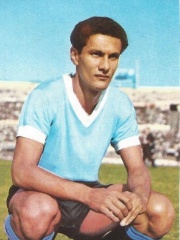
Pedro Rocha
SOCCER PLAYER
1942 - 2013
HPI: 64.11
Rank: 175
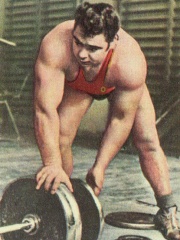
Vasily Alekseyev
ATHLETE
1942 - 2011
HPI: 63.97
Rank: 176
Richard Williams
COACH
1942 - Present
HPI: 63.96
Rank: 177
In Francja
Among people born in Francja, Étienne Balibar ranks 2,002 out of NaN. Before him are Valentin de Boulogne (1591), Marie Thérèse Rodet Geoffrin (1699), Jean Chalgrin (1739), Henriette of Cleves (1542), Jean-Pierre Jabouille (1942), and Théophile Delcassé (1852). After him are Michel Hidalgo (1933), Johann Hermann (1738), Maurice Blondel (1861), Étienne Méhul (1763), Carolus-Duran (1837), and Yolande, Duchess of Lorraine (1428).
Others born in Francja
Go to all Rankings
Valentin de Boulogne
PAINTER
1591 - 1632
HPI: 64.25
Rank: 1,996
Marie Thérèse Rodet Geoffrin
POLITICIAN
1699 - 1777
HPI: 64.25
Rank: 1,997

Jean Chalgrin
ARCHITECT
1739 - 1811
HPI: 64.25
Rank: 1,998
Henriette of Cleves
NOBLEMAN
1542 - 1601
HPI: 64.24
Rank: 1,999
Jean-Pierre Jabouille
POLITICIAN
1942 - 2023
HPI: 64.24
Rank: 2,000
Théophile Delcassé
POLITICIAN
1852 - 1923
HPI: 64.24
Rank: 2,001
Étienne Balibar
PHILOSOPHER
1942 - Present
HPI: 64.24
Rank: 2,002
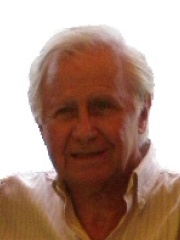
Michel Hidalgo
SOCCER PLAYER
1933 - 2020
HPI: 64.23
Rank: 2,003
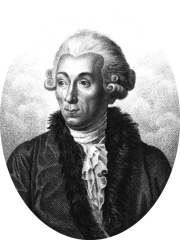
Johann Hermann
BIOLOGIST
1738 - 1800
HPI: 64.23
Rank: 2,004
Maurice Blondel
PHILOSOPHER
1861 - 1949
HPI: 64.22
Rank: 2,005
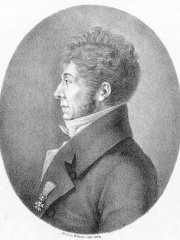
Étienne Méhul
COMPOSER
1763 - 1817
HPI: 64.22
Rank: 2,006
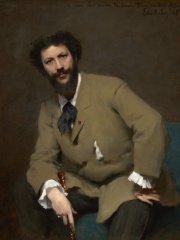
Carolus-Duran
PAINTER
1837 - 1917
HPI: 64.21
Rank: 2,007
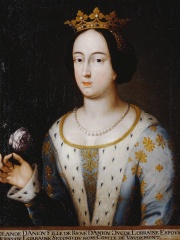
Yolande, Duchess of Lorraine
NOBLEMAN
1428 - 1483
HPI: 64.20
Rank: 2,008
Among Filozofs In Francja
Among filozofs born in Francja, Étienne Balibar ranks 81. Before him are Pierre Charron (1541), Georges Canguilhem (1904), Jean Hyppolite (1907), Jacques Ellul (1912), Henry Corbin (1903), and Berengar of Tours (998). After him are Maurice Blondel (1861), Yves Bonnefoy (1923), Pierre Hadot (1922), Émile Chartier (1868), Amalric of Bena (1150), and Paul Nizan (1905).
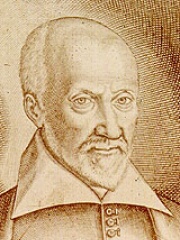
Pierre Charron
1541 - 1603
HPI: 64.89
Rank: 75
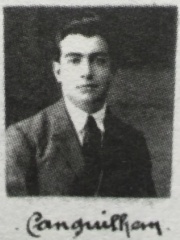
Georges Canguilhem
1904 - 1995
HPI: 64.85
Rank: 76
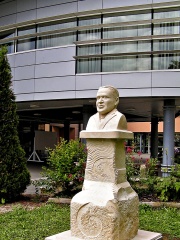
Jean Hyppolite
1907 - 1968
HPI: 64.79
Rank: 77
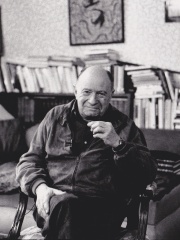
Jacques Ellul
1912 - 1994
HPI: 64.69
Rank: 78
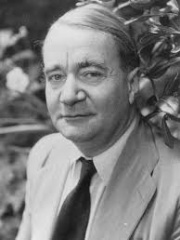
Henry Corbin
1903 - 1978
HPI: 64.66
Rank: 79
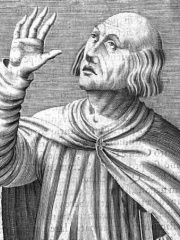
Berengar of Tours
998 - 1088
HPI: 64.44
Rank: 80
Étienne Balibar
1942 - Present
HPI: 64.24
Rank: 81
Maurice Blondel
1861 - 1949
HPI: 64.22
Rank: 82
Yves Bonnefoy
1923 - 2016
HPI: 64.20
Rank: 83
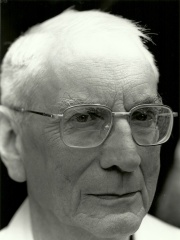
Pierre Hadot
1922 - 2010
HPI: 64.01
Rank: 84

Émile Chartier
1868 - 1951
HPI: 63.98
Rank: 85
Amalric of Bena
1150 - 1206
HPI: 63.87
Rank: 86
Paul Nizan
1905 - 1940
HPI: 63.61
Rank: 87




