Filosoof
Émile Chartier
1868 - 1951
NL.WIKIPEDIA-PAGINAWEERGAVEN (PV)

 Émile Chartier
Zijn biografie is beschikbaar in 29 verschillende talen op Wikipedia (toegenomen van 28 in 2024). Émile Chartier staat op plaats 650 onder de meest populaire filosoof (gedaald van plaats 522 in 2024), plaats 2.076 onder de meest populaire biografieën uit Frankrijk (gedaald van plaats 1.591 in 2019) en op plaats 85 onder de populairste filosoof uit Frankrijk.
Bekendheidsstatistieken
150k
Paginaweergaven
Afgelopen 12 maanden
63.98
HPI
Historische populariteitsindex
Data-inzichten
29
De biografie van Émile Chartier beslaat 29 taalversies van Wikipedia en behaalt een Historische Populariteitsindex van 63.98.
Paginaweergaven van Émile Chartier per taal
Onder Filosoof
Onder Filosoof staat Émile Chartier op plaats 650 van 1,285. Vóór hem staan Barlaam of Seminara, Antony Flew, Peter Deunov, Pierre Hadot, Yang Xiong, en Hemachandra. Na hem komen Olaf Stapledon, Eric Voegelin, Jaakko Hintikka, Anton Wilhelm Amo, Stein Rokkan, en Amalric of Bena.
Populairste Filosoof op Wikipedia
Naar alle ranglijsten
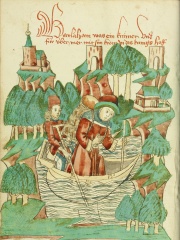
Barlaam of Seminara
1290 - 1348
HPI: 64.11
Plaats: 644
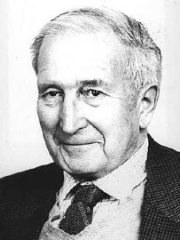
Antony Flew
1923 - 2010
HPI: 64.10
Plaats: 645
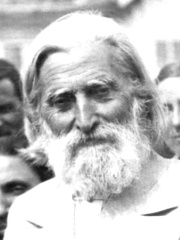
Peter Deunov
1864 - 1944
HPI: 64.06
Plaats: 646
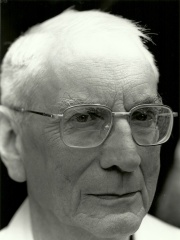
Pierre Hadot
1922 - 2010
HPI: 64.01
Plaats: 647

Yang Xiong
53 BC - 18
HPI: 64.00
Plaats: 648

Hemachandra
1089 - 1172
HPI: 64.00
Plaats: 649
Émile Chartier
1868 - 1951
HPI: 63.98
Plaats: 650
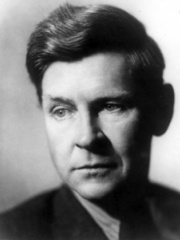
Olaf Stapledon
1886 - 1950
HPI: 63.97
Plaats: 651

Eric Voegelin
1901 - 1985
HPI: 63.96
Plaats: 652
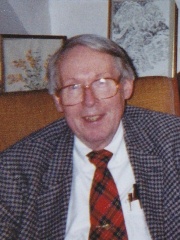
Jaakko Hintikka
1929 - 2015
HPI: 63.93
Plaats: 653
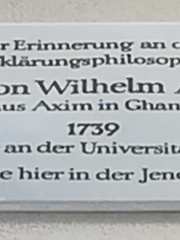
Anton Wilhelm Amo
1703 - 1759
HPI: 63.91
Plaats: 654
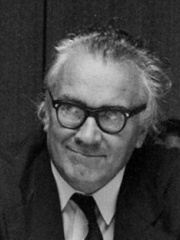
Stein Rokkan
1921 - 1979
HPI: 63.89
Plaats: 655
Amalric of Bena
1150 - 1206
HPI: 63.87
Plaats: 656

Tijdgenoten
Onder de mensen geboren in 1868 staat Émile Chartier op plaats 73. Vóór hem staan Kantarō Suzuki, Ahmed Shawqi, Henry Bergman, James Brendan Connolly, Wilhelm Schmidt, en Francis Jammes. Na hem komen Ernst Linder, Fakhri Pasha, Infanta Blanca of Spain, Lin Sen, José Félix Uriburu, en Keisuke Okada. Onder de mensen overleden in 1951 staat Émile Chartier op plaats 53. Vóór hem staan Robert Grant Aitken, Reggie Walker, Erich Naumann, Agrippina Vaganova, Fritz Thyssen, en François Georges-Picot. Na hem komen Kijūrō Shidehara, John Sloan, Warner Baxter, Mikhail Borodin, Yoshio Nishina, en Osman Batur.
Anderen geboren in 1868
Naar alle ranglijsten
Kantarō Suzuki
POLITICIAN
1868 - 1948
HPI: 64.88
Plaats: 67
Ahmed Shawqi
WRITER
1868 - 1932
HPI: 64.42
Plaats: 68
Henry Bergman
ACTOR
1868 - 1946
HPI: 64.40
Plaats: 69
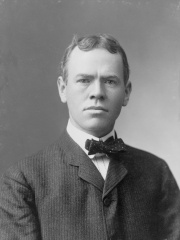
James Brendan Connolly
WRITER
1868 - 1957
HPI: 64.38
Plaats: 70
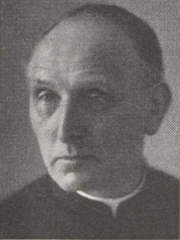
Wilhelm Schmidt
ANTHROPOLOGIST
1868 - 1954
HPI: 64.38
Plaats: 71

Francis Jammes
WRITER
1868 - 1938
HPI: 64.07
Plaats: 72
Émile Chartier
PHILOSOPHER
1868 - 1951
HPI: 63.98
Plaats: 73
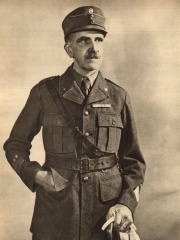
Ernst Linder
MILITARY PERSONNEL
1868 - 1943
HPI: 63.75
Plaats: 74
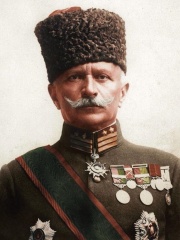
Fakhri Pasha
MILITARY PERSONNEL
1868 - 1948
HPI: 63.69
Plaats: 75
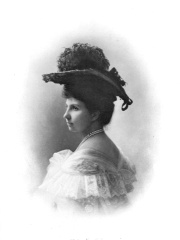
Infanta Blanca of Spain
NOBLEMAN
1868 - 1949
HPI: 63.61
Plaats: 76
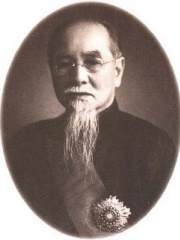
Lin Sen
POLITICIAN
1868 - 1943
HPI: 63.50
Plaats: 77
José Félix Uriburu
POLITICIAN
1868 - 1932
HPI: 63.45
Plaats: 78
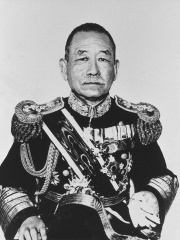
Keisuke Okada
POLITICIAN
1868 - 1952
HPI: 63.34
Plaats: 79
Anderen overleden in 1951
Naar alle ranglijsten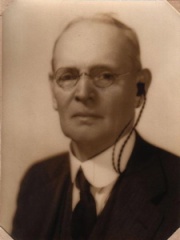
Robert Grant Aitken
ASTRONOMER
1864 - 1951
HPI: 64.90
Plaats: 47

Reggie Walker
ATHLETE
1889 - 1951
HPI: 64.58
Plaats: 48
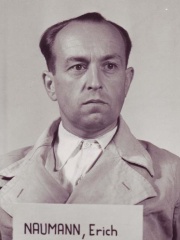
Erich Naumann
POLITICIAN
1905 - 1951
HPI: 64.52
Plaats: 49
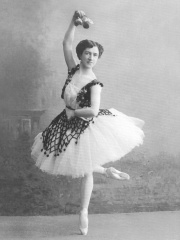
Agrippina Vaganova
DANCER
1879 - 1951
HPI: 64.14
Plaats: 50
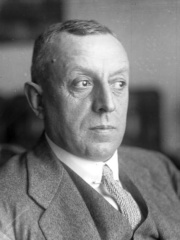
Fritz Thyssen
POLITICIAN
1873 - 1951
HPI: 64.12
Plaats: 51
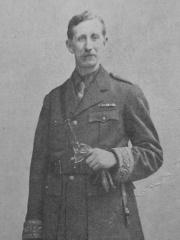
François Georges-Picot
POLITICIAN
1870 - 1951
HPI: 64.03
Plaats: 52
Émile Chartier
PHILOSOPHER
1868 - 1951
HPI: 63.98
Plaats: 53
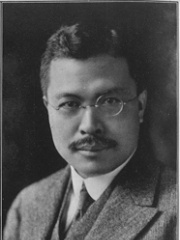
Kijūrō Shidehara
POLITICIAN
1872 - 1951
HPI: 63.75
Plaats: 54
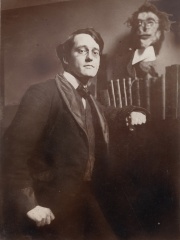
John Sloan
PAINTER
1871 - 1951
HPI: 63.49
Plaats: 55
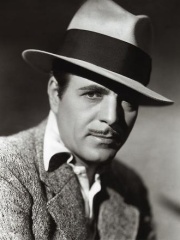
Warner Baxter
ACTOR
1889 - 1951
HPI: 63.44
Plaats: 56
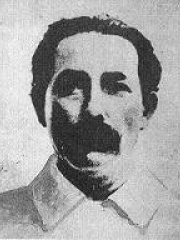
Mikhail Borodin
DIPLOMAT
1884 - 1951
HPI: 63.40
Plaats: 57
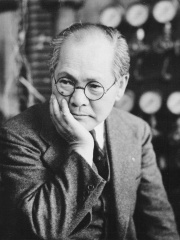
Yoshio Nishina
PHYSICIST
1890 - 1951
HPI: 63.36
Plaats: 58
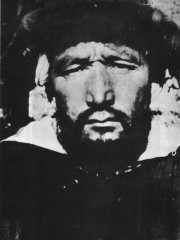
Osman Batur
MILITARY PERSONNEL
1899 - 1951
HPI: 63.26
Plaats: 59
In Frankrijk
Onder de mensen geboren in Frankrijk staat Émile Chartier op plaats 2,076 van 7,658. Vóór hem staan Princess Caroline of Hesse-Darmstadt (1746), Francis Veber (1937), Madeleine Lebeau (1923), Gabriel Naudé (1600), Paul Cornu (1881), en Paul Pogba (1993). Na hem komen Jean Sorel (1934), Louis-Sébastien Mercier (1740), Joan of Valois, Queen of Navarre (1343), William Kennedy Dickson (1860), Charles, Prince Napoléon (1950), en Léon Brillouin (1889).
Anderen geboren in Frankrijk
Naar alle ranglijsten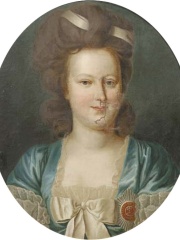
Princess Caroline of Hesse-Darmstadt
POLITICIAN
1746 - 1821
HPI: 64.00
Plaats: 2,070
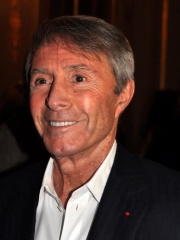
Francis Veber
FILM DIRECTOR
1937 - heden
HPI: 64.00
Plaats: 2,071
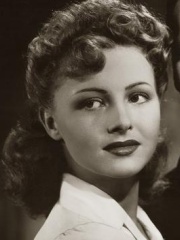
Madeleine Lebeau
ACTOR
1923 - 2016
HPI: 64.00
Plaats: 2,072
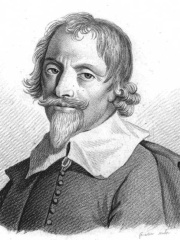
Gabriel Naudé
WRITER
1600 - 1653
HPI: 63.99
Plaats: 2,073
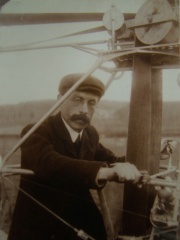
Paul Cornu
ENGINEER
1881 - 1944
HPI: 63.99
Plaats: 2,074

Paul Pogba
SOCCER PLAYER
1993 - heden
HPI: 63.98
Plaats: 2,075
Émile Chartier
PHILOSOPHER
1868 - 1951
HPI: 63.98
Plaats: 2,076
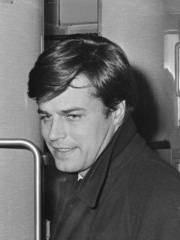
Jean Sorel
ACTOR
1934 - heden
HPI: 63.97
Plaats: 2,077
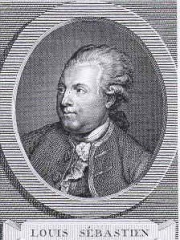
Louis-Sébastien Mercier
WRITER
1740 - 1814
HPI: 63.96
Plaats: 2,078
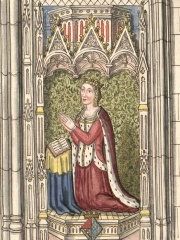
Joan of Valois, Queen of Navarre
POLITICIAN
1343 - 1373
HPI: 63.95
Plaats: 2,079
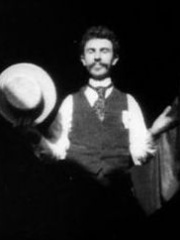
William Kennedy Dickson
FILM DIRECTOR
1860 - 1935
HPI: 63.95
Plaats: 2,080
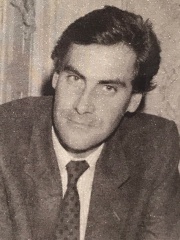
Charles, Prince Napoléon
POLITICIAN
1950 - heden
HPI: 63.95
Plaats: 2,081
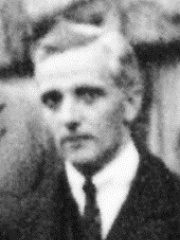
Léon Brillouin
PHYSICIST
1889 - 1969
HPI: 63.94
Plaats: 2,082
Onder Filosoof in Frankrijk
Onder Filosoof geboren in Frankrijk staat Émile Chartier op plaats 85. Vóór hem staan Henry Corbin (1903), Berengar of Tours (998), Étienne Balibar (1942), Maurice Blondel (1861), Yves Bonnefoy (1923), en Pierre Hadot (1922). Na hem komen Amalric of Bena (1150), Paul Nizan (1905), Paul Virilio (1932), Fulbert of Chartres (960), Charles Renouvier (1815), en André Glucksmann (1937).
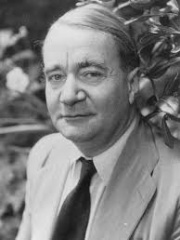
Henry Corbin
1903 - 1978
HPI: 64.66
Plaats: 79
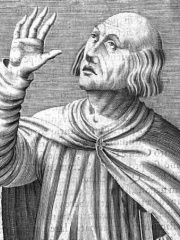
Berengar of Tours
998 - 1088
HPI: 64.44
Plaats: 80
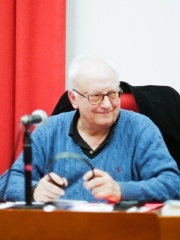
Étienne Balibar
1942 - heden
HPI: 64.24
Plaats: 81
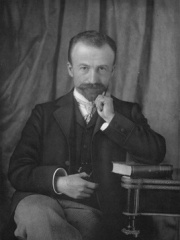
Maurice Blondel
1861 - 1949
HPI: 64.22
Plaats: 82
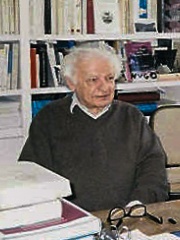
Yves Bonnefoy
1923 - 2016
HPI: 64.20
Plaats: 83
Pierre Hadot
1922 - 2010
HPI: 64.01
Plaats: 84
Émile Chartier
1868 - 1951
HPI: 63.98
Plaats: 85
Amalric of Bena
1150 - 1206
HPI: 63.87
Plaats: 86
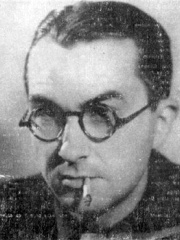
Paul Nizan
1905 - 1940
HPI: 63.61
Plaats: 87

Paul Virilio
1932 - 2018
HPI: 63.54
Plaats: 88
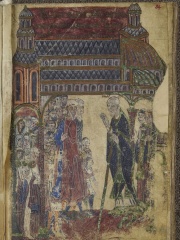
Fulbert of Chartres
960 - 1028
HPI: 63.25
Plaats: 89
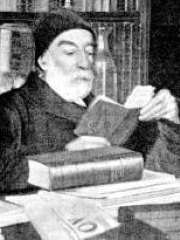
Charles Renouvier
1815 - 1903
HPI: 63.11
Plaats: 90
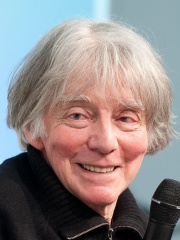
André Glucksmann
1937 - 2015
HPI: 63.06
Plaats: 91




