Philosoph
Jacques Rancière
1940 - heute
DE.WIKIPEDIA-SEITENAUFRUFE (PV)

 Jacques Rancière
Seine Biografie ist in 30 verschiedenen Sprachen auf Wikipedia verfügbar. Jacques Rancière ist der 374th beliebteste Philosoph (gesunken vom 355th im Jahr 2024), die 25th beliebteste Biografie aus Algerien (gesunken vom 24th im Jahr 2019) und der 5th beliebteste aus Algerien Philosoph.
Bekanntheitsmetriken
81k
Seitenaufrufe
Letzte 12 Monate
68.85
HPI
Historischer Popularitätsindex
Daten-Einblicke
Seitenaufrufe von Jacques Rancière nach Sprache
Unter Philosoph
Unter Philosoph belegt Jacques Rancière Rang 374 von 1,285. Vor ihm stehen Étienne Cabet, Wilhelm Windelband, Alexandre Koyré, Pierre d'Ailly, Chandrakirti, und Hugues Felicité Robert de Lamennais. Nach ihm folgen Macrobius, Richard Rorty, Heinrich Rickert, Thrasymachus, Franciscus Patricius, und Edgar Morin.
Die beliebtesten Philosoph auf Wikipedia
Zu allen Ranglisten
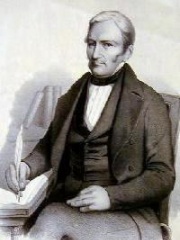
Étienne Cabet
1788 - 1856
HPI: 69.00
Rang: 368
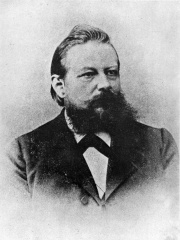
Wilhelm Windelband
1848 - 1915
HPI: 68.99
Rang: 369
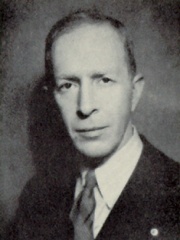
Alexandre Koyré
1892 - 1964
HPI: 68.96
Rang: 370
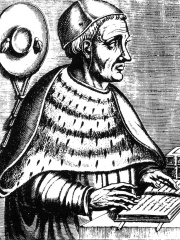
Pierre d'Ailly
1350 - 1420
HPI: 68.92
Rang: 371

Chandrakirti
600 - 650
HPI: 68.88
Rang: 372
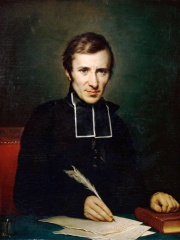
Hugues Felicité Robert de Lamennais
1782 - 1854
HPI: 68.86
Rang: 373
Jacques Rancière
1940 - heute
HPI: 68.85
Rang: 374
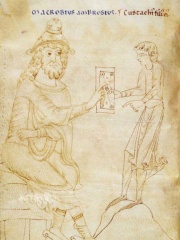
Macrobius
370 - 430
HPI: 68.81
Rang: 375
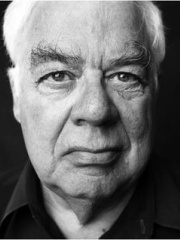
Richard Rorty
1931 - 2007
HPI: 68.78
Rang: 376
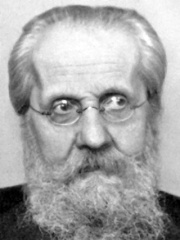
Heinrich Rickert
1863 - 1936
HPI: 68.77
Rang: 377

Thrasymachus
459 BC - 399 BC
HPI: 68.69
Rang: 378
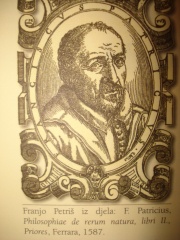
Franciscus Patricius
1529 - 1597
HPI: 68.66
Rang: 379
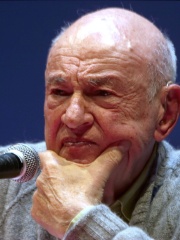
Edgar Morin
1921 - 2026
HPI: 68.66
Rang: 380

Zeitgenossen
Unter den im Jahr 1940 Geborenen belegt Jacques Rancière Rang 78. Vor ihm stehen George A. Romero, James Cromwell, Tarō Asō, Herbie Hancock, Cliff Richard, und Thomas Harris. Nach ihm folgen Denis Law, Burt Young, Joachim Frank, Isdal Woman, Lance Henriksen, und Shahnaz Pahlavi.
Weitere im Jahr 1940 Geborene
Zu allen Ranglisten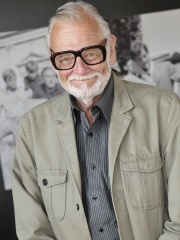
George A. Romero
FILM DIRECTOR
1940 - 2017
HPI: 69.33
Rang: 72
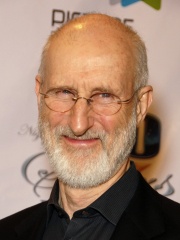
James Cromwell
ACTOR
1940 - heute
HPI: 69.25
Rang: 73
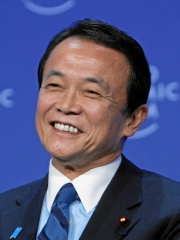
Tarō Asō
POLITICIAN
1940 - heute
HPI: 69.22
Rang: 74

Herbie Hancock
MUSICIAN
1940 - heute
HPI: 69.20
Rang: 75

Cliff Richard
MUSICIAN
1940 - heute
HPI: 69.05
Rang: 76
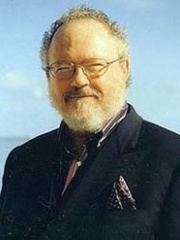
Thomas Harris
WRITER
1940 - heute
HPI: 68.96
Rang: 77
Jacques Rancière
PHILOSOPHER
1940 - heute
HPI: 68.85
Rang: 78

Denis Law
SOCCER PLAYER
1940 - 2025
HPI: 68.84
Rang: 79
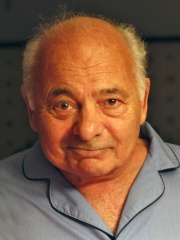
Burt Young
ACTOR
1940 - 2023
HPI: 68.73
Rang: 80
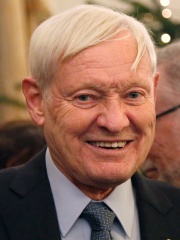
Joachim Frank
CHEMIST
1940 - heute
HPI: 68.69
Rang: 81
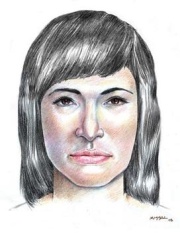
Isdal Woman
ARCHAEOLOGIST
1940 - 1970
HPI: 68.64
Rang: 82
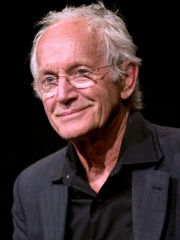
Lance Henriksen
ACTOR
1940 - heute
HPI: 68.50
Rang: 83
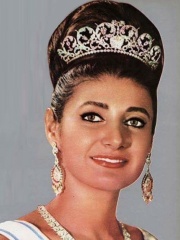
Shahnaz Pahlavi
COMPANION
1940 - heute
HPI: 68.29
Rang: 84
In Algerien
Unter den in Algerien Geborenen belegt Jacques Rancière Rang 25 von 270. Vor ihm stehen Juba I of Numidia (-85), Houari Boumédiène (1932), Martianus Capella (360), Ferhat Abbas (1899), Daniel Auteuil (1950), und Abd al-Mu'min (1094). Nach ihm folgen Ptolemy of Mauretania (-9), Syphax (-250), Marcel Cerdan (1916), Hélène Cixous (1937), Edwige Fenech (1948), und Marcus Cornelius Fronto (100).
Weitere in Algerien geborene Personen
Zu allen Ranglisten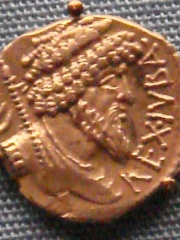
Juba I of Numidia
POLITICIAN
85 BC - 46 BC
HPI: 70.53
Rang: 19
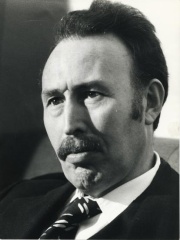
Houari Boumédiène
POLITICIAN
1932 - 1978
HPI: 70.23
Rang: 20
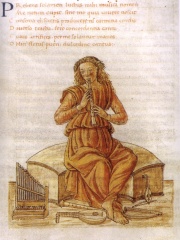
Martianus Capella
PHILOSOPHER
360 - 428
HPI: 69.90
Rang: 21
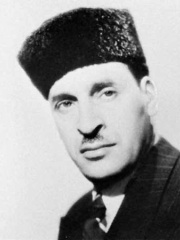
Ferhat Abbas
POLITICIAN
1899 - 1985
HPI: 69.77
Rang: 22
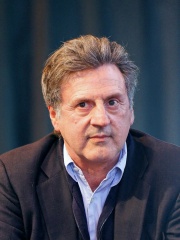
Daniel Auteuil
ACTOR
1950 - heute
HPI: 69.69
Rang: 23
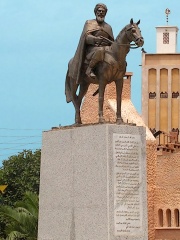
Abd al-Mu'min
POLITICIAN
1094 - 1163
HPI: 69.22
Rang: 24
Jacques Rancière
PHILOSOPHER
1940 - heute
HPI: 68.85
Rang: 25
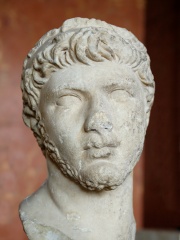
Ptolemy of Mauretania
POLITICIAN
9 BC - 40
HPI: 68.77
Rang: 26
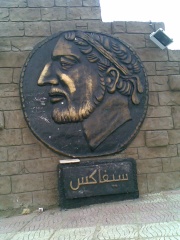
Syphax
POLITICIAN
250 BC - 202 BC
HPI: 68.63
Rang: 27

Marcel Cerdan
POLITICIAN
1916 - 1949
HPI: 68.45
Rang: 28
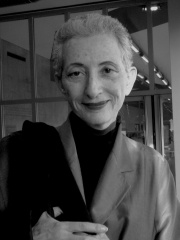
Hélène Cixous
WRITER
1937 - heute
HPI: 68.36
Rang: 29

Edwige Fenech
ACTOR
1948 - heute
HPI: 68.20
Rang: 30

Marcus Cornelius Fronto
PHILOSOPHER
100 - 160
HPI: 68.00
Rang: 31
Unter Philosoph in Algerien
Unter den in Algerien geborenen Philosoph belegt Jacques Rancière Rang 5. Vor ihm stehen Augustine of Hippo (354), Jacques Derrida (1930), Louis Althusser (1918), und Martianus Capella (360). Nach ihm folgen Marcus Cornelius Fronto (100), Priscian (500), Émile Boirac (1851), und Catherine Malabou (1959).
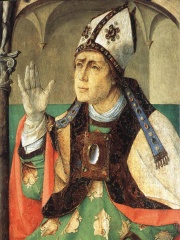
Augustine of Hippo
354 - 430
HPI: 90.39
Rang: 1
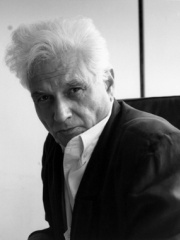
Jacques Derrida
1930 - 2004
HPI: 78.95
Rang: 2
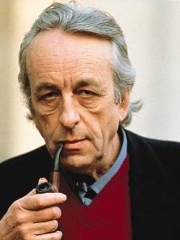
Louis Althusser
1918 - 1990
HPI: 75.82
Rang: 3
Martianus Capella
360 - 428
HPI: 69.90
Rang: 4
Jacques Rancière
1940 - heute
HPI: 68.85
Rang: 5
Marcus Cornelius Fronto
100 - 160
HPI: 68.00
Rang: 6
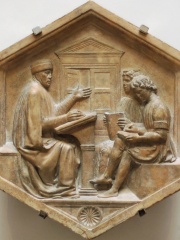
Priscian
500 - 600
HPI: 66.63
Rang: 7
Émile Boirac
1851 - 1917
HPI: 61.06
Rang: 8

Catherine Malabou
1959 - heute
HPI: 52.64
Rang: 9




