Polityk
Userkaf
2600 BC - 2500 BC
WYŚWIETLENIA PL.WIKIPEDIA (PV)
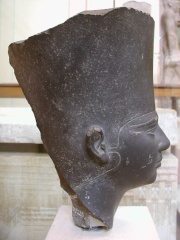
 Userkaf
Jego biografia jest dostępna w 42 różnych językach w Wikipedii (wzrost z 40 w 2024 roku). Userkaf jest 2177. najpopularniejszym polityk (spadek z 1553. w 2024 roku), 120. najpopularniejszą biografią Egipt (spadek z 94. w 2019 roku) oraz 53. najpopularniejszym polityk Egipt.
Wskaźniki rozpoznawalności
89k
Wyświetlenia strony
Ostatnie 12 miesięcy
71.73
HPI
Indeks historycznej popularności
Wyświetlenia strony Userkaf według języka
Wśród przedstawicieli zawodu Polityk
Wśród przedstawicieli zawodu „Polityk” Userkaf zajmuje 2,176. miejsce na 19,576. Przed nim są Anders Fogh Rasmussen, Sweyn II of Denmark, Aden Adde, Śuddhodana, Al-Hakam II, i Euric. Po nim są António Costa, Gyeongjong of Joseon, Alassane Ouattara, Elisa Bonaparte, Yakov Sverdlov, i Mike Pence.
Najpopularniejsi w Wikipedii: Polityk
Zobacz wszystkie rankingi
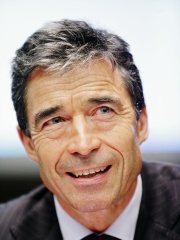
Anders Fogh Rasmussen
1953 - obecnie
HPI: 71.74
Miejsce: 2,171
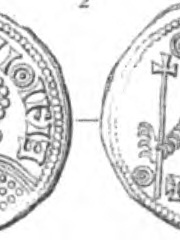
Sweyn II of Denmark
1020 - 1076
HPI: 71.74
Miejsce: 2,172
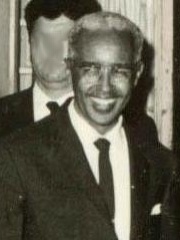
Aden Adde
1908 - 2007
HPI: 71.73
Miejsce: 2,173
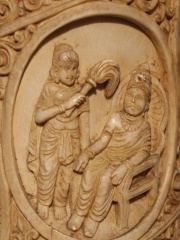
Śuddhodana
590 BC - obecnie
HPI: 71.73
Miejsce: 2,174
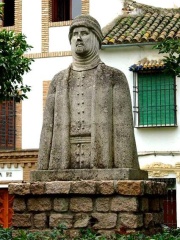
Al-Hakam II
915 - 976
HPI: 71.73
Miejsce: 2,175
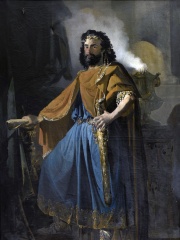
Euric
440 - 484
HPI: 71.73
Miejsce: 2,176
Userkaf
2600 BC - 2500 BC
HPI: 71.73
Miejsce: 2,177
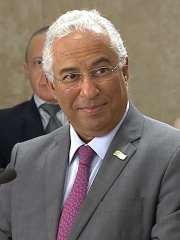
António Costa
1961 - obecnie
HPI: 71.73
Miejsce: 2,178
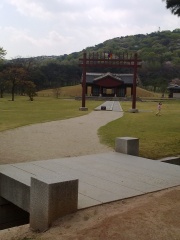
Gyeongjong of Joseon
1688 - 1724
HPI: 71.72
Miejsce: 2,179
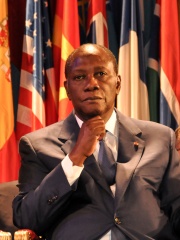
Alassane Ouattara
1942 - obecnie
HPI: 71.72
Miejsce: 2,180
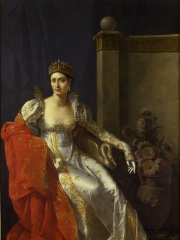
Elisa Bonaparte
1777 - 1820
HPI: 71.72
Miejsce: 2,181
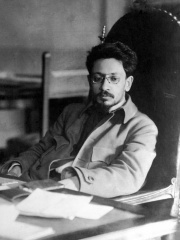
Yakov Sverdlov
1885 - 1919
HPI: 71.71
Miejsce: 2,182
Mike Pence
1959 - obecnie
HPI: 71.71
Miejsce: 2,183

Współcześni
Wśród osób urodzonych w 2600 BC roku Userkaf zajmuje 2. miejsce. Przed nim jest Djedefre. Po nim są Shepseskaf, Thamphthis, Hetepheres II, Khentkaus I, Meresankh III, Djedefhor, Khamerernebty II, Kawab, Nefertiabet, i Ankhhaf. Wśród osób zmarłych w 2500 BC roku Userkaf zajmuje 1. miejsce. Po nim są En-anna-tum I, Khentkaus III, Ur-Nanshe, Peseshet, A'annepada, i Akurgal.
Inne osoby urodzone w 2600 BC roku
Zobacz wszystkie rankingi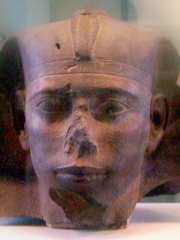
Djedefre
POLITICIAN
2600 BC - 2570 BC
HPI: 73.55
Miejsce: 1
Userkaf
POLITICIAN
2600 BC - 2500 BC
HPI: 71.73
Miejsce: 2
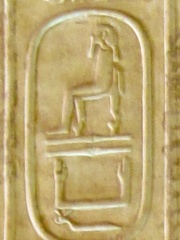
Shepseskaf
POLITICIAN
2600 BC - 2499 BC
HPI: 71.31
Miejsce: 3

Thamphthis
POLITICIAN
2600 BC - 2560 BC
HPI: 67.79
Miejsce: 4
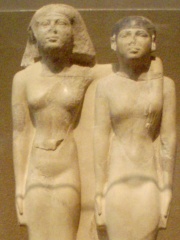
Hetepheres II
POLITICIAN
2600 BC - 2560 BC
HPI: 66.78
Miejsce: 5
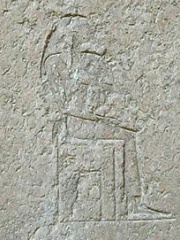
Khentkaus I
COMPANION
2600 BC - 2600 BC
HPI: 64.93
Miejsce: 6
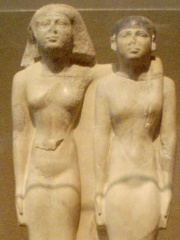
Meresankh III
POLITICIAN
2600 BC - 2600 BC
HPI: 62.08
Miejsce: 7

Djedefhor
POLITICIAN
2600 BC - 2600 BC
HPI: 61.88
Miejsce: 8
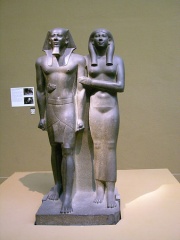
Khamerernebty II
POLITICIAN
2600 BC - 2600 BC
HPI: 60.57
Miejsce: 9
Kawab
NOBLEMAN
2600 BC - 2600 BC
HPI: 59.93
Miejsce: 10
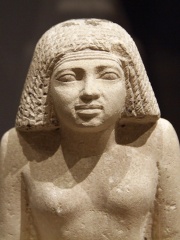
Nefertiabet
NOBLEMAN
2600 BC - obecnie
HPI: 59.63
Miejsce: 11
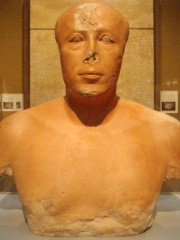
Ankhhaf
POLITICIAN
2600 BC - 2600 BC
HPI: 58.69
Miejsce: 12
Inne osoby zmarłe w 2500 BC roku
Zobacz wszystkie rankingiUserkaf
POLITICIAN
2600 BC - 2500 BC
HPI: 71.73
Miejsce: 1
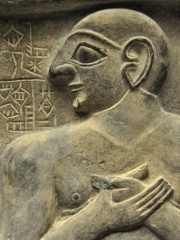
En-anna-tum I
POLITICIAN
2500 BC - 2500 BC
HPI: 65.03
Miejsce: 2

Khentkaus III
COMPANION
2500 BC - 2500 BC
HPI: 64.14
Miejsce: 3
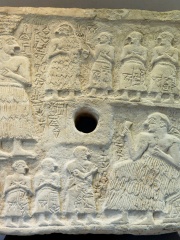
Ur-Nanshe
ARCHITECT
2500 BC - 2500 BC
HPI: 63.71
Miejsce: 4

Peseshet
PHYSICIAN
2500 BC - 2500 BC
HPI: 61.32
Miejsce: 5
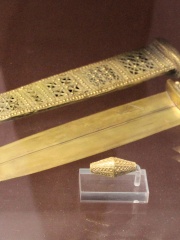
A'annepada
RELIGIOUS FIGURE
2600 BC - 2500 BC
HPI: 57.67
Miejsce: 6
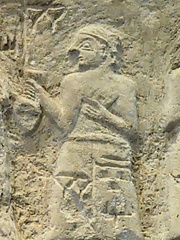
Akurgal
ARCHAEOLOGIST
2600 BC - 2500 BC
HPI: 55.91
Miejsce: 7
W kraju Egipt
Wśród osób urodzonych w kraju Egipt Userkaf zajmuje 120. miejsce na NaN. Przed nim są Isma'il Pasha (1830), Den (-3000), Yusuf al-Qaradawi (1926), Djet (-3000), Amenhotep II (-1401), i Alexander Helios (-40). Po nim są Apollos (100), Mohamed Hussein Tantawi (1935), Macarius of Egypt (300), Abbas II of Egypt (1874), Shepseskaf (-2600), i Ammonius Saccas (175).
Inne osoby urodzone w kraju Egipt
Zobacz wszystkie rankingi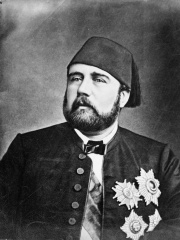
Isma'il Pasha
POLITICIAN
1830 - 1895
HPI: 71.90
Miejsce: 114
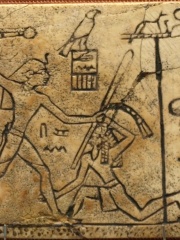
Den
ARCHAEOLOGIST
3000 BC - 2995 BC
HPI: 71.85
Miejsce: 115
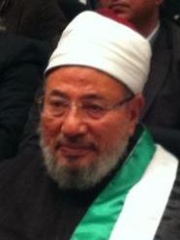
Yusuf al-Qaradawi
RELIGIOUS FIGURE
1926 - 2022
HPI: 71.85
Miejsce: 116
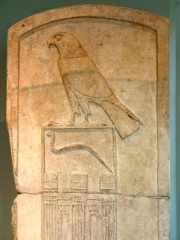
Djet
RELIGIOUS FIGURE
3000 BC - 2980 BC
HPI: 71.82
Miejsce: 117
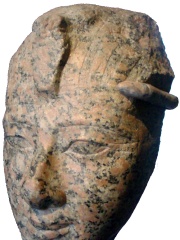
Amenhotep II
POLITICIAN
1401 BC - 1401 BC
HPI: 71.80
Miejsce: 118
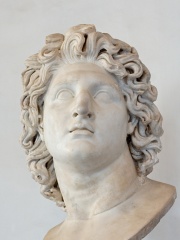
Alexander Helios
POLITICIAN
40 BC - 25 BC
HPI: 71.79
Miejsce: 119
Userkaf
POLITICIAN
2600 BC - 2500 BC
HPI: 71.73
Miejsce: 120
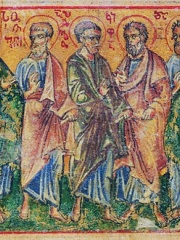
Apollos
RELIGIOUS FIGURE
100 - 100
HPI: 71.64
Miejsce: 121
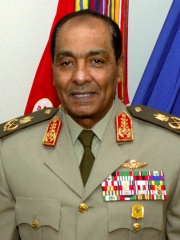
Mohamed Hussein Tantawi
POLITICIAN
1935 - 2021
HPI: 71.62
Miejsce: 122
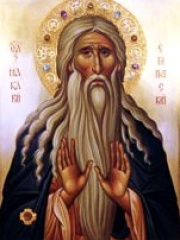
Macarius of Egypt
RELIGIOUS FIGURE
300 - 391
HPI: 71.38
Miejsce: 123
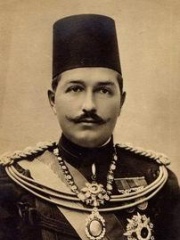
Abbas II of Egypt
POLITICIAN
1874 - 1944
HPI: 71.37
Miejsce: 124
Shepseskaf
POLITICIAN
2600 BC - 2499 BC
HPI: 71.31
Miejsce: 125

Ammonius Saccas
PHILOSOPHER
175 - 242
HPI: 71.27
Miejsce: 126
Wśród przedstawicieli zawodu Polityk w kraju Egipt
Wśród przedstawicieli zawodu „Polityk” urodzonych w kraju Egipt Userkaf zajmuje 53. miejsce. Przed nim są Senakhtenre Ahmose (-1600), Kamose (-1600), Teti (-2350), Isma'il Pasha (1830), Amenhotep II (-1401), i Alexander Helios (-40). Po nim są Mohamed Hussein Tantawi (1935), Abbas II of Egypt (1874), Shepseskaf (-2600), Apepi (-1600), Sekhemkhet (-2800), i Isetnofret (-1250).
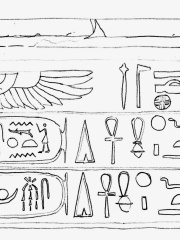
Senakhtenre Ahmose
1600 BC - 1600 BC
HPI: 72.21
Miejsce: 47
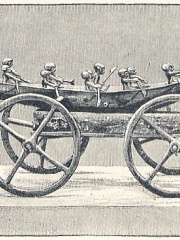
Kamose
1600 BC - 1549 BC
HPI: 72.17
Miejsce: 48
Teti
2350 BC - 2350 BC
HPI: 71.96
Miejsce: 49
Isma'il Pasha
1830 - 1895
HPI: 71.90
Miejsce: 50
Amenhotep II
1401 BC - 1401 BC
HPI: 71.80
Miejsce: 51
Alexander Helios
40 BC - 25 BC
HPI: 71.79
Miejsce: 52
Userkaf
2600 BC - 2500 BC
HPI: 71.73
Miejsce: 53
Mohamed Hussein Tantawi
1935 - 2021
HPI: 71.62
Miejsce: 54
Abbas II of Egypt
1874 - 1944
HPI: 71.37
Miejsce: 55
Shepseskaf
2600 BC - 2499 BC
HPI: 71.31
Miejsce: 56
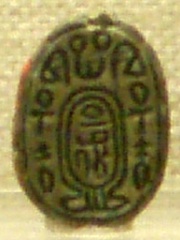
Apepi
1600 BC - 1549 BC
HPI: 71.15
Miejsce: 57
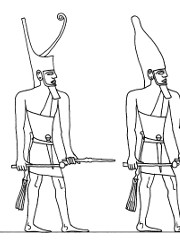
Sekhemkhet
2800 BC - 2700 BC
HPI: 71.03
Miejsce: 58
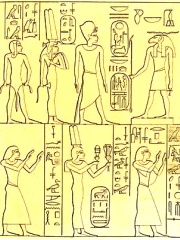
Isetnofret
1250 BC - obecnie
HPI: 70.91
Miejsce: 59




