Politician
Śuddhodana
King of Shakya Kingdom
590 BC - today
EN.WIKIPEDIA PAGE VIEWS (PV)
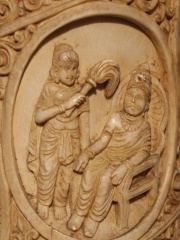
 Śuddhodana
His biography is available in 37 different languages on Wikipedia (up from 35 in 2024). Śuddhodana is the 2,174th most popular politician (down from 1,872nd in 2024), the 10th most popular biography from Nepal (down from 6th in 2019) and the 5th most popular Nepalese Politician.
Śuddhodana is most famous for being the father of Siddhartha Gautama, the Buddha. He was a king of the Shakya clan and ruled the region of Śrāvastī in the 6th century BCE.
Memorability Metrics
110k
Page Views
Past 12 months
71.73
HPI
Historical Popularity Index
Page views of Śuddhodana by language
Among Politicians
Among politicians, Śuddhodana ranks 2,173 out of 19,576. Before him are Yuan Shao, Werner von Fritsch, Kavad I, Anders Fogh Rasmussen, Sweyn II of Denmark, and Aden Adde. After him are Al-Hakam II, Euric, Userkaf, António Costa, Gyeongjong of Joseon, and Alassane Ouattara.
Most Popular Politicians in Wikipedia
Go to all Rankings
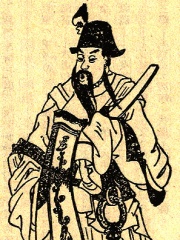
Yuan Shao
154 - 202
HPI: 71.75
Rank: 2,168
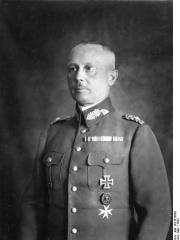
Werner von Fritsch
1880 - 1939
HPI: 71.75
Rank: 2,169
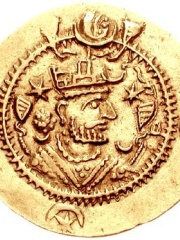
Kavad I
473 - 531
HPI: 71.74
Rank: 2,170
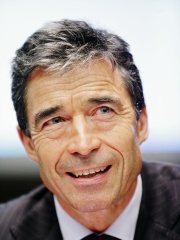
Anders Fogh Rasmussen
1953 - Present
HPI: 71.74
Rank: 2,171
Sweyn II of Denmark
1020 - 1076
HPI: 71.74
Rank: 2,172
Aden Adde
1908 - 2007
HPI: 71.73
Rank: 2,173
Śuddhodana
590 BC - Present
HPI: 71.73
Rank: 2,174
Al-Hakam II
915 - 976
HPI: 71.73
Rank: 2,175
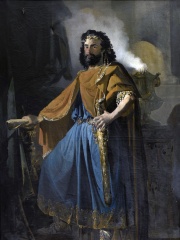
Euric
440 - 484
HPI: 71.73
Rank: 2,176
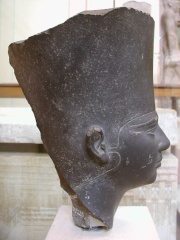
Userkaf
2600 BC - 2500 BC
HPI: 71.73
Rank: 2,177
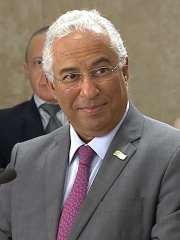
António Costa
1961 - Present
HPI: 71.73
Rank: 2,178
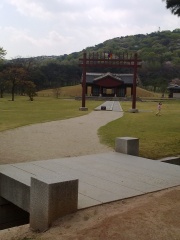
Gyeongjong of Joseon
1688 - 1724
HPI: 71.72
Rank: 2,179
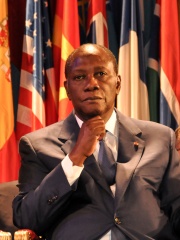
Alassane Ouattara
1942 - Present
HPI: 71.72
Rank: 2,180

Contemporaries
Among people born in 590 BC, Śuddhodana ranks 1. After him are Psamtik III, Xanthippus, Cleobulus, Ephialtes, Baruch ben Neriah, and Antenor.
Others Born in 590 BC
Go to all RankingsŚuddhodana
POLITICIAN
590 BC - Present
HPI: 71.73
Rank: 1
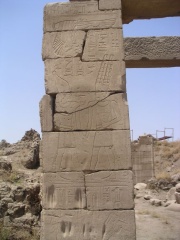
Psamtik III
POLITICIAN
590 BC - 525 BC
HPI: 71.44
Rank: 2
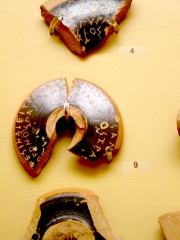
Xanthippus
POLITICIAN
590 BC - 500 BC
HPI: 70.34
Rank: 3
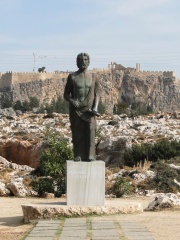
Cleobulus
PHILOSOPHER
590 BC - 510 BC
HPI: 70.00
Rank: 4

Ephialtes
POLITICIAN
590 BC - 461 BC
HPI: 68.68
Rank: 5
Baruch ben Neriah
POLITICIAN
590 BC - Present
HPI: 67.20
Rank: 6
Antenor
SCULPTOR
590 BC - 500 BC
HPI: 64.37
Rank: 7
In Nepal
Among people born in Nepal, Śuddhodana ranks 10 out of NaN. Before him are Tenzing Norgay (1914), Mahapajapati Gotami (-600), Bidhya Devi Bhandari (1961), KP Sharma Oli (1952), Pushpa Kamal Dahal (1954), and Rāhula (-534). After him are Chandra Bahadur Dangi (1939), Ram Chandra Poudel (1944), Prithvi Narayan Shah (1723), Birendra of Nepal (1945), Gyanendra of Nepal (1947), and Queen Aishwarya of Nepal (1949).
Others born in Nepal
Go to all Rankings
Tenzing Norgay
MOUNTAINEER
1914 - 1986
HPI: 75.50
Rank: 4
Mahapajapati Gotami
RELIGIOUS FIGURE
600 BC - 480 BC
HPI: 73.12
Rank: 5
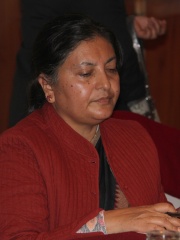
Bidhya Devi Bhandari
POLITICIAN
1961 - Present
HPI: 73.07
Rank: 6
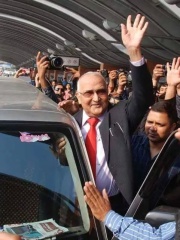
KP Sharma Oli
POLITICIAN
1952 - Present
HPI: 72.65
Rank: 7
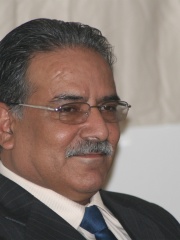
Pushpa Kamal Dahal
POLITICIAN
1954 - Present
HPI: 72.40
Rank: 8
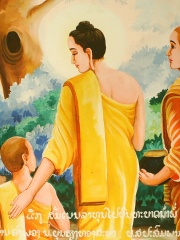
Rāhula
RELIGIOUS FIGURE
534 BC - 500 BC
HPI: 71.96
Rank: 9
Śuddhodana
POLITICIAN
590 BC - Present
HPI: 71.73
Rank: 10
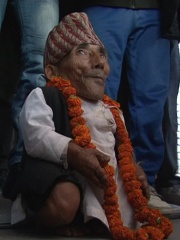
Chandra Bahadur Dangi
CELEBRITY
1939 - 2015
HPI: 67.39
Rank: 11
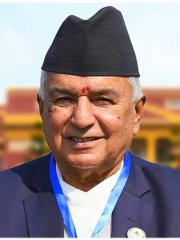
Ram Chandra Poudel
POLITICIAN
1944 - Present
HPI: 66.56
Rank: 12
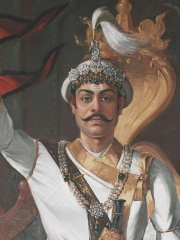
Prithvi Narayan Shah
POLITICIAN
1723 - 1775
HPI: 66.24
Rank: 13
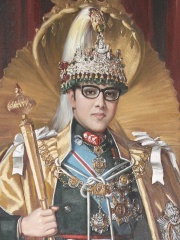
Birendra of Nepal
POLITICIAN
1945 - 2001
HPI: 66.17
Rank: 14
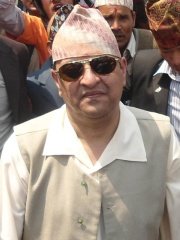
Gyanendra of Nepal
POLITICIAN
1947 - Present
HPI: 65.97
Rank: 15
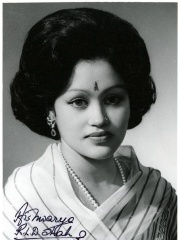
Queen Aishwarya of Nepal
POLITICIAN
1949 - 2001
HPI: 65.63
Rank: 16
Among Politicians In Nepal
Among politicians born in Nepal, Śuddhodana ranks 5. Before him are Yaśodharā (-600), Bidhya Devi Bhandari (1961), KP Sharma Oli (1952), and Pushpa Kamal Dahal (1954). After him are Ram Chandra Poudel (1944), Prithvi Narayan Shah (1723), Birendra of Nepal (1945), Gyanendra of Nepal (1947), Queen Aishwarya of Nepal (1949), Jung Bahadur Rana (1817), and Ram Baran Yadav (1948).
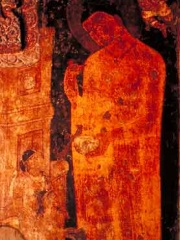
Yaśodharā
600 BC - Present
HPI: 77.75
Rank: 1
Bidhya Devi Bhandari
1961 - Present
HPI: 73.07
Rank: 2
KP Sharma Oli
1952 - Present
HPI: 72.65
Rank: 3
Pushpa Kamal Dahal
1954 - Present
HPI: 72.40
Rank: 4
Śuddhodana
590 BC - Present
HPI: 71.73
Rank: 5
Ram Chandra Poudel
1944 - Present
HPI: 66.56
Rank: 6
Prithvi Narayan Shah
1723 - 1775
HPI: 66.24
Rank: 7
Birendra of Nepal
1945 - 2001
HPI: 66.17
Rank: 8
Gyanendra of Nepal
1947 - Present
HPI: 65.97
Rank: 9
Queen Aishwarya of Nepal
1949 - 2001
HPI: 65.63
Rank: 10
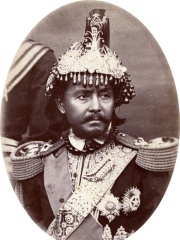
Jung Bahadur Rana
1817 - 1877
HPI: 64.89
Rank: 11
Ram Baran Yadav
1948 - Present
HPI: 64.64
Rank: 12




